
The resolution was issued when the country entered a new stage of development, posing the requirement to improve the quality of growth, ensure sustainability and strengthen the connection between economic, political, and social development with culture and people.
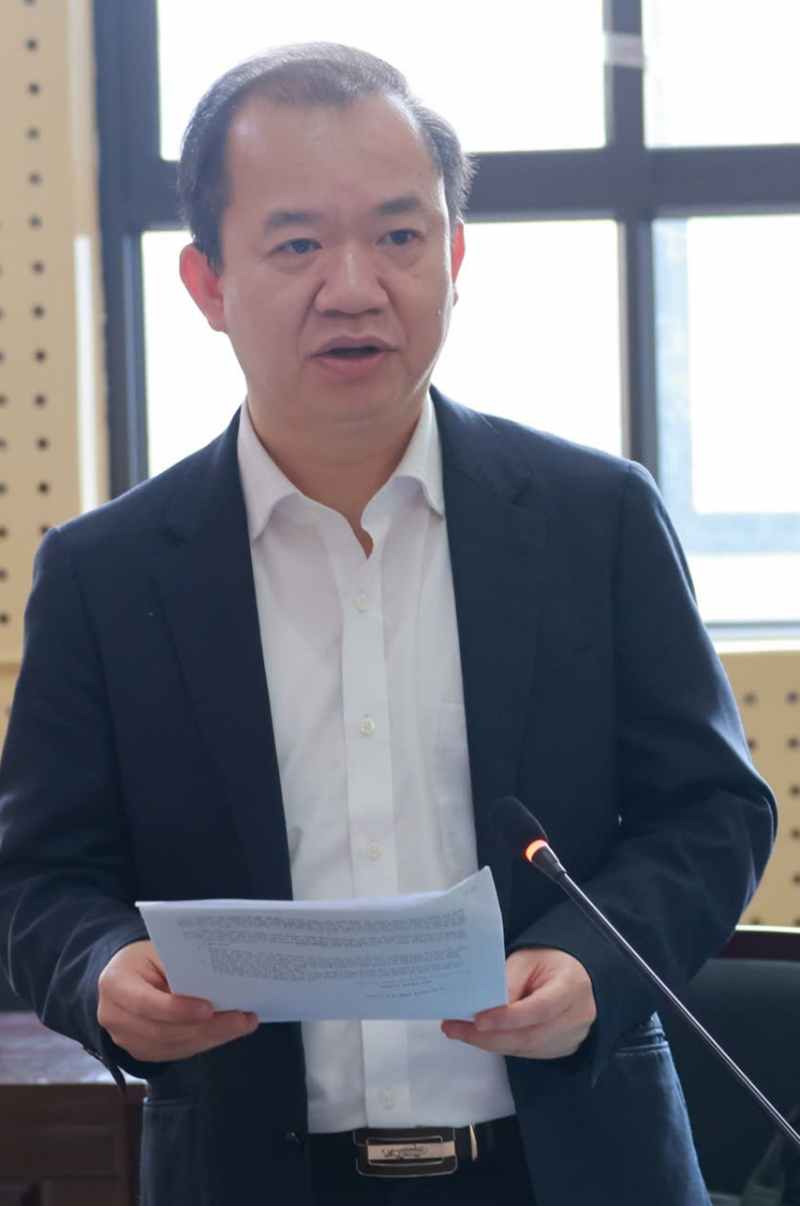
Lao Dong Newspaper reporter had a conversation with Assoc. Prof. Dr. Bui Hoai Son - Specialized Member of the National Assembly's Committee for Culture and Society to listen to his analysis and assessment of important new points as well as issues raised in the process of implementing the Resolution into practice.
Sir, Resolution 80-NQ/TW is considered a thematic resolution with a large vision for the development of Vietnamese culture. According to you, what is the most crucial point of Resolution 80?
In my opinion, the most new and important point of Resolution 80-NQ/TW is not only in the big goals or ambitious numbers, but also in the way the Resolution repositions culture in the national development strategy. If previously, in management life and in social awareness, culture was often considered "software", an important field but behind the economy, then Resolution 80 has clearly re-established order: culture and people are both the spiritual foundation of society, and internal resources, motivation and especially the "regulatory system" for rapid and sustainable development of the country.
The concept of "regulatory system" in my opinion is a very profound highlight. Because rapid development is necessary, but rapid development without good control of social quality, without fostering value systems, without improving public service ethics, rule-of-law culture, and behavioral culture... will easily develop "off-standard", easily create breakthroughs. Culture in Resolution 80 is no longer a "decoration" part, but becomes an adjustment mechanism, helping to develop in the right direction, maintain identity, ensure social justice, consolidate trust and community cohesion.
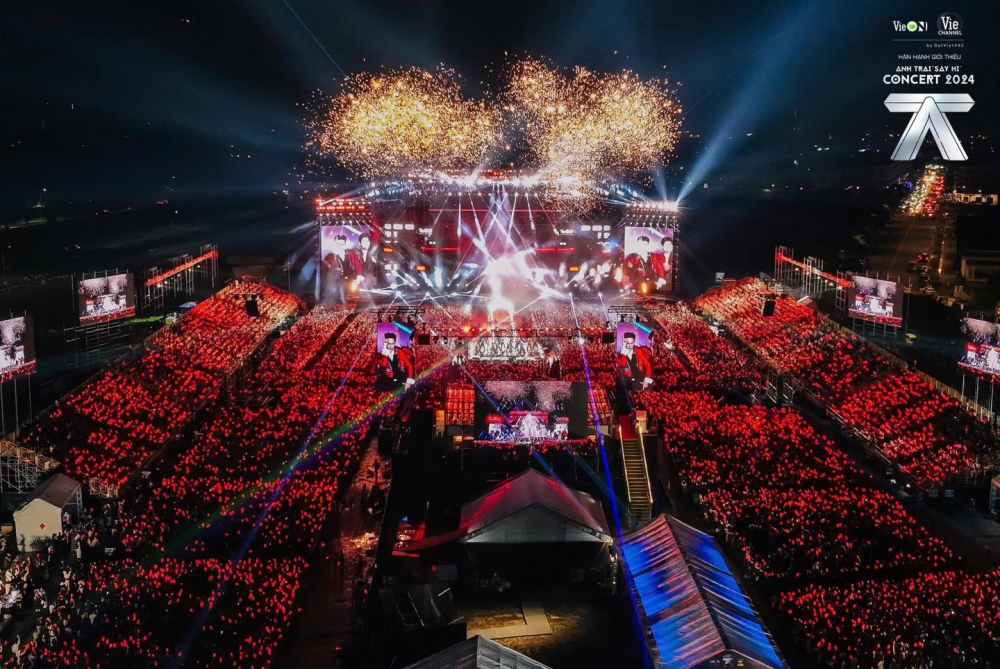
Another very noteworthy new point is that Resolution 80 approaches culture not only from the perspective of preservation - promotion, but also strongly shifts to preservation - development, placing culture in the value chain of creative economy, cultural industry, and national brand. The Resolution clearly states the orientation of forming cultural industry groups, creative zones - clusters, developing the cultural market and striving to 2030, cultural industry contributes about 7% of GDP. This reflects a very modern mindset: culture is not only "spiritual value", but must be organized like production capacity, contributing to improving national competitiveness and Vietnam's soft power.
In other words, Resolution 80 is not only a resolution for the cultural sector, but also a resolution for the future development of the country, aiming to create a shift from "widespread" growth to "deepspread" development, putting people - values - identity at the center.
The resolution sets out major goals, from increasing the proportion of budget investment to developing the cultural industry. Meanwhile, cultural resources and personnel are still limited. How do you assess this pressure on the cultural sector and what solutions are needed to overcome it?
It is true that Resolution 80 sets very large goals, and therefore the pressure on the cultural sector will also be very great. But I think this pressure is necessary, even "positive pressure", because it forces us to change our ways of doing things. Without ambitious goals, we can easily be satisfied with small movements, while reality is demanding a stronger shift.
The important thing is to clearly see: culture cannot develop only with enthusiasm; culture to develop sustainably must be based on institutions, resources and human resources - that is, it is necessary to reorganize the entire cultural development ecosystem.
Regarding resources, it is necessary to innovate thinking: investing in culture is not "speaking", but long-term profitable investment. Profitability here is not only revenue, but also social benefits: improving human quality, increasing community cohesion, reducing social costs due to deviation from standards, consolidating national belief and bravery. When looking at culture as development investment, we will design a cultural budget in a more effective, focused, and impact assessment direction.
Besides public investment, it is necessary to strongly mobilize social resources. Resolution 80 has clearly stated: State leads, society is an important resource. But socialization cannot just be a call; there must be mechanisms: tax incentives, creative support funds, mechanisms for ordering - buying public cultural services, public-private partnerships in cultural institutions, copyright protection... When there is an appropriate mechanism, businesses will invest, artists will be assured, and the cultural market will develop.
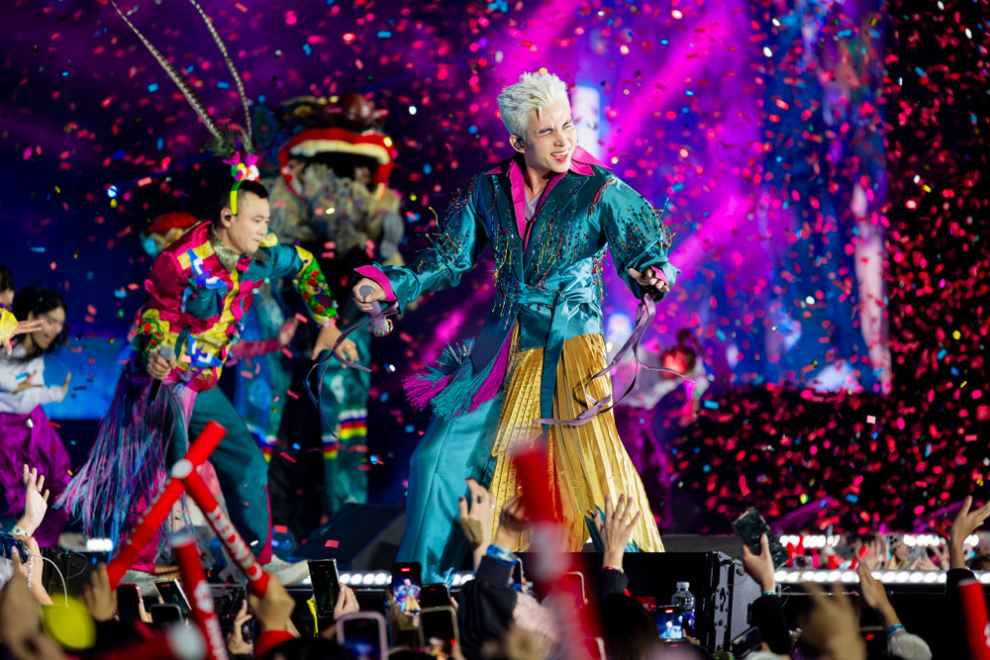
Regarding human resources, this is a very "painful" point. Current cultural human resources are both lacking and weak, and unbalanced: lack of professional cultural managers, lack of a well-trained creative team, lack of human resources combining art - technology - marketing. Therefore, the fundamental solution is to innovate cultural human resource training, considering this as a specific human resource of the creative economy; and at the same time have a mechanism to attract talents, provide worthy benefits and create a space for career development.
I think that if Resolution 80 is seen as a "push", then today's pressure is the driving force for the cultural sector to move to a new development model: more professional, more technological, more market-oriented but still retaining its identity and humanistic orientation.
According to you, what is the biggest bottleneck when implementing Resolution 80 in practice today: mechanisms, policies, resources or people?
If we have to choose the biggest bottleneck, I think it is the mechanism, more specifically the management and coordination mechanism for implementation. Because the lack of resources can be gradually supplemented; the lack of people can be gradually trained; but if the mechanism is not open, the mechanism is not transparent, the mechanism does not encourage creativity, then even if there is money, it is difficult to spend effectively, even if there are talented people, it is difficult to promote.
The bottleneck of the mechanism is shown in three aspects: First, the financial mechanism for culture is still heavily administrative and lacks flexibility. Many public cultural units do not have enough autonomy, it is difficult to mobilize sponsorship, and it is difficult to cooperate with businesses.
Second, the management mechanism is still biased towards pre-inspection, sometimes reducing creativity. Resolution 80 has required a shift from "management - control" to "construction - service". But to move forward, it is necessary to amend regulations, standardize standards, ensure transparency after inspection, and most importantly, encourage managers to "dare to do, dare to take responsibility".
Third, the inter-sectoral coordination mechanism is still not smooth. Culture must be linked to education, tourism, media, technology, diplomacy... If sectors do not see culture as a source of development, then the Resolution is difficult to create comprehensive strength. Therefore, removing the mechanism bottleneck is to "open the lock" for resources and people to operate together.
From the perspective of an expert, what breakthrough policies should be prioritized to realize the great vision of Resolution 80, avoiding the situation of spreading out and making it difficult to create clear changes?
I believe that there are three breakthrough policy priorities. First, to improve institutions and laws on culture in a synchronous and modern direction, especially in areas that directly create development momentum: cultural industry, cultural market, intellectual property rights, public-private partnership in culture, financial mechanism - ordering public cultural services. The National Assembly can promote the review of relevant laws, amend regulations hindering cultural autonomy and cultural socialization.
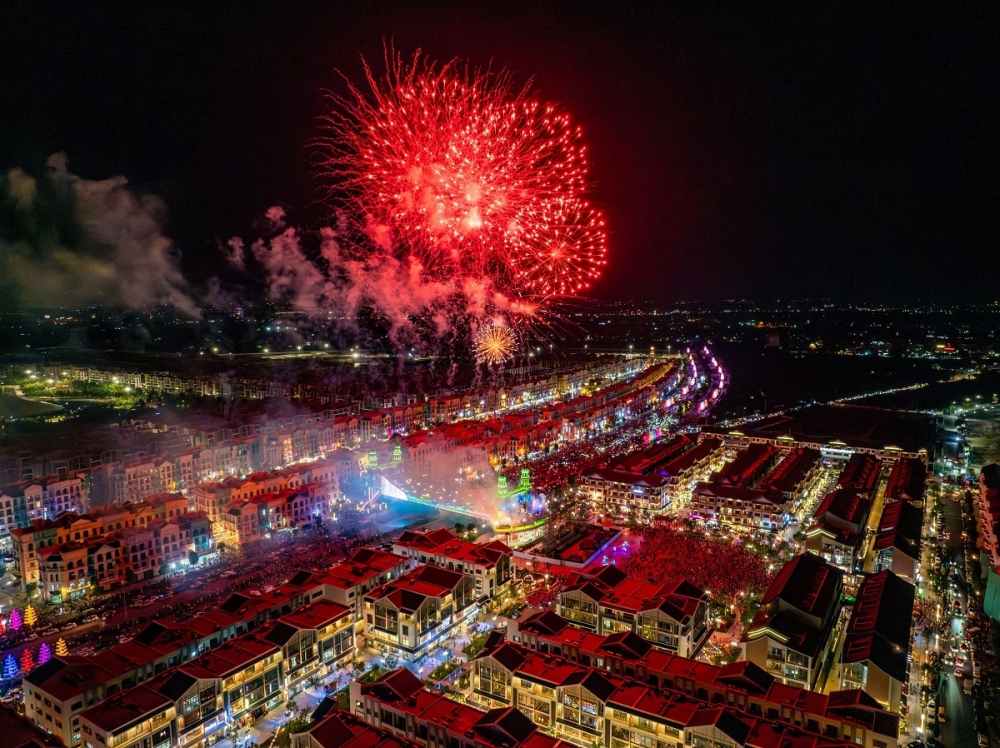
Second, there needs to be a breakthrough policy on resources, but it must be avoided from being spread out. I strongly support the "key investment" approach: choosing some key areas with the potential to create a national brand such as cinema, performing arts, cultural tourism, design...; and at the same time choosing some creative localities/cities as the nucleus to form cultural industrial clusters. Doing it centrally will create a "trailer", thereby spreading it.
Third, prioritize policies on cultural human resources and "human resource mechanisms". Resolution 80 is ambitious, but to do it, there must be a team with sufficient capacity, bravery, and professionalism. The National Assembly can promote a specific training - recruitment - remuneration mechanism for creative human resources; encourage linkages between schools - businesses - cultural institutions; and especially create a legal corridor for creative teams to have a sustainable professional environment.
The most important spirit that I want to emphasize is: The National Assembly is not only a place to promulgate laws, but also must be a place to promote the supervision of the implementation of the Resolution, ensuring that the major orientations of Resolution 80 go into life. If it creates a boost in institutions, finance and human resources, Resolution 80 will not stop at expectations, but will become a clear change - in line with the requirements of revitalizing and developing culture in the period when the country enters a new era.
Thank you for your sharing.


