Rather coming from the "green villages"
The harmonious behavior with forests, water resources, and land of the indigenous community are the first factors that form a green lifestyle - something that the whole society is aiming for today. However, in practice in Vietnam, for generations, people have lived in harmony with the environment. A comfortable lifestyle not only helps them survive, but also develops them sustainably.
Now, with the support of science - technology, information... combined with the indigenous cultural foundation, the green economic model has become more effective, sustainable and creates outstanding values for the community.
The story of "thank you for the forest" and the way to do tourism from identity in the mountainous areas west of Da Nang (Tay Giang district, the old Quang Nam province) is a vivid testament to the green tourism model that has helped people in poor mountainous areas develop their economy.
Cultural and sports activities of ethnic minorities in the mountainous areas (organized by the old mountainous districts of Quang Nam province) have been held alternately for more than two decades, but each year brings a new shade, because localities always strive to be creative, bringing the identity of each region into the program. In Nam Tra My - where there is a famous Ngoc Linh ginseng market, since 2017, it has been operating very effectively and has increasingly made its mark. At the markets, transactions sometimes reach tens to hundreds of billions of VND, becoming a unique tourism product of Da Nang.
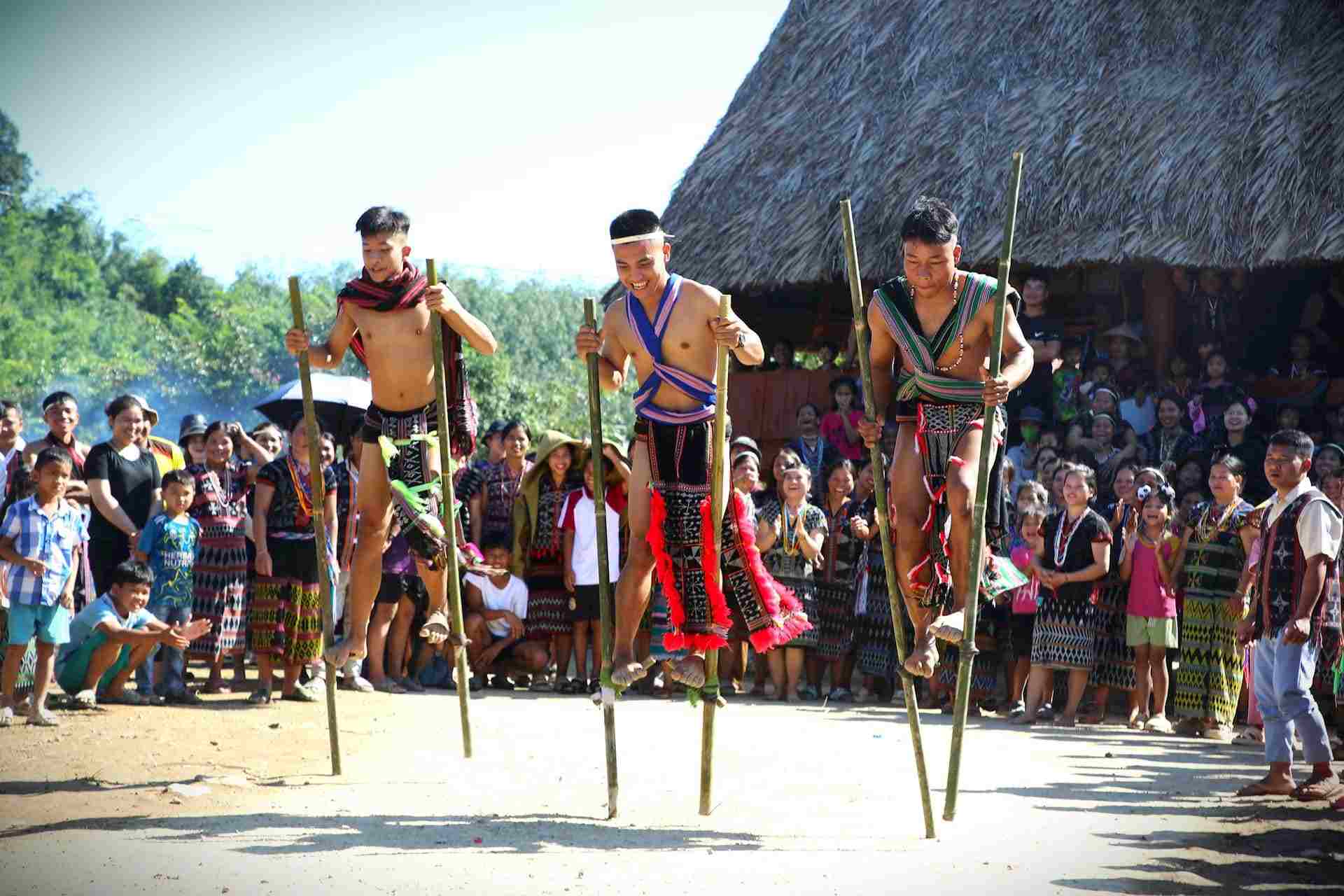
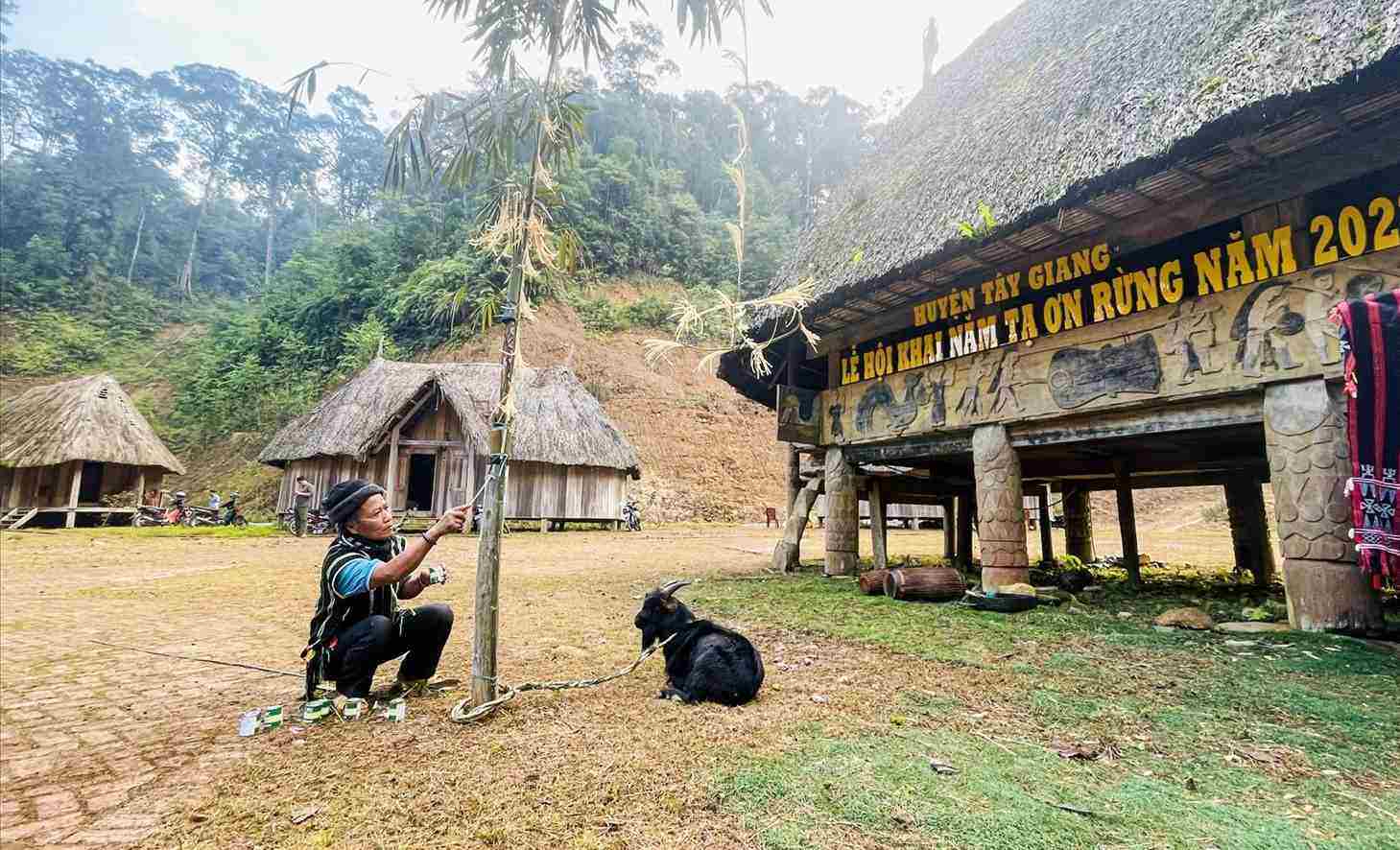
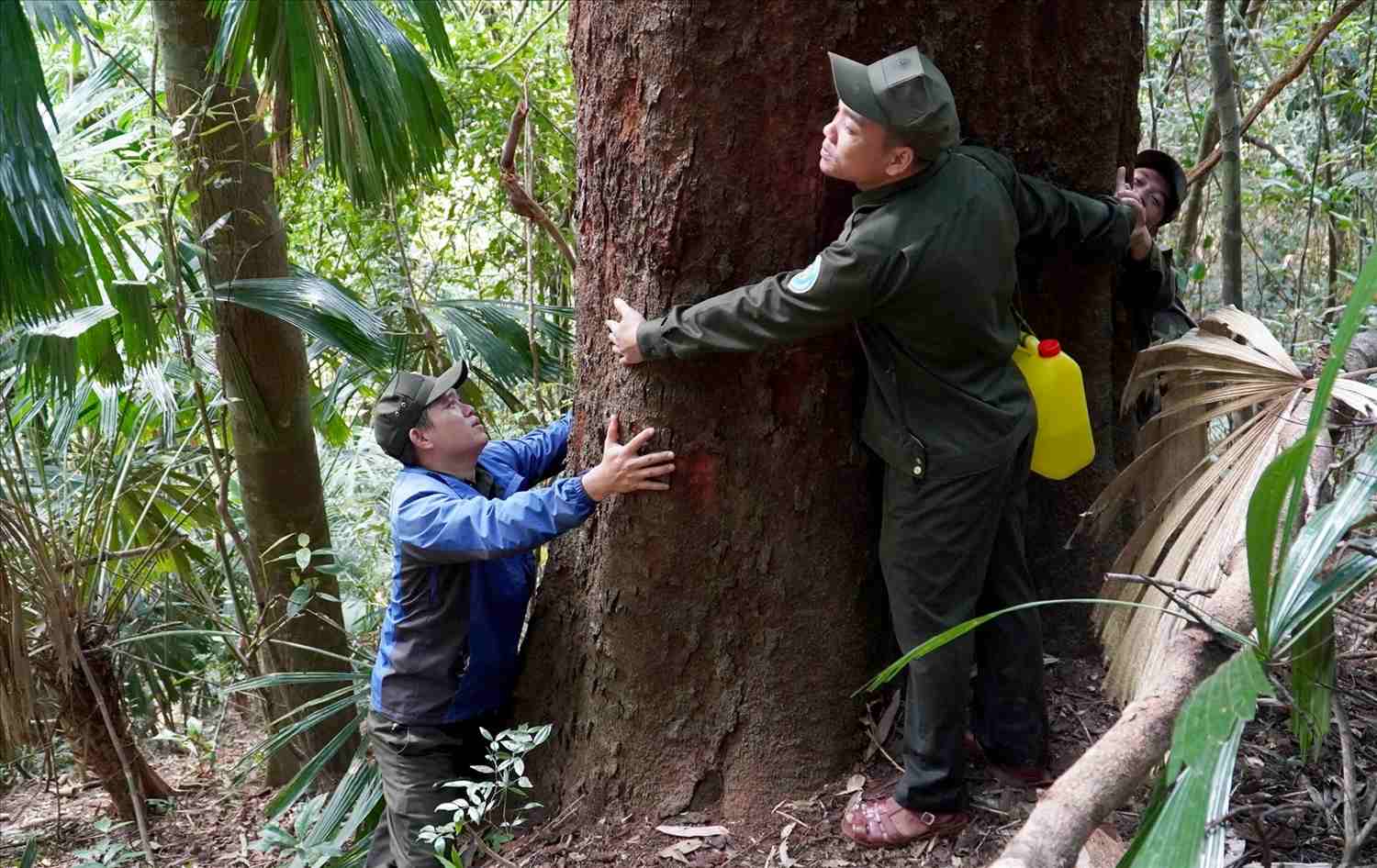
Also from that creative spirit, the Tay Giang area has developed the "Thank You Forest" Festival. This is not only a cultural - tourism product, but also a reminder of the close relationship between humans and forests - a place to preserve water resources, preserve land, preserve culture, and keep peace. Tay Giang currently owns a complex of more than 1,200 ancient Po Mu trees, of which 725 trees have been recognized as Heritage Trees. The concept of "Wilds still in Tay Giang are developing" - Forests lost in Tay Giang are declining" is considered a guideline, emphasized by former District Party Secretary (former Tay Giang) Briu "Liec in all development orientations. That spirit helps the locality develop specific green tourism models, in harmony between conservation and exploitation.
More than 130 Co Tu villages are newly planned on "uncast" hills, ensuring convenience and safety against the risk of flash floods and landslides. In the primeval forest canopy, many valuable medicinal herbs are developed, creating sustainable livelihoods for the people. This is the clearest proof that environmental protection can be associated with economic benefits, creating attractive tourism products while still preserving nature.
In the context of global climate change becoming a serious challenge, maintaining a large forest area like the west of Da Nang is meaningful not only for the locality but also for the international community. From the period of 2021 to 2025, Quang Nam (old) has focused on forest protection. With nearly 500,000 hectares of forest, coverage of more than 60%, each year Quang Nam calculates, it can create about 1 million carbon credits. According to the pilot project on forest carbon credit trading, if the transaction is successful, the revenue can reach about 130 billion VND per year - much higher than the revenue from forest environmental services.
But the greatest value is not just in money. That is the ability to preserve forests, reduce emissions, and contribute to global efforts to respond to climate change. This is also a way to build a national brand with ecological and humanistic values. When the forest is well protected, forest tourism also thrives, such as the "A day of forest rangers", trekking, mountain climbing tours... are both experiential and create awareness of forest protection for tourists.
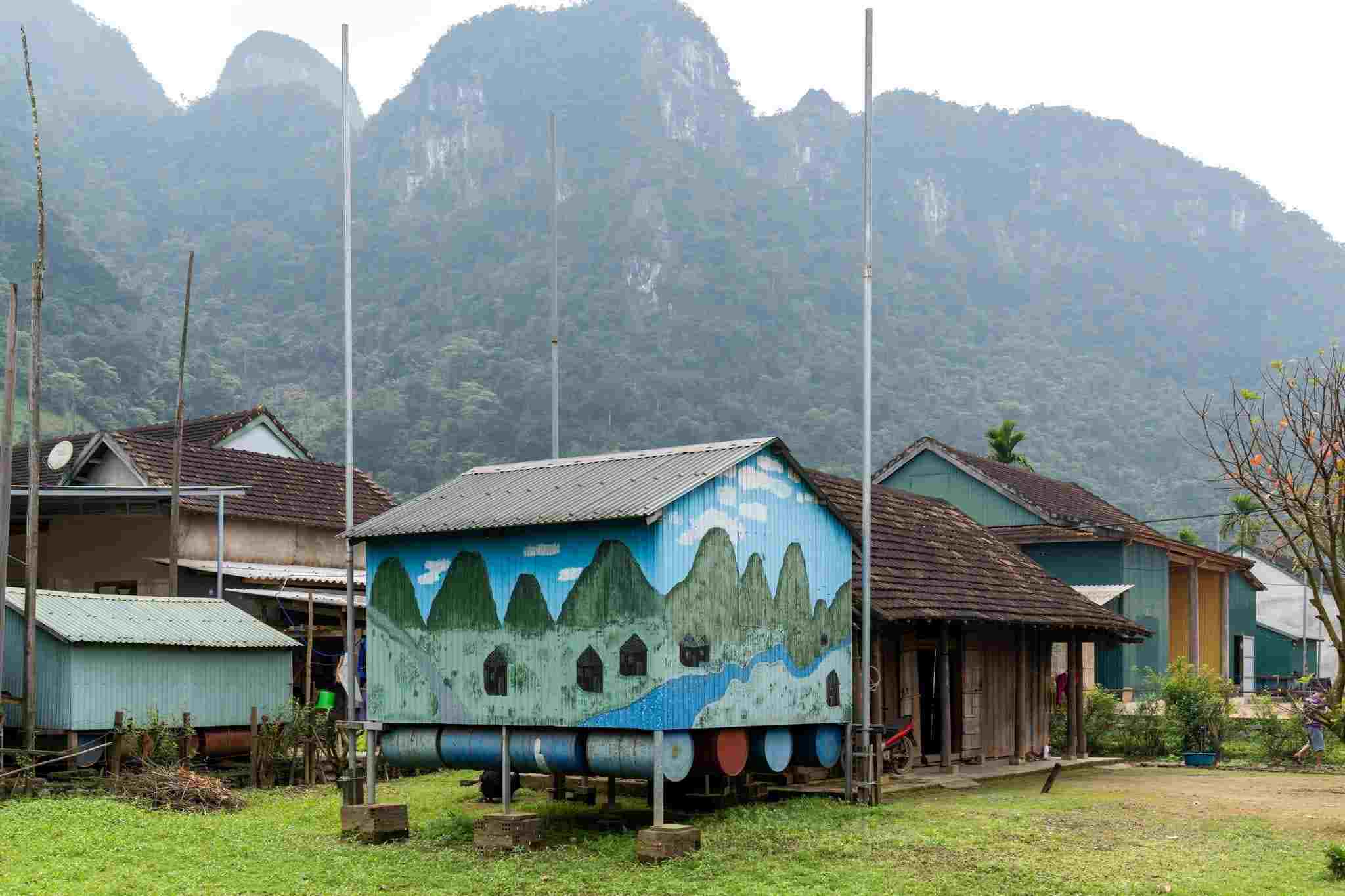
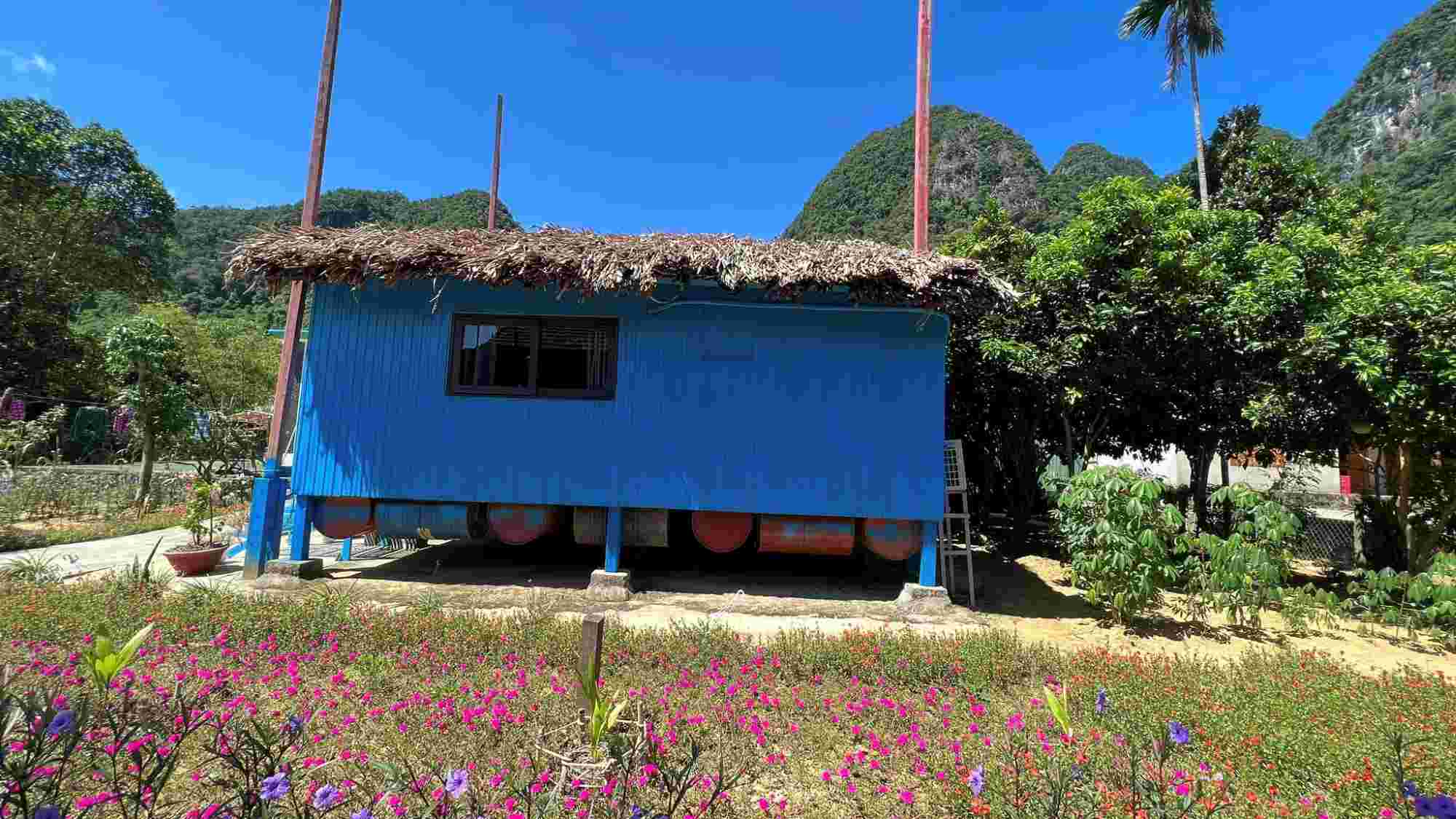
The success story of Tan Hoa, Quang Tri province (old Quang Binh) - which was honored by UNWTO as "World's Best Tourist Village" - is a typical example of the power of community creativity and a favorable lifestyle. From floating houses that were used only to avoid floods, people and businesses have turned into unique homestays. Tourists sleep on the water even during the flood season, creating unique tourism products that no other place has. This creativity helps a low-lying commune become an internationally famous destination, contributing to stabilizing the lives and developing the economy for people in poor areas.
Following Tan Hoa, Tra Que vegetable village, Hoi An, Da Nang city was also recognized by UN Tourism as "Best Tourist Village in 2024". Tra Que village has 202 households growing organic vegetables on an area of 18 hectares, bringing a stable source of income. Tra Que not only attracts tourists by growing traditional vegetables, but also preserves a system of historical relics, folk festivals and typical cuisine. This is a typical model of agricultural tourism - ecology, where people both preserve culture and develop a sustainable economy.
Solving difficulties with policies - paving the way for green tourism development
However, traveling on agricultural land is not an easy story. People are very creative, knowing how to take advantage of fields and barren gardens that have lost production capacity to convert the purpose from cultivation to tourism and services. Immediately violate regulations on land use.
In that context, many localities have proactively removed legal obstacles to facilitate the development of agricultural tourism and experiential tourism models. In Da Nang (old), Resolution 82/NQ-HDND and decisions of the City People's Committee at the time of 2023 have allowed a pilot exploitation of tourism services on agricultural land within the planning scope, clearly stipulating the construction density and committing to demolition when the State reclaims land. Thanks to that, businesses are confident in investing, people have new livelihoods, and create a stable source of income.
Similarly, in Hoi An, Da Lat, Lam Dong issued temporary regulations on agricultural tourism, creating a legal corridor for the "agriculture - tourism - service" model to develop strongly. When the Government approves the Rural Tourism Development Program (Decision 922/QD-TTg), localities will have more grounds to expand models suitable to local conditions.
This is a flexible way of government, creating conditions for people not to abandon their land, but ensuring strict state management, avoiding encroachment, illegal construction, rampage and loss of control. Importantly, these policies have contributed to giving people in poor areas the opportunity to make a living, escape poverty and have faith in the future.
Live in harmony, towards sustainable development
Models in Hoi An, Tay Giang, Nam Tra My, Da Nang, Lam Dong or Quang Tri all show that when people know how to live in harmony with nature, considering resources as a valuable source of capital for protection and regeneration, the local economy can develop quickly and sustainably. Green tourism is not a story of "respect" or "popularity", but an inevitable direction to reduce pressure on the environment, create long-term livelihoods for people in disadvantaged areas and meet global development trends.
From the old Tay Giang forest, Ngoc Linh ginseng hill, Tan Hoa pontoon village to Tra Que vegetable field, all share the same story: preserving nature is preserving the future. When people are given opportunities, supported by appropriate policies and encouraged by their own cultural values, they will create unique green tourism products, contributing to shaping the image of Vietnam - a green, responsible and sustainable destination.