
Green forests, people's lives change
Since the "Forest Guardians" model was implemented, Thanh Phuoc forest (Phuoc Hoa hamlet, Thanh Phuoc commune, Vinh Long province) has been preserved, becoming a valuable source of life, helping people confidently make a living, eliminate difficulties and nurture hope for the future.
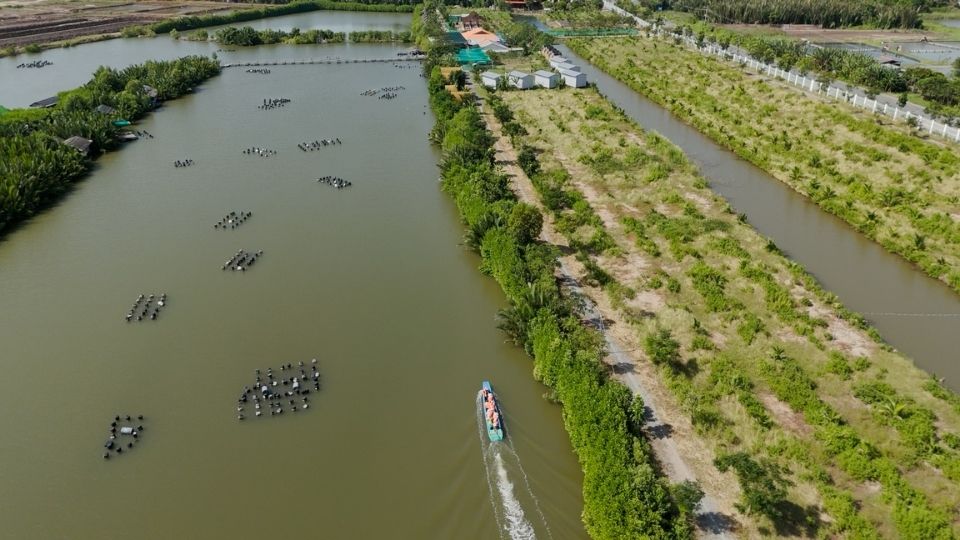
Participating in this model, households are instructed on sustainable seafood exploitation, with stable output 10% higher than the market, while participating in eco-tourism, introducing forests and receiving additional revenue from experience services. The forest is gradually becoming an attractive eco-tourism space. Visitors can learn about mangrove forests, participate in seafood exploitation with local people and enjoy fresh seafood on the spot - all of which contribute to increasing income and increasing the value of the community economy.
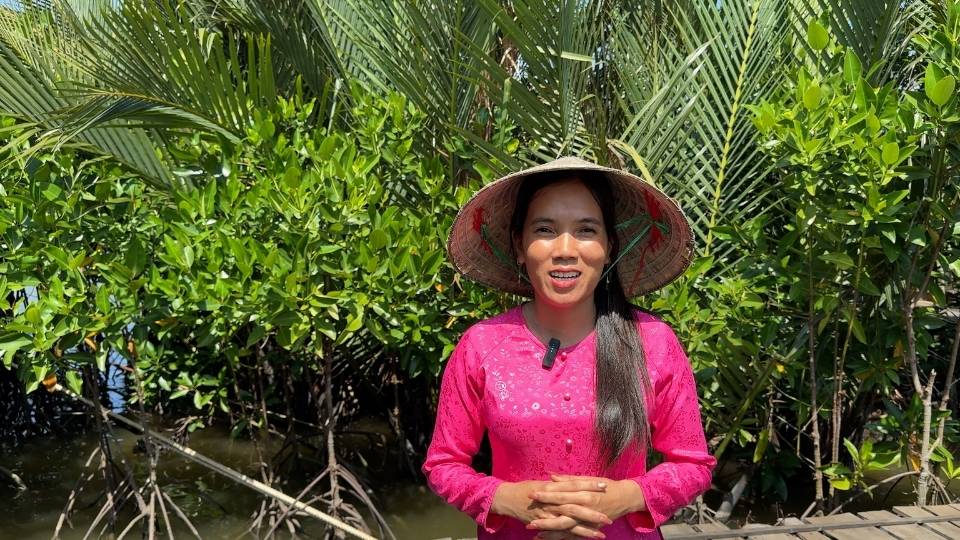
During the groups, Lao Dong Newspaper reporters recorded the excitement when visitors could pull nets, dig crabs, observe animals and plants, thereby raising awareness of nature protection. Ms. Nguyen Thi Trang, working at the tourist destination "The Forest Protection personality", said that before, she had almost no stable job, unstable income, and a worrying life. When participating in the model, she had a regular job, earning 6 - 7 million VND per month, both protecting the forest and serving customers.
The job required Ms. Trang to learn aquaculture techniques, guiding customers and how to organize activities so as not to affect the ecosystem. Thanks to that, the products are consumed evenly, and family life has improved significantly.
Ms. Trang's working day is associated with the forest: organizing experiential games, instructing children and visitors on how to identify creatures, introducing the role of mangrove forests in preventing erosion and protecting the environment. "The good thing is that the whole hamlet recognizes the benefits of the forest. A awareness of forest protection has increased, children have participated in environmental activities more, and community cohesion has also been stronger, Ms. Trang shared.
The story of Ms. Tran Thi Dung, an aquaculture household combined with a forest point, also reflects a similar change. Previously, her family was often worried because of unstable output, low prices, and unstable income. Since the connection with the "Forest Guard" score, everything has gradually changed.
Crab and clams have stable output, she is instructed in sustainable farming techniques, reducing the risk of rainfall, and limiting damage caused by price fluctuations. Thanks to that, the family's economy became stable, and financial pressure decreased significantly. Not only that, many households have coordinated to build connecting tourism routes, creating common benefits, and forming a sustainable product network. Thanks to that, income is stable all year round, the environment is protected and the economic value of the region increases.
According to Ms. Dung, the model also creates a strong forest protection movement, supporting disadvantaged households to have more jobs, increase income and effectively reduce poverty. In addition to seafood, households are also guided to combine experiential services such as rowing boats, picking fruits, guiding tourists to take photos and learn about the ecosystem. "Many households now have savings, their lives have improved significantly, they have less debt, and have more conditions to take care of their children. Poverty reduction associated with environmental protection is sustainable development, said Ms. Dung.
Stable income, children have a future
Talking to reporters, Mr. Nguyen Tan Vang - the focal point of "Forest Caretaker" - said that the model is aimed at a dual goal: both protecting mangrove forests and creating sustainable livelihoods, while raising public awareness of natural values. The current results, from increased income, better preserved forests to the formation of linked tourism routes, show directions suitable to actual conditions and bring clear benefits to local people.
Through many field observations, the reporter has noticed clear changes in people: proactively planting trees, taking care of aquatic products, guiding visitors and introducing models to student groups, contributing to strongly spreading the spirit of forest protection. We continue to improve management, expand connections with fruit gardens and neighboring tourist attractions, to create more jobs, increase income and spread the sustainable value of mangrove forests, Mr. Vang shared.
Not only increasing income, the model also directly affects each family. Mr. Nguyen Minh Phuc said that before, his family lived precariously thanks to shrimp farming, had an unstable income, and had difficulty taking care of their children's education in college. Since joining the associated tour route, Mr. Phuc has had more income from guiding guests, selling seafood and experiential services. "Thanks to a stable income, my daughter is studying at university in Ho Chi Minh City, something I almost never dared to think about before," Mr. Phuc shared.
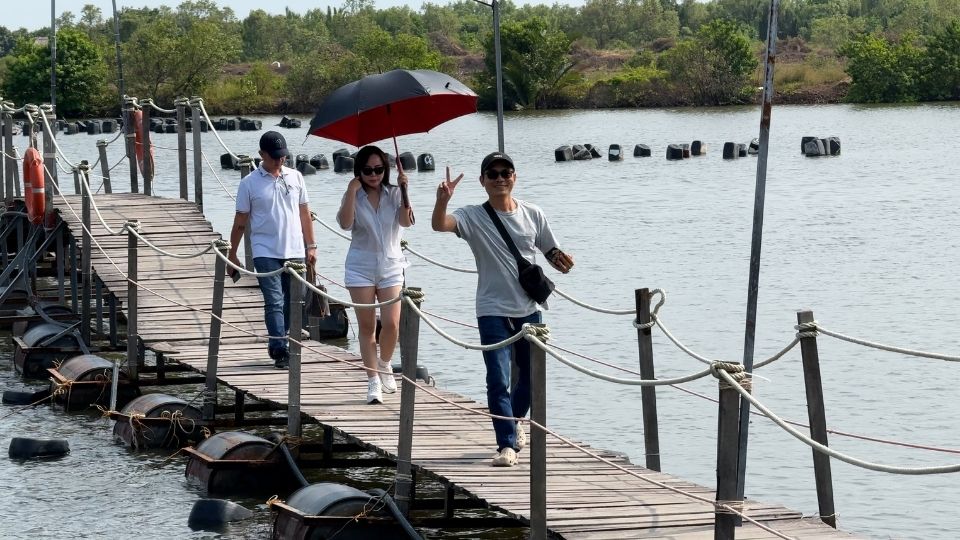
Similarly, Ms. Nguyen Thi Thu - a former disadvantaged household in the commune - said that thanks to the connection with the "Forest Guard" point, her family escaped the situation of being lacking in both before and after. She participates in serving customers, rowing boats, introducing forests and sub-selling local specialties. "A steady income helps me pay off debts, renovate my old house and take care of my two children's education to be more complete. The important thing is to live near the forest but not be as poor as before," Ms. Thu confided.
According to the reporter's observations, stories like Mr. Phuc or Mrs. Thu are no longer isolated. Many households thanks to the model have accumulated assets, raised children for education, improved their houses and become more confident in developing long-term livelihoods associated with the forest. These impacts go beyond a typical tourism model, both helping to protect nature, improve people's lives and opening up a sustainable development direction for the local community.
The value of spreading in the community
Talking to us, Ms. Nguyen Thi Ngoc Dung - Deputy Director of the Department of Culture, Sports and Tourism of Vinh Long - said that the "Forest Caretaker" Thanh Phuoc is a typical model, both contributing to protecting mangrove forests and connecting experiential tourism, creating more jobs and increasing income for many households. The Department will continue to guide skills in community tourism management, exploitation of products from forests, organizing experiential activities for tourists and promoting destinations, while encouraging the community to participate in tourism combined with sustainable exploitation.
According to Ms. Dung, linking the locations to create a unified and convenient experience route for tourists, increasing economic value and protecting the environment in the long term, while helping women, young people and poor households have stable jobs, improve their lives and increase their income. The model is also associated with environmental education, guiding students and tourists to clearly understand the value of forests, raising public awareness in nature protection, while helping people learn tourism management skills, product marketing, organizing games for visitors to experience.
Thanks to that, people not only have stable income but also develop long-term livelihoods associated with forests, improve their houses, raise children to study and escape poverty. The model creates a spillover effect, enhancing the role of the community in forest protection and sustainable economic development.
With its value, Thanh Phuoc mangrove forest has become a typical example of community linkage, sustainable product exploitation, combined with aquaculture, fruit tree planting, income increase and improve life. Environmental protection, community tourism development and people's income improvement are being implemented simultaneously. The model has proven a sustainable, cooperative direction, building a green, rich and even Vinh Long, while contributing to improving the quality of life, creating job opportunities for the community and maintaining long-term ecological balance.


