
The alley together through the epidemic season
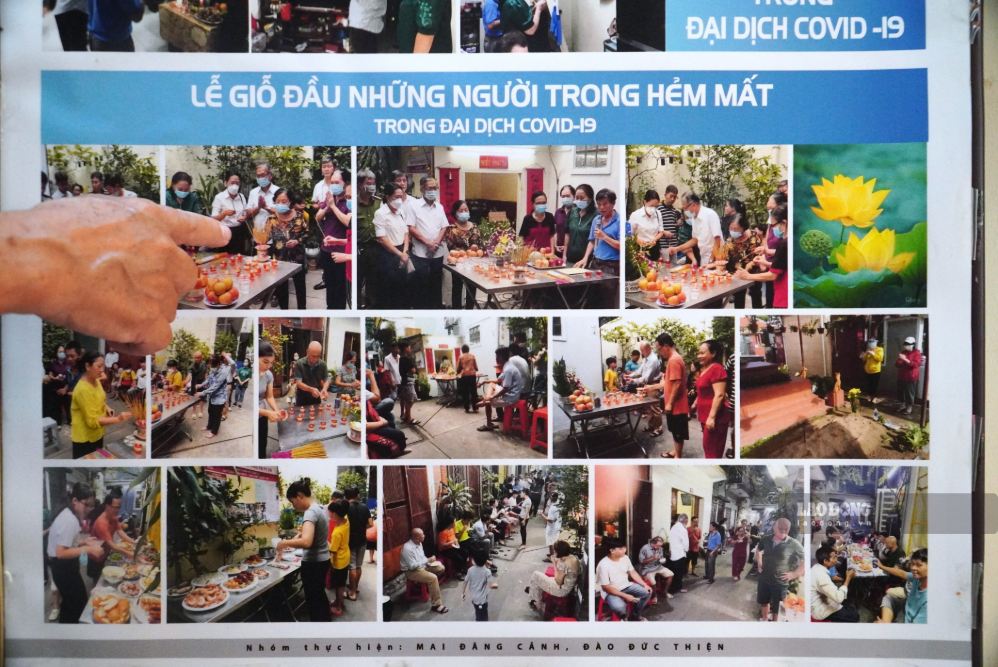
This year's July of the lunar calendar, people in Quarter 6, Tan Dinh ward gathered around the common altar placed in front of Ong Ta temple. On the table were placed flowers, fruits and 14 candles symbolizing 14 people in the alley who died in the COVID-19 pandemic.
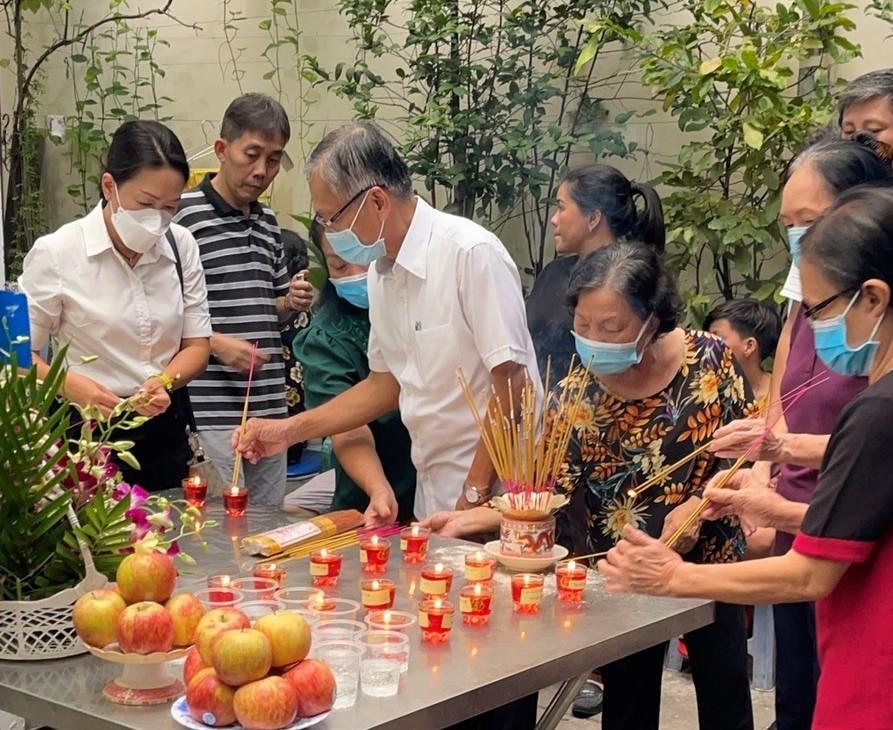
The ceremony was held right in the familiar alley. The atmosphere was solemn but not too gloomy. Older people sat next to each other chatting, young people were in charge of sound, placing tables and chairs, preparing offerings. Each family contributed a little, some brought flowers, some sent fruit, and some provided financial support.
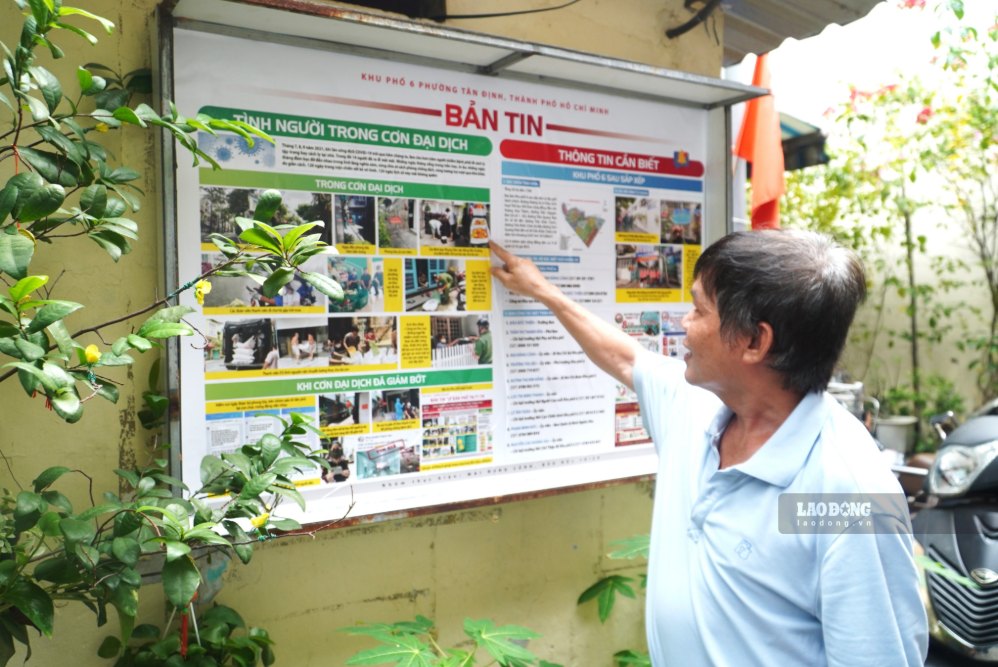
Mr. Dao Duc Thien - Head of the Front Work Committee of Quarter 6 said that that connection was built up from the most severe epidemic days.
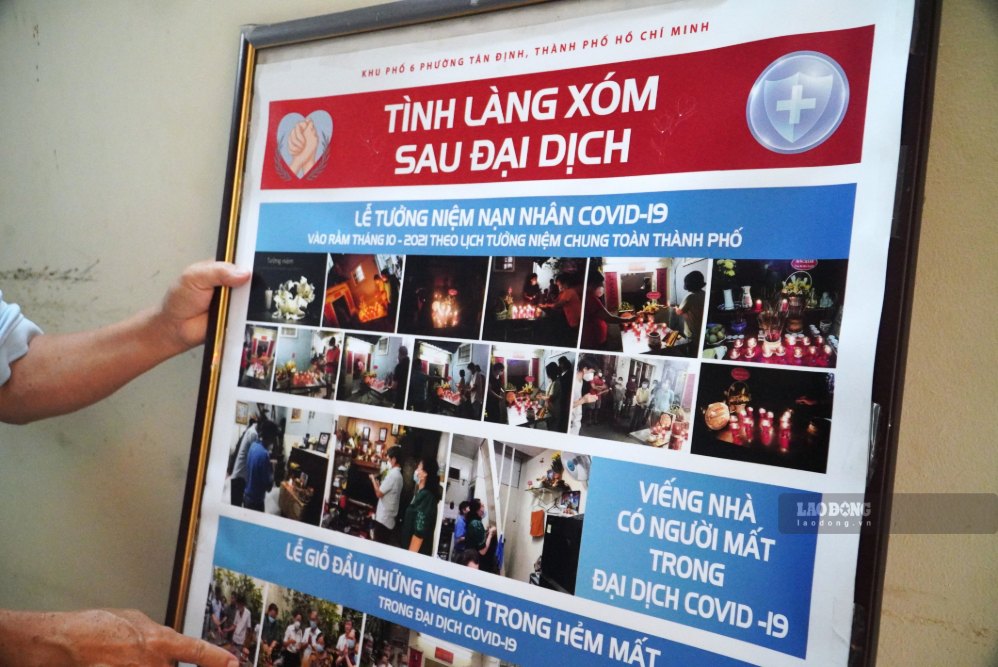
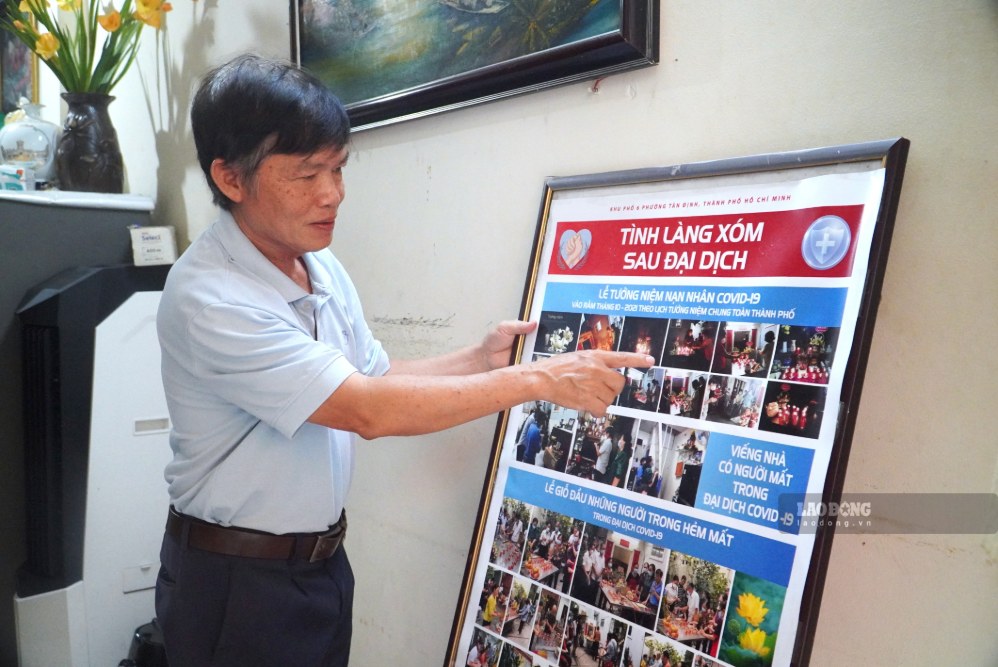
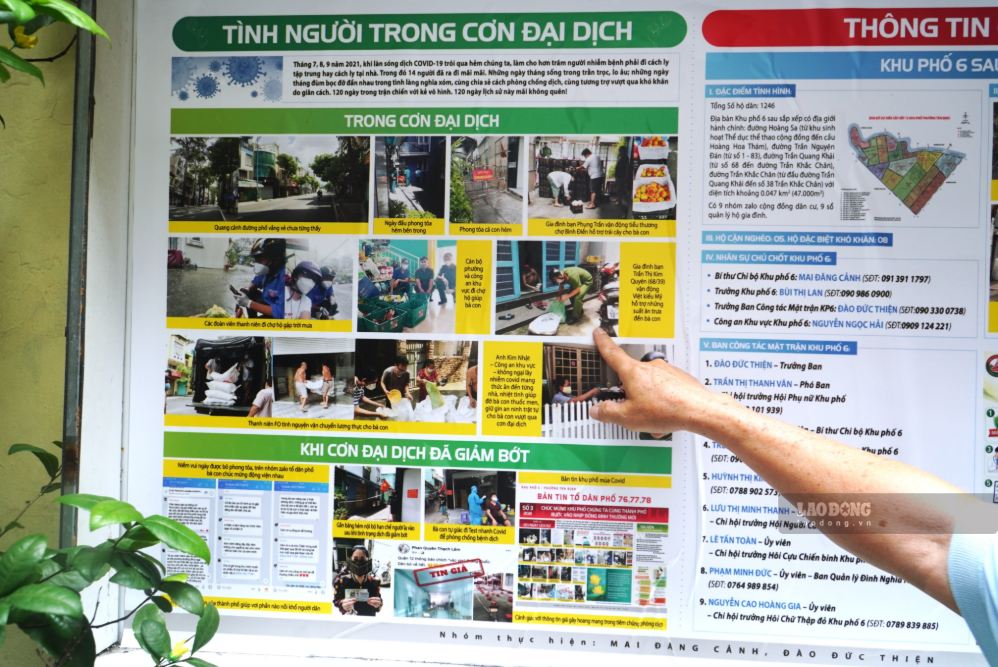
Before the epidemic broke out, Mr. Thien and the female head of the residential group went to each house to ask for phone numbers to establish a Zalo group, helping to conveniently notify and limit contact. However, just a few days later, the female head of the group passed away. Mr. Thien replaced her to take on the work of the head of the group, coordinating most of the epidemic prevention and control activities through the Zalo group.
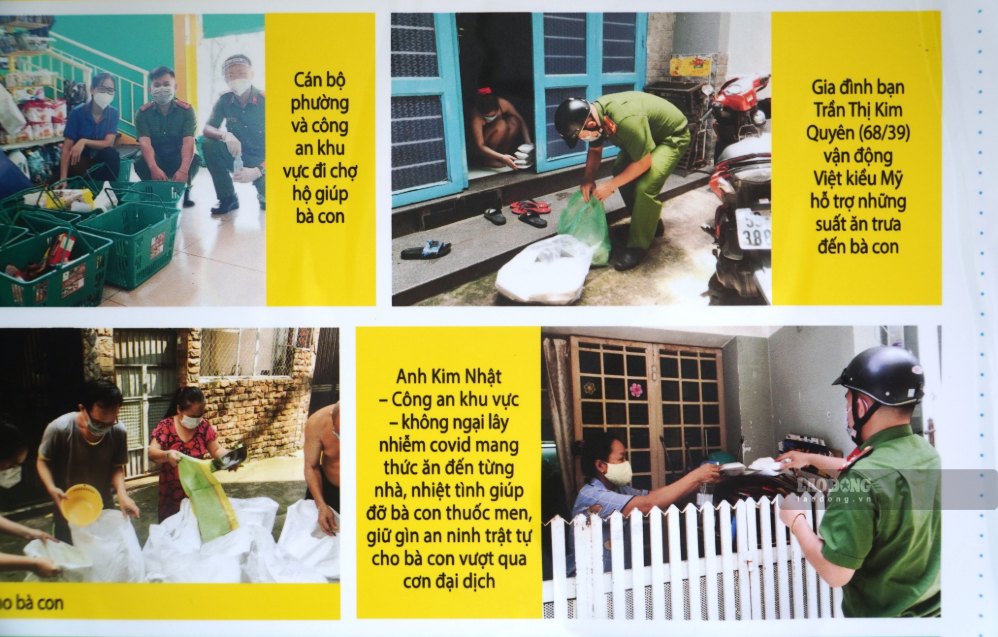
From a place to exchange work, the Zalo group gradually became a bridge for the whole neighborhood. Anyone who is short of food, needs an oxygen cylinder, needs support to go to the market or has health problems sends messages to the group. People with experience in caring for people with COVID-19 share how to monitor blood oxygen levels, and people with vegetables, rice, and food are sent to each house.
In the most difficult times, people get closer to each other. We can't go to each other's houses to ask, but through the chat group, people still know who is sick, which house needs help. That feeling still exists now," Mr. Thien said.
Keeping warm for the "big house
On the 15th day of the 10th lunar month of 2021, when Ho Chi Minh City organized a memorial ceremony for compatriots who died and officers and soldiers who sacrificed in the pandemic, people in the alley also set up a common altar in front of Ong Ta temple.
On the altar, there are 14 candles with the names, addresses and dates of death of each person. People voluntarily bring flowers, cakes, and fruits to contribute. Families with deceased relatives light incense together, then sit down to chat, mentioning the days when the whole village shared each bag of vegetables and rice.
In July of the lunar calendar in 2022, the first common death anniversary was organized according to the wishes of the people in the alley. After that time, worried that regular donation mobilization would bother people, Mr. Thien proposed to organize it once every 5 years.
However, the people in the alley still did not hesitate. And in July of the lunar calendar 2026, the people themselves proactively reminded Mr. Thien to continue the death anniversary. Each person contributed 20,000 VND, 50,000 VND or 100,000 VND at their strength. Hearing the news, many people who used to live here and now have moved to other places or settled abroad also voluntarily sent money back to join hands.
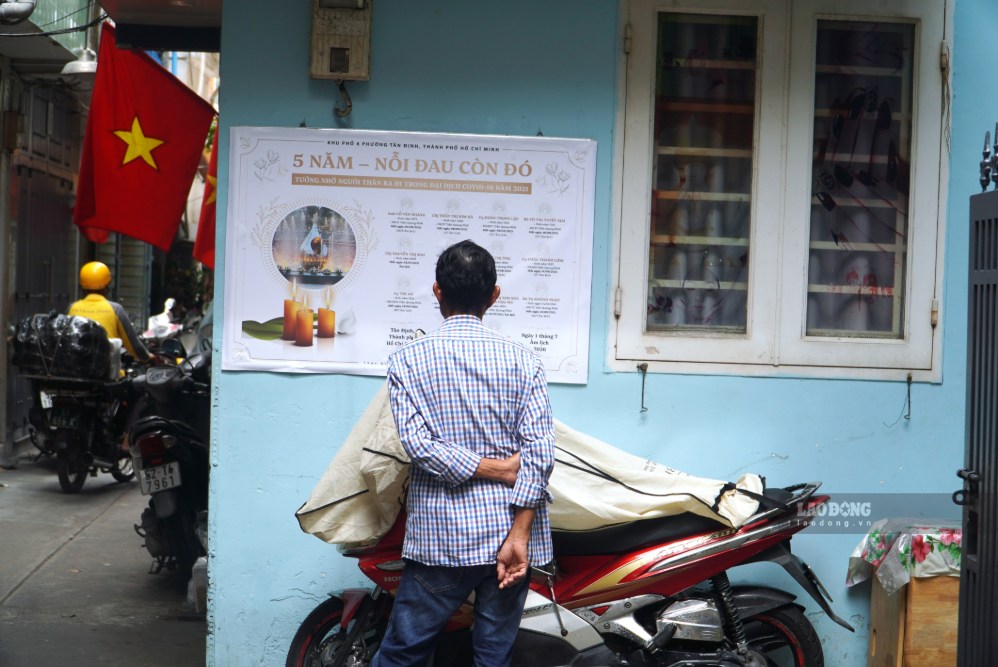
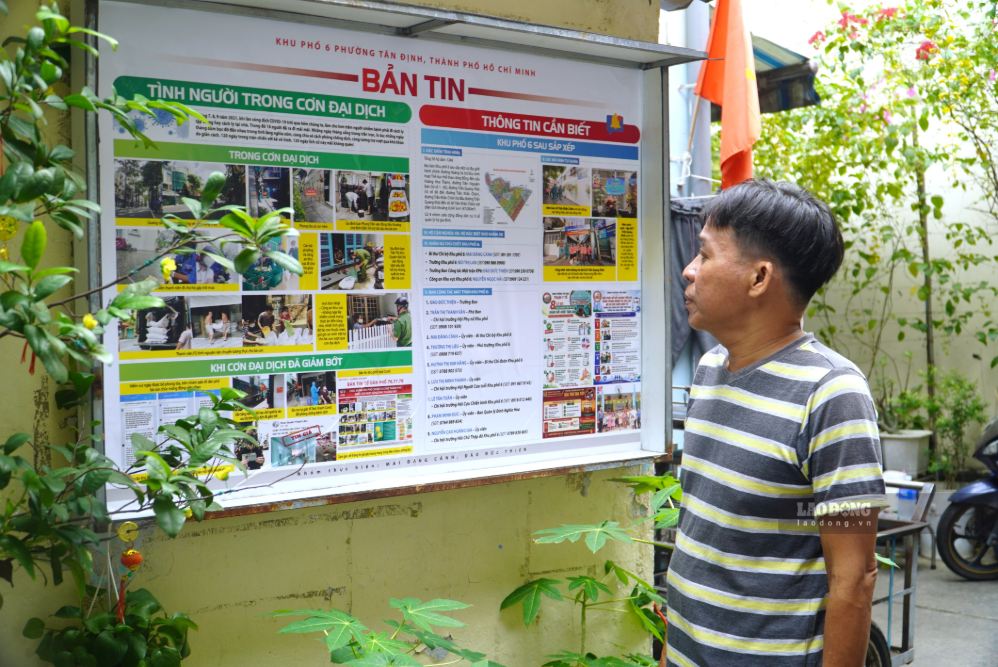
Mr. Phan Van Thuan, a resident in the alley, said that his family has no deaths from COVID-19, but the memories of the pandemic and neighborly affection are still unforgettable.
Many people are taken by car and then do not return, relatives do not have time to meet for the last time. Therefore, people burn incense to commemorate them. This is also village and neighborhood affection," Mr. Thuan said.
After the death anniversary, the plaque with the names of 14 people was kept until the end of July of the lunar calendar. According to Mr. Thien, since the common death anniversary ceremony, people have become closer, and difficult stories from before can also be easily shared. The alley is therefore not only a common walkway between houses close together, but has become a "big house".


