
After 6 months of putting into operation the Intelligent Traffic Control Center, with a system of 1,837 AI cameras installed at 195 intersections in Hanoi, it has shown clear effectiveness in traffic control and violation handling.
According to the Traffic Police Department (CSGT) of Hanoi City Police, so far the unit has established 22 "green wave" routes, and at the same time adjusted the traffic light cycle according to the actual traffic volume at all 195 intersections with AI cameras installed.
Flexible signal control helps traffic capacity at intersections increase from 4-18%.
Like on Hue Street - Hang Bai, when we move, we almost don't have to stop at a red light at any intersection if we maintain the appropriate speed, from about 25 - 30km/h", Lieutenant Colonel Pham Quang Minh - Deputy Head of the Traffic Command and Traffic Light Control Team (Hanoi Traffic Police Department) shared.

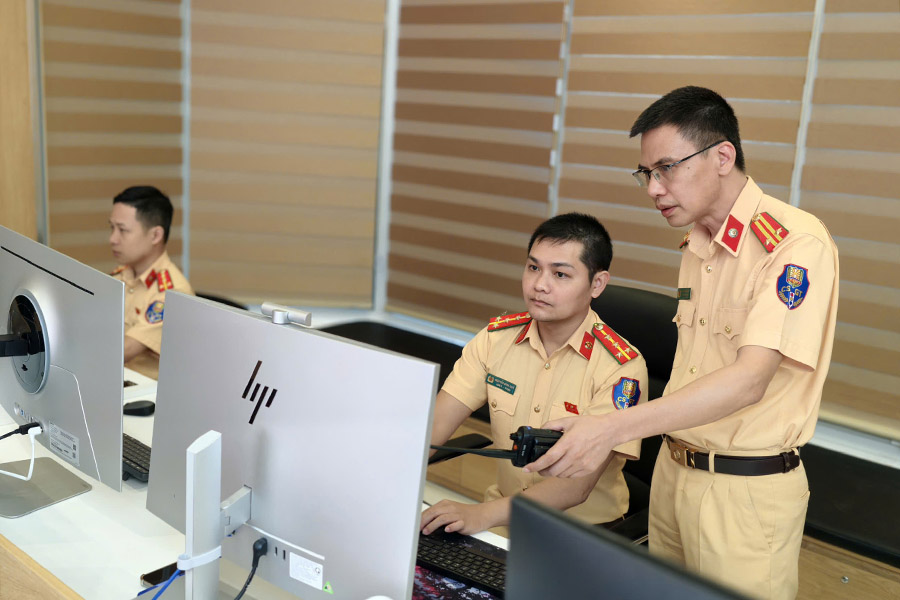
Not only supporting traffic regulation, the AI camera system also becomes a powerful "assistant" for the traffic police force in detecting and handling violations that are direct causes of congestion and traffic accidents such as running red lights, going in the wrong lane, using phones when driving or not wearing helmets...
Representatives of the Hanoi Traffic Police Department said that the data collected from the system has also supported the handling of 5 traffic congestion points, including 2 congestion points; and automatically adjusted the traffic light cycle on 22 streets. Thereby contributing to improving the efficiency of traffic infrastructure exploitation, reducing congestion pressure and gradually improving the awareness of law compliance of traffic participants.
Based on the achieved results, the Hanoi Traffic Police Department is coordinating with units to implement phase 2 of the project according to the plan of the City Police.
In this phase, the system will be supplemented with 2,460 AI cameras, including cameras for handling traffic order and safety violations, cameras for measuring traffic flow, cameras for observing the entire scene of intersections, PTZ cameras to serve security and order assurance, and speed violation cameras.
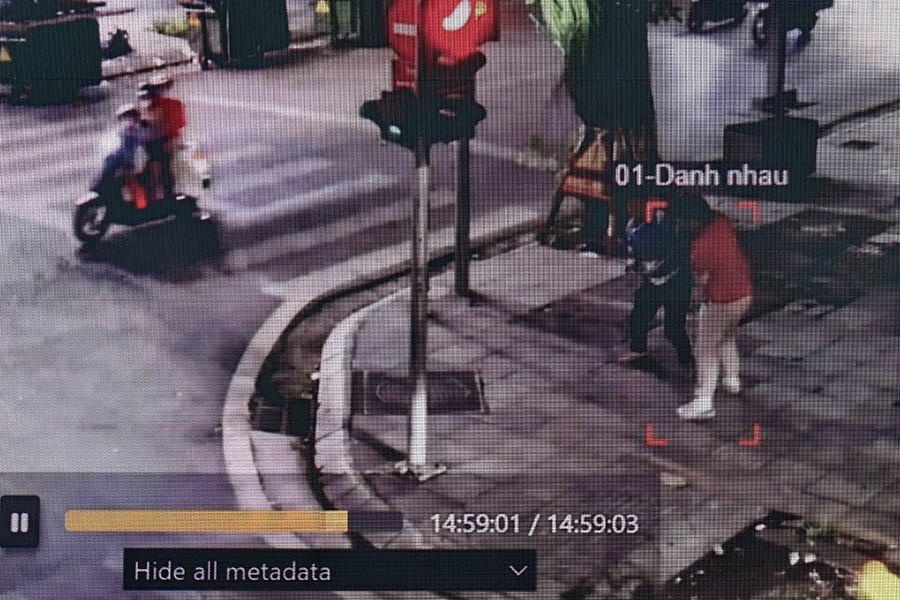
In parallel with expanding the camera system, the project will also complete technical infrastructure with 57 servers, 36 electronic traffic information boards (VMS), 100 smart traffic signal control cabinets, 930 camera columns, 475km of fiber optic cable and 136km of power cable at 238 key intersections, along with an operating software platform and data processing using artificial intelligence.
When phase 2 is completed, nearly 5,000 AI cameras will be connected to the Command Center, meeting more than 50% of Hanoi's traffic management needs.
The system not only helps to operate traffic in real time, automatically optimize the traffic light cycle and support the detection and handling of violations, but also increases the ability to analyze data and forecast points at risk of congestion early to promptly organize traffic diversion and regulation.
According to the Hanoi Traffic Police Department, in addition to the transportation sector, the AI camera network is also expected to effectively support urban order management by detecting acts of encroachment on roads and sidewalks, improper parking, gathering materials and waste in improper places, and many issues affecting urban aesthetics.
Data formed from nearly 5,000 cameras will create a big data platform, serving command, operation and support for functional forces in urban management, towards building an increasingly civilized, modern, safe and smart Capital.


