
According to Can Tho City People's Committee, the total volume of solid domestic waste collected and treated in the city is about 1,200 - 1,712 tons/day with a collection and treatment rate in urban areas reaching 96.76%, completing the set plan.
For waste burning for electricity generation, the Can Tho Solid Waste Treatment Plant (domestic waste) invested by EB Energy and Environment Co., Ltd. (Can Tho) receives a total of about 529 tons/day of domestic solid waste (4 districts: Ninh Kieu, Binh Thuy, Cai Rang and Thoi Lai) of the old Can Tho City.
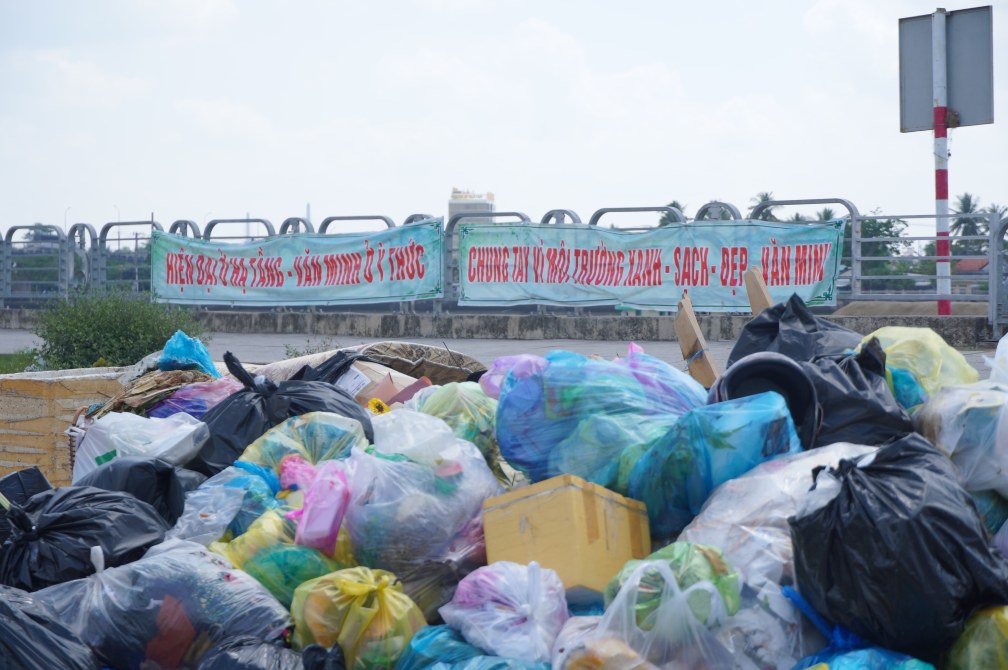
Waste burning for electricity at Hau Giang Waste Power Plant is received and treated by Greenity Hau Giang Co., Ltd. (investor) for all domestic solid waste collected in Hau Giang province (old) with an average volume of about 160 tons/day.
Burning waste (without energy recovery) of Minh Thong Trading Service Co., Ltd., receiving a total volume of domestic solid waste of about 148.35 tons/day from 5 districts (old): O Mon, Co Do, Vinh Thanh, Phong Dien and Thot Not.
The composting of Compost fertilizer, Soc Trang City Solid Waste Treatment Plant (old) is invested by Soc Trang Urban Works Joint Stock Company (investor) with a designed capacity of 320 tons/day, of which, solid waste treatment with organic components with a capacity of 100 tons of organic waste/day and burial of about 215 tons of domestic solid waste/day from old localities such as: Soc Trang City, Vinh Chau Town, My Xuyen Town, Tham Don commune, Dai Tam commune.
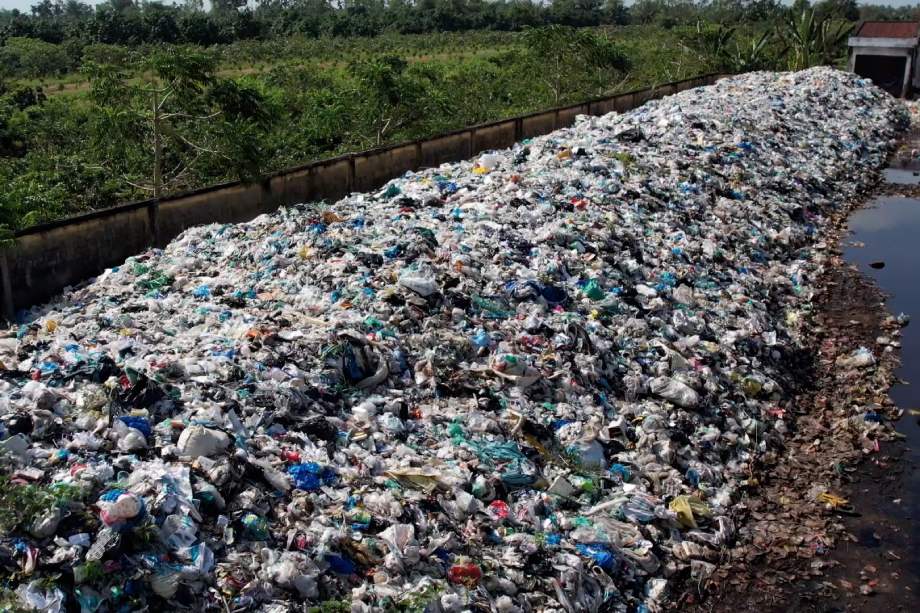
Currently, the whole city has 29 open landfills, with a total collection volume of about 157 tons/day, and a total amount of accumulated waste of about 100,000 tons.
Currently, there are 5 old solid domestic waste landfills in the area that have stopped operating but still accumulate a large amount of waste: Landfill No. 8 in Cai Rang district (old), area of about 42,943m2, waste volume estimated at 400,000 tons; Solid waste treatment area in O Mon district (old), area of 47 ha, estimated at 41,000 tons; Solid waste treatment area in Dong Thang commune, Co Do district (old), area of 6.02 ha, estimated at 700,000 tons (buried on 11 storage cells with an area of 18,000 m2); landfill in Trung Kien commune, Thot Not district (old), area of 17,000 m2, estimated at 60,000 tons.
Landfills with long-term landfills combined with weak soil foundations can lead to landslides, especially when there are heavy rains, and many environmental problems arise. Therefore, in the past time, the Department of Agriculture and Environment has been coordinating and guiding commune-level People's Committees to have plans to prevent pollution from these landfills.
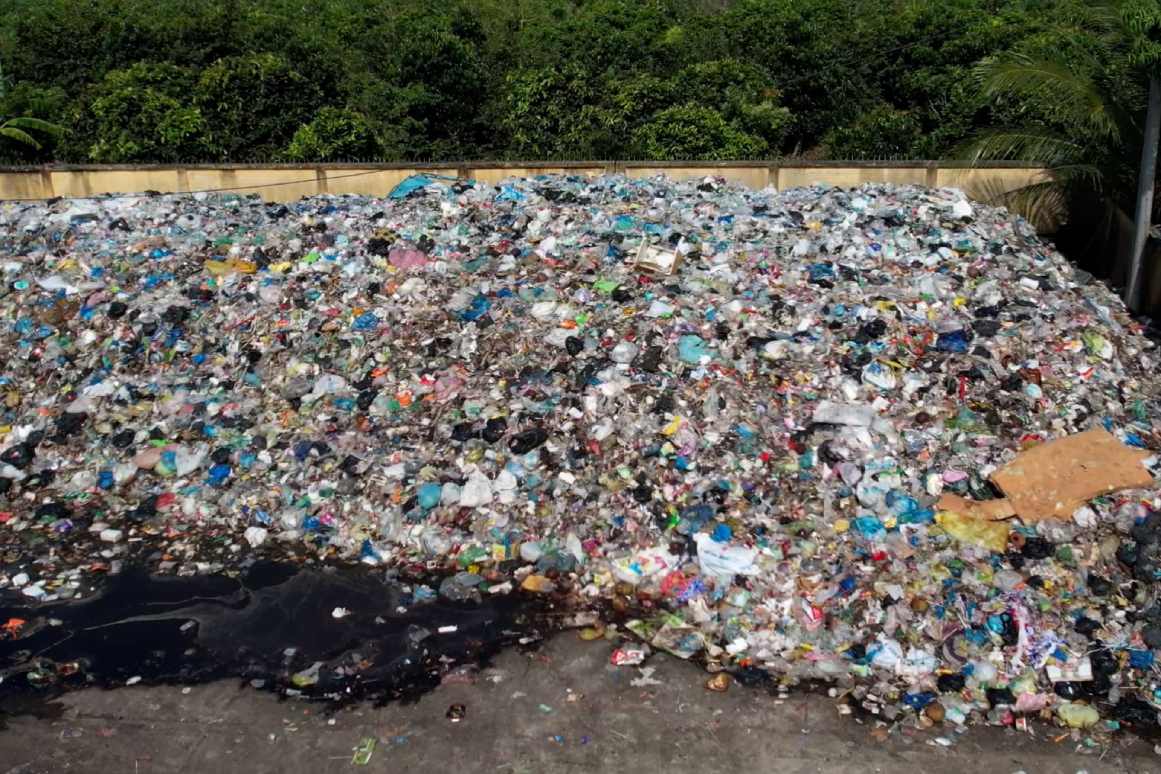
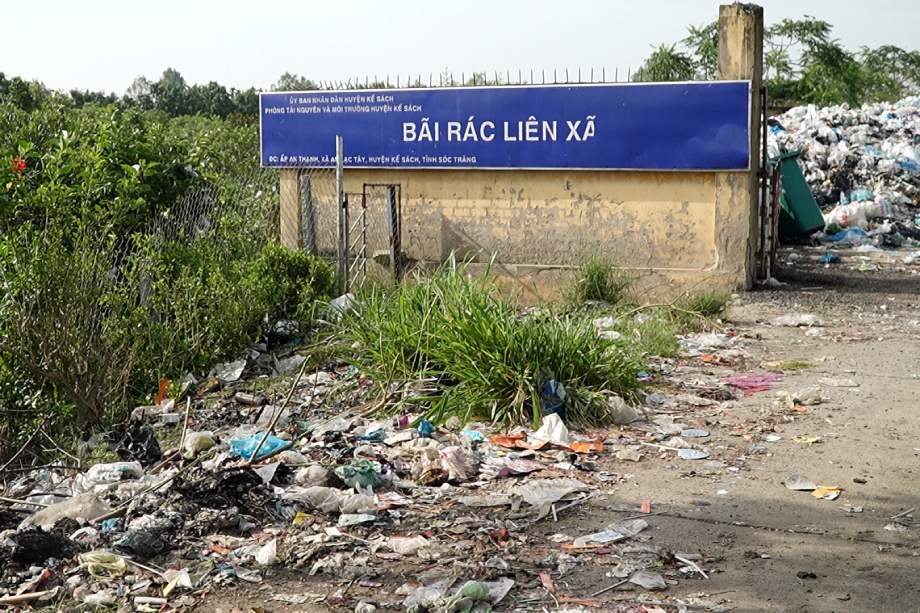
Currently, the city has 2 landfills that have closed (Hai Ngu landfill and Ward 7 landfill); there are 4 landfills that have stopped operating (An Ninh commune landfill, Chau Thanh district (old); My Quoi commune landfill and Ward 3 landfill, Nga Nam town (old); My Xuyen town landfill (old). Temporary measures to manage landfills are to cover tarpaulins to prevent rainwater seepage, spray biological products, and conduct annual periodic environmental monitoring.
There are 4 solid domestic waste landfills that have stopped operating and 1 temporary waste storage yard that has stopped receiving waste.
In addition, the city has also implemented a project to automatically collect floating waste on the river in Can Tho City funded by the Dutch Marine Cleaning Organization. The goal of implementing the pilot project is to prevent and limit floating plastic waste on the Can Tho River. The total capital of the project is about 855,941 USD, starting from the end of 2021. Since the time of operation, about 194 tons of waste on the river have been collected (as of 2025).


