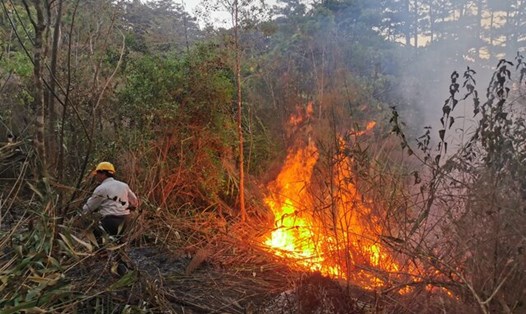
Localized water shortage forecast
According to Dak Lak Hydrometeorological Station, from now until August 2026, the ENSO phenomenon is likely to persist, causing the flow on rivers and streams to gradually decrease and be lower than the average of many years in the same period.
Currently, the water source stored at irrigation and hydropower projects in the province reaches about 87-97% of the reservoir capacity. However, in the context of a decrease in water sources, the risk of local drought and saltwater intrusion in the dry season months of 2026 may affect production and people's lives.
In the two border communes of Ia Lop and Ia R'Ve, every dry season comes, people have to save every drop of water to serve daily life and irrigation for crops.
Major Nguyen Duc Hau - Deputy Political Commissar of Ia R'Ve Border Guard Station - said that due to unseasonal rain, the area has not yet entered the peak dry season.
However, every year the unit always proactively uses the station's reserve water source to support people when they encounter difficulties. At the same time, the unit also mobilizes philanthropists to support centralized well drilling costs for the community to use together.
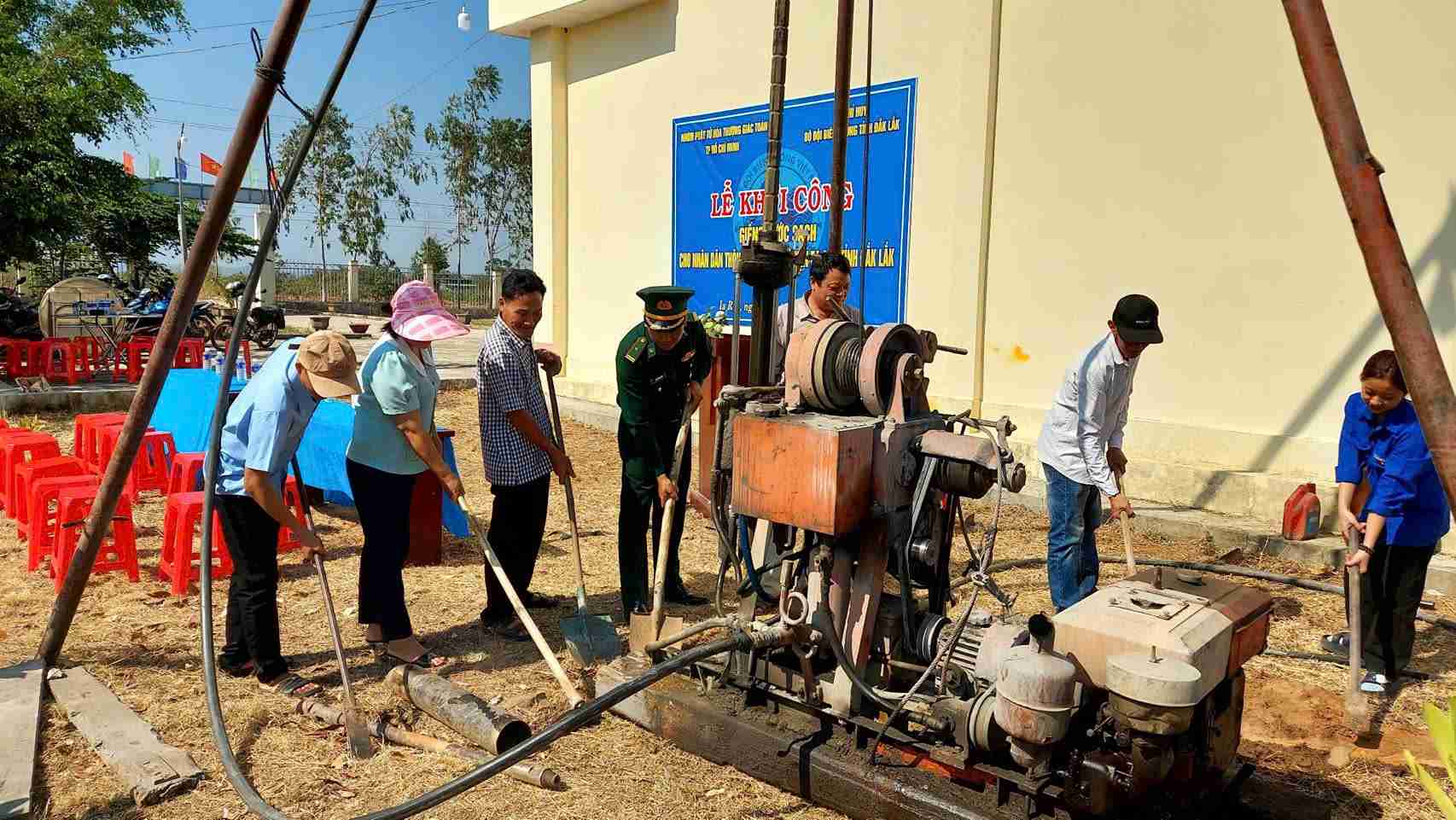
According to Major Hau, the characteristic of the area is prolonged hot weather, at the peak of the dry season, the whole commune only has one canal to draw water from irrigation works and one dam to store water for on-site cultivation, while many other reservoirs are dry.
Villages 1, 2 and 4 often fall into a serious shortage of domestic water due to the depletion of groundwater. In 2026, the unit has developed scenarios and plans to support people when localized water shortages occur in the dry season.
Mr. Nguyen Van Hoa - Chairman of Ia R'Ve Commune People's Committee - said that there are currently about 5,000 hectares of crops in the commune. Every dry season comes, people often lack irrigation water and this situation has been going on for many years but there is no fundamental solution.
The most important thing is that the province needs to pay attention to investing in more irrigation works. In addition, people also need to proactively store clean water for daily life. Local authorities will have support plans when natural disasters become complicated and prolonged," Mr. Hoa said.
Regulating lake and dam water to support drought-stricken areas
The dry season in Dak Lak usually peaks in March, April and May, especially in the western region of the province. Currently, Dak Lak Irrigation Works Management Co., Ltd. is managing 253 reservoirs, 90 dams, 18 pumping stations and 1 canal system.
Among them, 51 projects are forecast to be likely to experience drought and water shortage in the dry season.
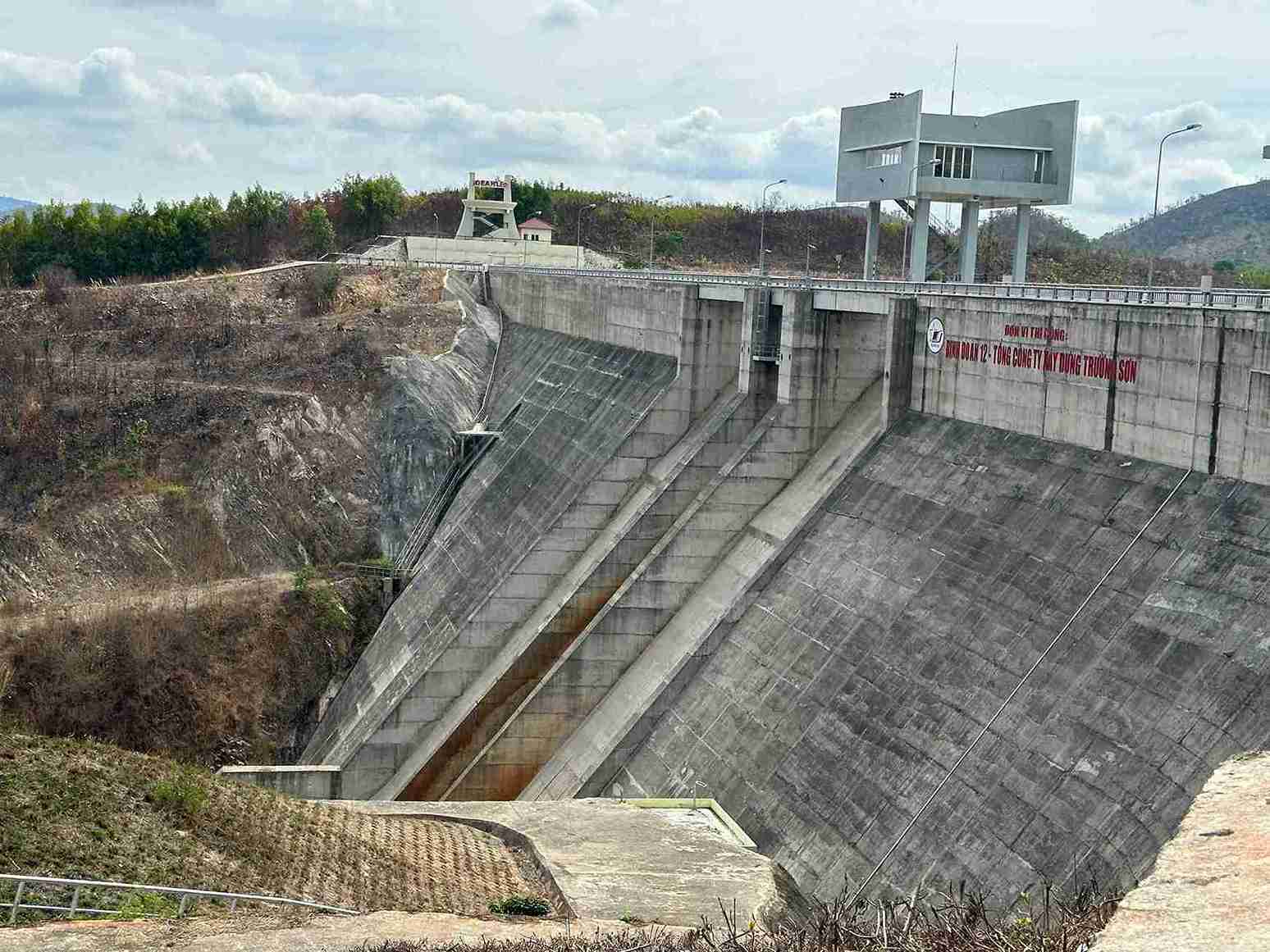
Mr. Trinh Quoc Bao - Deputy Director of Dak Lak Irrigation Works Management Co., Ltd. said that the unit has developed scenarios and plans to regulate water at works at risk of water shortage. In which, coordinate with local authorities to adjust irrigation schedules to suit crops; mobilize people to convert crop structures to suit the specific characteristics of each area.
At the same time, the company also reviews its affiliated units, supplements necessary equipment for projects in remote areas to operate more effectively, ensuring irrigation water for people.
Mr. Bao added that in the coming time, if gasoline and oil prices continue to fluctuate, businesses will propose to the Provincial People's Committee to provide additional funding for people to operate pumps, supplement irrigation water for crops, contributing to ensuring food security in the locality.
Mr. Nguyen Thien Van - Vice Chairman of Dak Lak Provincial People's Committee said: "The Provincial People's Committee has directed localities to proactively implement solutions to supply domestic water to each household, village, and commune in areas that are frequently short of water. Localities need to strengthen equipment to serve water supply and storage for households in drought, water shortage, and saltwater intrusion areas.
In urgent cases where there are no more domestic water sources, it is necessary to use water transportation vehicles to each residential cluster. Resolutely prevent domestic water shortages from affecting people's lives.