
For ethnic minorities such as Bahnar, Jrai, Xo Dang..., the Neu tree is not only a spring decoration but also a sacred spiritual cultural symbol, associated with community life for generations.
In traditional beliefs, the Neu tree is a "milestone" connecting earth and sky, between people and gods. When the old year closes, people choose a tall, straight bamboo tree, prune the branches, decorate with fabric towels, dried gourds, bamboo bracelets, or symbolic sacred objects.
The Neu tree is erected in front of the house yard, in front of the communal house or in the middle of the village's wide field as an invitation to ancestors and gods to celebrate Tet with their children and grandchildren; at the same time, it drives away evil spirits and bad things, and prays for a new year of favorable weather and bumper crops.
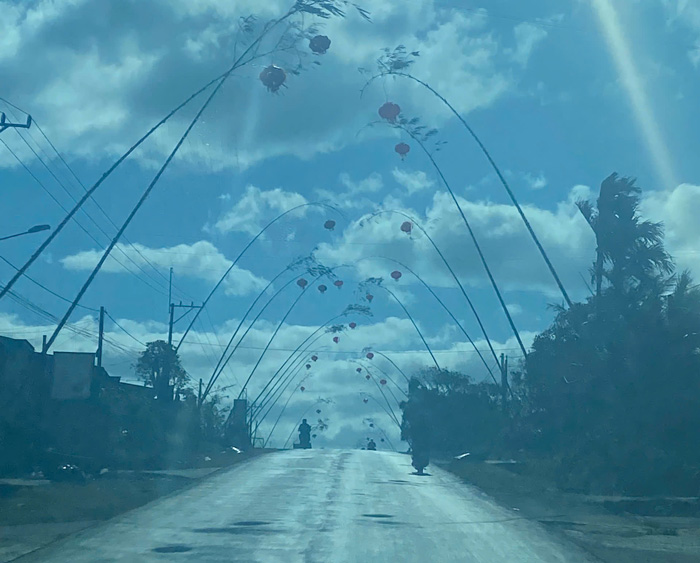
In many remote communes of Gia Lai and the old Kon Tum area, the Neu tree erecting ritual is often associated with village worship ceremonies. Village elders and reputable people will represent the community to perform rituals and pray for divine blessings.
Then, the sound of gongs and chiengs echoed loudly, the sound echoed through the mountains and forests, signaling the beginning of a new spring. That atmosphere warmed up even the villages that were still facing many difficulties, igniting faith in a prosperous new year.
The Neu tree on Tet also carries the meaning of deeply connecting the community. Choosing bamboo, decorating, and erecting Neu trees is not just a family's job but a common task of the whole village. Young people contribute to chopping bamboo, women prepare offerings, and the elderly guide rituals.
Especially, in mountainous communes where many ethnic minorities still live, the Neu tree is like an "identity identity" of the Central Highlands Tet. If in the plains there are red parallel sentences, peach blossoms, apricot blossoms, then here, the image of the Neu tree reaching high in the blue sky has become a characteristic sign of spring.
Although life is changing more and more, many customs have been adjusted to suit, but the custom of erecting the Neu tree is still maintained as an indispensable part of spiritual life.
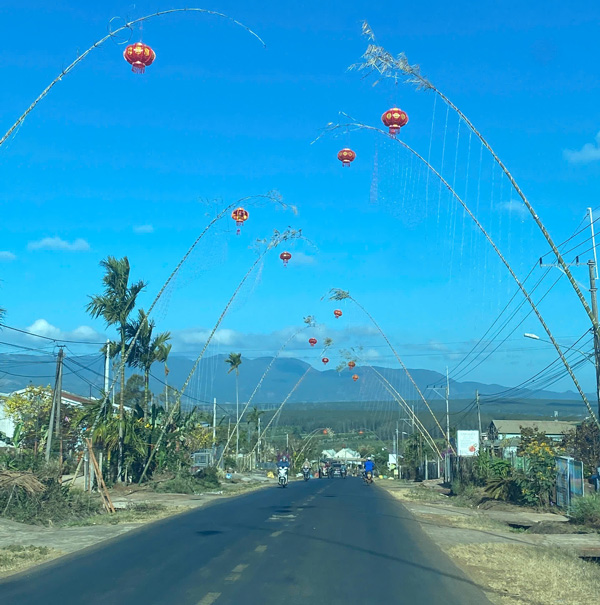
In the context of integration and development, preserving the custom of erecting the Neu tree on Tet is even more important. Many localities have integrated the Neu erecting ritual into cultural activities and spring festivals, contributing to promoting the image of the land and people of the Northern Central Highlands. Tourists when coming to mountainous villages at the beginning of the year not only admire the unique Neu tree but also immerse themselves in the unique gong and chieng cultural space.
The Neu tree is therefore not just a bamboo tree erected every Tet, but a symbol of faith, aspiration and persistent vitality in the great forest.
Amidst the many changes of modern life, the image of the Neu tree on spring days in the mountainous communes of Gia Lai and western Quang Ngai still quietly preserves the cultural soul, reminding each person of their roots and community attachment - the sustainable values that make up the identity of the Central Highlands.


