
UAV - small device, big impact
From the incident of the appearance of unmanned aerial vehicles (UAVs/drones) in the no-fly zone, threatening the safety of Tan Son Nhat airport (HCMC) and causing 73 flights to be affected, aviation experts believe that small objects can still cause serious consequences when entering the aircraft operating area.
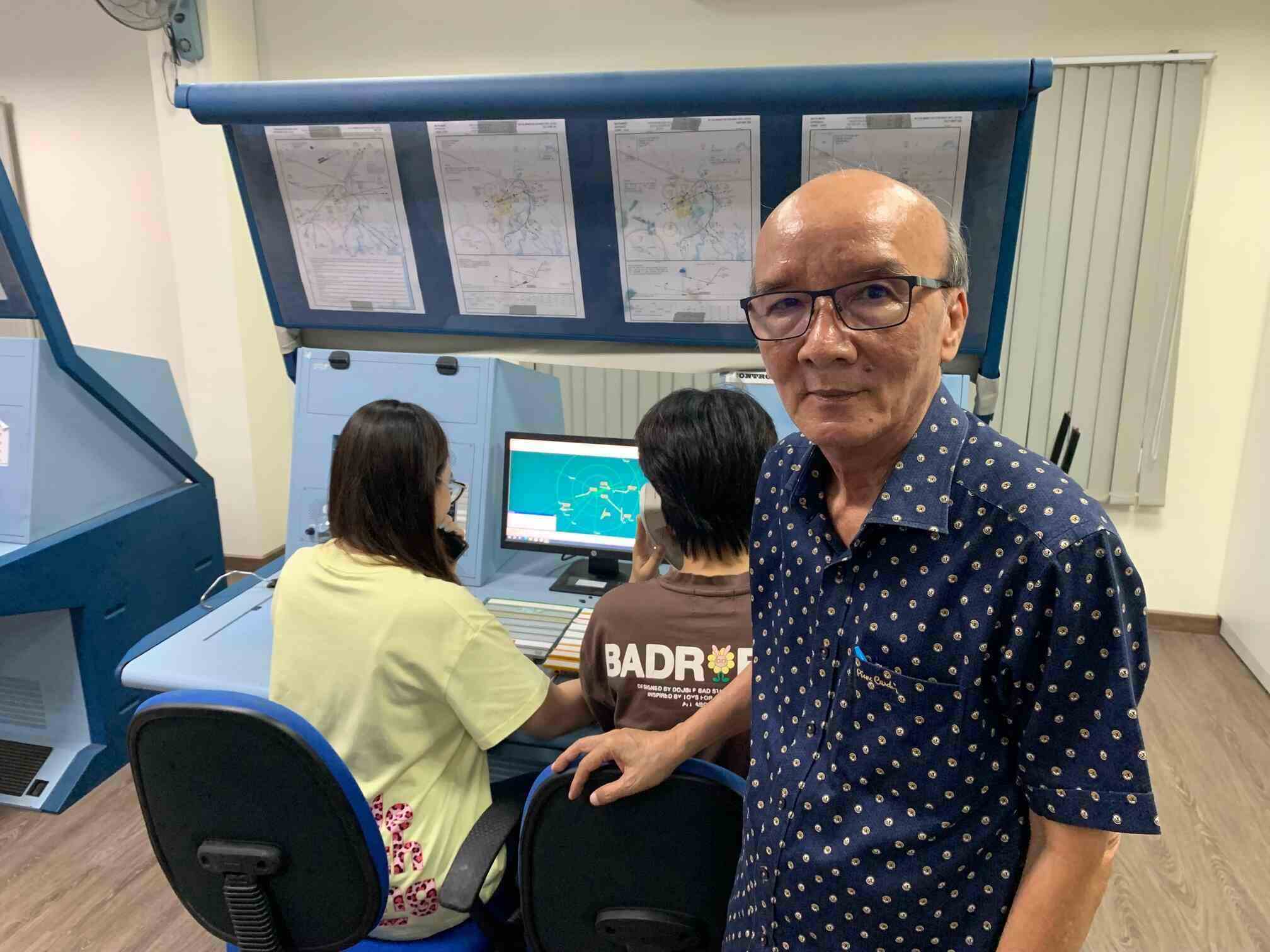
Talking to Lao Dong Newspaper, Mr. Truong Cong Tuan - lecturer of the Department of Aviation Exploitation, Vietnam Aviation Academy - said that in the process of approaching, landing or taking off for altitude, aircraft can move at a speed of about 250-600 km/h, depending on the stage and altitude. Therefore, even if the UAV is small in size and mass, when collision occurs, the impact force is still very large.
The level of danger also depends on the location of the collision. UAVs can damage the fuselage, while if sucked into the engine, the consequences can be more serious.
Not only UAVs but any uncontrolled flying objects appearing in the aircraft's operating area also pose a very high risk to aviation safety," Mr. Tuan said.
According to Mr. Tuan, it is necessary to distinguish between licensed UAVs and aircraft appearing of unknown origin. For licensed activities, functional agencies know the area, time, altitude and flight plan, from which they can coordinate to request suspension of operation or dismantling of equipment when necessary.
Conversely, when a UAV suddenly appears in the airport area without prior information, air traffic control agencies cannot identify the operator, direction of movement as well as when the device leaves the area. In this situation, continuing to take off and land the aircraft will be potentially risky.
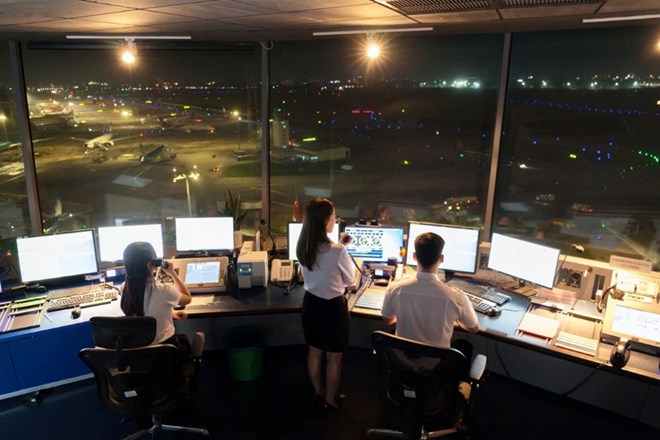
Without identifying the operator, it is also impossible to ask them to lower the equipment or take the UAV out of the area" - Mr. Tuan analyzed. Therefore, proactively limiting or temporarily suspending take-off and landing is a necessary measure to eliminate the risk of collisions, in which safety must be put first.
Mr. Tuan believes that cases of arbitrarily using UAVs that do not comply with regulations are also a major risk for the aviation industry. Therefore, besides detecting UAVs when the device has appeared in the air, Mr. Tuan believes that the problem of managing UAV owners, users and operations also needs to be concerned, especially in the context of flycams and civilian drones becoming increasingly popular and accessible.
Early UAV detection is a top priority
From the above impacts, Assoc. Prof. Dr. Nguyen Thien Tong - former Head of the Department of Aviation Engineering, Ho Chi Minh City University of Technology, said that the problem posed is not only the handling when UAVs have invaded the airport area, but more importantly the ability to detect and prevent early.
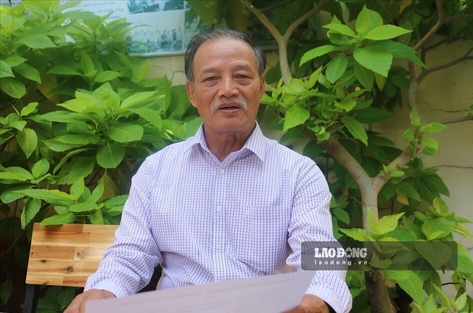
One of the solutions that can be used is specialized radar technology to detect small flying targets such as UAVs. This system can be combined with other sensors, including radio frequency tracking devices to determine which frequency the UAV is using. In addition, sound sensors can be combined, because the electric motor, wind sound and propeller of the drone create their own sound characteristics, thereby supporting UAV recognition and differentiation from other flying objects" - Assoc. Prof. Dr. Nguyen Thien Tong said.
Experts also noted that the location and altitude of the UAV are important factors. If the drone flies at a low altitude, it may not directly affect aviation operations. However, when the UAV flies at an altitude within the operating area of the aircraft, especially the area where the aircraft performs takeoff and landing, the risk of unsafety will increase significantly.
From the perspective of ensuring safety, Assoc. Prof. Dr. Nguyen Thien Tong believes that when UAVs are detected entering dangerous areas, a quick handling plan is needed. In case civilian measures are not sufficient to handle them promptly, the coordination of military forces and relevant functional forces may be needed to quickly prevent the danger, thereby soon restoring flight operations.
Vietnam is a latecomer, so it is even more necessary to learn from international experience. Drones are not a new problem that has appeared in recent weeks, months or years, but have existed for a long time. Therefore, it is necessary to proactively build appropriate technical measures and management mechanisms to prevent early, avoiding incidents that greatly affect aviation, passenger and economic activities" - Mr. Tong emphasized.
The Civil Aviation Authority proposes to increase the capacity to respond to UAVs at airports. Faced with the risk of UAVs illegally entering the airport area, the Civil Aviation Authority of Vietnam proposed that the Ministry of Construction soon agree on the agency and unit to take the lead in handling when UAVs illegally enter the airport area, affecting civil aviation operations. According to the Civil Aviation Authority of Vietnam, UAV response is still limited due to the lack of specialized technical means. Therefore, this agency proposes to study equipping a monitoring system to detect and warn UAVs early, and at the same time add means to disable UAVs in necessary situations.
The Civil Aviation Authority of Vietnam also proposed to review and supplement regulations on handling violations in the direction of increasing deterrence, including both administrative and criminal liability for cases of using unmanned aerial vehicles against regulations.


