
Commune health station needs to supplement personnel
In Dak Lak, all commune and ward health stations currently managed by the Regional Health Center will be transferred to the commune-level People's Committee for management and officially operate according to the new model from January 1, 2026.
The arrangement aims to streamline the apparatus, innovate the organization of public non-business units to strengthen decentralization and improve the effectiveness of primary health care for people.
The whole province currently has 279 health stations directly under 24 Regional Health Centers (under the Department of Health). After arrangement, this system will be reorganized into 102 commune-level health stations and 177 affiliated station points, directly managed by the People's Committees of communes and wards.
Mr. Y Nham Nie - Head of Buon Don Commune Health Station - said that when transferred to the Commune People's Committee for management from January 1, 2026, the functions and tasks of the station have been expanded, the responsibility is also heavier, while there is still a shortage of human resources and facilities only meet at a limited level.
There are times when infectious outbreaks appear, officials have to travel dozens of kilometers down to the grassroots level but still have to arrange people to be on duty at the station, which is very hard.
Currently, Buon Don Commune Health Station (border area) has 7 officials and staff, of which 5 are ethnic minorities. Mr. Y Nham said that the unit will continue to strive to complete the task, but in the long term, it is necessary to supplement personnel with expertise and invest in upgrading facilities.
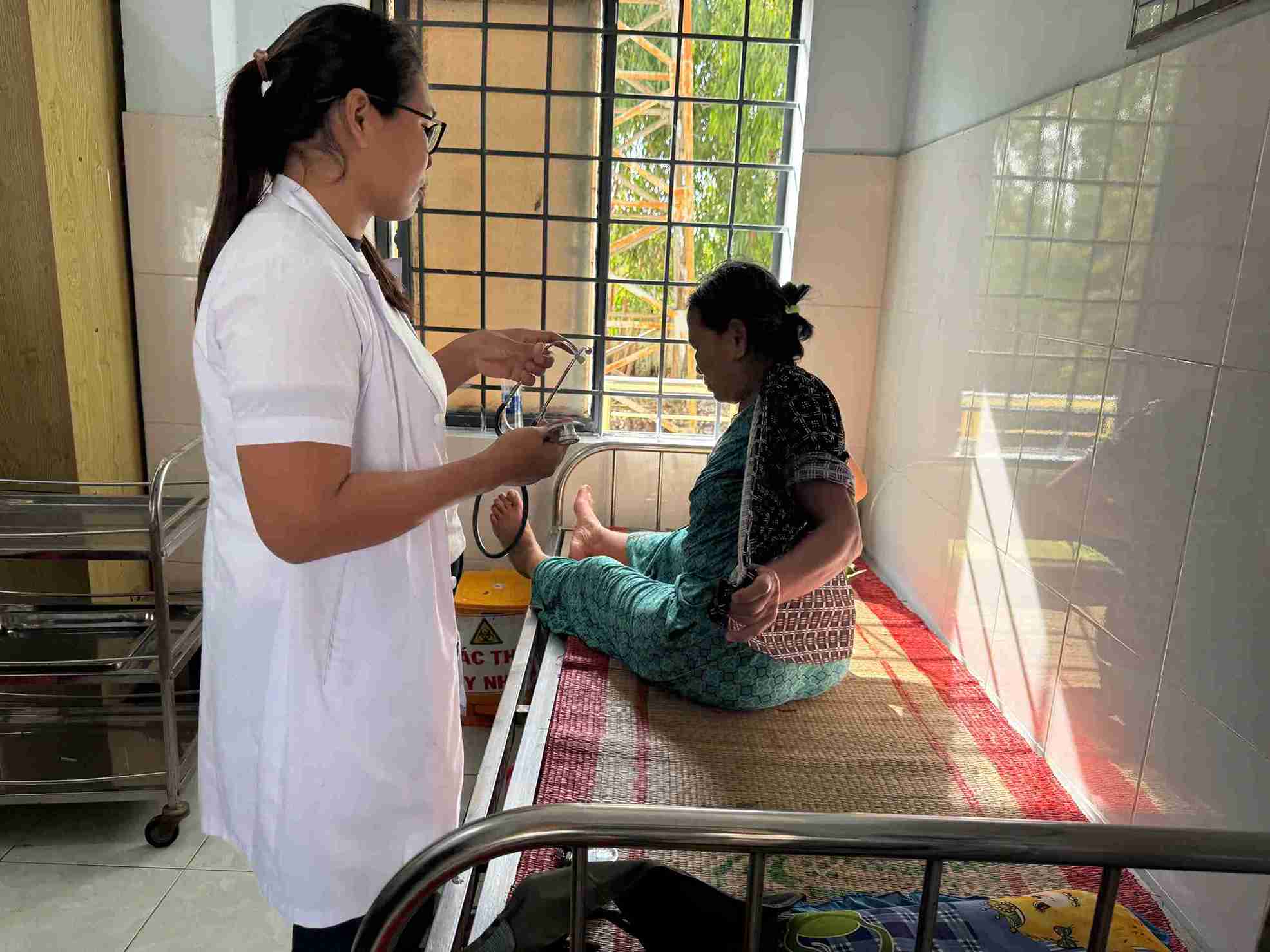
Reality shows that after being transferred to the commune-level People's Committee, the responsibility of the station head and the commune health team has increased significantly; many stations have become "mini medical centers" with many professional departments.
However, most health stations in remote and extremely difficult areas still lack resources, infrastructure is degraded, and equipment and supplies do not meet the requirements of people's health care.
Prioritize resources for grassroots healthcare
Mr. Nay Phi La - Director of Dak Lak Department of Health - said that he has requested the return of the original state of the health station to the People's Committees of communes and wards, including human resources and facilities.
The limitations in personnel in remote areas are real, in the coming time, commune-level People's Committees will be granted the right to recruit additional personnel for health stations. In 2026, the province will also prioritize resources for grassroots health according to Resolution 72 of the Central Government.
For deep-lying communes and particularly difficult areas, the Department of Health will strengthen rotating officials with expertise in supporting medical examination and treatment and technology transfer, in order to ensure that health stations soon stabilize operations in the initial transition phase.
Regarding facilities, the stations continue to use existing conditions and are supplemented from the source of the National Target Program on health care, population and development. The commune-level People's Committee is responsible for reviewing and developing investment plans and upgrading infrastructure to meet operating requirements in the new situation.


