
According to the orientation of the Standing Committee of the Ho Chi Minh City Party Committee, new facilities will be planned in suburban areas, following urban railway lines and synchronously with the city's socio-economic development plan. The city has also hired more than 30 international consulting units to participate in building integrated development plans, prioritizing land funds for education, healthcare and green spaces, while aiming to reduce traffic pressure and pollution in the core city area.
Need a specific roadmap and classification
According to the Ho Chi Minh City Department of Construction, after merging with Binh Duong and Ba Ria - Vung Tau, the city currently manages more than 12.8 million vehicles, including more than 1.4 million cars and nearly 11.4 million motorbikes. With the increasing density of vehicles, the study of relocating large facilities out of the inner city is considered a long-term solution to reduce infrastructure pressure.
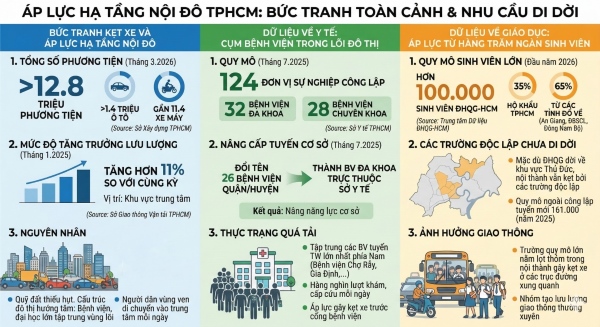
Before this policy, many people expressed their support, but said that there needs to be a roadmap and appropriate calculations. Mr. Nguyen Xuan Tien (resident of Xom Chieu ward) said that relocating large facilities out of the central area is necessary in the context of increasingly overloaded traffic. According to Mr. Tien, this is a suitable policy because the city needs to take advantage of all resources to reduce traffic congestion, but it is also necessary to consider some special facilities.
There are key schools or facilities associated with relics that must be considered for preservation. The same goes for hospitals, if they are places to treat diseases that require high technology, a good professional team and are operating effectively, then there should be traffic regulation solutions instead of completely relocating them," Mr. Tien said.
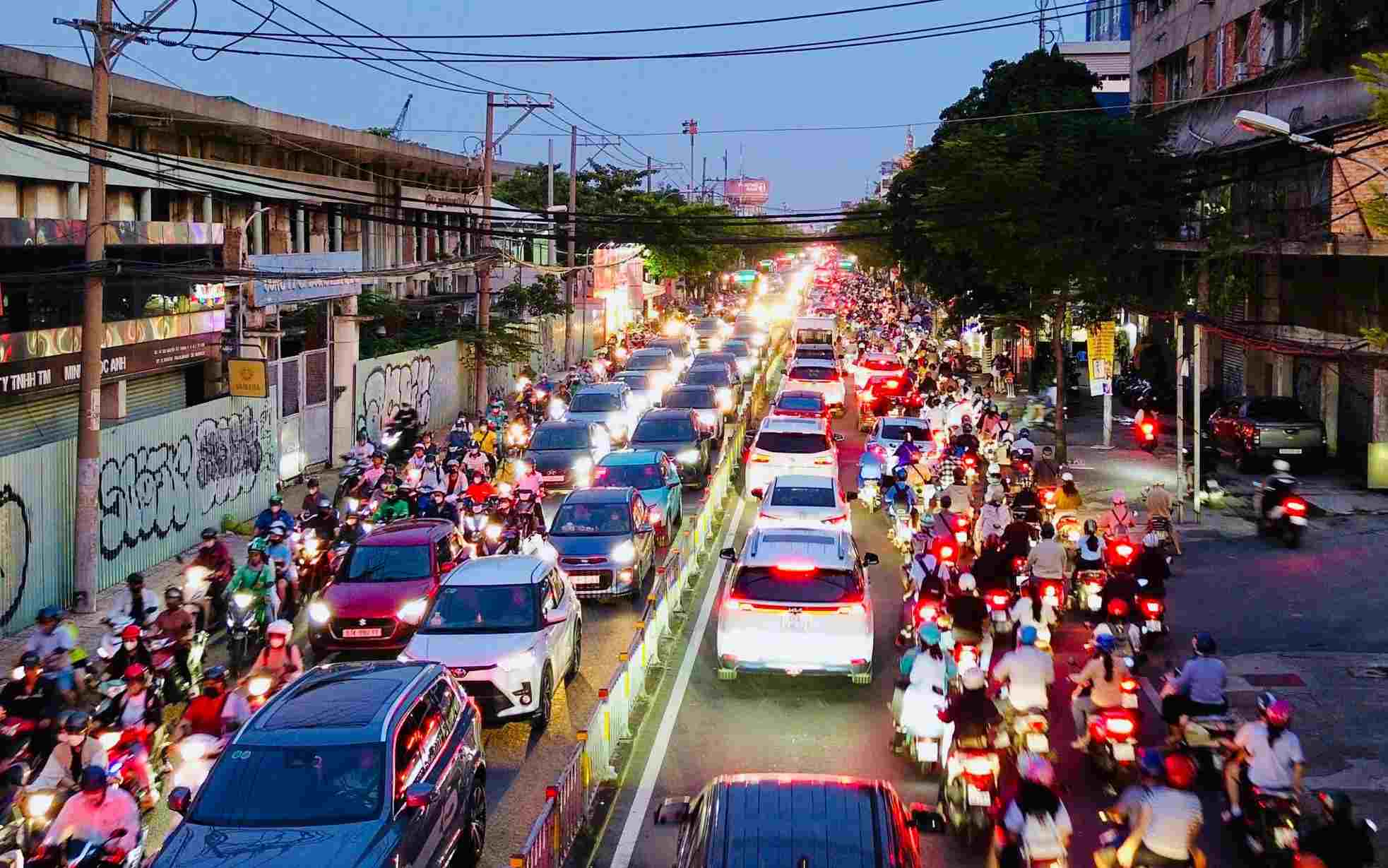
Meanwhile, Ms. Nguyen Thi Yen Trang (resident of Gia Dinh ward) believes that relocating schools to the suburbs may contribute to reducing congestion because the number of students will be dispersed away from the central area. According to Ms. Yen Trang, if universities are arranged in new areas, students can also reduce living costs compared to the inner city area. However, currently many suburban areas still lack amenities and service infrastructure.
The relocation needs specific time and roadmap, avoiding doing it too quickly and causing disruption. The city also needs to synchronously develop public transport such as metro, buses and invest in more utilities so that people can conveniently live and study," Ms. Trang shared.
Relocation must be synchronized with infrastructure
Talking to Lao Dong Newspaper, Dr. Tran Quang Thang - Director of the Institute of Economics and Management of Ho Chi Minh City said that the relocation of schools, hospitals and industrial parks out of the inner city is not simply a problem of reducing traffic congestion but also related to many other factors, including budget issues. Therefore, the relocation needs to be carefully considered, closely monitored and must be developed simultaneously with the transport infrastructure system.
It is necessary to consider developing it simultaneously with transport infrastructure, metro, ring roads, bus systems must be complete and convenient, new projects must maximize efficiency. If there is no good connecting transport system, relocation will cause new difficulties," Mr. Thang assessed.
Regarding medical facilities, Dr. Tran Quang Thang analyzed that not every hospital is relocated out of the inner city. Hospitals that are treating diseases that are not specialized, not too special, can be relocated to the suburbs to avoid overload in the center. Conversely, leading hospitals that are treating diseases requiring high technology - high technology, special equipment should be kept to achieve high treatment efficiency, contributing to building the image and typical face of the city's health sector.
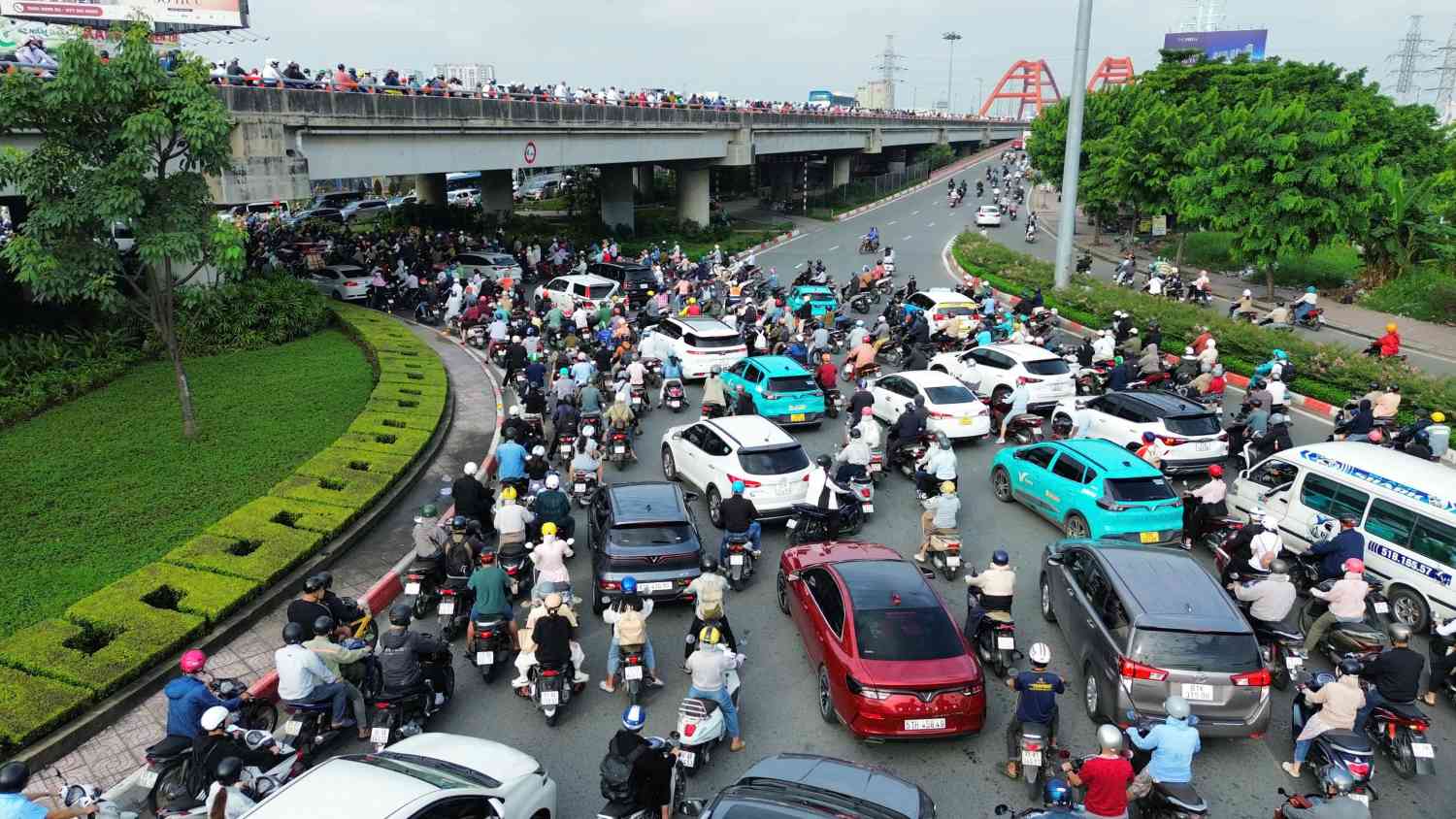
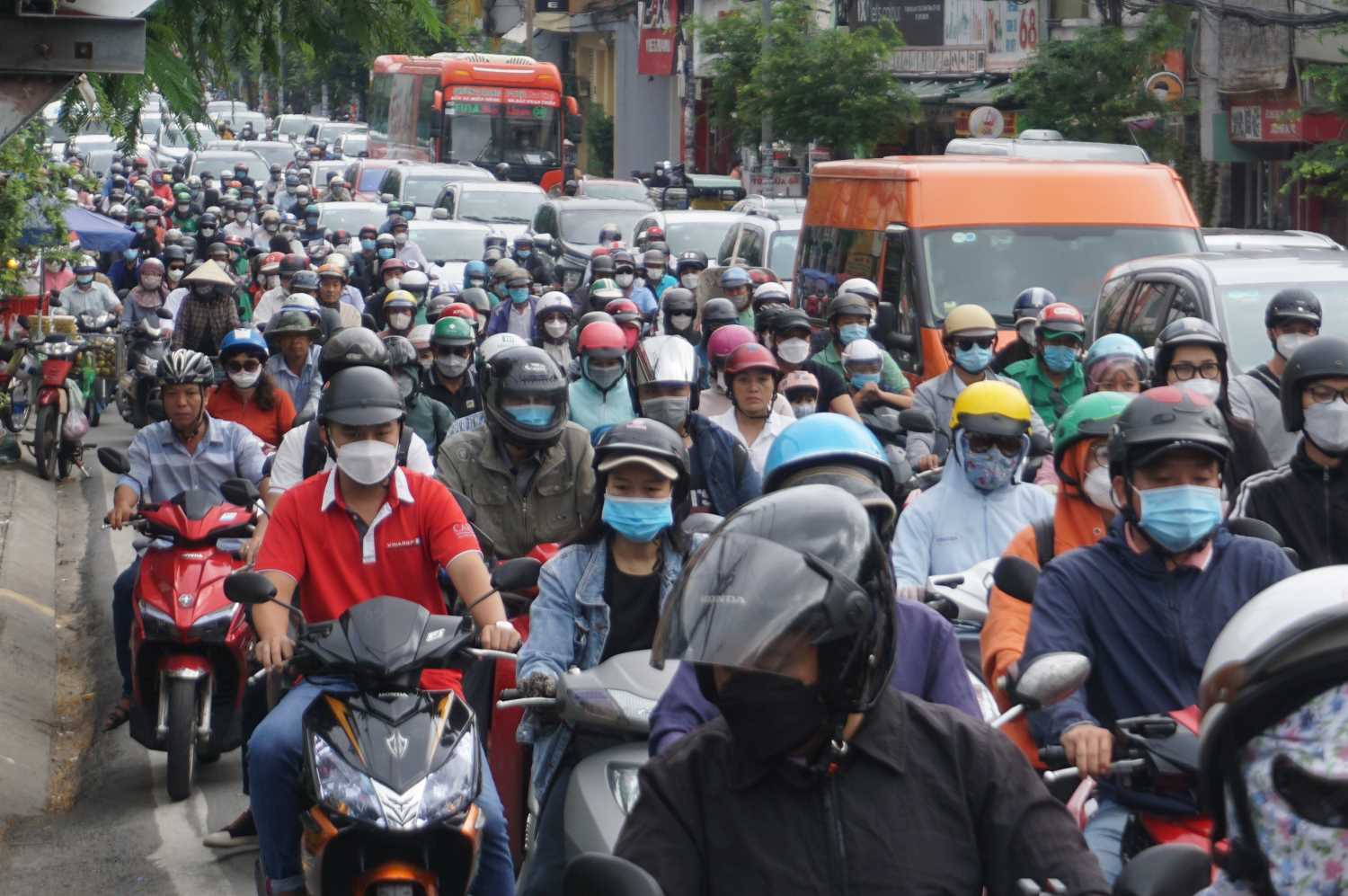
According to Mr. Thang, hospitals when relocated to suburban areas also need to be invested in improving professional qualifications step by step. Specialized hospitals in the inner city at that time have space to develop accommodation areas, have trees, lakes, and fresh air... so that hospitals are not only places for examination and treatment but also become places to provide comprehensive, civilized and aesthetic healthcare services.
In that context, relocating educational and medical facilities to suburban areas and linking them with the public transport system is considered a long-term solution to reduce pressure on the inner city area and towards sustainable urban development.


