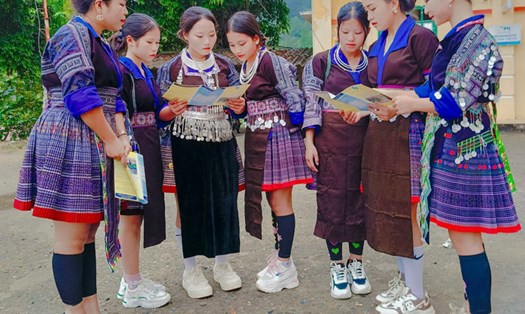
Raising people's awareness
Ia Lap is a border commune of Dak Lak province, with a large number of ethnic minorities; economic life still faces many difficulties, and the socio-economic level is not uniform. The whole commune has 12 villages, all of which are in a particularly difficult situation.
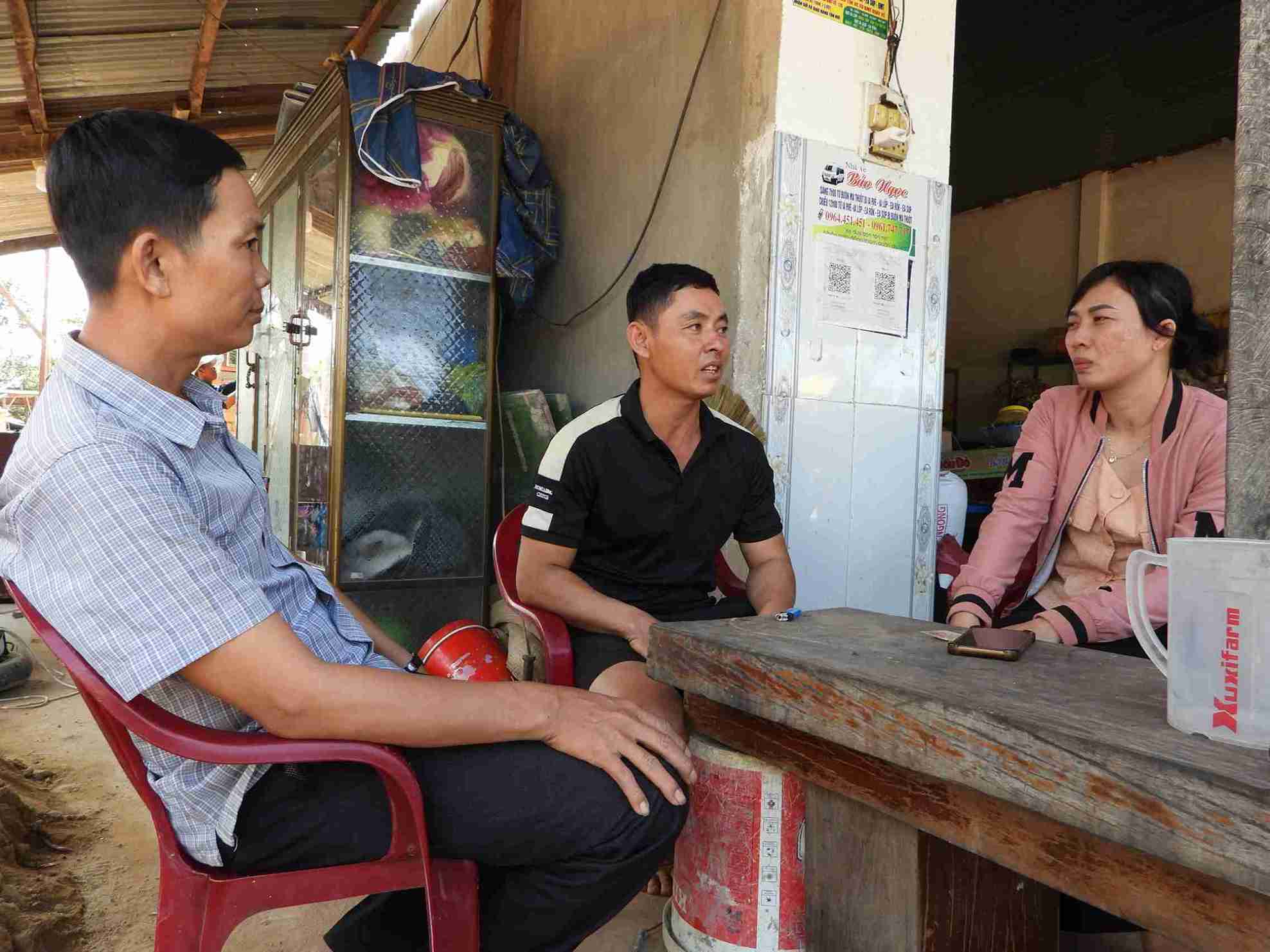
A part of the people is still affected by traditional concepts such as early marriage to have more work in the family or getting married within the family line to preserve property. These customs have left many serious consequences, especially the risk of declining the quality of rice husks, increasing poverty, hindering the opportunity to learn and develop of the younger generation.
Determining propaganda and awareness raising as a key solution, Ia Lap commune has proactively developed a plan to disseminate legal knowledge, reproductive health and gender equality to villages in the area. The content of the propaganda is flexibly integrated into communication and training sessions for women of reproductive age.
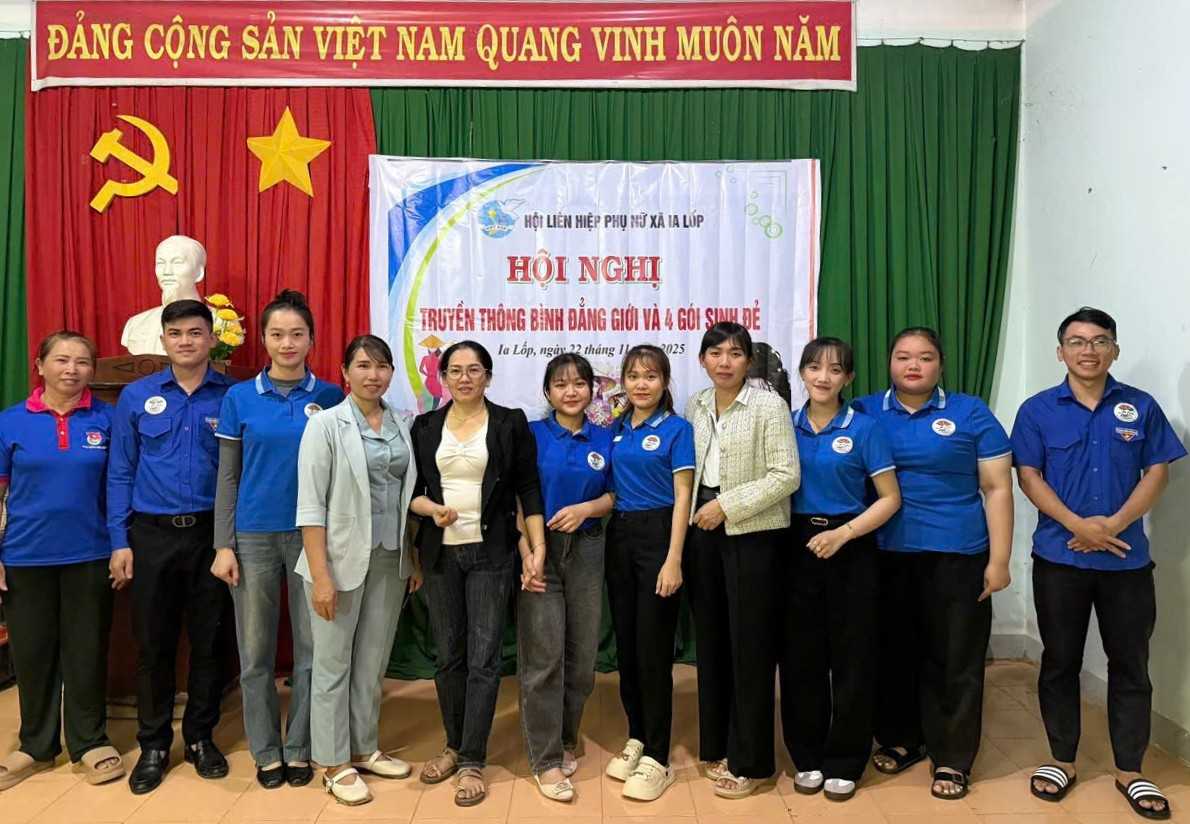
For example, in mid-November 2025, the Ia Lap Commune Women's Union organized a communication conference on gender equality and four childbirth packages. Here, in addition to disseminating important contents on gender equality and reproductive health care, commune officials also introduced the significance of the National Target Program for Socio-Economic Development in Ethnic Minority and Mountainous Areas.
In particular, pushing back and getting rid of early marriage and consanguineous marriage is identified as a particularly important task.
Spread to the grassroots
To push back and eliminate early marriage and consanguineous marriage, in addition to integrating resources from programs and policies, the People's Committee of Ia Lap commune also requires the team of village heads and prestigious people to promote their roles and responsibilities at the grassroots level. Accordingly, every month and every quarter, this force directly visits each household to propagate, mobilize, and remind about the consequences of early marriage and consanguineous marriage.
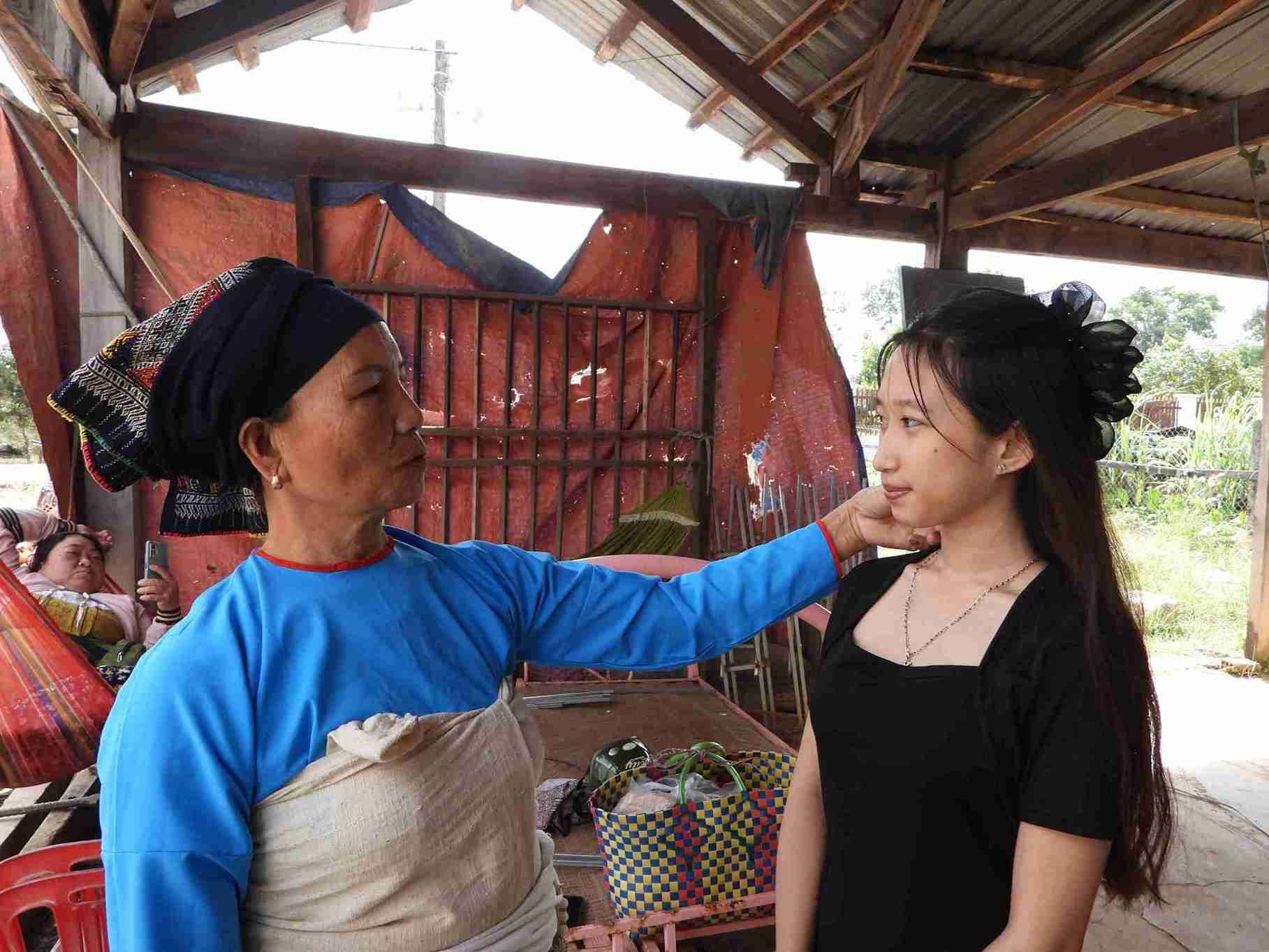
Mr. Lang Van Tuyen - Secretary of the Chieng village Party Cell ( Iaiap commune) said: "Our village has 168 households, of which 98% are Thai ethnic people. We determined that if we want people to abandon bad customs, we must help them develop their economy and stabilize their lives. Therefore, the village focuses on controlling the population well, focusing on monitoring poor and near-poor households to orient propaganda and encourage household economic development".
"During the village activities, we compiled a list of households that need support to propose to the commune to study and support livelihoods or create conditions for loans for production. When people have a job, a stable income, and a better life, no one will want their children to be poor, sick due to early family marriage or consanguineous marriage, Mr. Tuyen added.
Vi Thi Huong Tra 11, a 11th grade student living in Iaiap commune, expressed: "I am luckier than my parents when I was born in the period when the village and commune had developed, and the lives of the people had improved. Thanks to access to the internet, mass media and reminders from prestigious people, I understand more clearly the harmful effects of child marriage. I only get married when I have completed my studies, have a job and a stable income to build a happy family.
Mr. Bui Tien Hoat - Vice Chairman of Ia Lop Commune People's Committee said: "In recent years, thanks to resources from the National Target Program, the locality has synchronously deployed communication solutions associated with livelihood support, thereby gradually repelling backward customs and practices in ethnic minority villages."
According to Mr. Hoat, up to now, the awareness of people in villages and hamlets has been gradually raised. Many families proactively let their children continue to go to school, not forcing them to get married early; the role and responsibility of the community in protecting children are increasingly promoted.
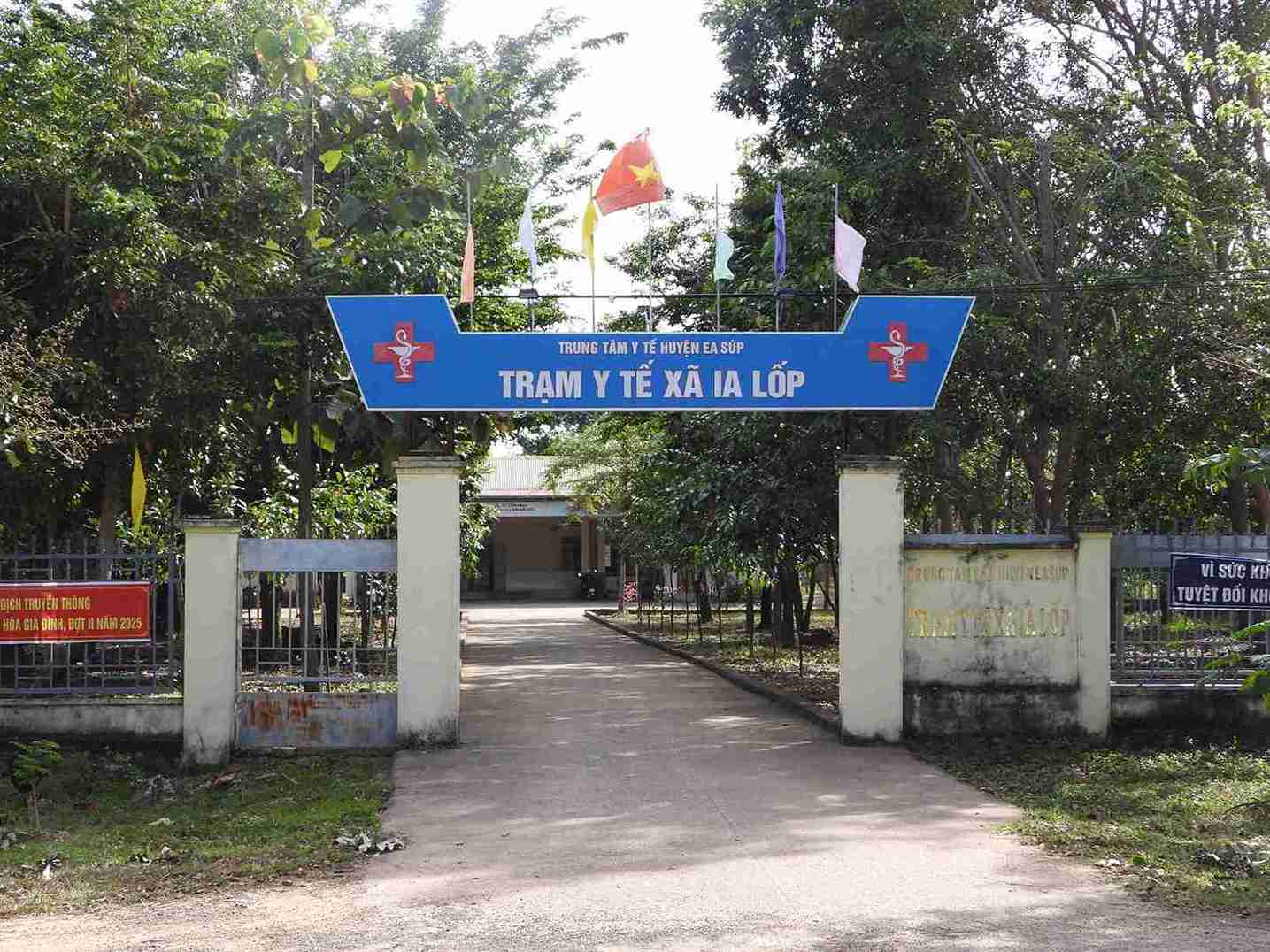
Mr. Cao Thanh Hoai - Head of the Department of Culture - Social Affairs of Iaiap commune affirmed: "Local authorities at all levels only eliminate backward customs and practices that exist in ethnic minority areas. As for the unique cultural beauty and identity of the Tay, Nung, Muong, and Thai ethnic groups in the area... we will still keep them, even preserve and preserve them for their children and grandchildren".