Vocational class lights up at night in M'Drak commune
In the last days of 2024, when the night falls on M'Um village, in the former Krong Jing commune (now M'Drak commune), the lights from the mechanical skills class still light up regularly.
More than a dozen students, most of whom are young workers, in difficult circumstances and from ethnic minorities, have completed the course with excitement.
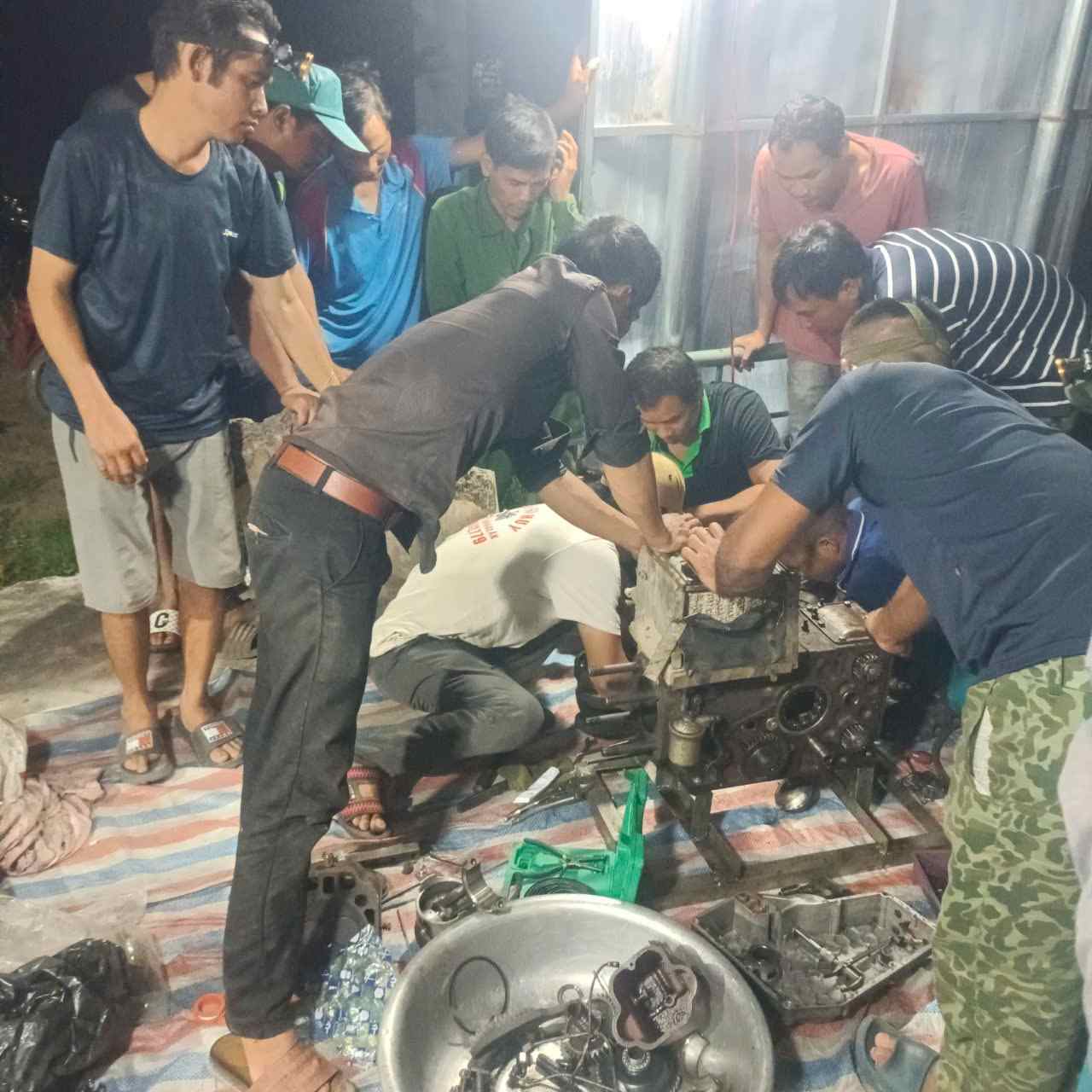
The special thing about the class is the time of organization in the evening. During the day, people still go to the fields, work for hire, take care of production and family life.
When work is temporarily quiet, they take advantage of going to class to learn a trade, with the desire to gain more knowledge and skills to improve their income.
Mr. Y Duong Bya, an Ede ethnic group in M'Um village, said that in the past, people were mainly familiar with traditional agricultural production and rarely dared to try new industries. Thanks to the encouragement of the local government, he decided to register to attend a mechanical vocational class.
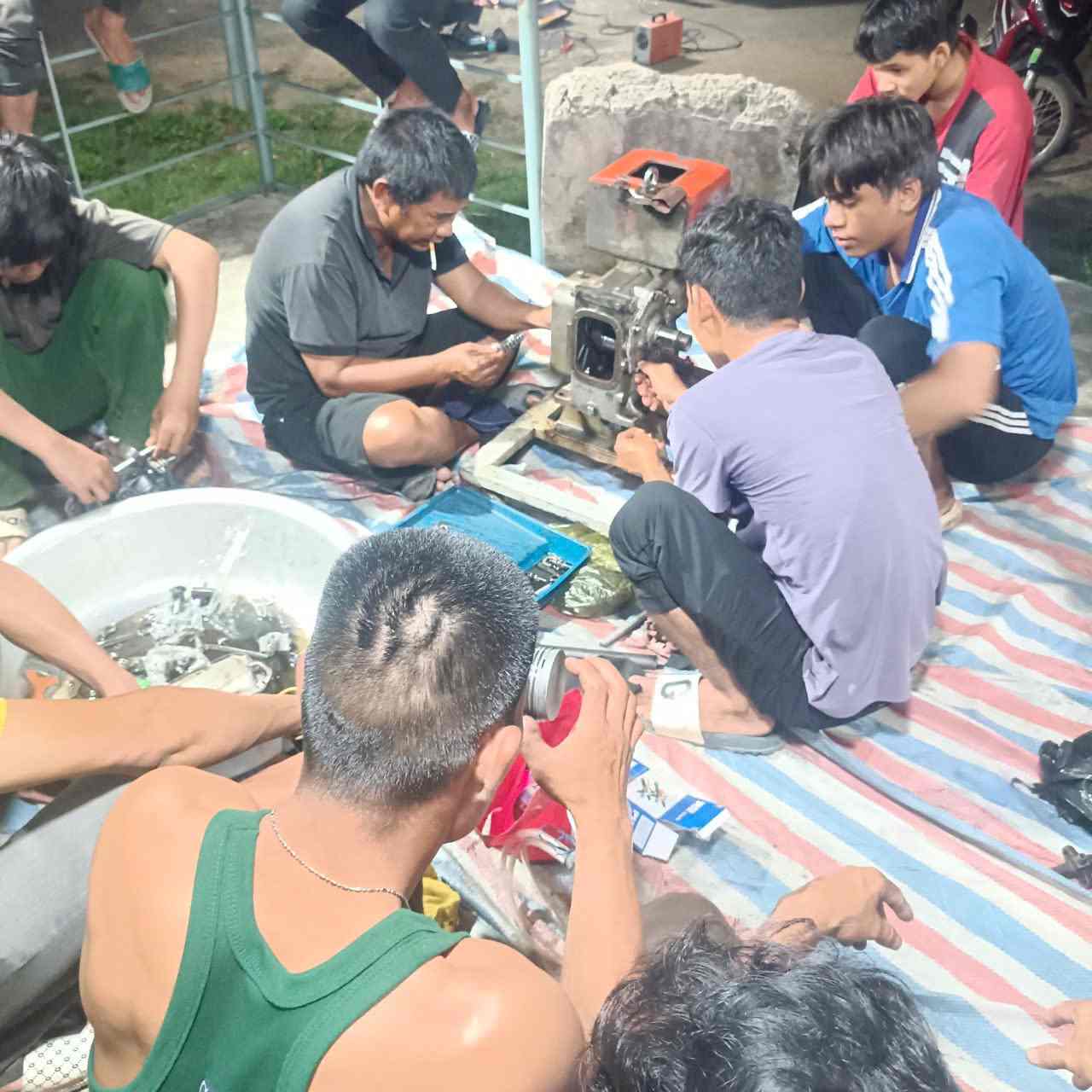
Previously, people were used to farming and rarely tried new industries. Thanks to the encouragement of the government, I decided to register to learn mechanical engineering. After the class, I am confident that I will have more knowledge to develop production and increase my income, Mr. Y Duong Bya shared.
According to him, most of the students in the class were born in 2000 or later, so when studying together, it is easy to share, support and connect with each other. The classroom atmosphere is therefore always vibrant, creating motivation for students to persistently study until the end of the course.
The course not only helps people grasp basic technical knowledge but also opens up new directions in economic development, adding confidence so that they can gradually take control of their lives in their homeland.
Learning to do, learning to escape poverty
To facilitate learners, the Center for Vocational Education - Continuing Education M'Drak has arranged a team of experienced lecturers to directly teach in the evening.
Training content is built close to practical needs, focusing on practice, making it easy for learners to absorb and apply immediately after finishing the course.
During the learning process, lecturers instruct students on how to operate and repair machinery and tractors for agricultural production. These skills are considered the "key" to helping people save costs and improve labor efficiency.
Mr. Y Trai Bya, in Glan village, said that after a year of attending a mechanical vocational training class, most of the students in the class have been able to thoroughly repair agricultural machinery and equipment.
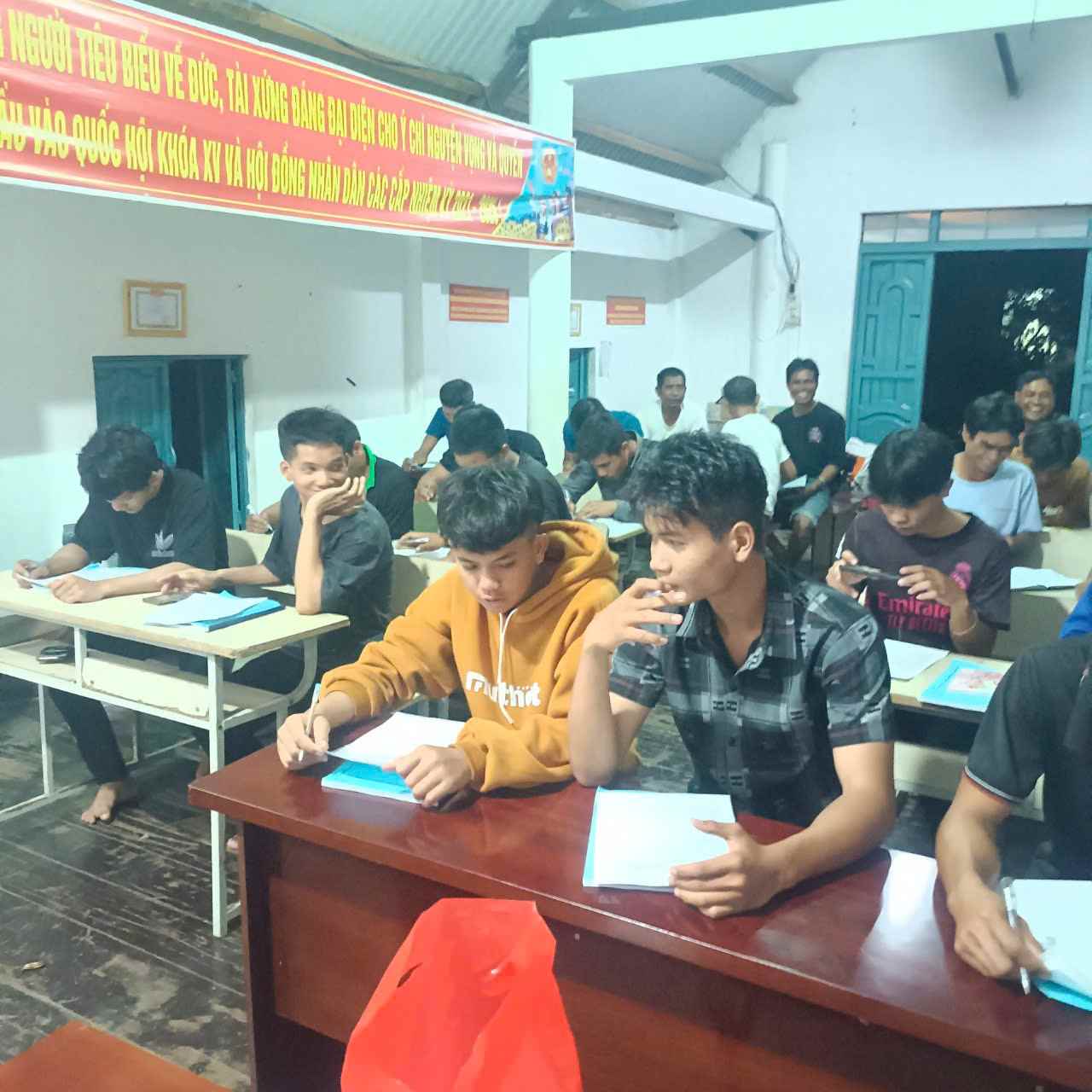
Repairing our own tractors helps us save on maintenance costs, increase production and transportation efficiency of agricultural products, Mr. Y Trai Bya shared.
In reality, the knowledge learned not only helps people reduce living and production costs but also opens up opportunities to create more jobs on the spot.
Many students after the course have started to repair machinery for people in the village, gradually increasing their income.
M'Drak commune still has many hamlets in a particularly difficult situation, with a high rate of poor and near-poor households.
In that context, organizing vocational training classes, especially classes flexible in time, not only has the meaning of simple vocational training but also creates a space for community cohesion, arousing the will to rise up of the people.
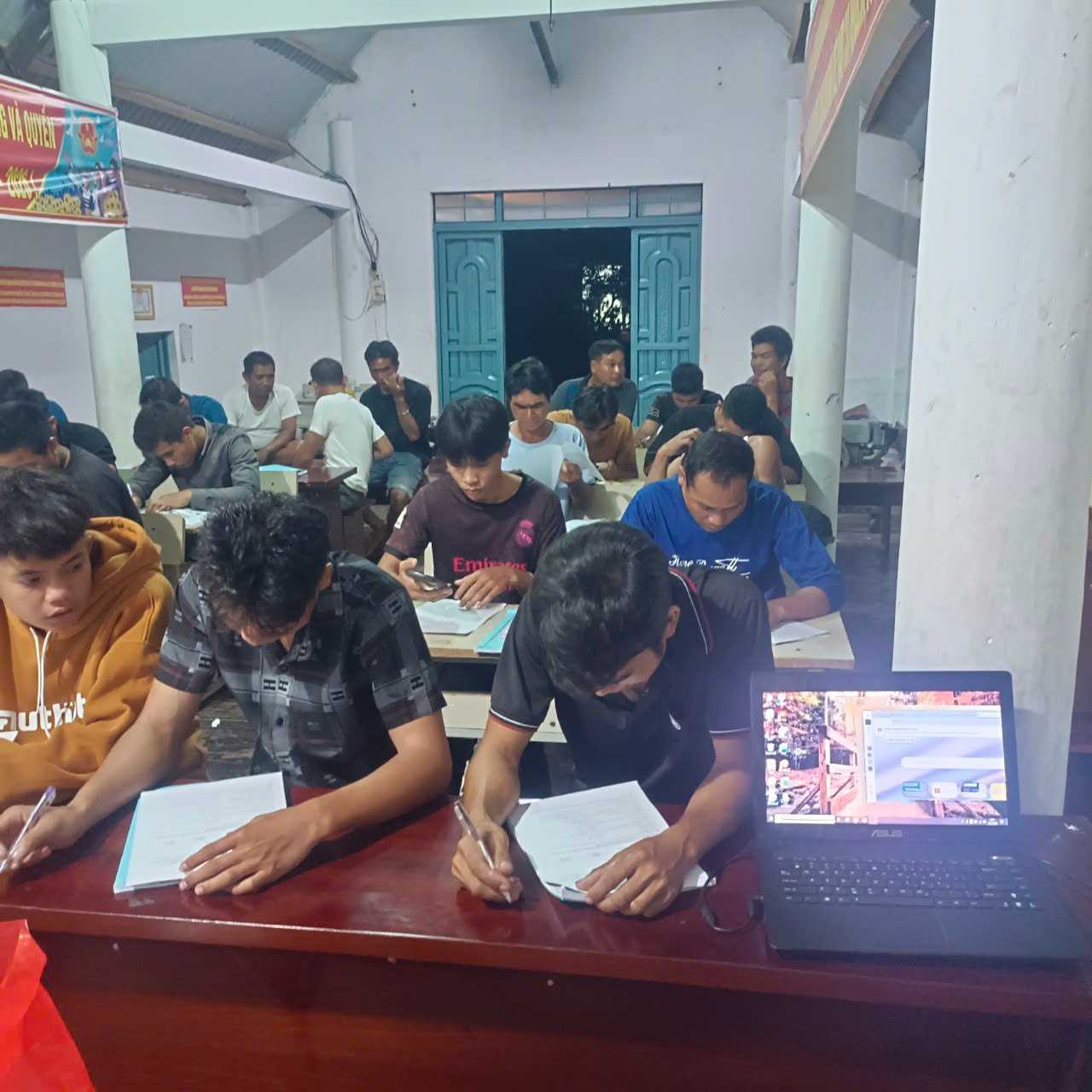
According to local assessments, at the end of the course, students who effectively apply knowledge to practice will become the " core", creating a spreading effect, encouraging others in the village and businesses to boldly participate in vocational training.
In addition to mechanical engineering, many households in the area are still attached to farming and animal husbandry. Combining vocational training with the application of science and technology in agricultural production is expected to bring higher economic efficiency in the coming time.
Mr. Y Lam Nie (born in 2005, M'Um village) believes that the community spirit, solidarity and the will to rise of the local people are very high. "As long as a few vocational students achieve good results, they will create trust for others to boldly study," said Mr. Y Lam Nie.
According to him, in addition to mechanics, the government can open more training courses on cultivation and crop techniques, because many people still produce according to traditional experience, and have not applied science and technology to practice.
The leader of the People's Committee of M'Drak commune stated that the locality hopes that after vocational training courses, some young workers will boldly open small farms or cooperate with enterprises in providing seeds, consuming products, and forming a stable production chain.
"The mechanical profession is not only a livelihood but also a direction to help people get rich right in their homeland. When participating in vocational training together, people have the opportunity to exchange, share experiences and support each other in production, said Mr. Nguyen Van Trung - Deputy Head of the Department of Culture - Social Affairs of M'Drak commune.
According to Mr. Trung, the success stories in hunger eradication and poverty reduction from night vocational training classes not only motivate learners but also spread the spirit of solidarity, helping each other develop the rural economy sustainably, in line with the goals of the socio-economic development programs for ethnic minority and mountainous areas issued by the Party and the State.