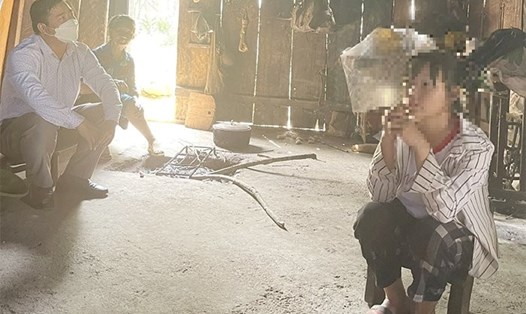
Considering it normal according to customs
Pha Long is a border commune of Lao Cai province, mainly home to ethnic minorities, most of whom are H'Mong people.
Due to difficult socio-economic conditions and limited legal awareness of a part of the population, early marriage and consanguineous marriage still pose potential risks.
From the beginning of 2026 to now, through grasping the situation in the area, functional forces have discovered and successfully mobilized 12 couples with signs of early marriage and consanguineous marriage.
Mr. Sung Seo Sang, Head of Lao Chai village, shared: "If you want people to listen and follow, you must speak in their own voice, and explain specifically and easily understandable.
Therefore, the village always coordinates with police officers and reputable people to mobilize and propagate, helping people clearly see the consequences of early marriage.
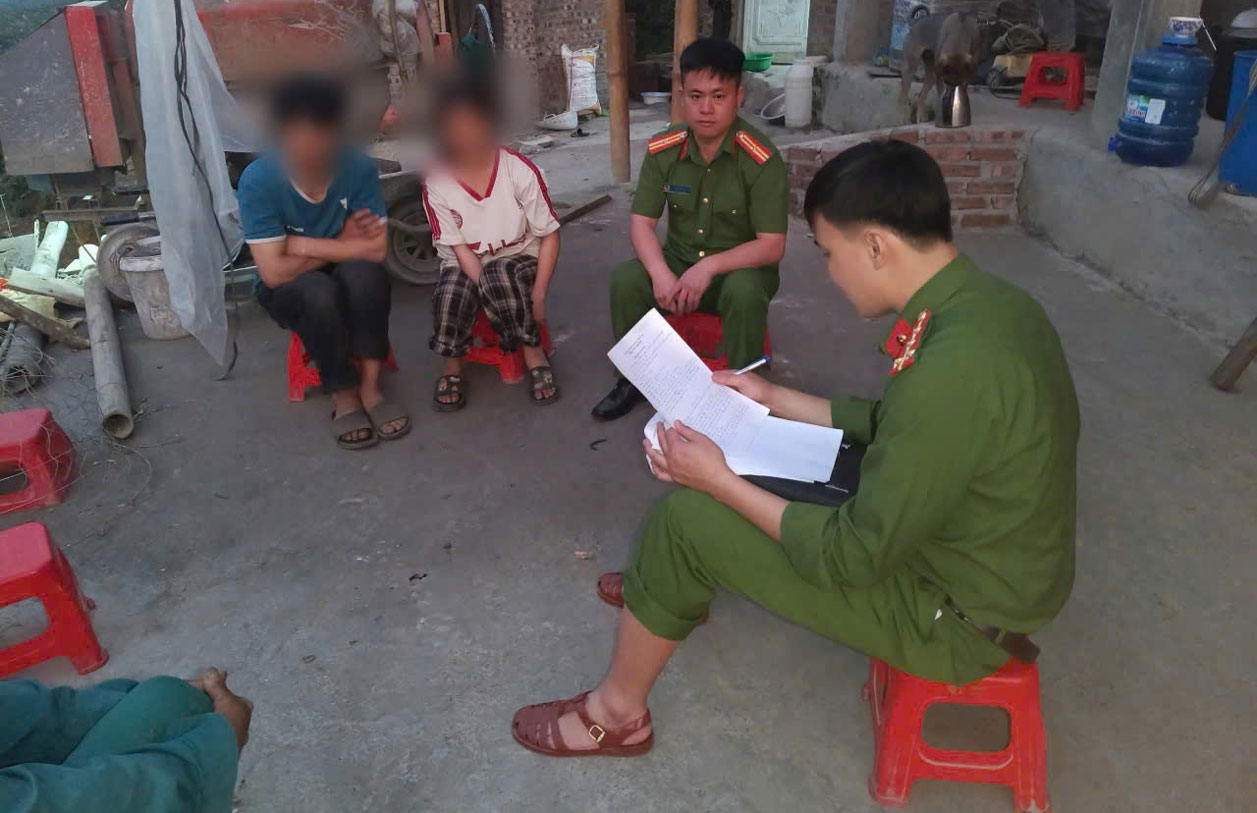
One of the typical cases is the family of Mr. G.S. P., born in 1970, residing in Su Ma Tung village.
Through grasping the situation, the Pha Long Commune Police force discovered that Mr. P had brought L.T. S, born in 2009, residing in Tu Le commune, Lao Cai province home, preparing to organize a wedding for his son when he was not old enough.
Immediately after that, the Commune Police coordinated with the village head and reputable people to directly come to the family to propagate. Initially, the family also thought this was normal according to customs.
After many mobilizations, Mr. Giang Seo Pao's family realized the problem, voluntarily stopped organizing the wedding and brought their niece back to the locality.
Prevention from the egg
Or in the highland commune of Phuc Khanh, where there is a large area associated with many long-standing customs and habits.
There, the story of a girl marrying early was once not too strange.
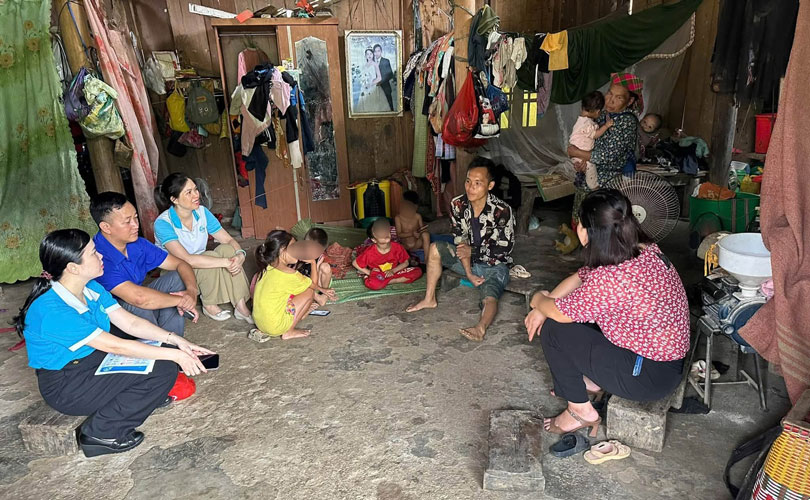
Concepts such as "marrying early to reassure the family" or the psychology of wanting to marry the community still exist in a part of the population.
According to Ms. Pham Thi Ngan - Department of Culture - Society of Phuc Khanh commune, to change perceptions about early marriage, it is important not only to tell people about the provisions of the law but also to help them see the consequences that may occur to their own children.
A marriage when children are not old enough may mean that a student has to leave school, a young woman enters family life without full knowledge and skills.
Further back, it is also a story about health, jobs, income and the future of an entire family.
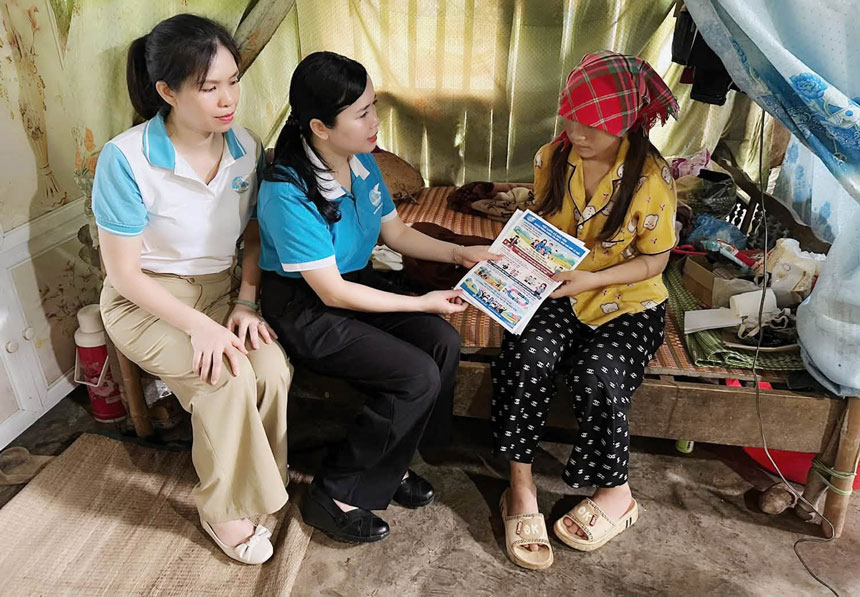
According to Ms. Pham Thi Ngan, in ethnic minority areas, the advice of reputable people sometimes carries more weight than a focused propaganda session.
Once those who have a voice in the lineage agree not to allow their children and grandchildren to marry when they are not old enough, it is possible to prevent early marriage from the very beginning.
Task requires perseverance
Lao Cai currently has 34 ethnic groups living together in 99 communes and wards. The area is large, and the living standards and level of information access between regions are still different, making early marriage prevention and control a task that requires persistence.
According to a report by the Department of Ethnic Minorities and Religions, from the beginning of the year to now, Lao Cai province has recorded 56 cases of early marriage.
Among them, there are 14 cases of early marriage from the wife's side, 8 cases from the husband's side and 34 cases where both husband and wife are not old enough.
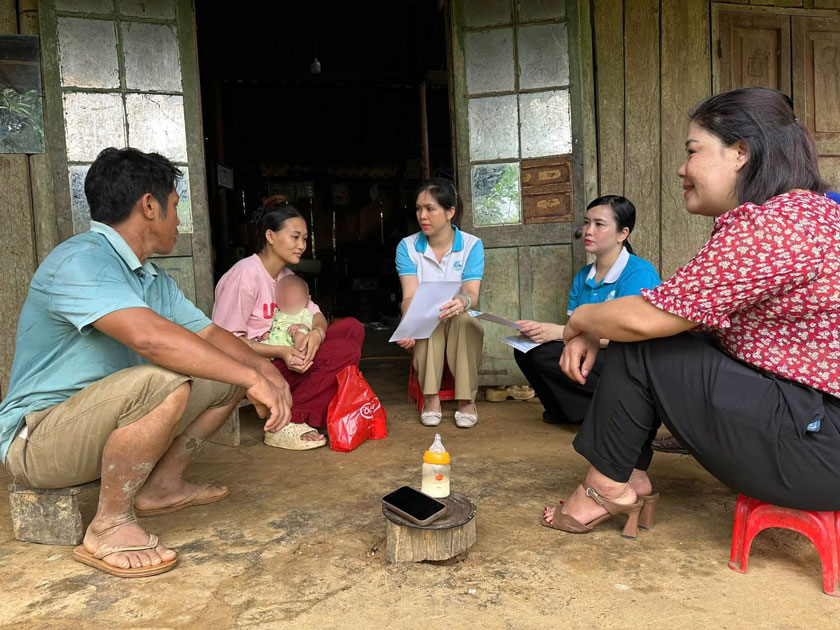
Notably, localities promptly mobilized and prevented 112 couples intending early marriage.
In addition, there are still 444 cases of women under 18 years old giving birth, showing that the gap in knowledge and skills to protect reproductive health and prevent pregnancy in adolescence is still very large.
Therefore, the goal set is not only to reduce the number of reported child marriages but also to prevent them early and remotely.
The consistent viewpoint is not to let children drop out of school, not to let them enter married life when they are not old enough," shared the leader of the Department of Ethnic Minorities and Religions of Lao Cai province.