
In mid-July, along with many localities across the country, Lao Cai province is urgently deploying the collection of DNA biological samples from relatives of martyrs within the framework of "Operation 500 days and nights to promote the search, collection and identification of martyrs' remains".
This is not only a professional task, but also a journey with profound humanistic meaning.
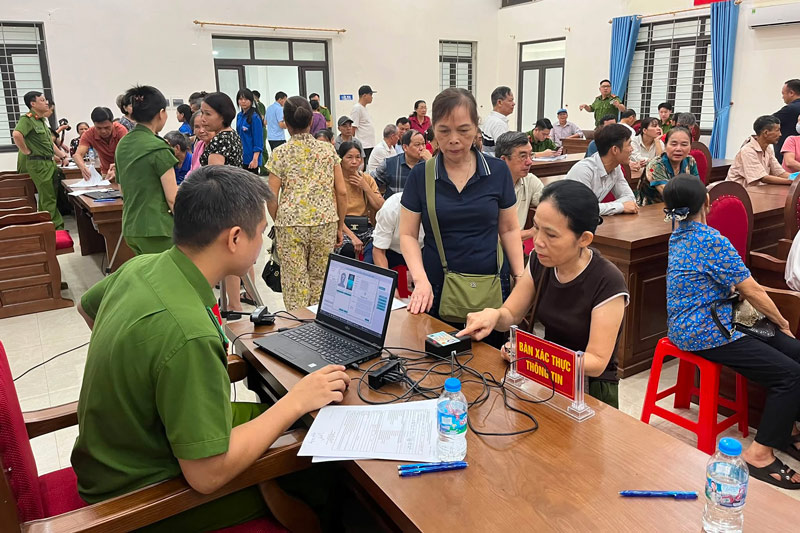
According to the Lao Cai Provincial Military Command, so far functional forces have reviewed more than 1,251 cases of relatives of martyrs.
Of which, 821 DNA biological samples have been collected for testing; the remaining 430 cases do not meet the sampling conditions according to regulations.
In parallel with the work of collecting samples, the search and repatriation of martyrs' remains is also being deployed synchronously.
Since the beginning of the campaign, the forces have mobilized over 3,540 turns of officers, soldiers and related forces to participate in surveying over 530 hectares, excavating over 6,533 m3 of soil and rock, and clearing dozens of hectares to serve the search work.
The units also received 35 sources of information about the burial place of martyrs, verified 30 sources of information, of which 25 information was accurate.
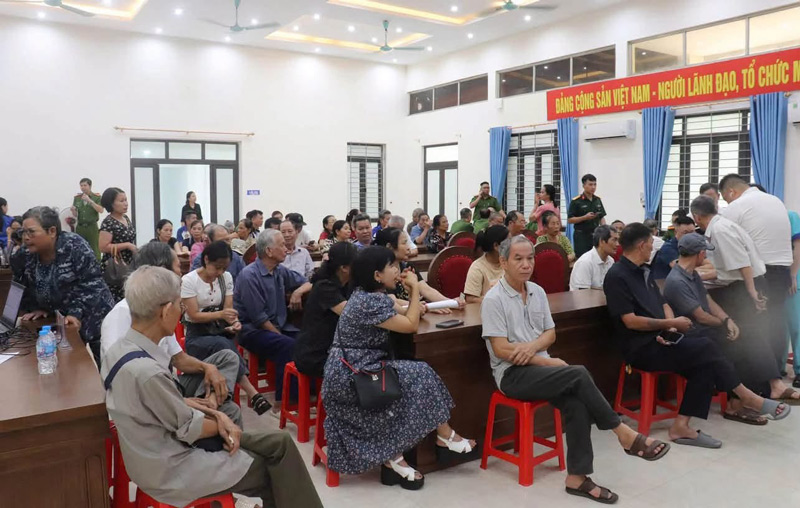
From these data sources, functional forces have searched and collected 14 sets of remains of martyrs, contributing to realizing the wishes of many families after decades of waiting.
To ensure the progress of the campaign, many localities such as Cam Duong, Lao Cai ward, Xuan Quang, Bao Ai, Khanh Yen and Yen Bai ward have proactively reviewed relatives of martyrs, guided the completion of dossiers and arranged vehicles to transport people to sample collection points.
For cases of old age, weak health or difficulty walking, working groups directly go to homes to collect DNA biological samples.
This flexible approach helps not to miss cases that meet the conditions, and at the same time shows the concern and responsibility of the government and functional forces towards policy families.
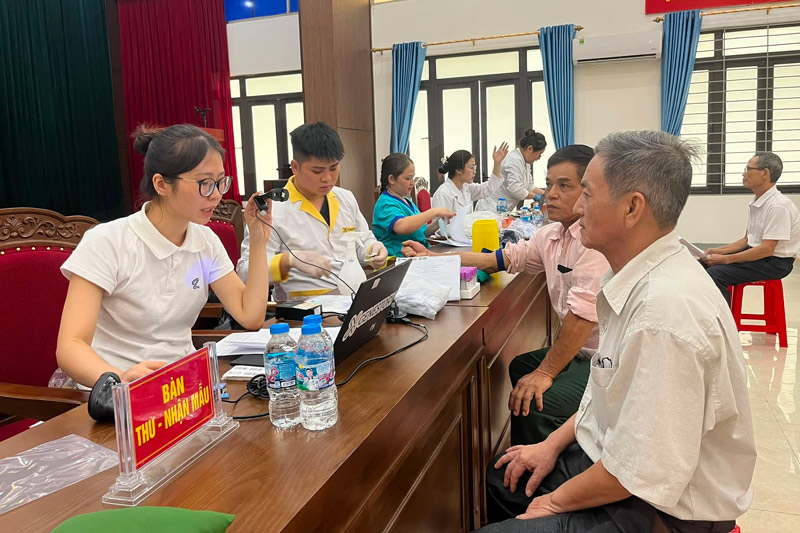
At the collection point, officials wholeheartedly guide people to complete dossiers, support the implementation of procedures and take samples according to the correct procedures, ensuring speed, accuracy, and safety.
Leaders of Lao Cai province determined that the search, repatriation and identification of martyrs' remains is a particularly important political task, and also the responsibility and morality of the entire political system towards those who sacrificed for the independence and freedom of the Fatherland.
The province requests departments, branches, and localities to continue to fully review the relatives of martyrs, accelerate the progress of collecting DNA biological samples, ensuring that no cases that meet the conditions are missed.
At the same time, strengthen coordination between forces, gradually complete the DNA database, improve the efficiency of comparison and identifying martyrs who lack information.
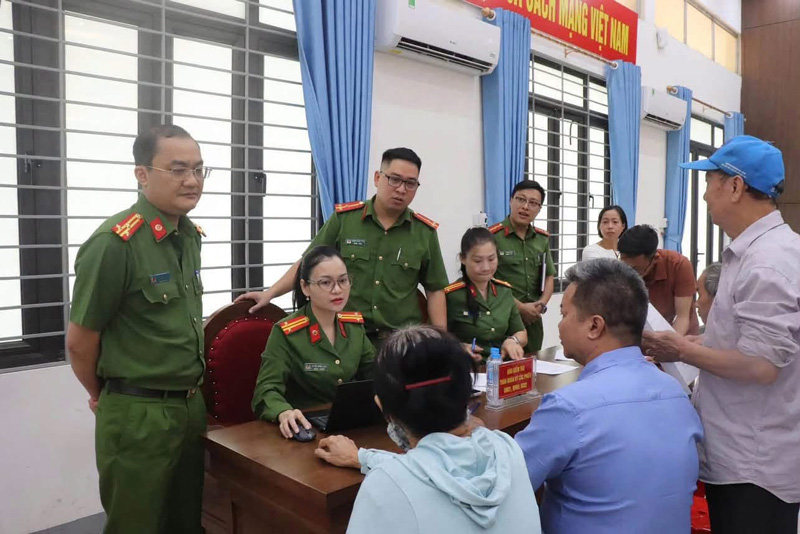
According to functional agencies, each collected DNA biological sample is not simply a scientific data. It is also a bridge between the past and the present, opening up more opportunities for the children who bravely sacrificed to be correctly named after many years of being unknown.
Promoting the collection of DNA samples also contributes to the effective implementation of the "Gratitude" policy, meeting the aspirations of relatives of martyrs nationwide.
This is a practical action to show gratitude to those who fell for the Fatherland, and at the same time deeply spread the tradition of "When drinking water, remember the source" of the nation.


