
After each heavy rain, many traffic routes in Lao Cai province experience the situation of soil and rocks from the positive taluy slope spilling onto the road surface.
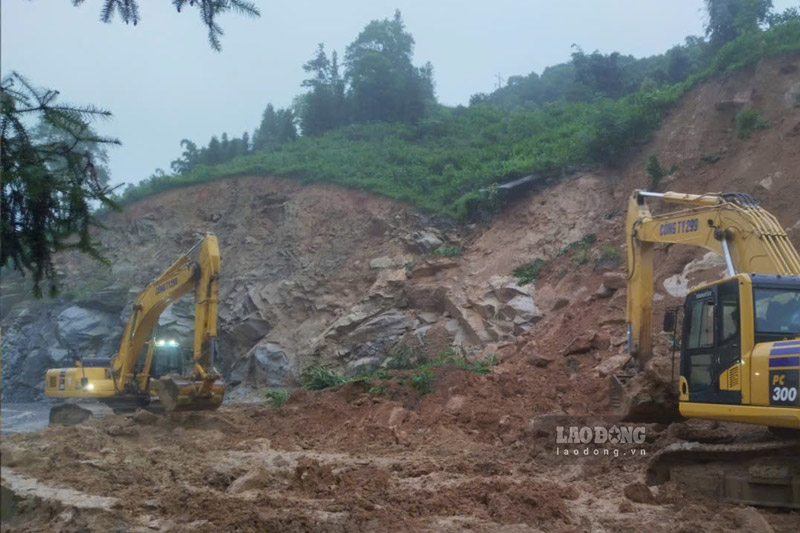
At the beginning of September, at Km11+150 National Highway 2D, belonging to Hong Van village, Thac Ba commune, about 150m3 of soil and rock from the positive taluy slid down, extending 15m.
Traffic through the area is basically guaranteed, but the top taluy still poses a risk if heavy rain continues to occur.
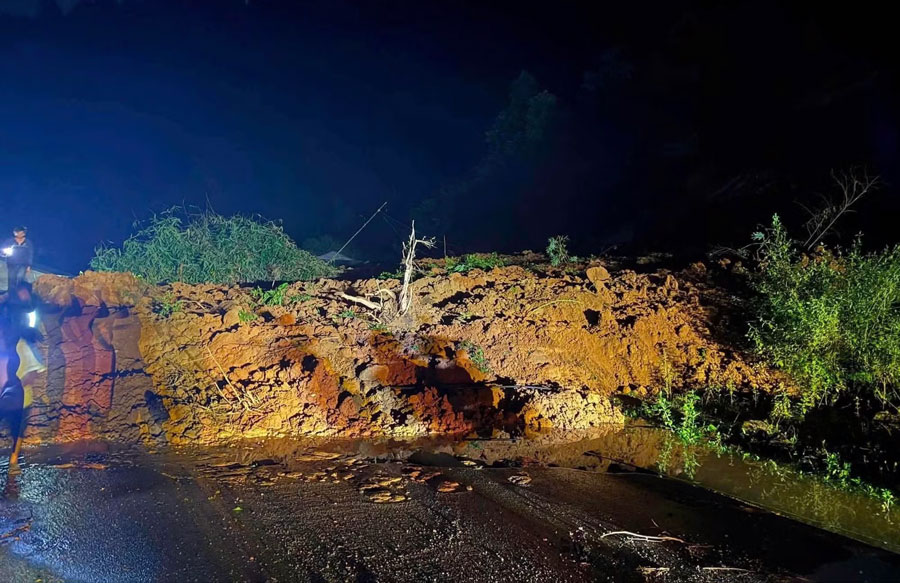
Ms. Dang Thi Ngan, a resident of Hong Van village, who regularly travels on this road, shared - on rainy days, people are always worried and insecure when passing through areas with high slopes.
Not only National Highway 2D, many other traffic routes in Lao Cai also recorded landslide points after natural disasters.
In the heavy rain at the end of August alone, the whole province recorded about 2,708m3 of soil and rock landslides on national highways and local roads.
Immediately after the incident occurred, road management units mobilized manpower and vehicles to collect soil and rocks, clear the road surface, and ensure traffic.
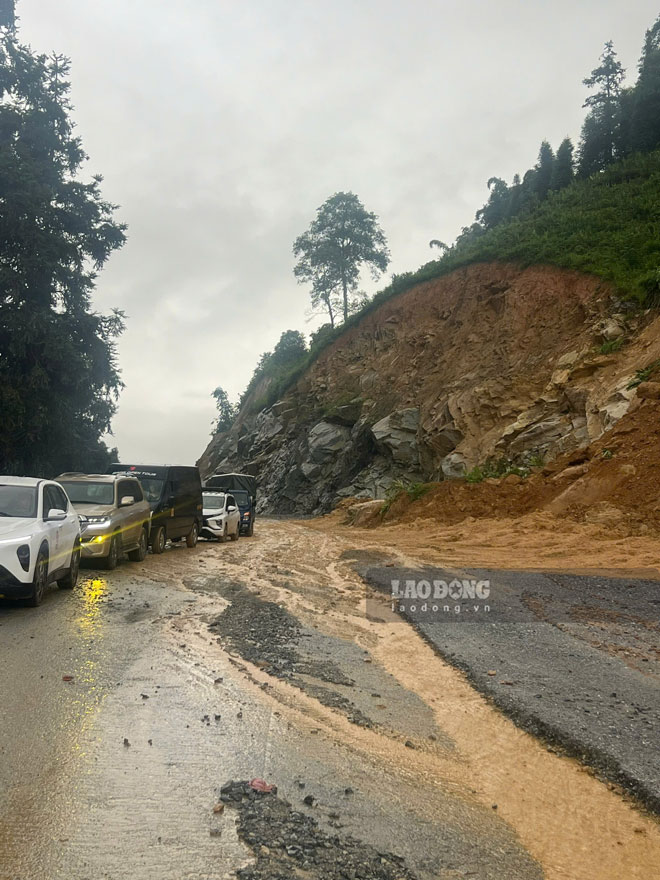
Representatives of Construction and Trading Development Joint Stock Company No. 909 said that the unit currently manages nearly 350km of roads in Lao Cai province, including Provincial Roads 163, 164, 165, 170, 171, 172 and National Highways 2D, 32C.
To limit the risk of congestion, especially on unique roads connecting residential areas, districts and management teams are reviewing and identifying locations at risk of landslides that may cause traffic unsafety for regular monitoring.
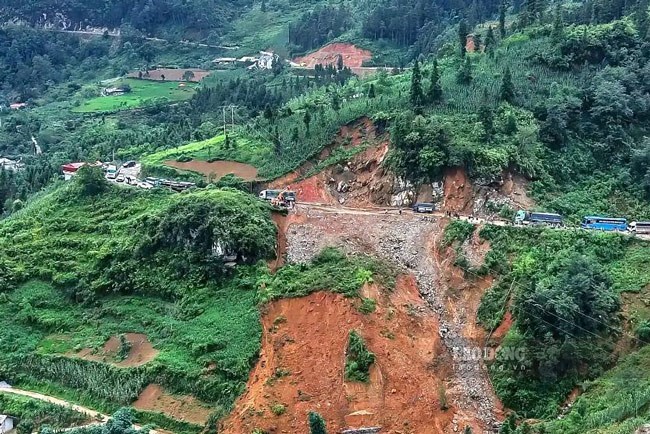
Meanwhile, Yen Bai Road Construction Joint Stock Company I currently manages more than 325km of roads, including National Highway 32, National Highway 37 and 5 provincial roads in Lao Cai province.
Most routes pass through high mountainous terrain, deep abysses, often affected by heavy rain and the risk of taluy landslides.
Not waiting until soil and rocks spill onto the road to fix it, this unit has proactively organized road patrols, regular inspections and identified high-risk locations for special supervision.
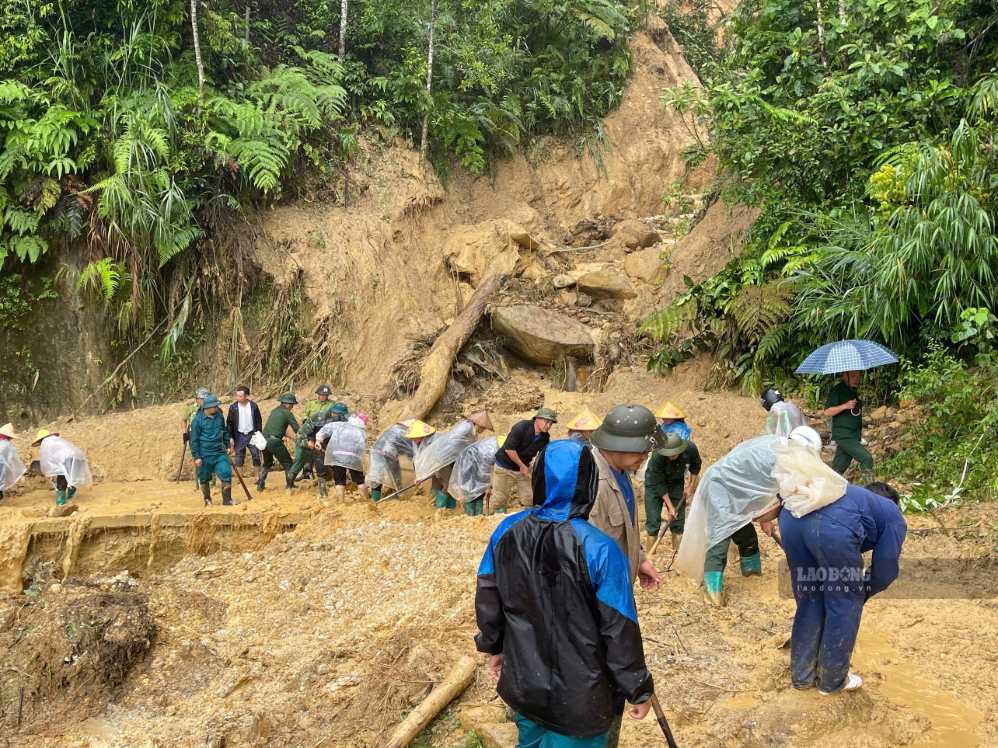
In which, the area from Km239 to Km243, Khau Pha pass and the section through old Ho Bon commune are identified as locations that need to be closely monitored.
Patrol teams closely monitor the area, inspect key points, and coordinate with local authorities to promptly detect risks that may cause traffic disruption.
Along with early detection, road management units also maintain forces and vehicles ready in key areas.
When landslides occur, traffic diversion, warning signs are placed and machinery is mobilized immediately to limit congestion time.
Mr. Nguyen Xuan Ha, Deputy Director of the Lao Cai Road Maintenance Management Board, informed that locations that often experience landslides annually have plans, stockpiled reserve materials as well as machinery for timely handling.
In the 2026-2027 period, Lao Cai province allocates 168 billion VND to repair and maintain roads.
This resource is expected to contribute to gradually handling key points, improving the resilience of the transportation system to increasingly complex weather developments.


