
Sacred forests nurture villages
Under the dark green forest canopy of the mountainous region of Kim Dien (Quang Tri province), where mountains and clouds are still clinging to the clear streams, there is a ritual that silently exists through many generations, persistently like the lives of the people here. That is the Giang Son worshiping ceremony, a sacred ritual associated with the forest, with the land, with community memories and the belief towards the roots of the Chut ethnic people.
Kim Dien today is the result of the merger of Hoa Hop and Hoa Son communes. The land is a place that preserves layers of long-standing cultural sediments. Amidst the changes of time, the Giang Son worship ceremony is still preserved by the people as a red thread connecting the past with the present, people with nature, villages with heaven and earth.
For the Chut people in Hoa Son in the past, now Kim Dien commune, the forest is not only a living space but also a sacred entity. The forest feeds people with products, protects villages from natural disasters, and supports spiritual life through many ups and downs. In everyone's subconscious, every stream, every tree root, every blade of grass carries the soul of heaven and earth.
Precisely from that cherishing, the Giang Son worshiping ceremony is formed and passed down from generation to generation. The offerings are all familiar local products: pigs, chickens, sticky rice, wine, fish, bamboo shoots... Along with that is a folk song, echoing slowly and quietly in the mountain and forest space, like a sacred dialogue between humans and gods.
The Chut people believe that, through the ritual and ceremony of asking for keo, the gods will witness their sincerity, bestow favorable weather, good harvests, peaceful families, and peaceful villages. The worship ceremony is not only a prayer, but also an opportunity to repay thanks, thank heaven and earth, forest gods and ancestors for blessing a peaceful and prosperous life.
According to folk culture researchers, Giang Son worship is a ritual that synthesizes many values. Mr. Dinh Thanh Du believes that the worship ceremony aims to pray for blessings so that people have abundant health, good harvests, and livestock and poultry develop favorably, without epidemics or loss. That is a simple but solid belief, crystallized from living experience in the mountains and forests.
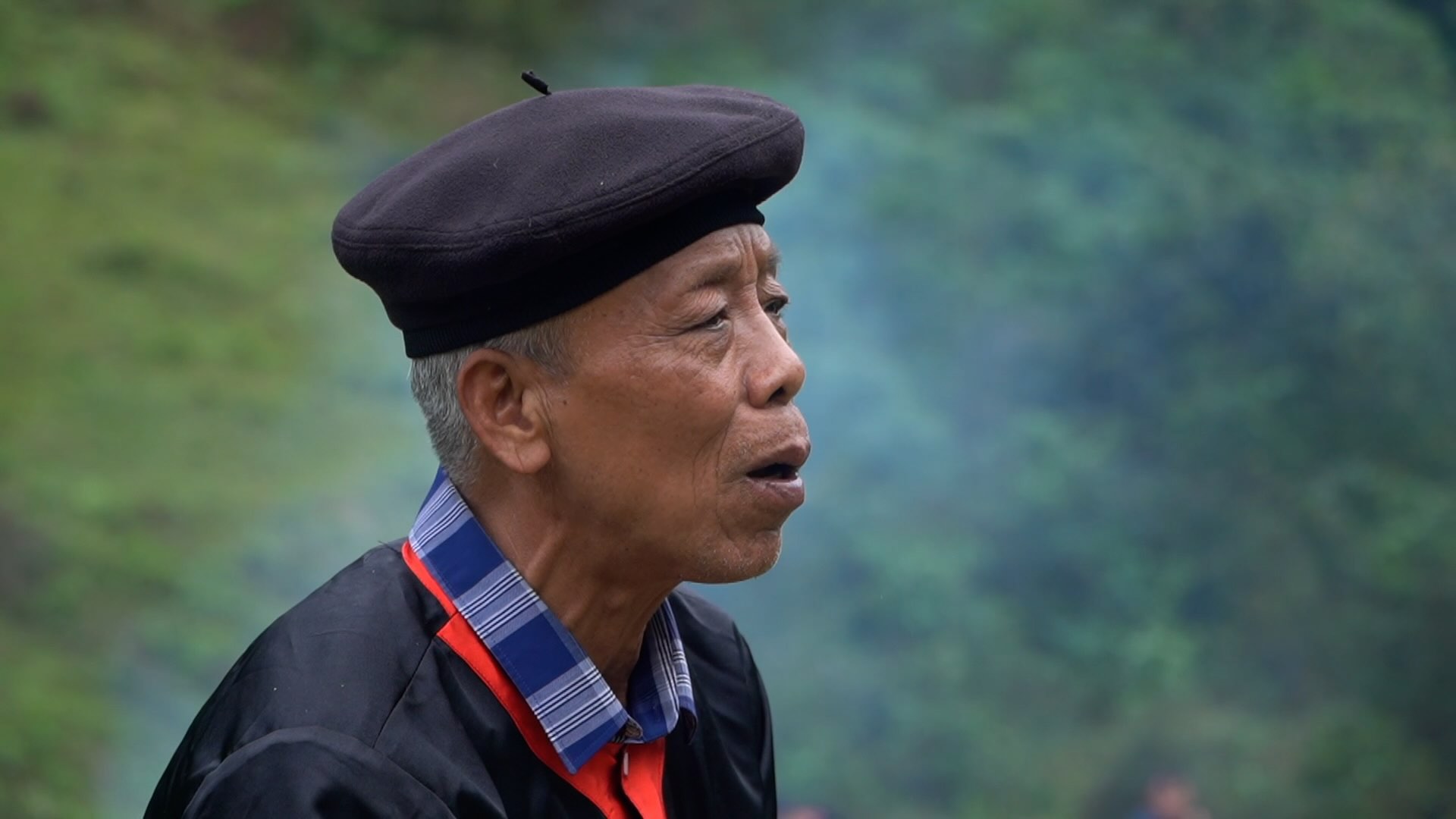
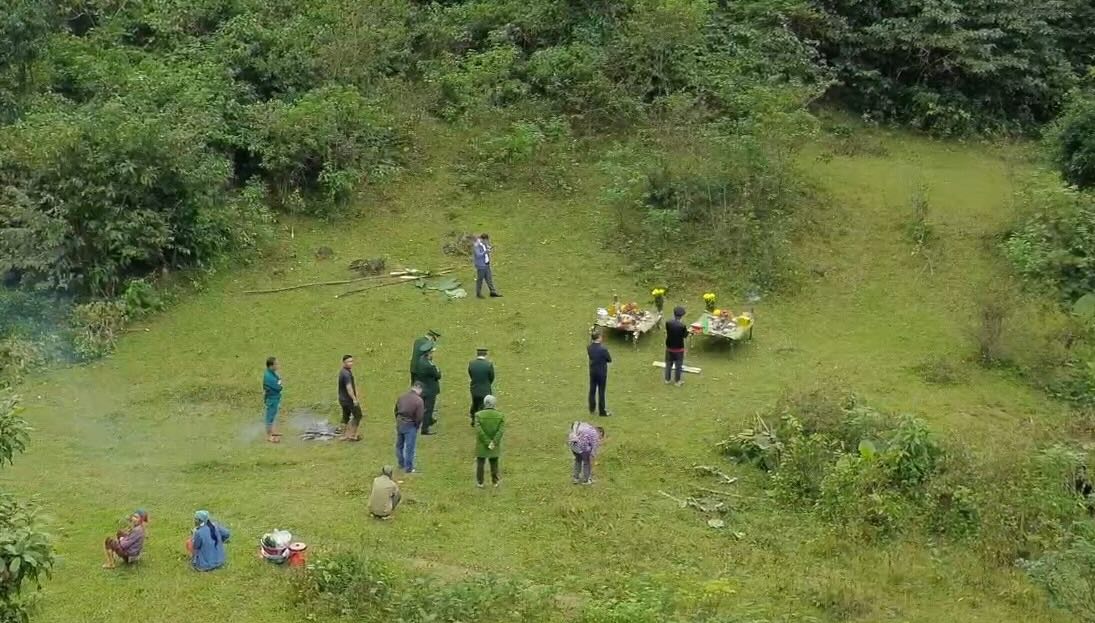
From a community perspective, Mr. Dinh Xuan Duc - former Secretary of the Party Committee of Hoa Son commune emphasized the solidarity of the ritual. For him, the Giang Son worshiping ceremony is first and foremost to pray for peace for each member in the village, hoping that everyone will be healthy all year round and have good luck in business. But deeper down, this is also an opportunity for people to gather, show consensus, attachment, and cohesion in the community, which has helped the Chut people survive and develop amidst the many difficulties of the mountainous region.
Currently, Kim Dien commune has more than 550 households with 2,172 people of ethnic minorities living in villages such as Luong Nang, Hoa Luong, Thuan Hoa, Dang Hoa, Tang Hoa. In their religious life, the Giang Son worshiping ceremony is the ceremony of worshiping forest gods, sacred beings associated with each residential area of the community from ancient times.
Ritual of connection
In the worship ceremony, the host of the ceremony must call the forest god first. That is the supreme guardian god, witnessing all human activities in the mountains and forests. After that, gods in other areas related to the past and present life of the people are also invited in turn. Next is the land god, then the deceased villagers, the ancestral souls returning to witness and enjoy the offerings.
The worshiping ceremony usually takes place from early morning to noon. As soon as the sun is still faintly visible behind the mountains, people in the village are busy preparing offerings. Each family contributes a part, regardless of how much or how little, the important thing is sincerity.
According to the Chut people's belief, before participating in the worship ceremony, each person must be "cleaned up", cleansed their body to remove impurities and mistakes. Only when the body and mind are clean, do people have enough conditions to enter the sacred space. Otherwise, the gods will not accept and bestow blessings.
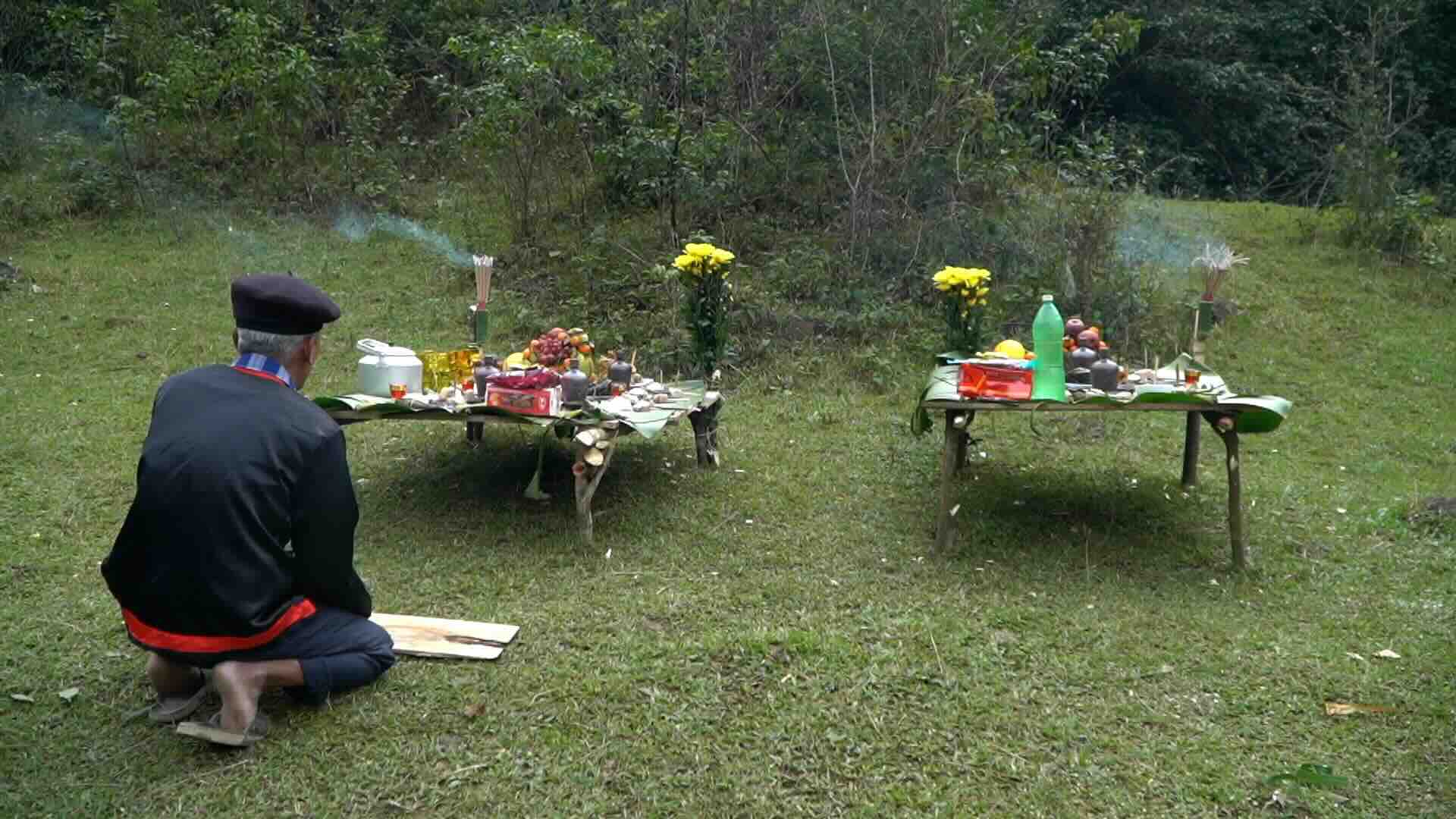
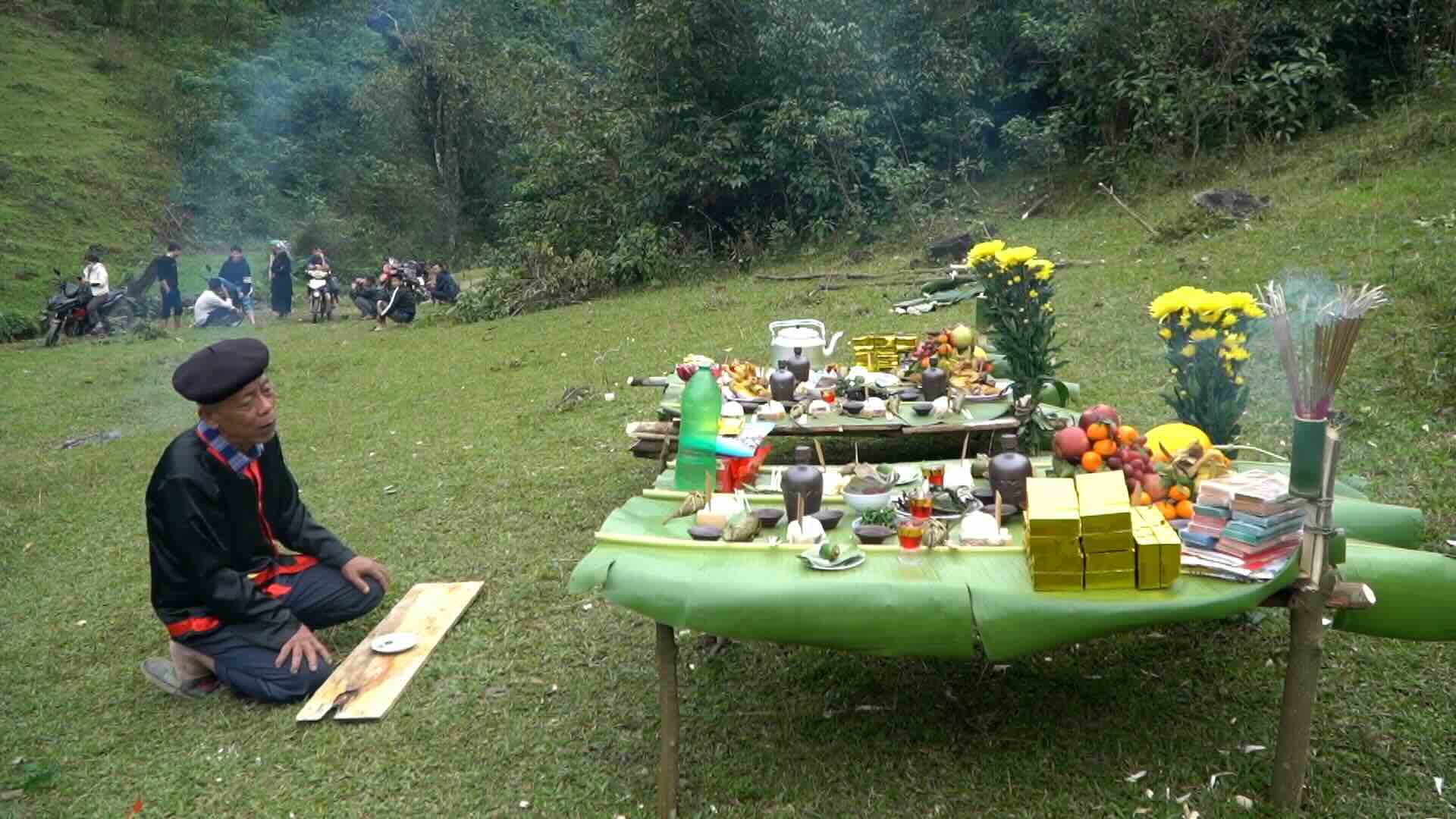
The officiants are usually reputable, experienced people who are familiar with the mountainous terrain and streams around the village. They are both ritual guides and bridges between the community and the spiritual world. When the rituals end, everyone enjoys the offerings together, a way to share blessings, connect the community and receive good luck for the upcoming journey.
After the solemn ceremony part is the bustling and warm festival part. Next to the jar of can wine, next to the tray of sticky rice and meat, laughter and talking echoes to dispel fatigue. Old people tell old stories, young people listen, learn to cherish the values that have nurtured the community through generations.
The festival part is not noisy and bustling in the style of a lowland festival, but calm and friendly. It is sharing joys and sorrows, and words of encouragement to each other to overcome difficulties and build a village that is increasingly prosperous and strong.
In the context of modern life creeping into each village, the Giang Son worship ceremony is also facing the risk of fading away. Clearly aware of this, the local government has been and is coordinating with village elders, village chiefs, and prestigious people to restore and preserve this ritual.
According to the leader of Kim Dien commune, in the coming time, the locality will promote propaganda to help people understand that Giang Son worshiping ceremony is not only a belief, but also a unique cultural heritage that needs to be preserved and promoted. Communication will be expanded not only in the commune but also spread throughout the district, in order to honor the unique identity of the Chut people.
Through restoration activities, village elders and village chiefs will directly impart skills and knowledge to the younger generation, from how to prepare offerings, perform rituals, to the deep meaning of each prayer. That is the way for culture not to be "framed" in museums, but to continue to live and breathe with the community.
Further, the Giang Son worshiping ceremony also opens up directions for cultural tourism and community tourism development. Tourists come to Kim Dien not only to admire the mountains and forests, but also to listen to the story of the harmonious relationship between people and nature, about the belief, gratitude and solidarity of a community living on the forest but not destroying the forest.
In the midst of modern life, the Giang Son worshiping ceremony still silently reminds people of the morality of "drinking water, remembering the source", of the responsibility to preserve the forest, preserve the land, and preserve the values that have made Kim Dien's identity. It is not just a ritual, but the soul of the land, where the past, present and future meet under the green forest canopy.


