
After a month of implementing the bus ticket exemption policy, the number of passengers in Ho Chi Minh City increased by nearly 40%, showing that people are gradually paying more attention to public passenger transport.
However, free tickets are only a short-term stimulus solution. To retain passengers for a long time, buses must ensure punctuality, move quickly and be competitive enough with motorbikes.
This is also the reason why Ho Chi Minh City is studying to organize priority lanes for buses on routes and areas with sufficient infrastructure conditions such as Nguyen Huu Canh and Nguyen Tat Thanh streets after expansion.
In addition, the city also calculates many other priority solutions such as allowing buses to circulate in sidewalk lanes or mixed lanes, prioritizing traffic lights and prioritizing at intersections to shorten travel time.
Cannot be applied widely
According to Master Le Trung Tinh - Chairman of the Ho Chi Minh City Passenger Transport Association, developing priority lanes for buses is an inevitable trend if the city wants to improve public transport capacity.
When not having to travel in a mixed traffic flow, the bus speed can increase by 20 - 40%, the journey is more stable, while reducing operating costs and improving service quality.
However, according to Mr. Tinh, Ho Chi Minh City cannot deploy it widely due to the high density of motorbikes, many narrow roads, dense intersections and high traffic volume. If separate lanes are arranged on routes that do not meet the conditions, it will increase traffic pressure.
The lesson from the priority lane on Tran Hung Dao street in the past shows that infrastructure, traffic organization and sanctions for violations must be implemented synchronously to be effective.
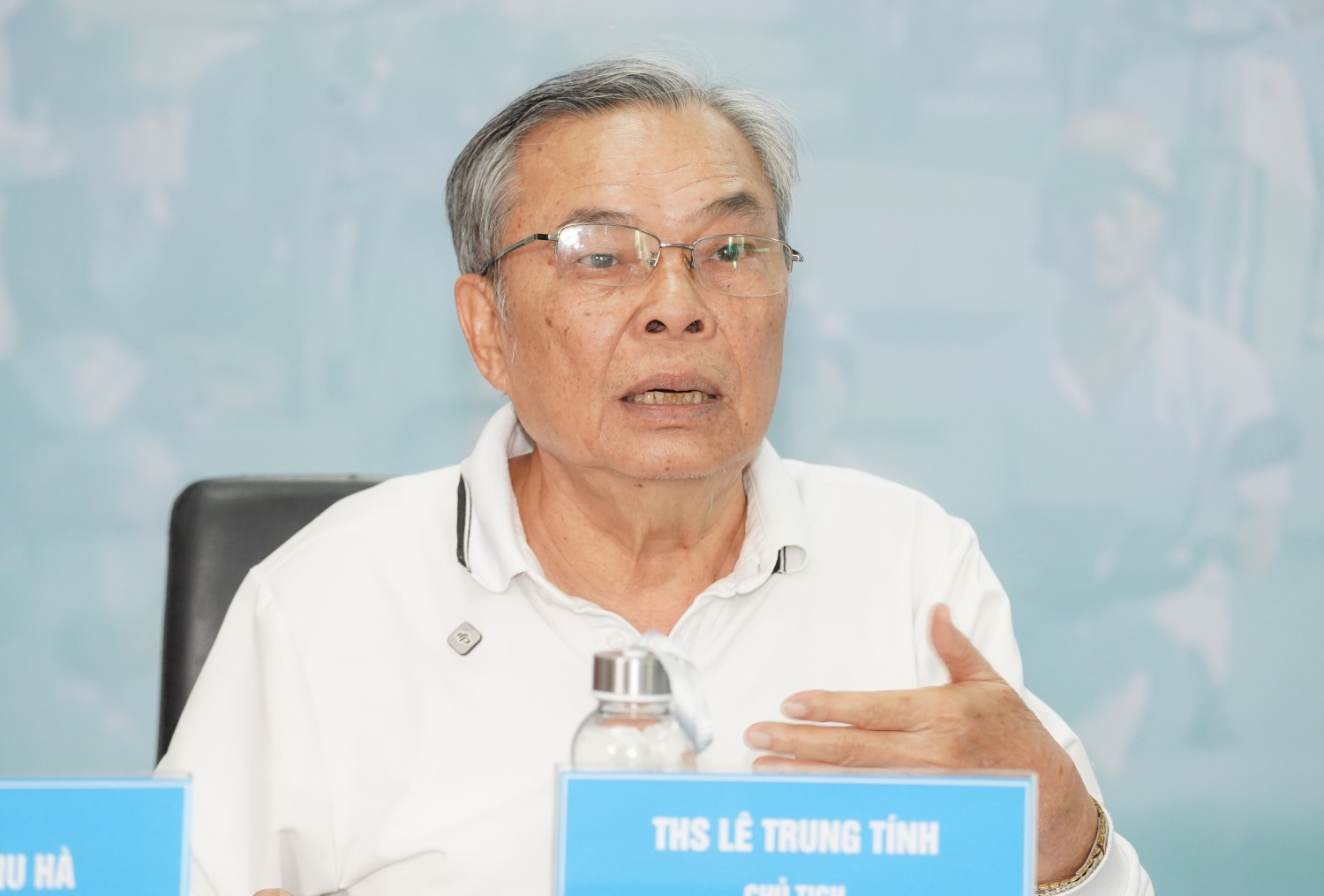
Mr. Tinh believes that the city should only prioritize deployment on wide roads from 8 - 10 lanes, with large bus traffic, connecting the metro, bus station and city center such as Nguyen Huu Canh or Nguyen Tat Thanh after expansion.
Meanwhile, central roads with only 4-6 lanes will be very difficult to arrange priority lanes if personal vehicles are not significantly reduced.
In the immediate future, the city can organize priority lanes during peak hours instead of operating 24/24 hours to take advantage of infrastructure and reduce impact on general traffic.
At the same time, prioritize arranging in sections that are frequently congested, areas near metro stations, central gateways or intersections with many bus routes passing through instead of applying it on the entire route.
In addition, priority lanes are only effective when arranged on corridors with high bus frequency.
At the same time, it is necessary to apply AI, GPS, cameras and traffic data to operate buses, combine with remote fines, and strengthen supervision to limit lane encroachment.
The priority lane is not a'magic wand' to solve all problems of public transport, but needs to be implemented synchronously with solutions such as increasing bus connections with the metro, developing public buses, upgrading waiting rooms, deploying interconnected electronic tickets and expanding the bus network to new urban areas" - Mr. Tinh emphasized.
Wanting buses to be on time must have priority
Deputy Director of Ho Chi Minh City Department of Construction Bui Hoa An said that currently the rate of buses departing on time is about 97%.
However, more importantly, the car must arrive at the stop and destination on schedule so that passengers can be proactive in their travel plans.
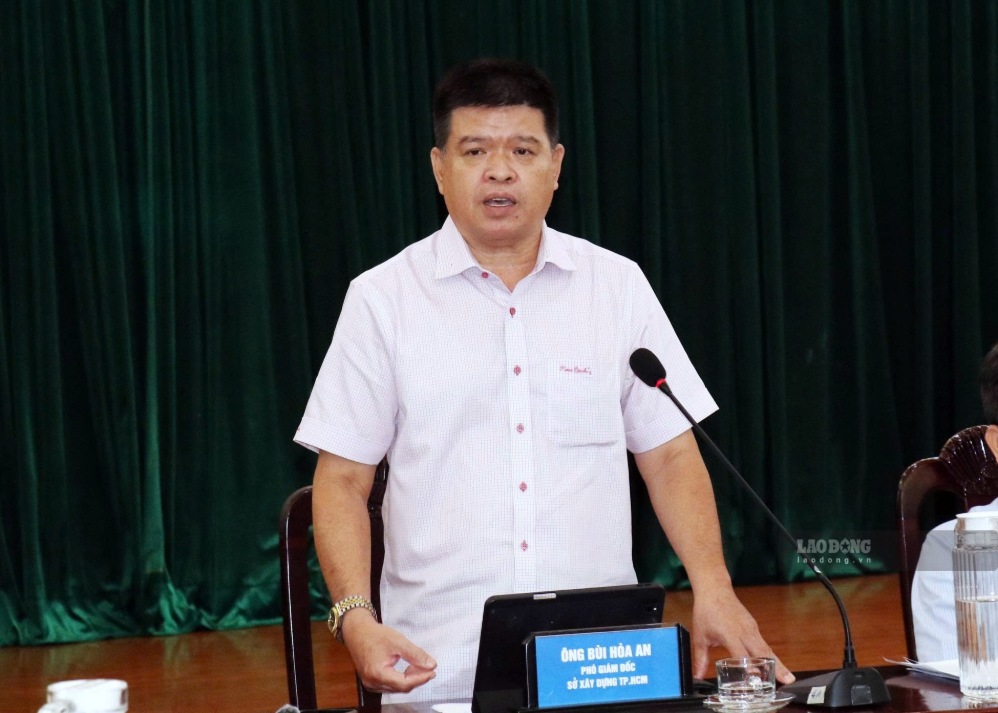
According to Mr. An, the convenient connection between the stop, waiting area and the departure and destination points is also a decisive factor in whether people choose buses or not.
In the context of high traffic density in Ho Chi Minh City, ensuring bus punctuality is almost very difficult if you still have to move with mixed traffic flows.
Therefore, functional sectors are studying the deployment of priority lanes on eligible routes or organizing priorities according to appropriate time frames, thereby improving operating speed, ensuring the stability of buses and creating long-term attraction for people.


