
The support of the elderly
At the age of 69, Ms. Nguyen Thi Thao (Tay Ho ward, Hanoi) does not have a pension and no longer has the ability to work to generate income. Her daily life mainly depends on the support from her children and her husband's allowance.
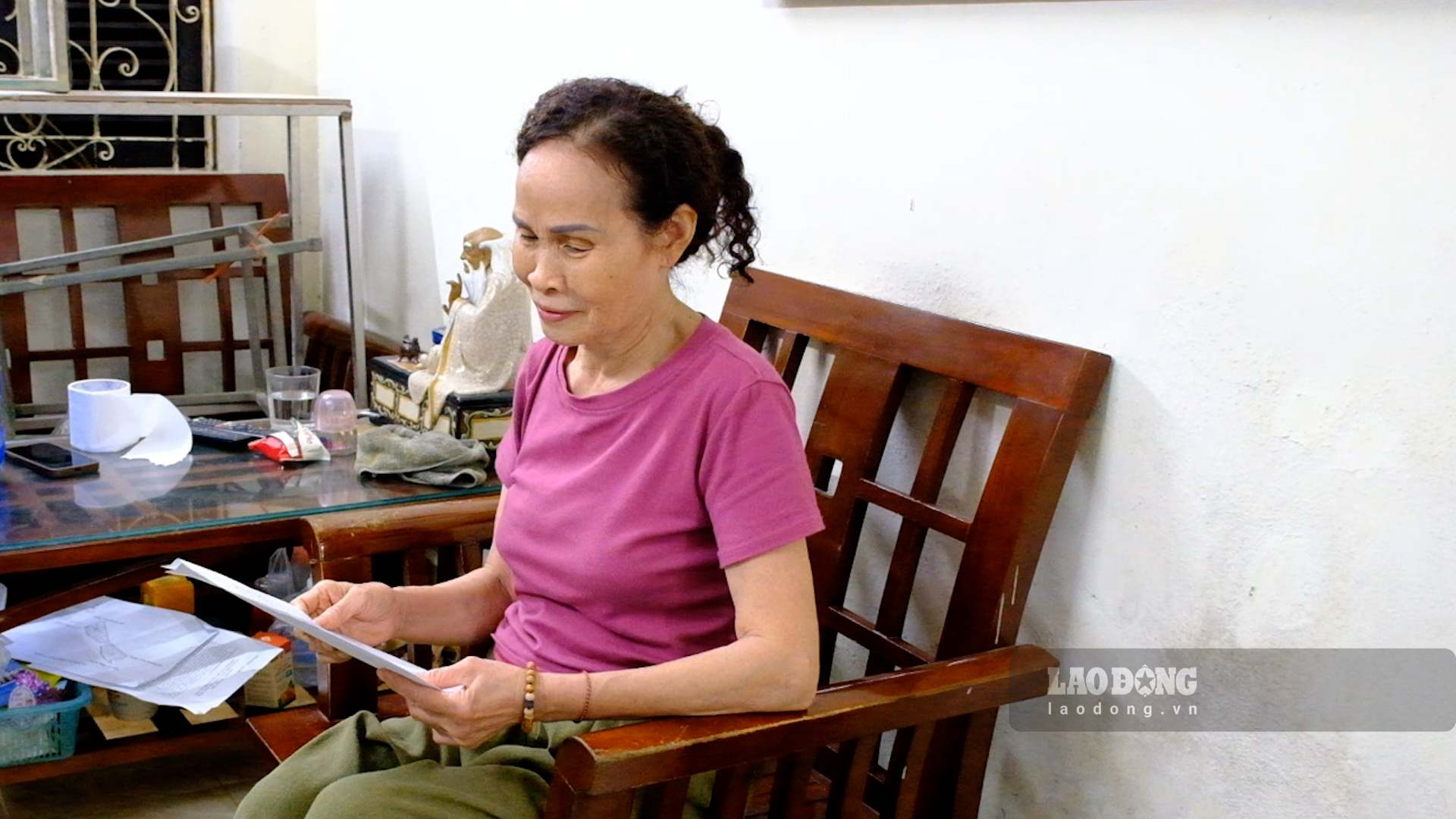
From her own reality, Ms. Thao hopes that the age to receive social pension benefits will be adjusted from 75 to 70 years old soon to have more support to cover living expenses, and at the same time reduce the burden for her children and grandchildren.
Every day, I stay at home to look after my grandchildren so that my children can feel secure to go to work. All expenses depend on the children, while the children are also facing many difficulties. If I receive social pension benefits sooner, I will have an extra amount to be proactive in spending, less dependent on my children and grandchildren," Ms. Thao shared.
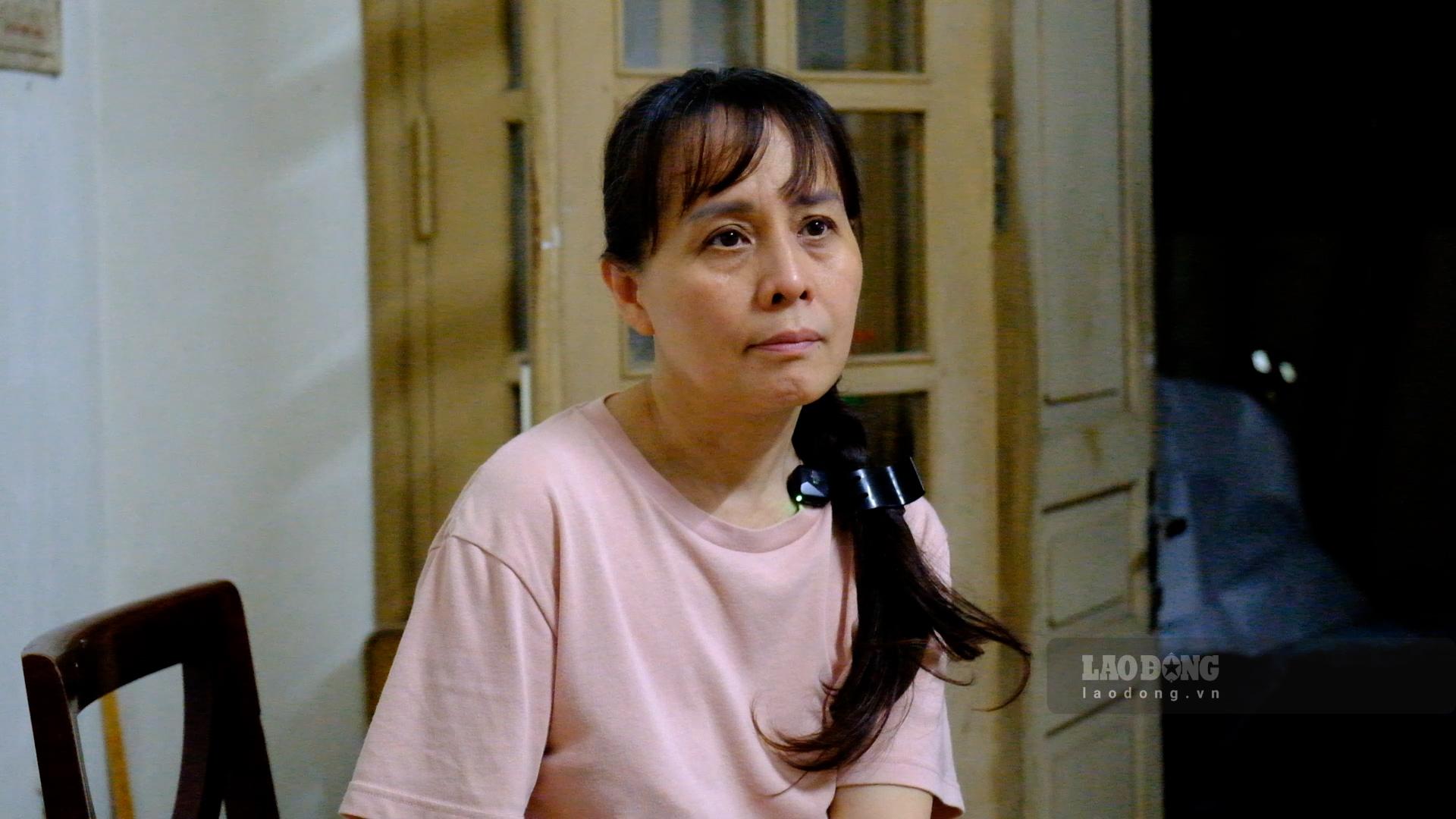
Sharing the same view, Ms. Hoang Minh Nguyet (Tay Ho ward, Hanoi) said that when they are old, their health declines and they are no longer able to work, the elderly really need financial support to ensure their lives.
In my opinion, reducing the age for enjoying social pension benefits is necessary. As the quality of life is increasing, living expenses are also increasing, while many elderly people are no longer healthy enough to work to earn income," Ms. Nguyet expressed.
Minimum social security for the elderly
Previously, the Ministry of Home Affairs had consulted on the draft Law amending and supplementing a number of articles of the Law on Social Insurance. One of the notable contents is the proposal to gradually reduce the age of starting to receive social pension benefits to 70 years old, in accordance with socio-economic development conditions and the ability to balance the budget for each period. When the necessary conditions are met, the Government will submit to the National Assembly Standing Committee for consideration to continue reducing the age to below 70.
According to Master of Public Policy Nguyen Tuan Anh - Saigon Industry Corporation, this is a proposal of positive significance and should be considered in a cautious but drastic spirit. The important thing is not only to reduce the age milestone from 75 to 70, but also to gradually establish a minimum social security floor so that elderly people who do not have pensions, no longer have the ability to work or lack stable support are not left behind.
For many elderly people, especially informal workers, rural workers, people who used to do seasonal jobs or women with interrupted labor market participation, a monthly allowance, although not large, is of practical significance. This allowance helps them cover a part of the cost of living, medicine, and travel; and at the same time reduces pressure on families and local authorities in difficult situations.
For policies to go into sustainable life, it is necessary to implement them according to a clear roadmap, with forecasts of the number of beneficiaries and budget impact in the medium and long term; and prioritize truly vulnerable groups such as poor and near-poor elderly people, living alone, in remote and isolated areas, without pensions and lacking regular support," Master Nguyen Tuan Anh said.
In the long term, Master Nguyen Tuan Anh emphasized the need to move towards building a unified social security data system, connecting population information, social insurance, income, poor households and benefits status. At that time, eligible people can be reviewed, notified and paid proactively instead of having to prove their circumstances themselves.


