
According to the organizers, in recent years, the Mekong Delta (Mekong Delta) has been facing unprecedented fluctuations. Surface water sources are increasingly dependent and fluctuate strongly according to upstream flows. Meanwhile, groundwater resources are overexploited, leading to reduced reserves and land subsidence. The issue of saltwater intrusion is no longer following the old rule but is increasingly going deeper, prolonging and difficult to predict.
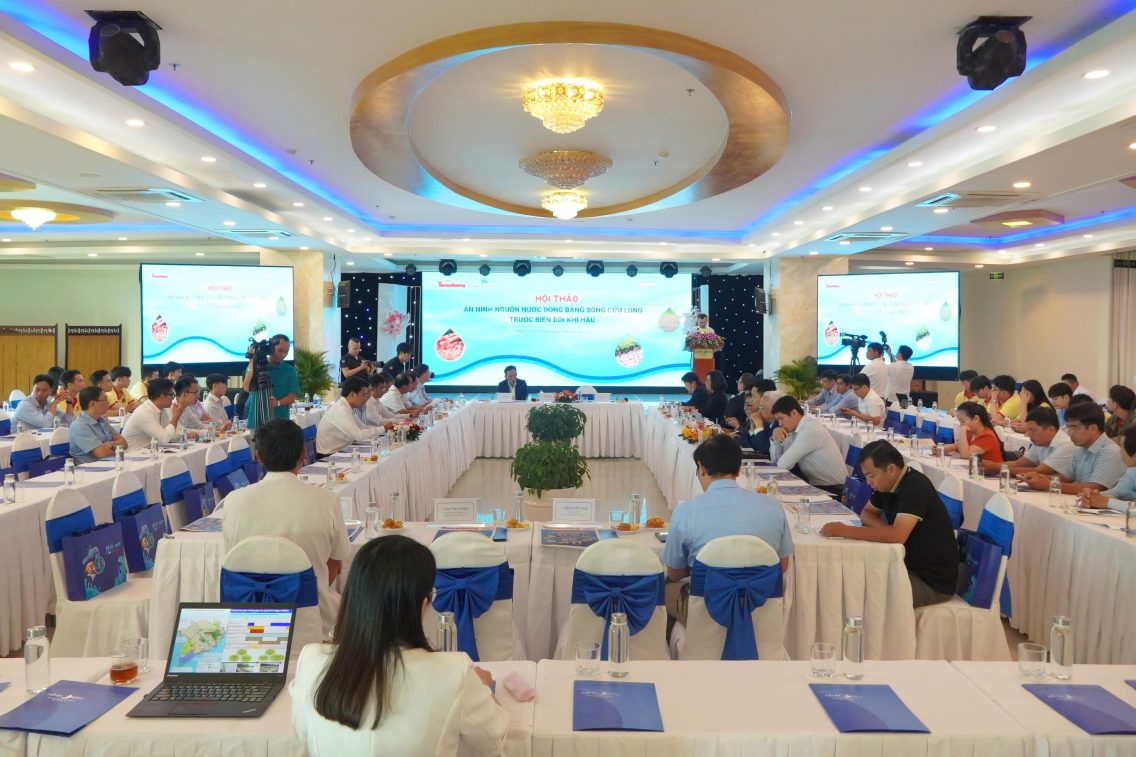
In some places, saltwater has entered every internal canal. At times, even domestic water is affected. People have to buy each can of water, each barge carrying water for use. Not only that, climate change, sea level rise, along with the decline of alluvium are changing the natural structure of the whole region. The delta is not only lacking water, but also losing the basic conditions for self-recovery.
All of these factors are directly affecting the livelihoods of millions of people, agricultural production, the environment and the socio-economic structure of the region.
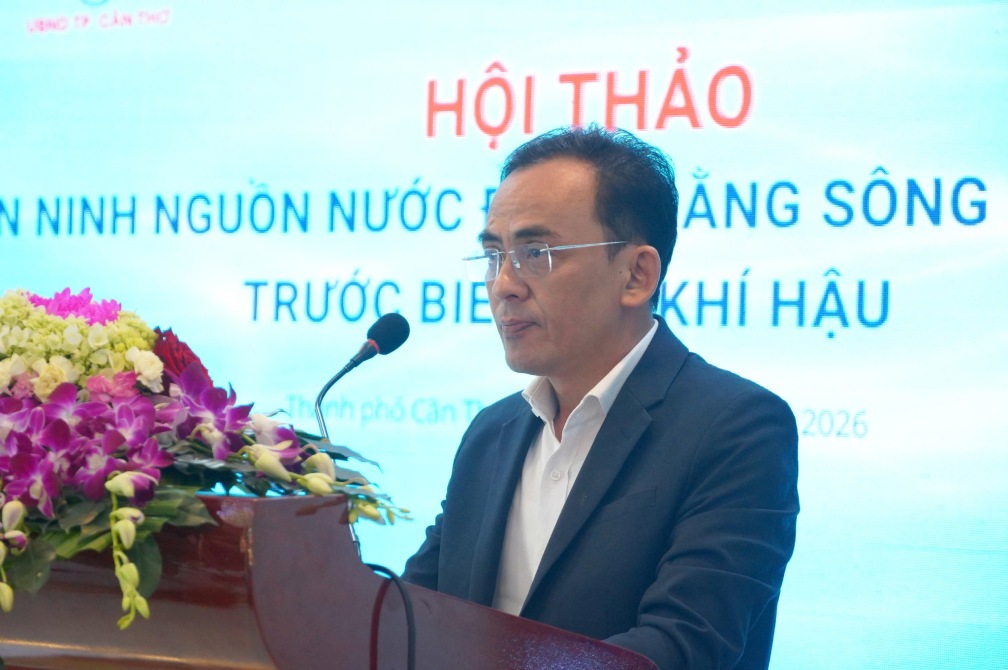
Mr. Nguyen Hoang Anh - Deputy Director of Can Tho Department of Agriculture and Environment said that Can Tho has a dense system of rivers and canals and relatively abundant water sources, but is increasingly clearly affected by climate change. Phenomena such as tidal flooding, drought, saltwater intrusion and freshwater shortage in the dry season are becoming increasingly common. Riverbank erosion and land subsidence are also increasing, in the context of increasing demand for water exploitation and use.
Mr. Nguyen Hoang Anh said that Can Tho city is implementing many synchronous solutions to ensure domestic and production water sources, while limiting land subsidence. Planning to 2030, vision to 2050, identifying effective management, exploitation and use of water resources as a key task.
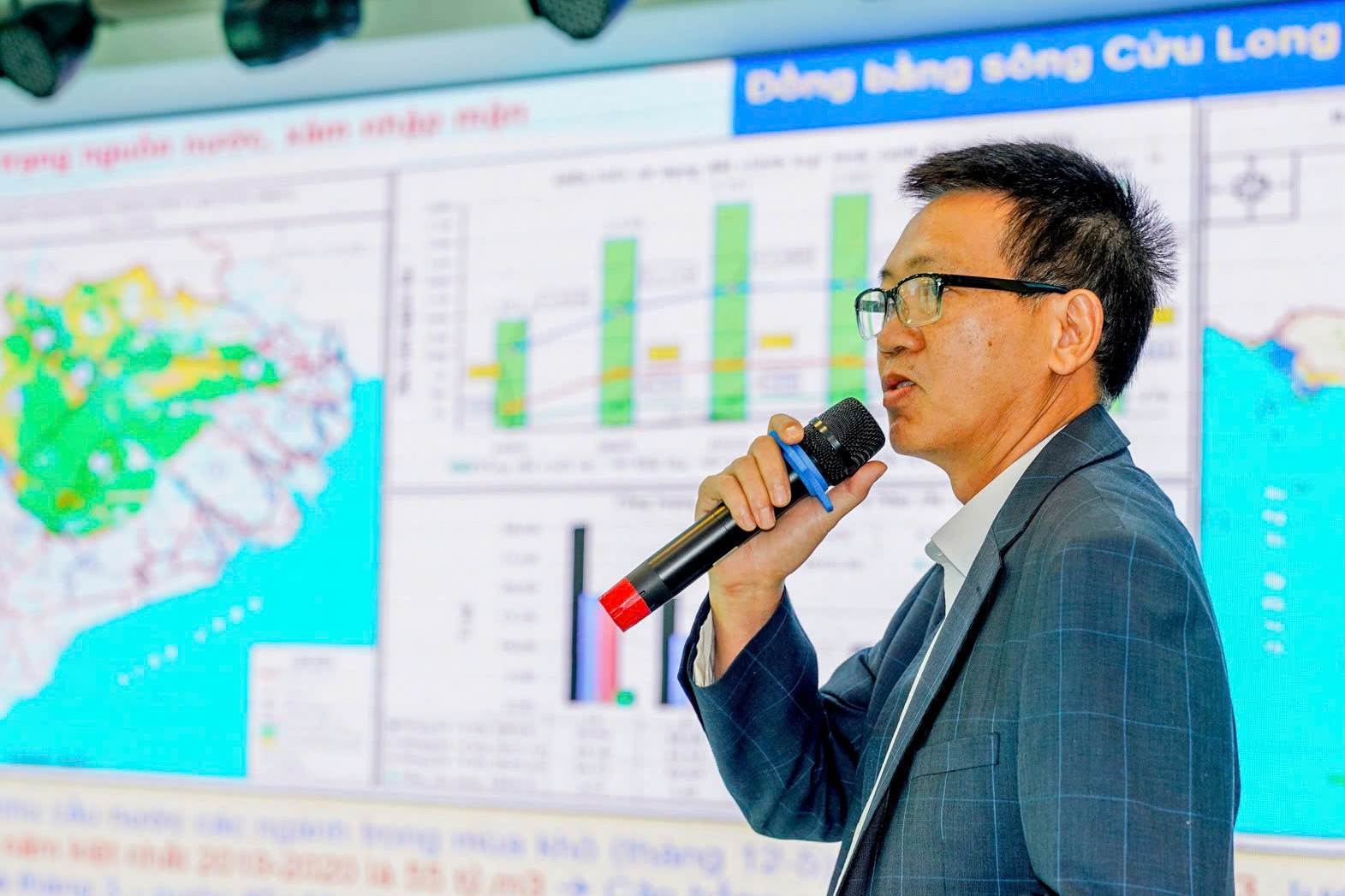
Assoc. Prof. Dr. Nguyen Phu Quynh - Deputy Director of the Southern Institute of Irrigation Science informed that, in the face of this situation, it is necessary to shift thinking from agricultural production to agricultural economy, considering saltwater, brackish water and fresh water as resources. Water management must shift from isolated construction to inter-regional, inter-provincial management, towards modern governance. Key solutions include improving forecasting capacity, operating interconnected irrigation systems, organizing flexible production according to water source conditions, and promoting digital transformation in management.
Regarding the project, Assoc. Prof. Dr. Nguyen Phu Quynh said that it is necessary to continue investing in saltwater control projects, building control systems at large rivers, upgrading sea dikes and developing water transfer works, connecting water sources between regions. At the same time, focus on large-scale water storage solutions in canal systems and small-scale at households such as ponds, ditches, and fields to proactively respond to saltwater intrusion.
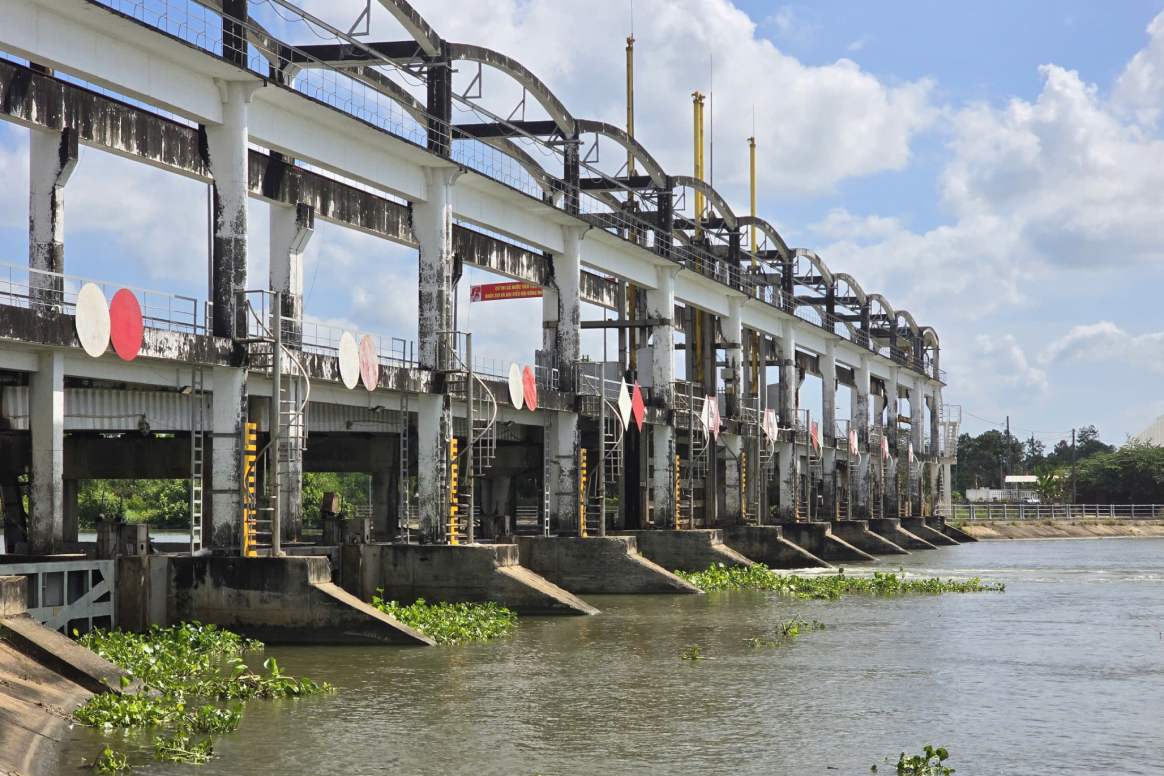
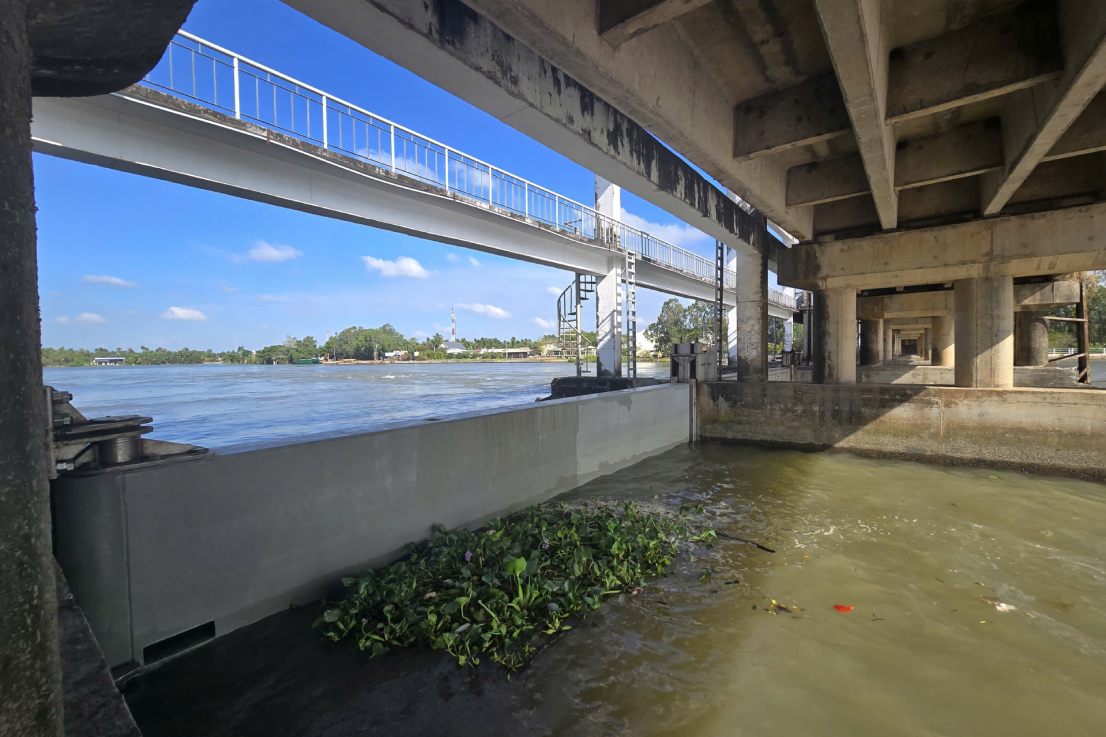
The Mekong Delta is still a key agricultural region, but is increasingly seriously affected by upstream development, climate change and land subsidence. Therefore, development orientation must be in the direction of controlled adaptation, proactively regulating water resources to minimize risks and ensure sustainable development.
Mr. Nguyen Minh Khuyen - Deputy Director of the Department of Water Resources Management (Ministry of Agriculture and Environment) said that the Mekong Delta is heavily dependent on water from the Mekong River, accounting for 95% of the total water volume of the Mekong Delta.
Meanwhile, upstream has formed and operated 12 hydropower projects, Laos and Cambodia have 11 projects on the main stream, Thailand is implementing water transfer projects with a scale of about 6.2 billion m3/year, along with 6.5 billion m3/year from the main stream and 2.5 billion m3/year from the branch stream.
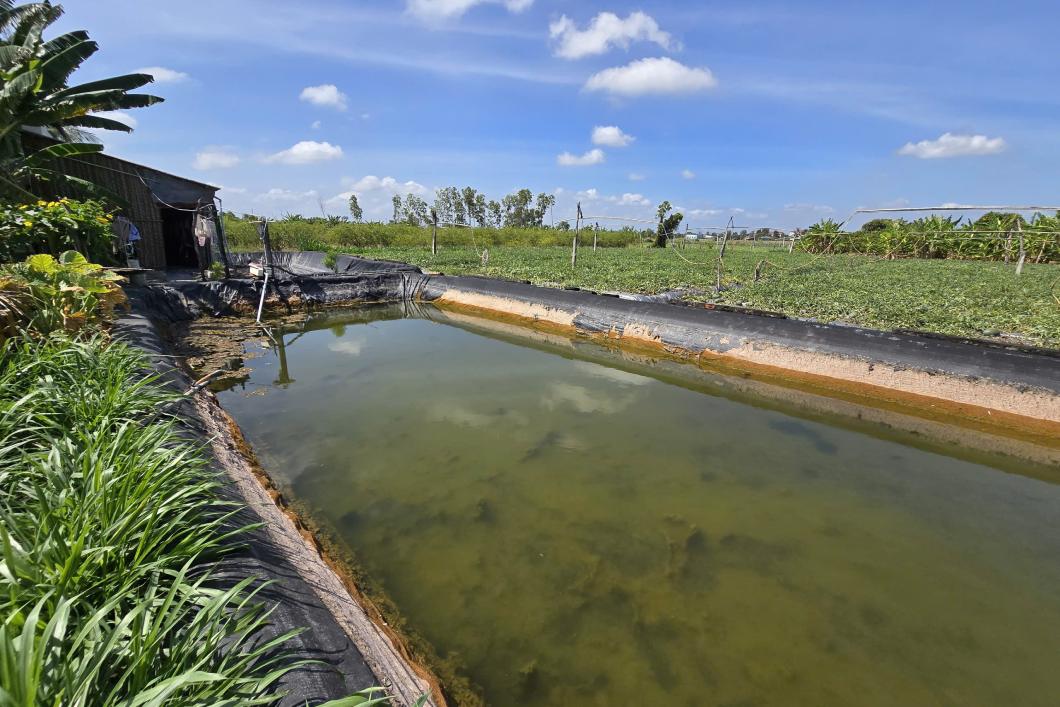
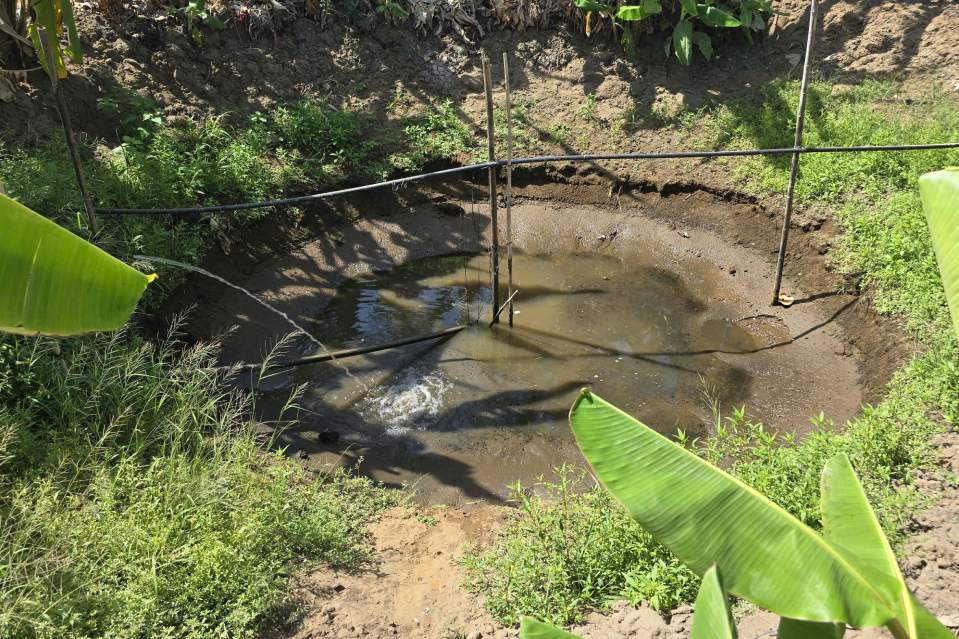
Conflicts in water exploitation and use are increasing, becoming a major challenge. The national water security index is currently only 2/5, while water resource management is not based on digital technology platforms and investment is still limited.


