
Nam Dinh Ward, Ninh Binh province has 5 revolutionary relics including: Command area of Nam Dinh Textile Factory , Nam Dinh City Party Committee Command bunker during the anti-American war for national salvation, Hair salon underground, Dining shop underground, Hang Thao street relic area the steadfast and indomitable fighting spirit of the army and people of Thanh Nam during the years of resistance war against the US for national salvation. However, these "red addresses" are gradually being forgotten, very few people know about them.
Revolutionary relic forgotten
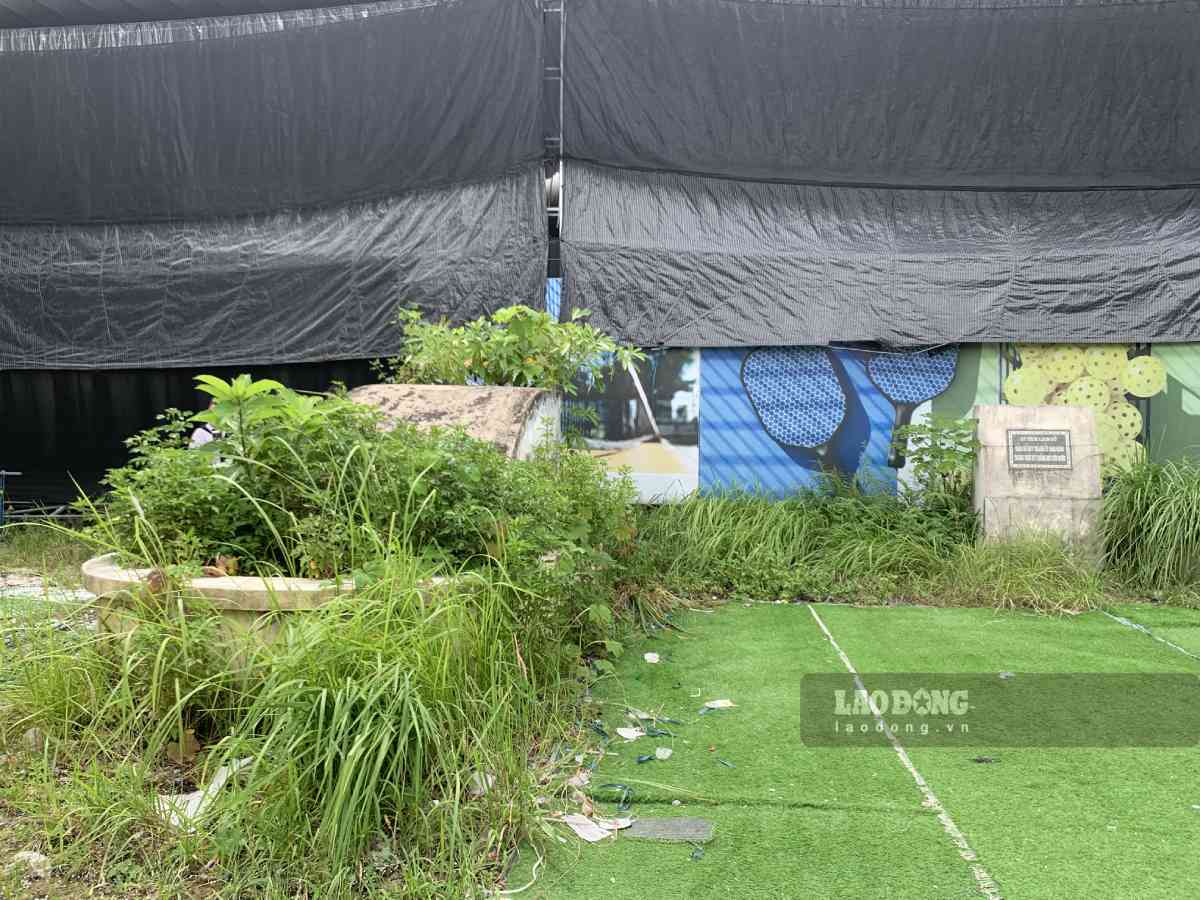
At the underground restaurant relic, located at the intersection of Hai Ba Trung - Hang Tien streets, there are currently no signs or introduction boards. Although living around this area, many people do not know that this is a revolutionary relic.
According to reporters of Lao Dong Newspaper, the relic area is currently quite messy, with weeds growing lushly. The entrance to the tunnel at the road surface has been blocked for many years; next to the relic there is a small door, currently used by businesses.
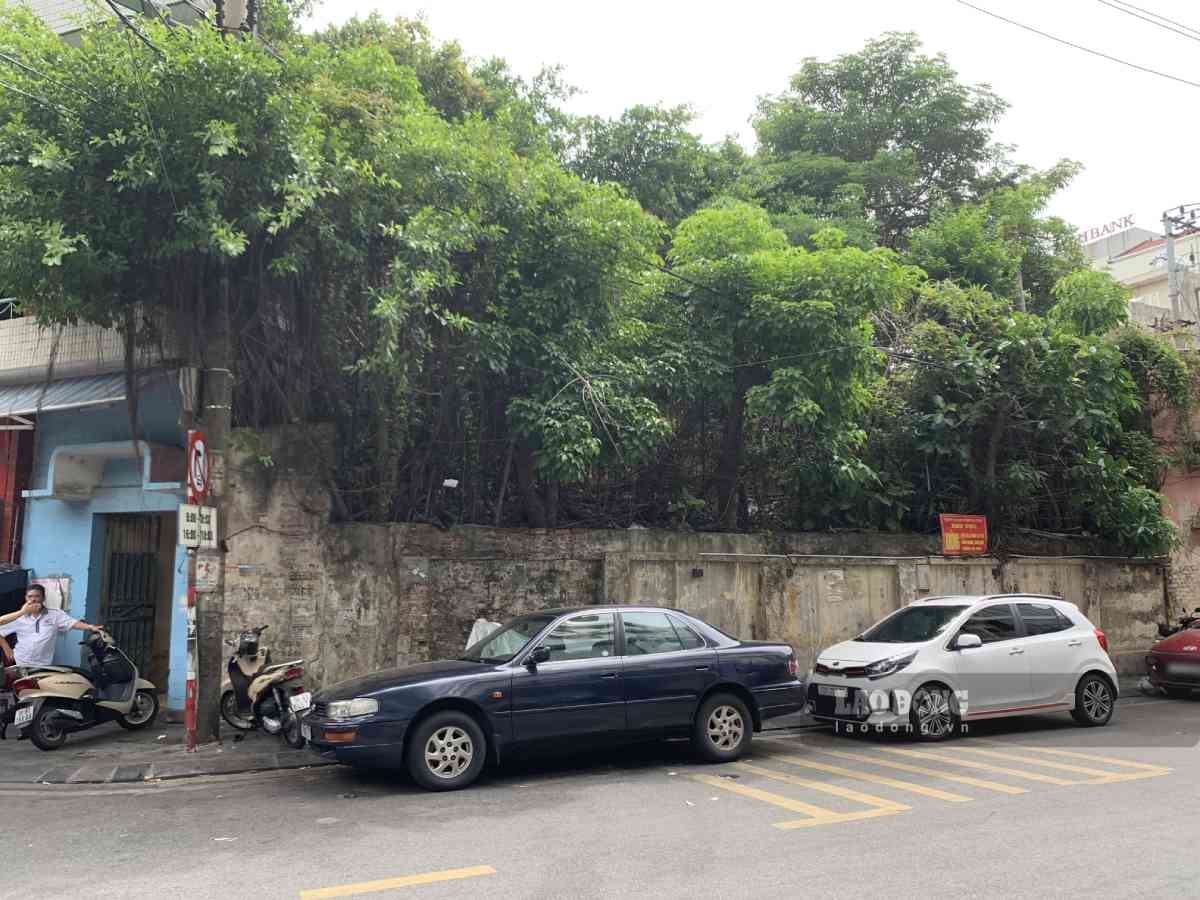
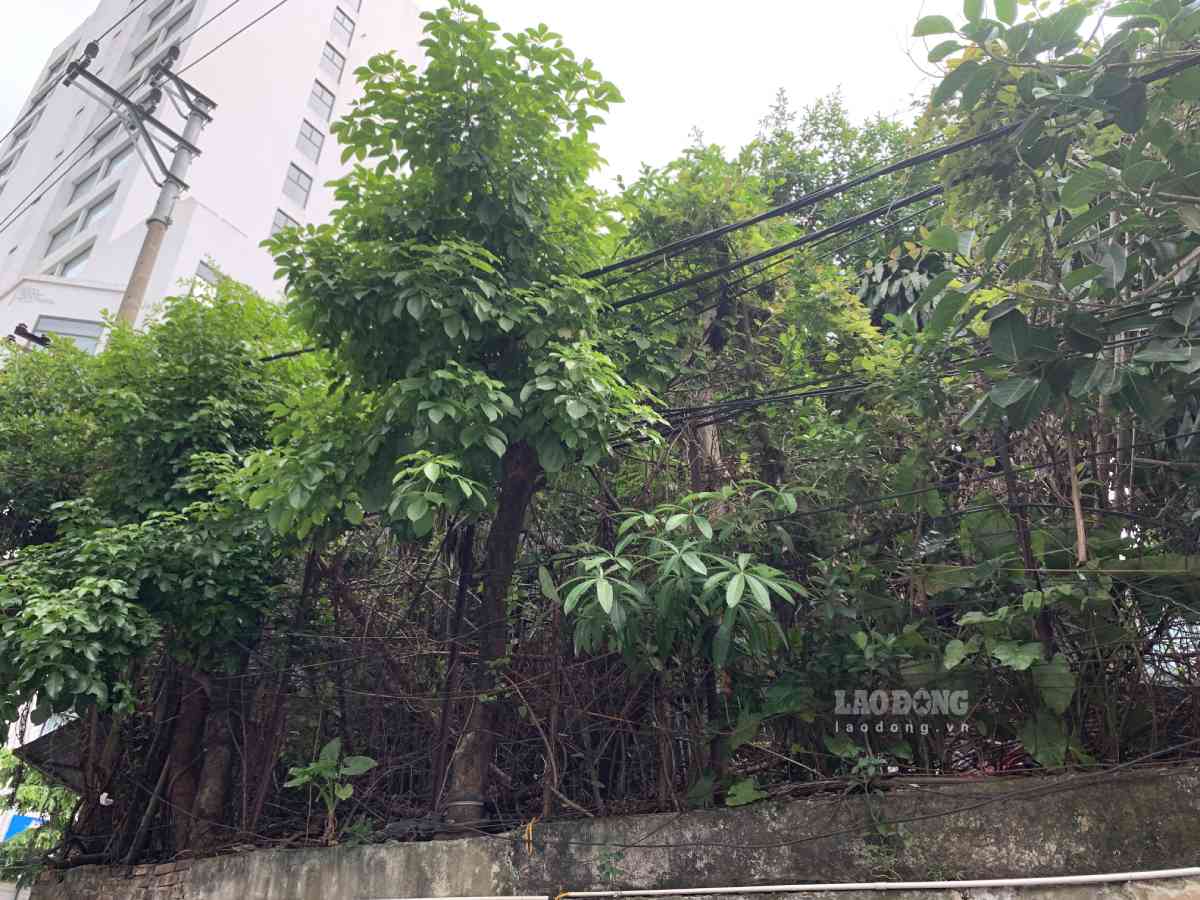
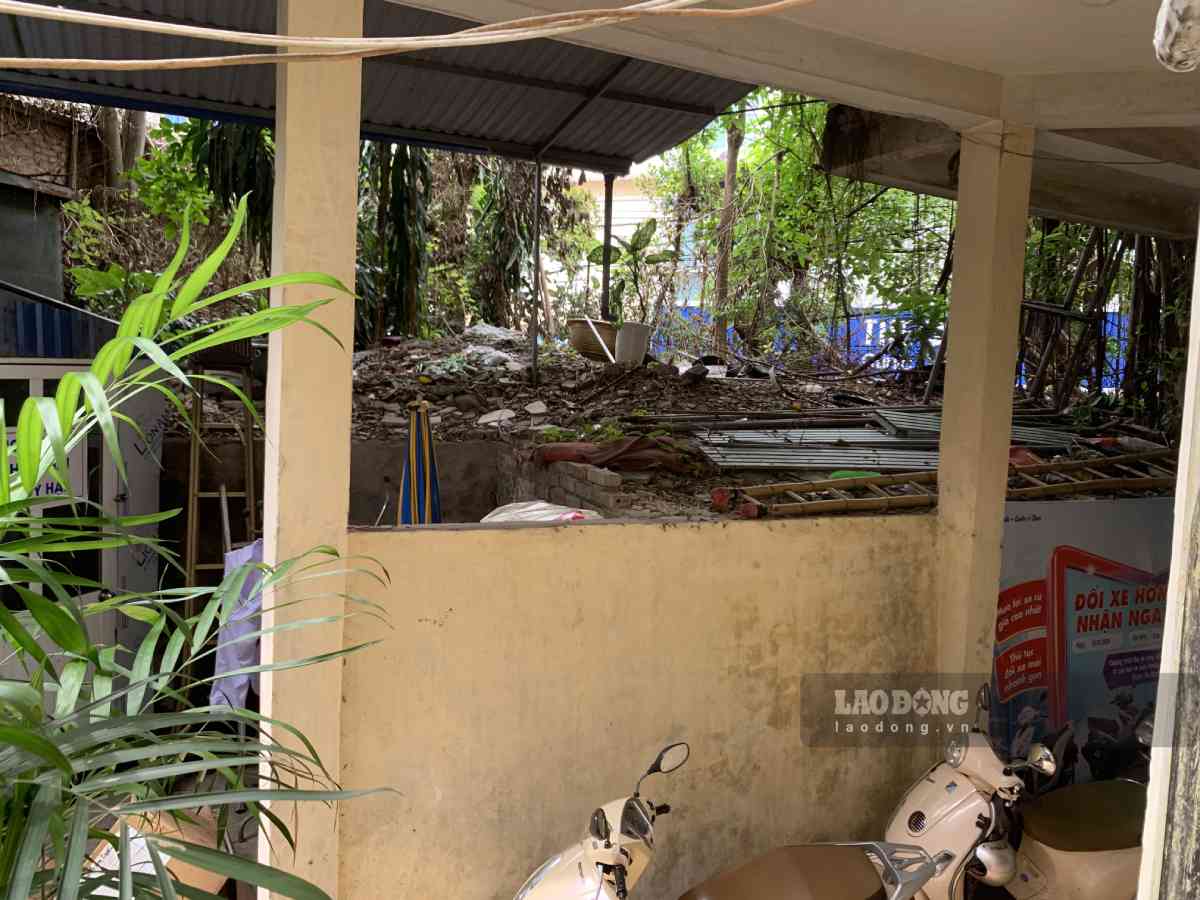
Representatives of the Nam Dinh Ward Relic Area Management Board said that the underground restaurant relic was assigned by the Department of Culture of Nam Dinh province (old) to a business for management, protection and promotion of value.
Also a revolutionary relic, the Nam Dinh City Party Committee Command Basement (also known as Command Basement A4) is in a dilapidated state, overgrown with weeds.
According to the relic schedule summary, Command bunker A4 was completed in early 1967, including 2 entrances and exits. On each entrance, a thatched house was built, surrounded by bricks and built with earthen embankments outside.
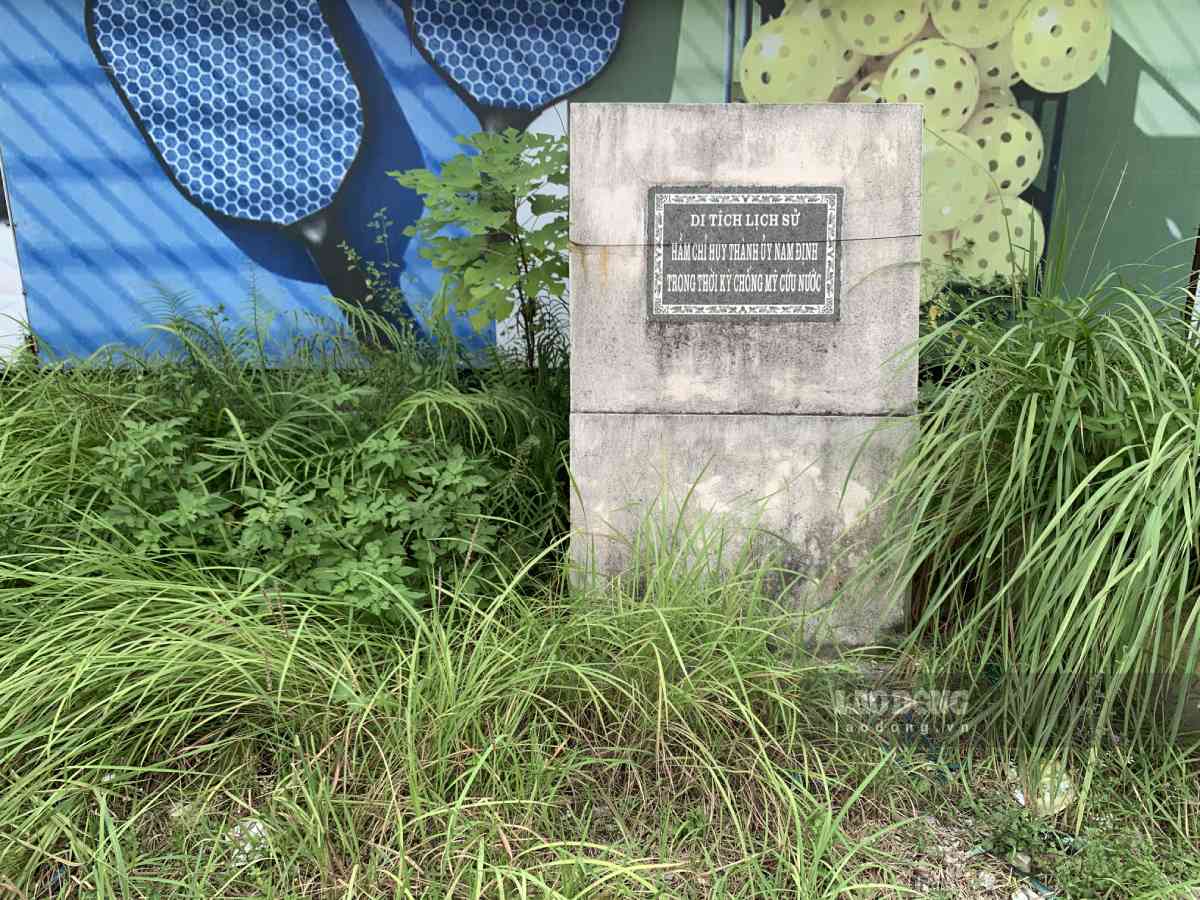
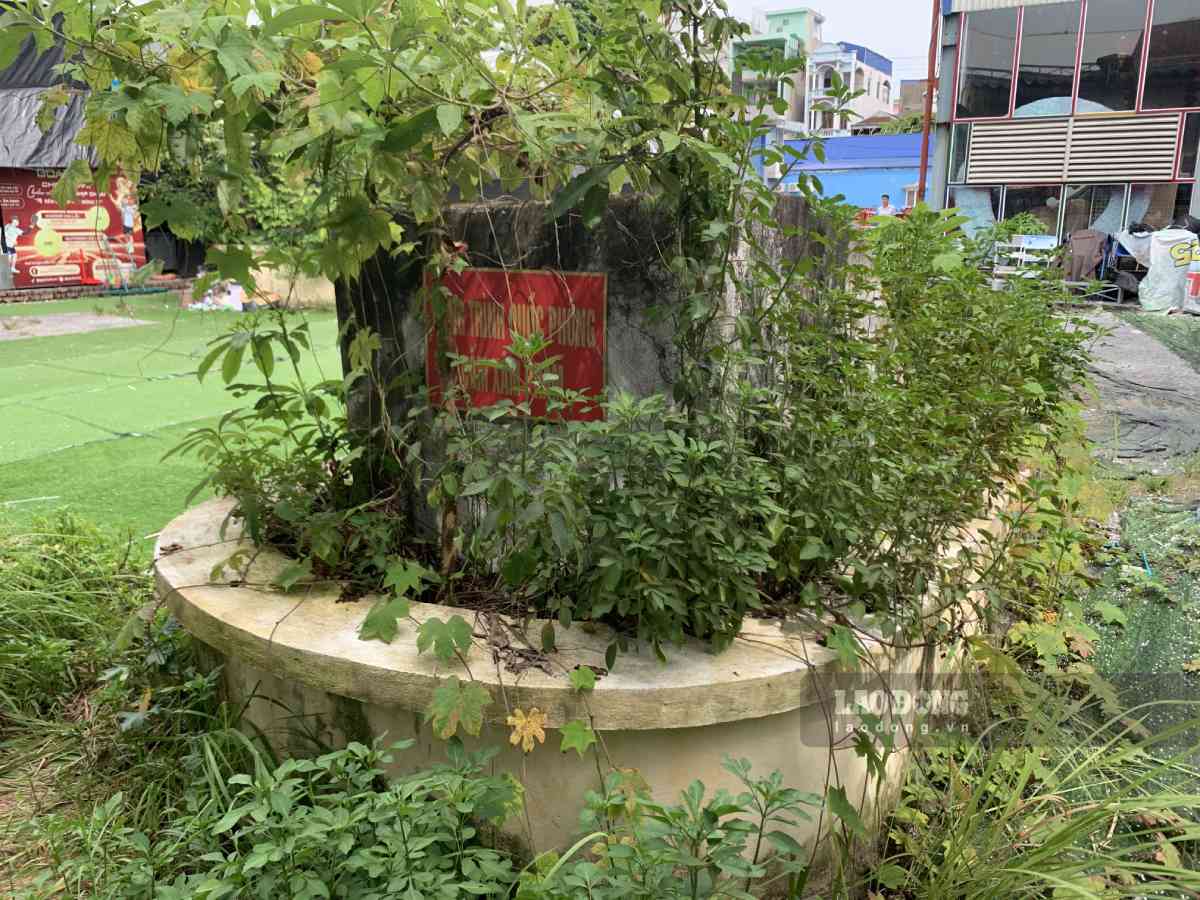
The built tunnel has many niches located deep underground from 6 - 8m, the average width is 0.8m, the widest place for sleeping and working is 1.56m. The length of the tunnel (excluding the niches measured on the 2 doors surface) is 14.4m.
Not far from Command bunker A4 is the Command Headquarters of Nam Dinh Textile Factory. The project is currently deep in a residential area, without signs, so even people living around know very little about this relic.
Degradation over time
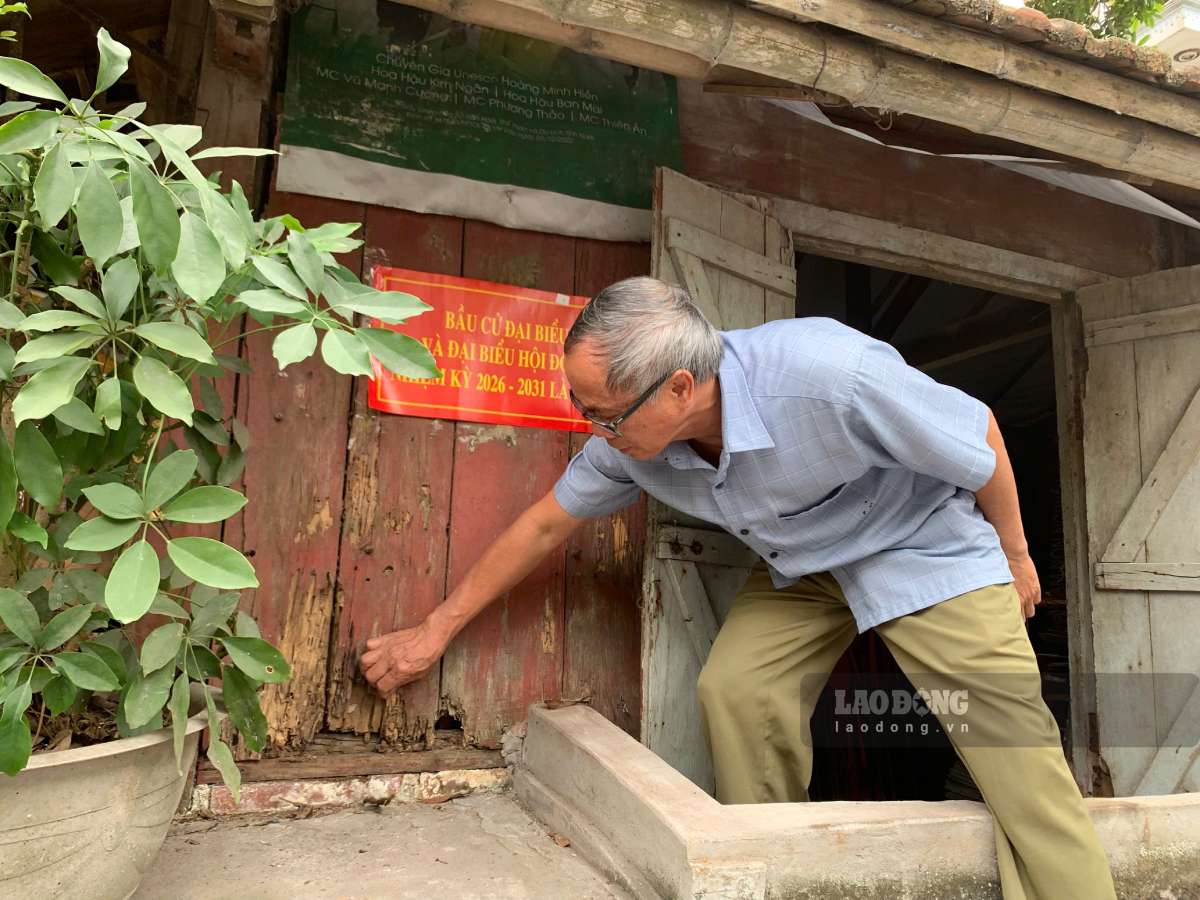
Besides the above relics, the underground barbershop relic (also known as the Haircut Tunnel) is also seriously degraded after more than half a century of existence. Here, PV recorded many wooden items damaged by termites. The roof above has deteriorated, and tarpaulins have to be used inside to limit rainwater leaking inside. inside.
The underground barbershop used to be a place to serve the haircut needs of officials, people and soldiers even when pumped and bullets exploded, showing the optimistic spirit of the army and people of Thanh Nam during the anti-American resistance war.
Previously, the construction haircut tunnel sank to the ground 1.2m with bricks, lime, cement, and the foundation was filled with broken concrete bricks. The upper part (the surface part) consists of wood, bamboo, and roof tiles. The ceiling is made of cot, and the ceiling is stacked with rice husks for bomb shelling. The back of the house is made of planks, the front of the house and the two sides are made of windows with railings, the doors are made of 2cm thick planks, folded on both sides. The doors leading in front of the house have steps with 40cm thick tiles.
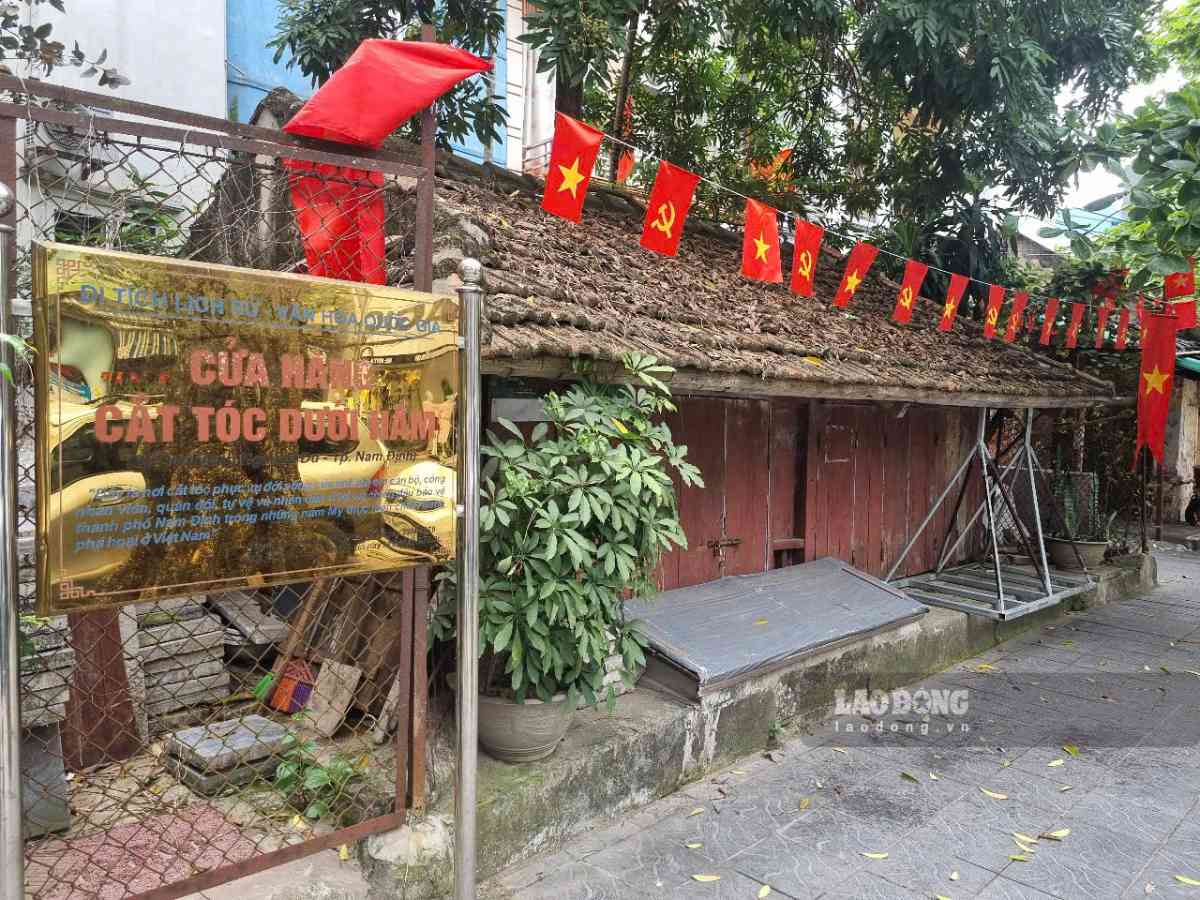
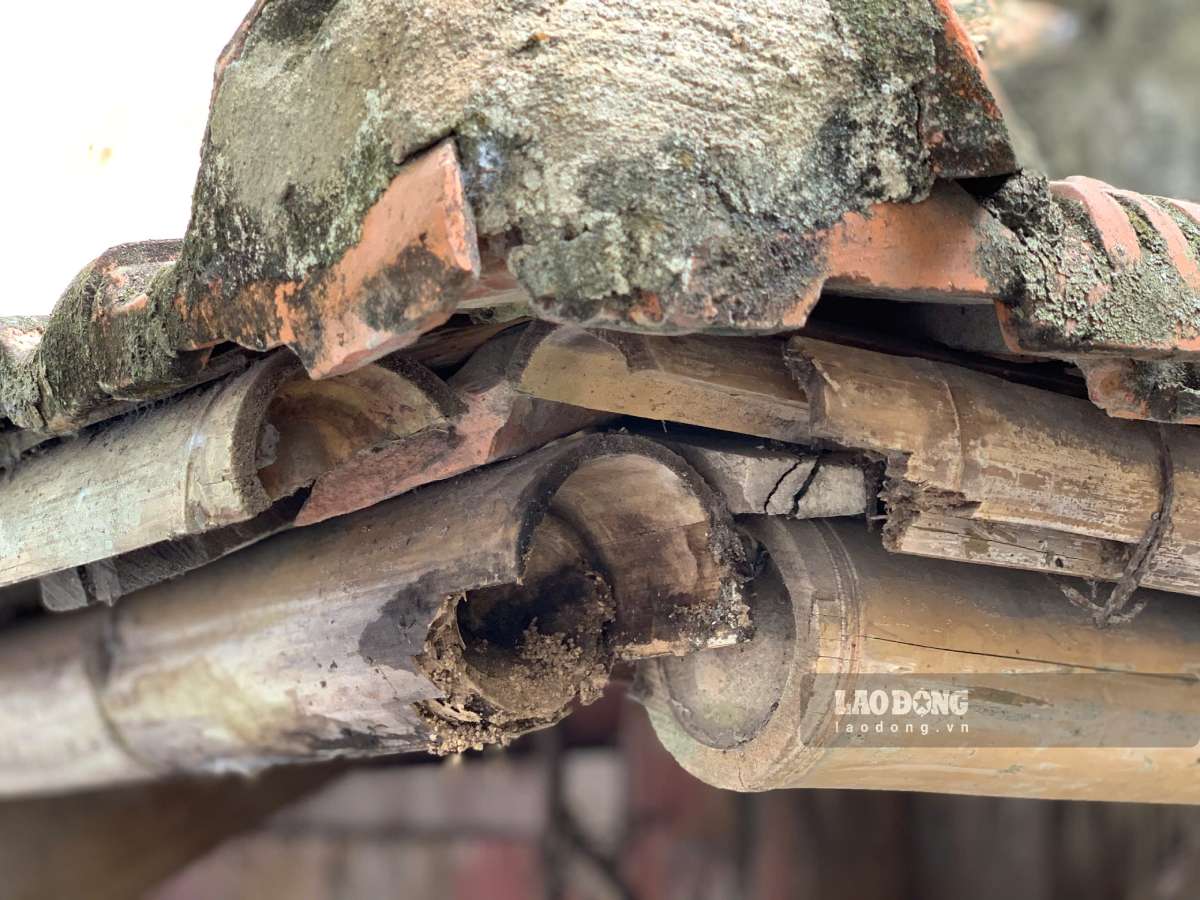
Throughout the periods, the underground barbershop has been visited by many delegations and visitors. Today, this place is like a symbol, proving that in the most fierce war times, daily activities in Thanh Nam (former Nam Dinh) still take place normally.
Representatives of the Nam Dinh Ward Relic Area Management Board further informed that the underground barbershop is one of the addresses with special historical value, associated with the daily life and resilient spirit of the people during the war.
Over the past time, the locality has also conducted many inspections and assessments of the relic's current status and developed a plan to propose restoration and embellishment. Initially, the Management Board also coordinated with local authorities and people to implement temporary measures to limit damage and further degradation.


