
Scene of abandoned garbage incinerator
According to Thanh Hoa Provincial People's Committee, there are currently 23 waste treatment areas in the province using manual incinerators with a total of 24 incinerators, with a common capacity of 10 - 20 tons/day. However, currently only 7 areas with 8 incinerators are operating, and 16 areas have stopped operating.
Areas operating in some localities such as Nong Cong, Nga Thang have applied the model of waste sorting, composting microbial humus before putting the remaining waste into incinerators, initially improving treatment efficiency.
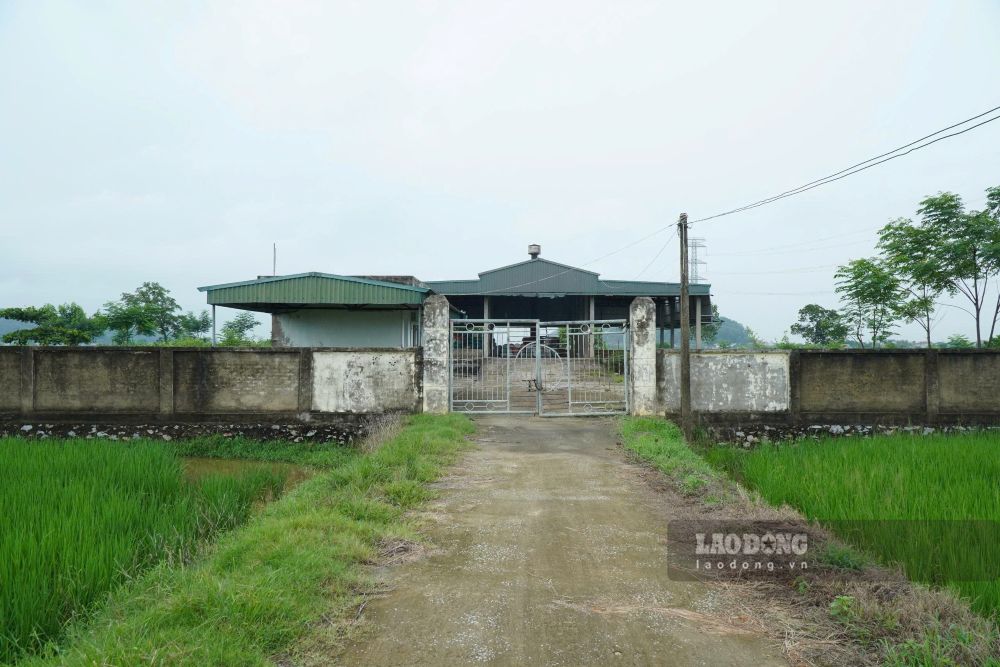
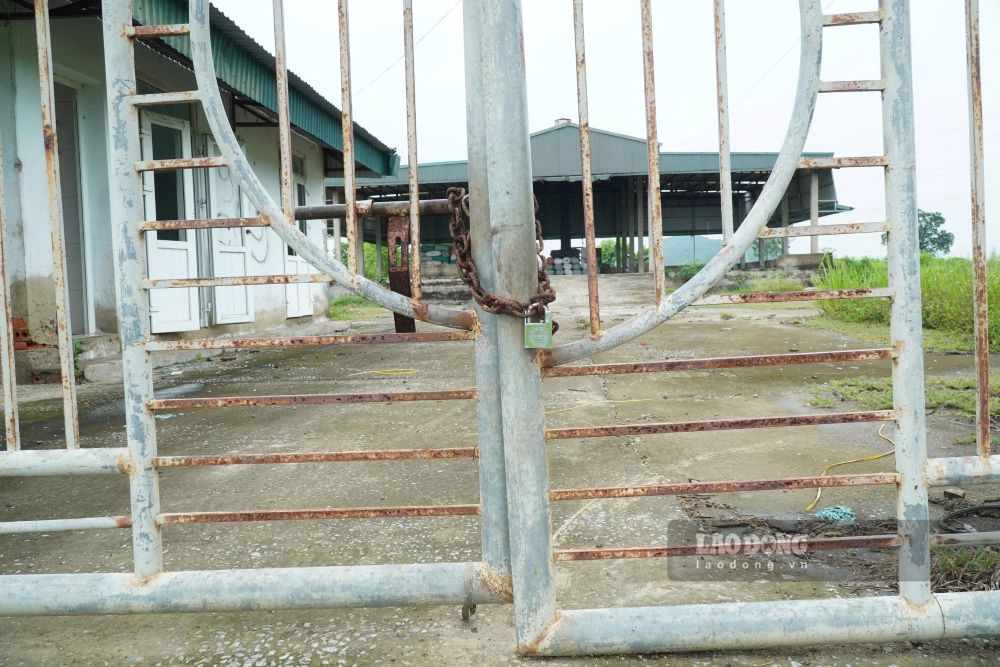
For areas that have stopped operating, there are 3 areas related to the investigation process or businesses no longer wish to continue operating; 7 areas are proposed by local authorities to be completely stopped; 5 areas are proposed to be renovated, upgraded or called for investment in expansion.
According to assessments, small-scale incinerators are revealing many limitations. Some incinerators have low capacity, are manufactured and assembled domestically but lack automatic waste supply systems, temperature control and complete exhaust gas treatment. The operation process is mainly manual, making it difficult to control emissions.
Real-world records of Lao Dong Newspaper reporters at the garbage incinerator in Dai Loc commune, former Hau Loc district, now belonging to Trieu Loc commune, Thanh Hoa province show that this project has stopped operating for many years.
In 2015, the waste incinerator project was built on an area of about 1.5 hectares, with a total investment of nearly 7 billion VND and was then put into operation.
The project is invested by the old Dai Loc Commune People's Committee. After about 6 years of operation, by 2021, the waste incinerator stopped operating and has been abandoned until now.
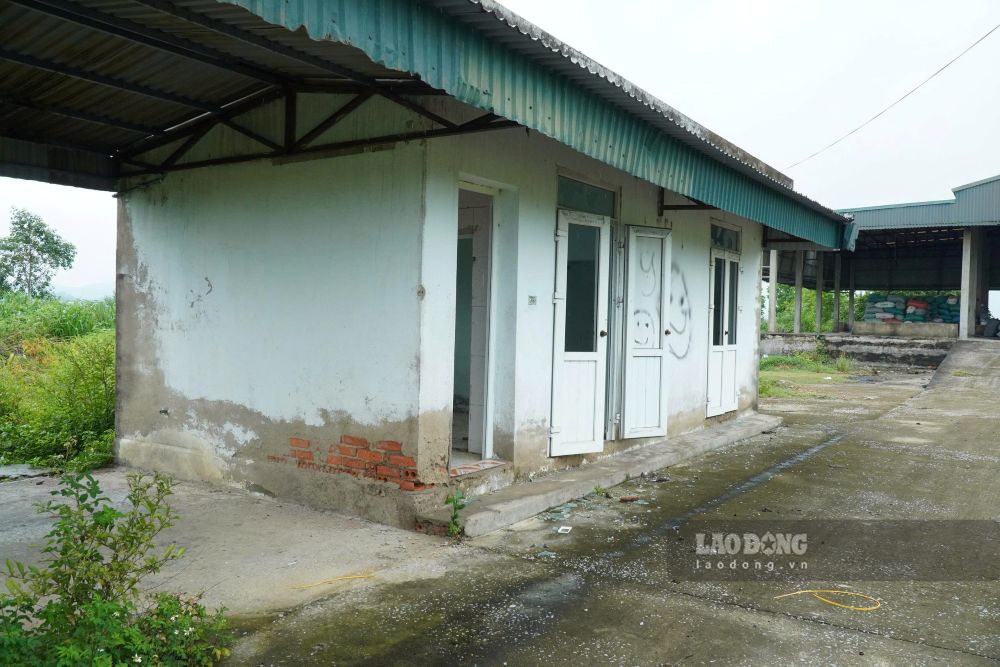
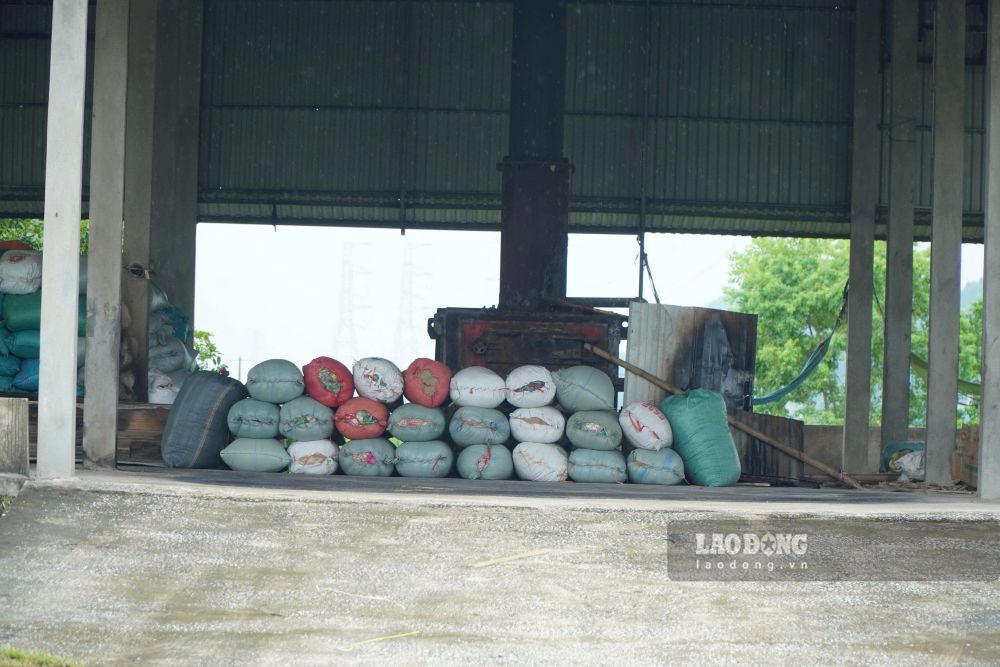
After many years of inactivity, many items inside the incinerator area have deteriorated, are rusty, and the facilities are not used.
Many overloaded landfills
According to Thanh Hoa Provincial People's Committee, the process of urbanization, population growth and socio-economic development has caused the amount of domestic solid waste (CTRSH) to grow larger and larger, creating pressure on the waste collection, transportation and treatment system in the area.
Meanwhile, the waste treatment infrastructure is still inadequate. Some recycling technologies generate odors, affecting nearby residential areas. Many collection points are just temporary yards, without yard foundations, roofs, leachate collection systems; some points are overloaded, and even manual waste burning occurs at the transfer area.
Notably, landfill methods still account for a large proportion in biodegradable waste treatment in Thanh Hoa. The whole province has 21 concentrated landfill areas at district level in the past, with a total area of 59.92 ha, storing nearly 4 million tons of waste. Among these, 4 areas have stopped receiving waste, and 17 areas are still operating.
Among the 17 operating zones, 3 zones have converted technology in the direction of no direct landfilling, 8 zones are not overloaded and 6 zones are already overloaded. The area of operating zones is about 40.02 hectares.
The amount of biodegradable waste treated by landfill method is about 1,170.86 tons/day, accounting for 49.58% of the total amount of waste treated in the area.
According to Thanh Hoa Provincial People's Committee, at many landfills, the main treatment is still pile dumping, compacting, spraying insecticide and deodorizing chemicals. Garbage has not been sorted at source, has a high percentage of organic matter, occupies a large area and generates a large amount of leachate.
According to the assessment of Thanh Hoa province, many unsanitary landfills have been and are becoming a source of environmental pollution, affecting the health and production activities of surrounding people.
Faced with increasing pressure from waste, Thanh Hoa Provincial People's Committee has issued a Project on collection, transportation and treatment of biodegradable waste for the period 2026 - 2030.
The total estimated cost of implementing the project is about 5,700 billion VND. Of which, more than 5,390 billion VND is for collection and transportation of biodegradable waste and 300 billion VND is for new investment and renovation of temporary waste collection points that have deteriorated or caused pollution.


