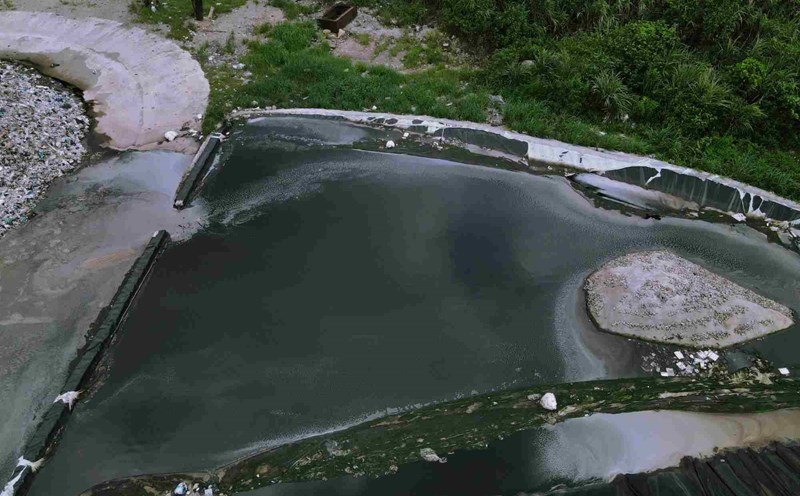
Currently, the collection, transportation and treatment of domestic solid waste in Ninh Binh province are facing some difficulties and obstacles. Meanwhile, the volume of waste is increasing, putting pressure on the current domestic solid waste management and treatment system of the locality.
In addition, the classification, collection, and transportation of waste and garbage are not synchronized, and in many places and localities, they are still implemented in a formalistic and ineffective manner.
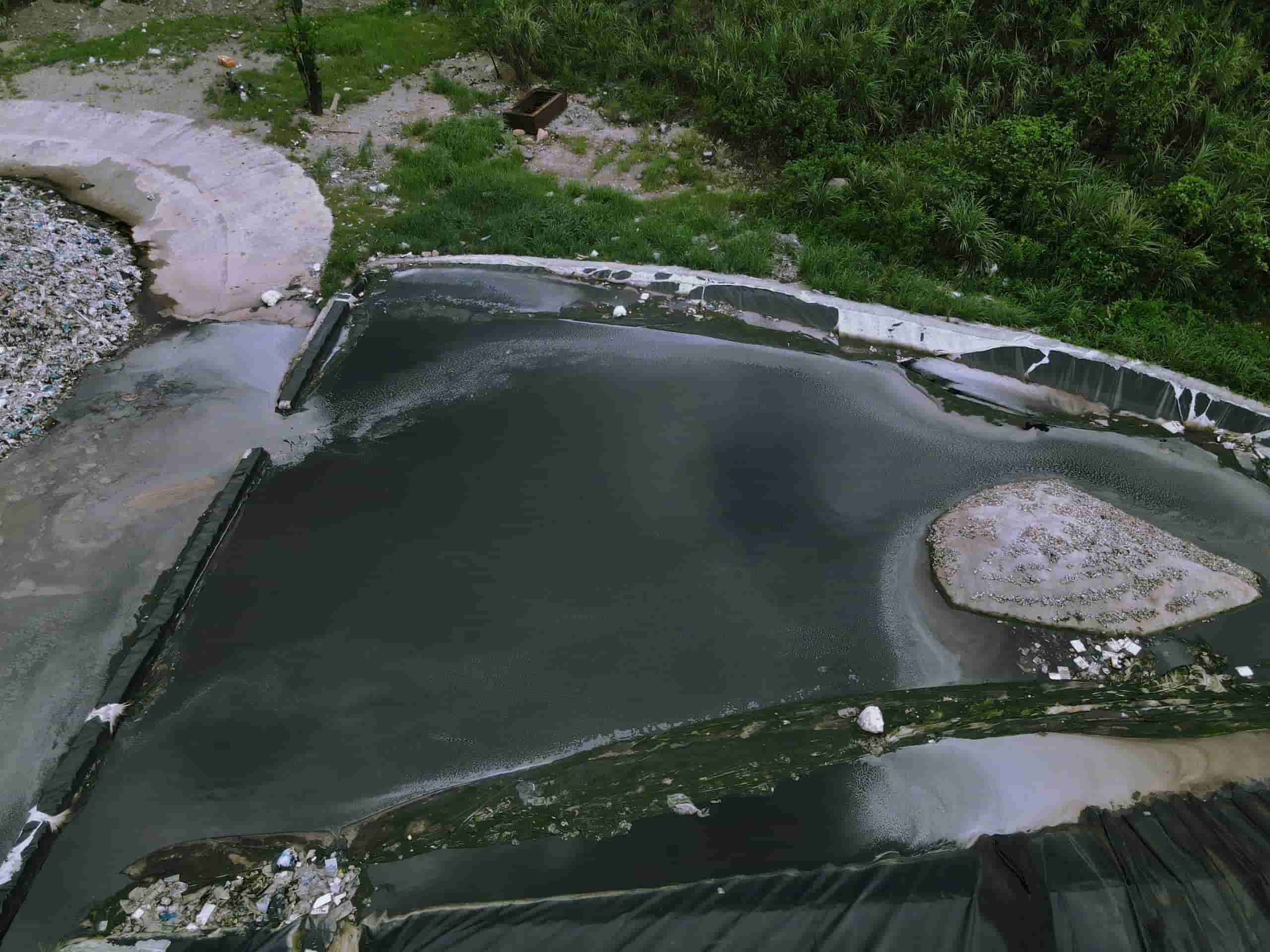
The implementation of the Project on collection, transportation and treatment of domestic solid waste in the period 2026 - 2030 aims to remove "bottlenecks" in the orientation of building Ninh Binh province into a centrally-run city - a millennium heritage city by 2030 and the local green growth target.
Mr. Le Hung Thang - Deputy Director of Ninh Binh Department of Agriculture and Environment - said that currently in the province, there are still over 71 tons of solid domestic waste that has not been treated. Accordingly, at Thanh Thuy Environment Joint Stock Company, there are over 68 tons and Ha Nam Environment Joint Stock Company is over 2.4 tons. The total cost to treat this amount of waste is over 31.6 billion VND. In addition, at the A Thung Quen Kho landfill, there is also a large amount of waste that needs to be treated.
According to the Project, Ninh Binh province will have 1,190 domestic solid waste collection points, of which urban areas are 314 points and rural areas are 876 points. The estimated cost to implement the Project is 119 billion VND.
In particular, from January 1, 2026, Ninh Binh province's budget will support 100% of the funding for the collection and transportation of waste from collection points to treatment areas and the treatment of domestic solid waste and public waste at centralized facilities.
This is considered an important social security policy, aimed at unifying the environmental management mechanism throughout Ninh Binh province, and at the same time improving the quality of waste treatment according to the Law on Environmental Protection.
Subjects eligible for support policies include households and individuals living in Ninh Binh province and People's Committees of communes and wards (for waste generated from public areas).
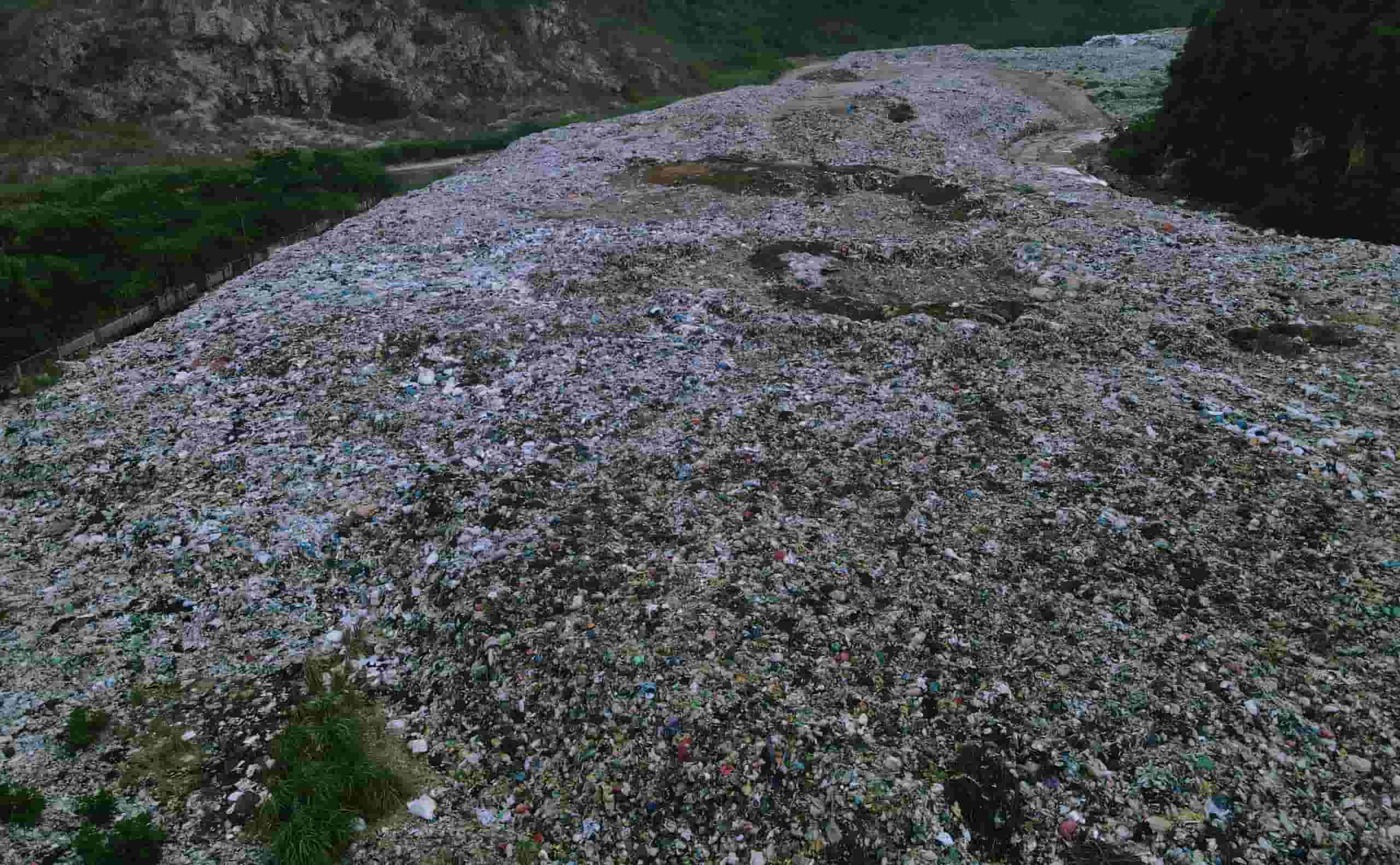
Thus, the burden of waste treatment costs at the final stage will be fully undertaken by the budget. People and households only need to pay for the collection costs from home to the common waste collection point of the residential area. This regulation both reduces costs for people and maintains community responsibility in dumping garbage in the right place.
To receive support, waste treatment must strictly comply with technical standards. Waste must be treated at centralized facilities using energy recovery combustion technology for power generation, non-energy recovery combustion, treatment into organic humus or sanitary landfill... In particular, exhaust fumes from incinerators and leachate must be treated to meet national technical standards before being discharged into the environment.