
On July 12, the Ho Chi Minh City Traffic Construction Investment Project Management Board (Ho Chi Minh City Transport Board) said that the Binh Tien bridge and road project is being urgently implemented, expected to be completed in 2028.
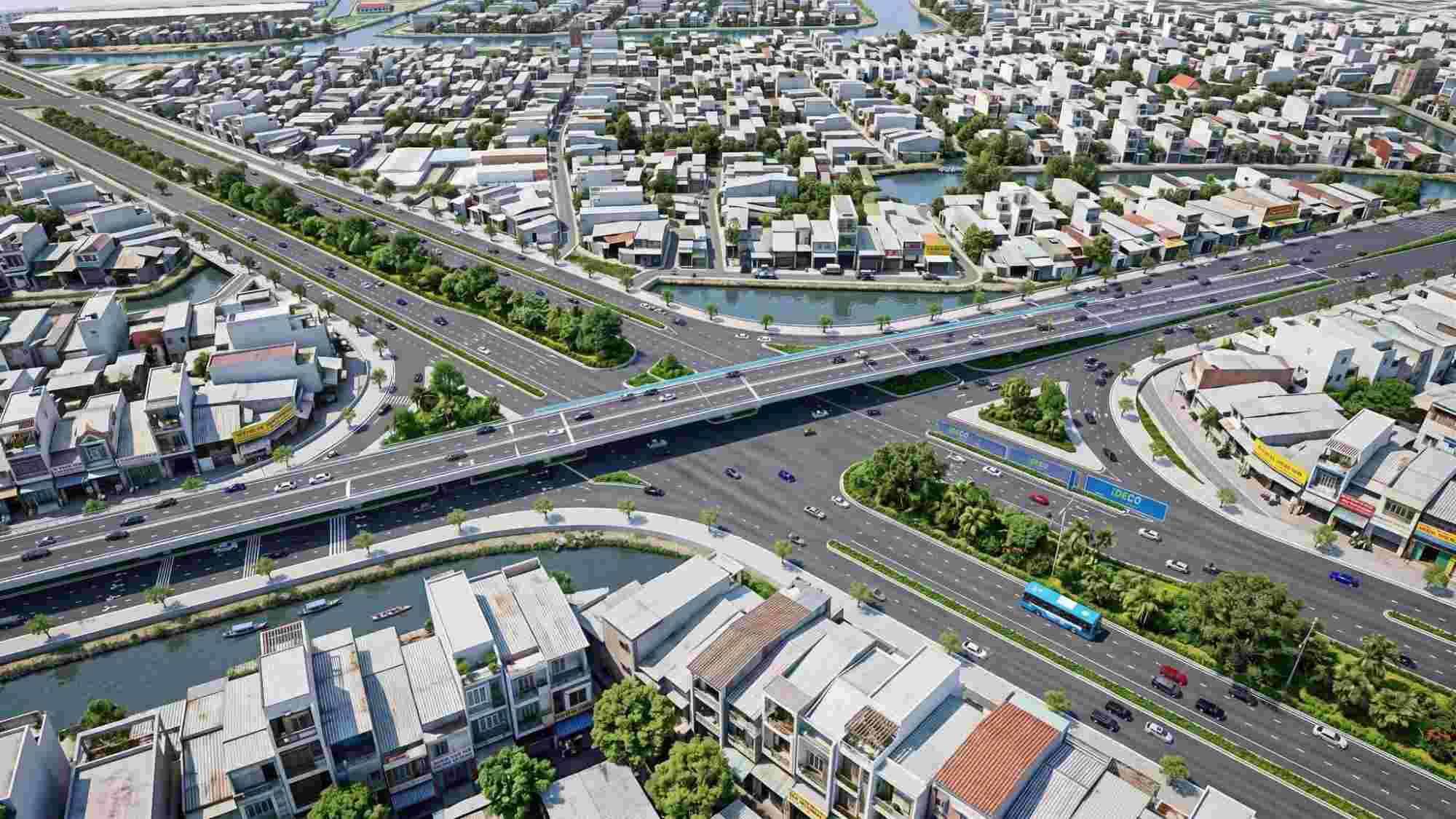
The project has a total length of 3.66 km, including two main items: the elevated road and the parallel road below.
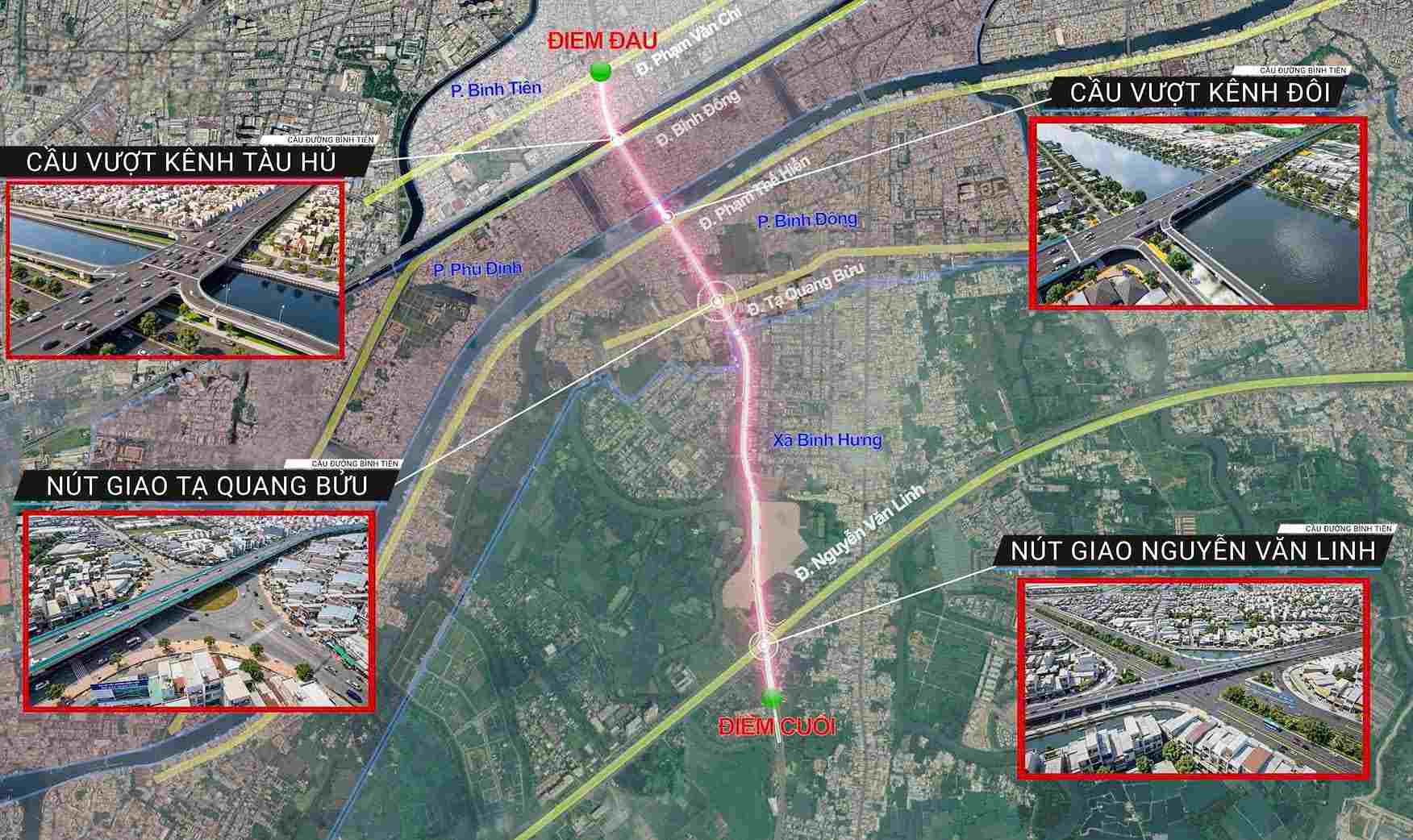
In which, the elevated road (overpass) is about 3.1 km long, with a scale of 4 - 6 lanes, passing through Binh Tien, Phu Dinh, Binh Dong wards and Binh Hung commune.
The starting point of the route is at the Binh Tien - Pham Van Chi intersection, Binh Tien ward (old district 6), then crossing Vo Van Kiet street, Tau Hu canal, Doi canal, connecting to Nguyen Van Linh avenue, Binh Hung commune (old Binh Chanh district).
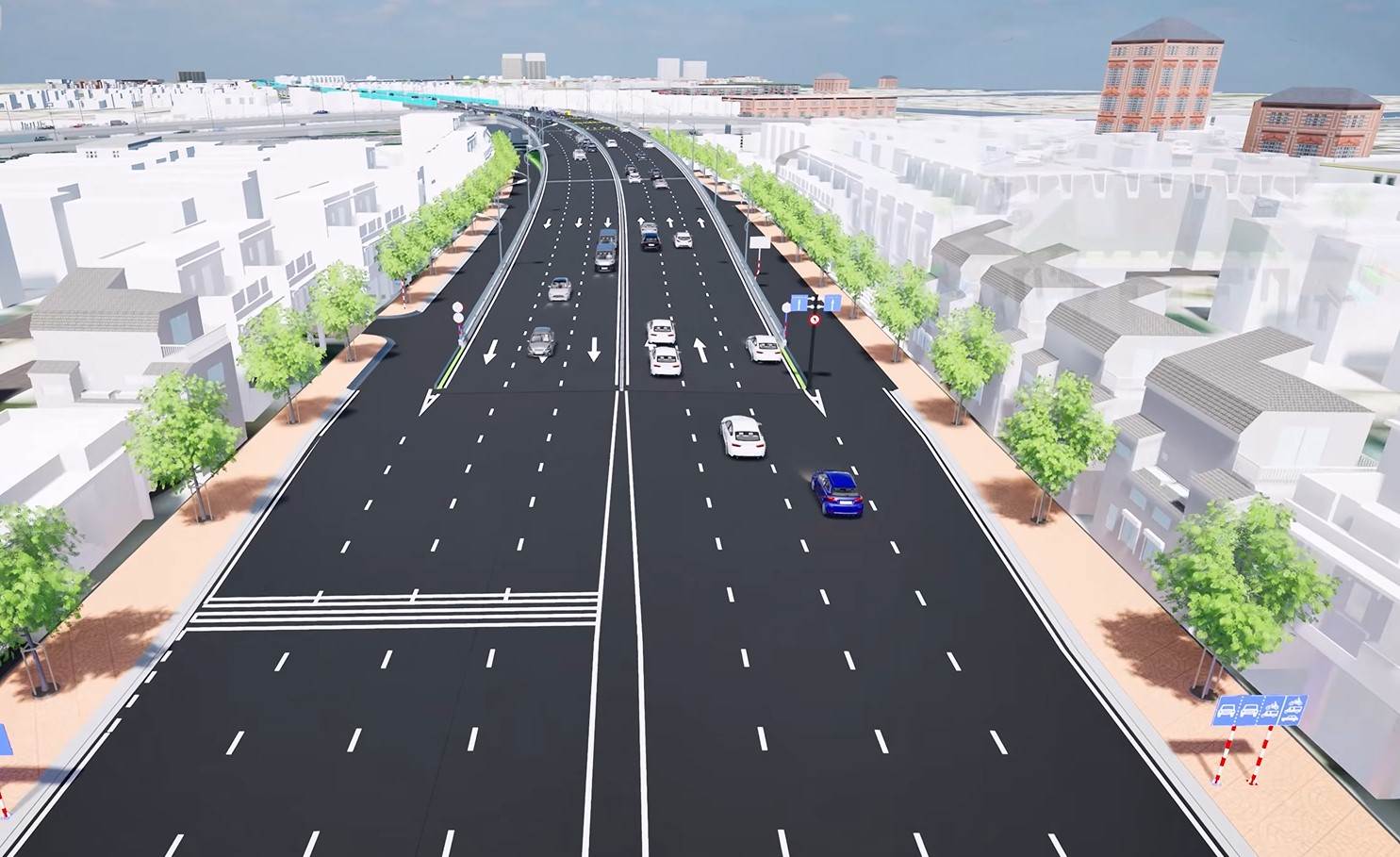
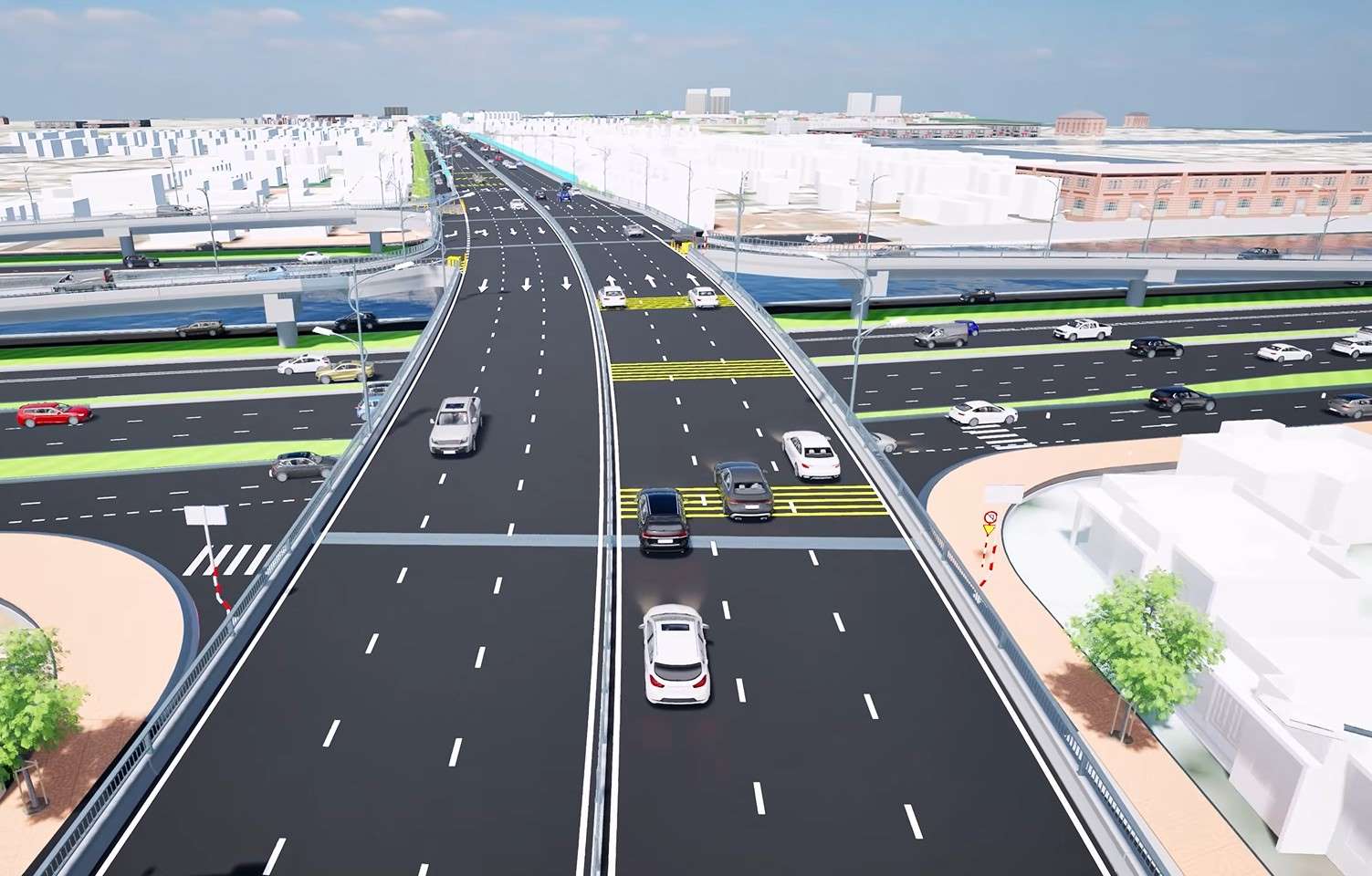
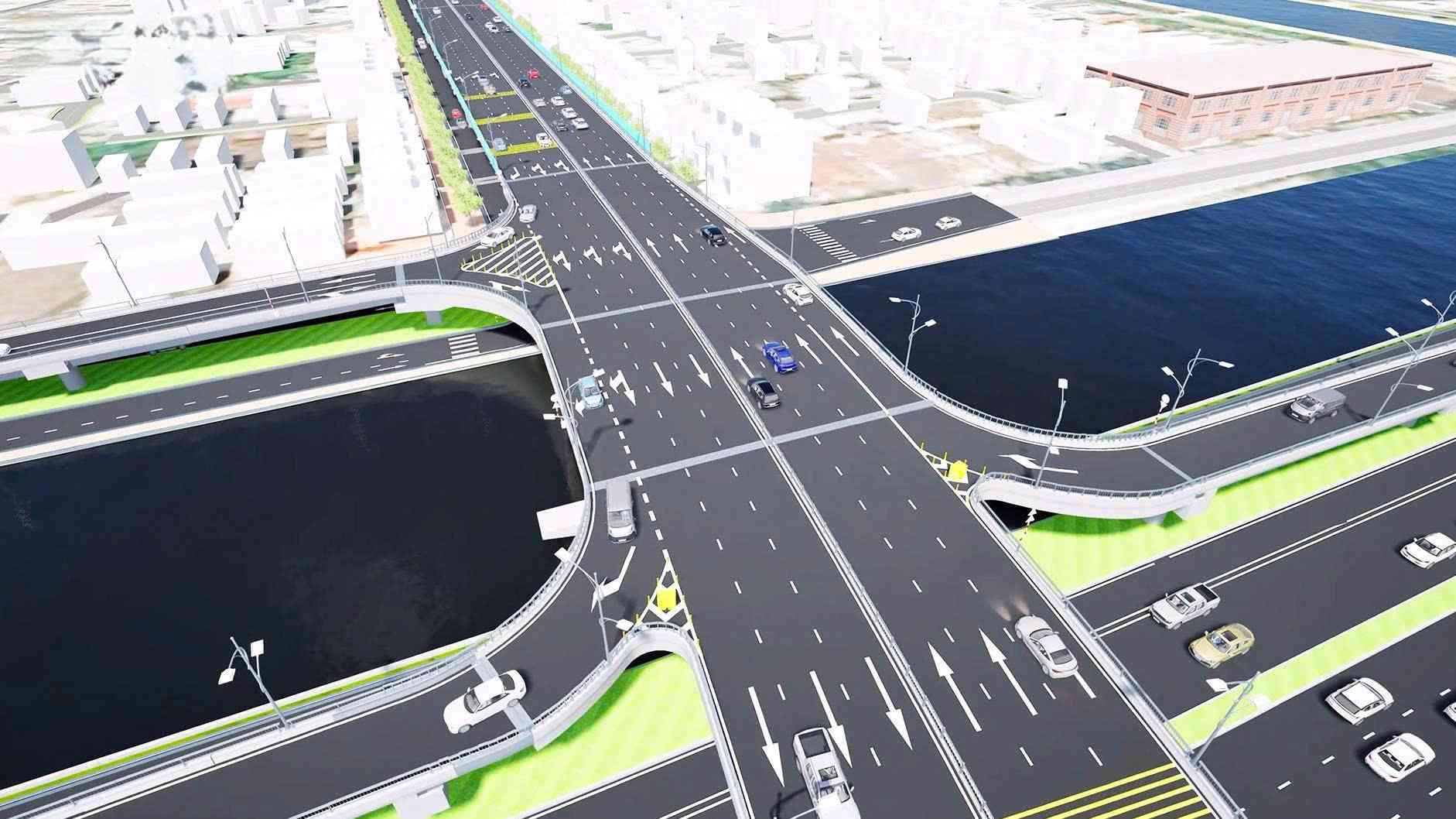
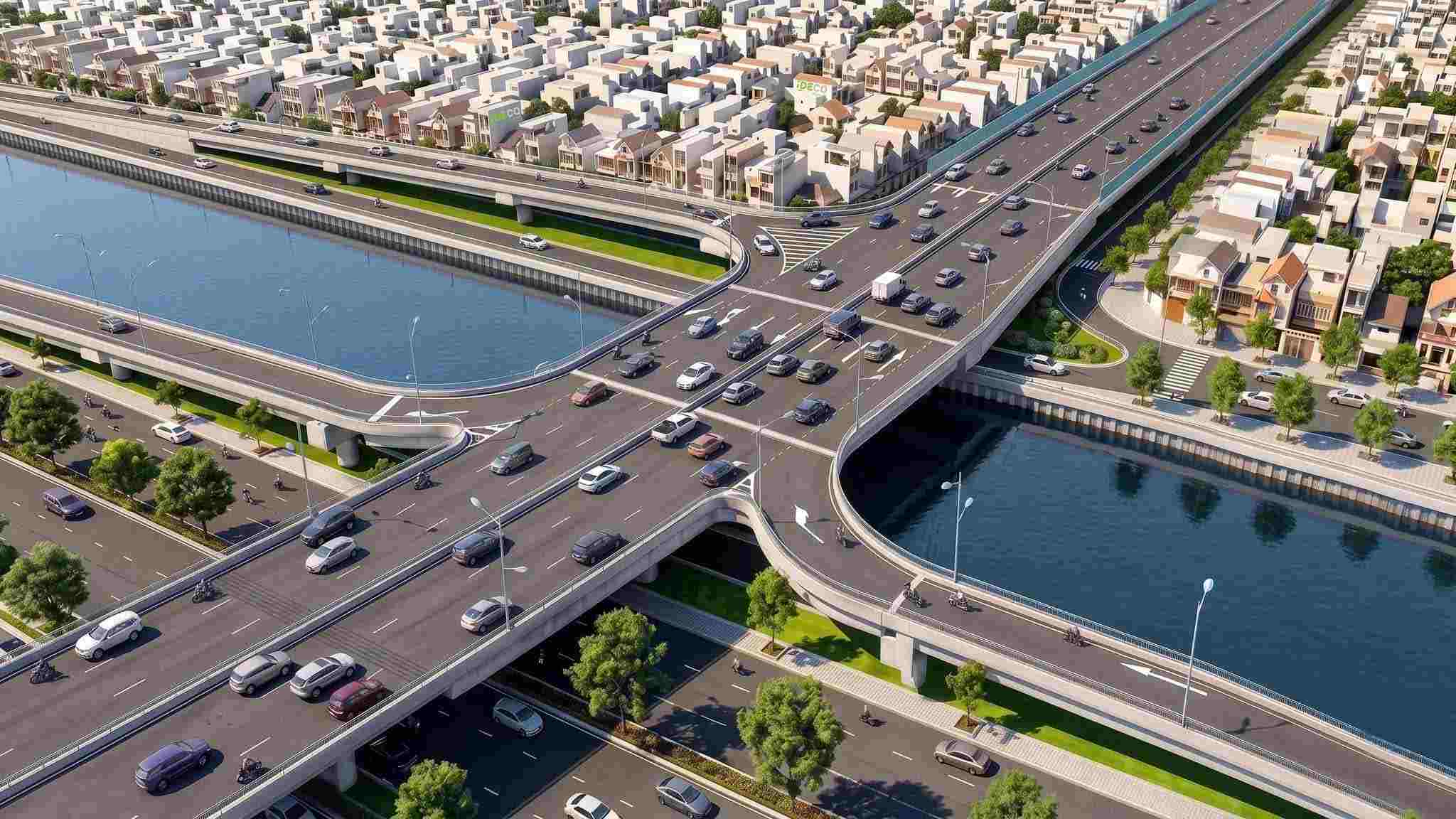
Below is a parallel road more than 3.3 km long, with a scale of 2 - 6 lanes, serving the travel needs of local people, while supporting traffic diversion and reducing the load on the elevated road.
The project has a total investment of about 6,285 billion VND, of which compensation, site clearance and resettlement costs are about 3,369 billion VND.
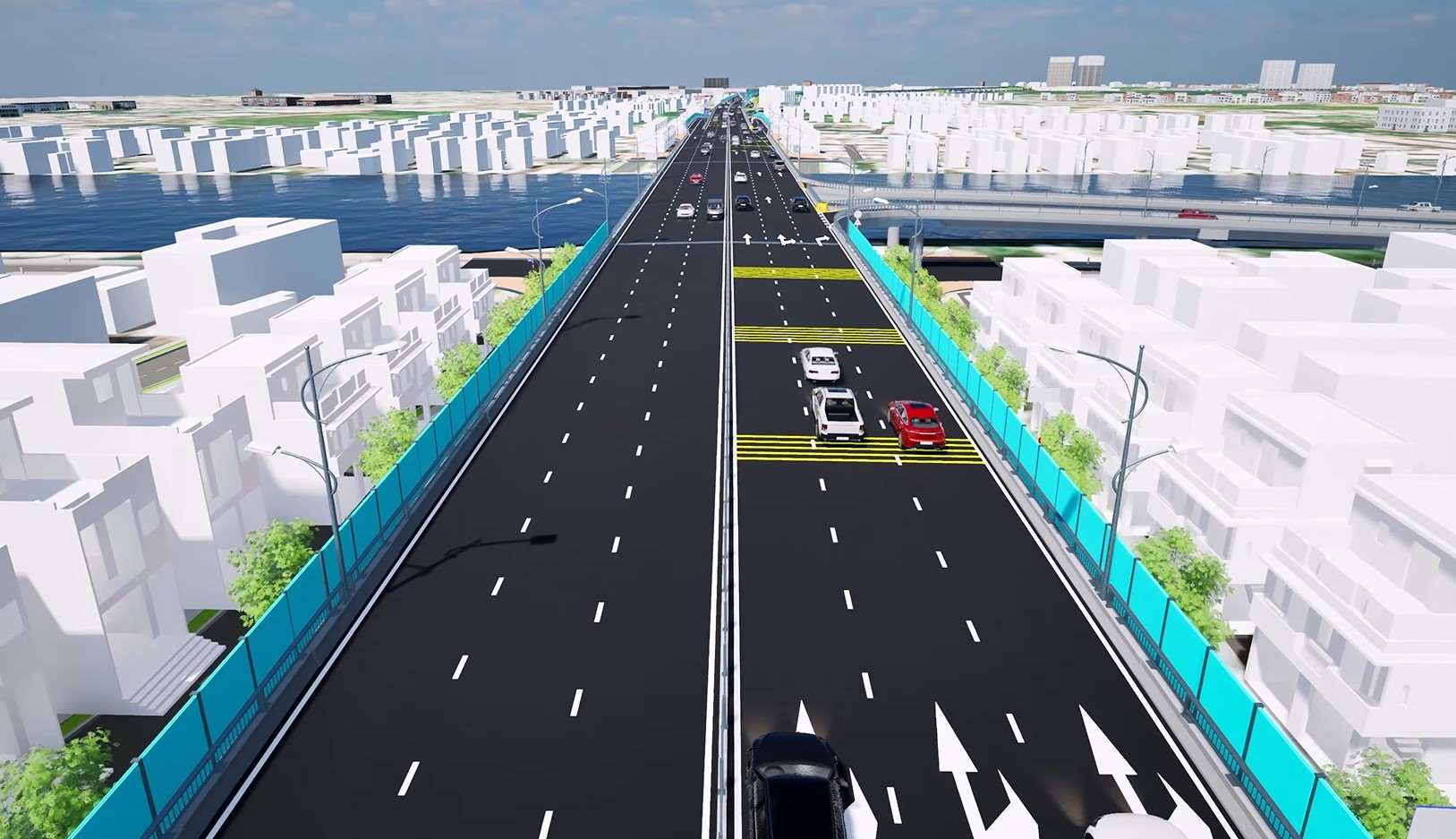
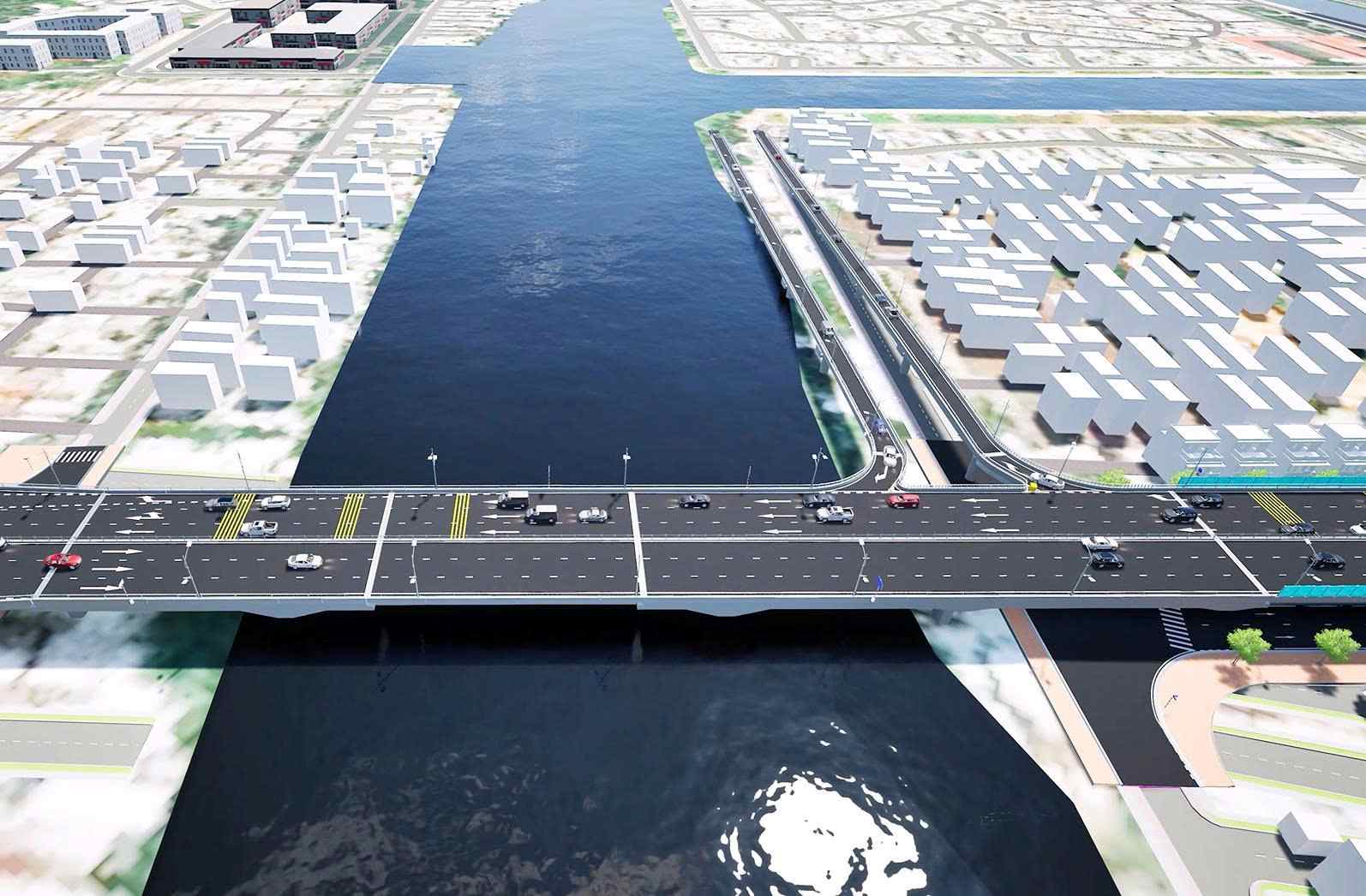
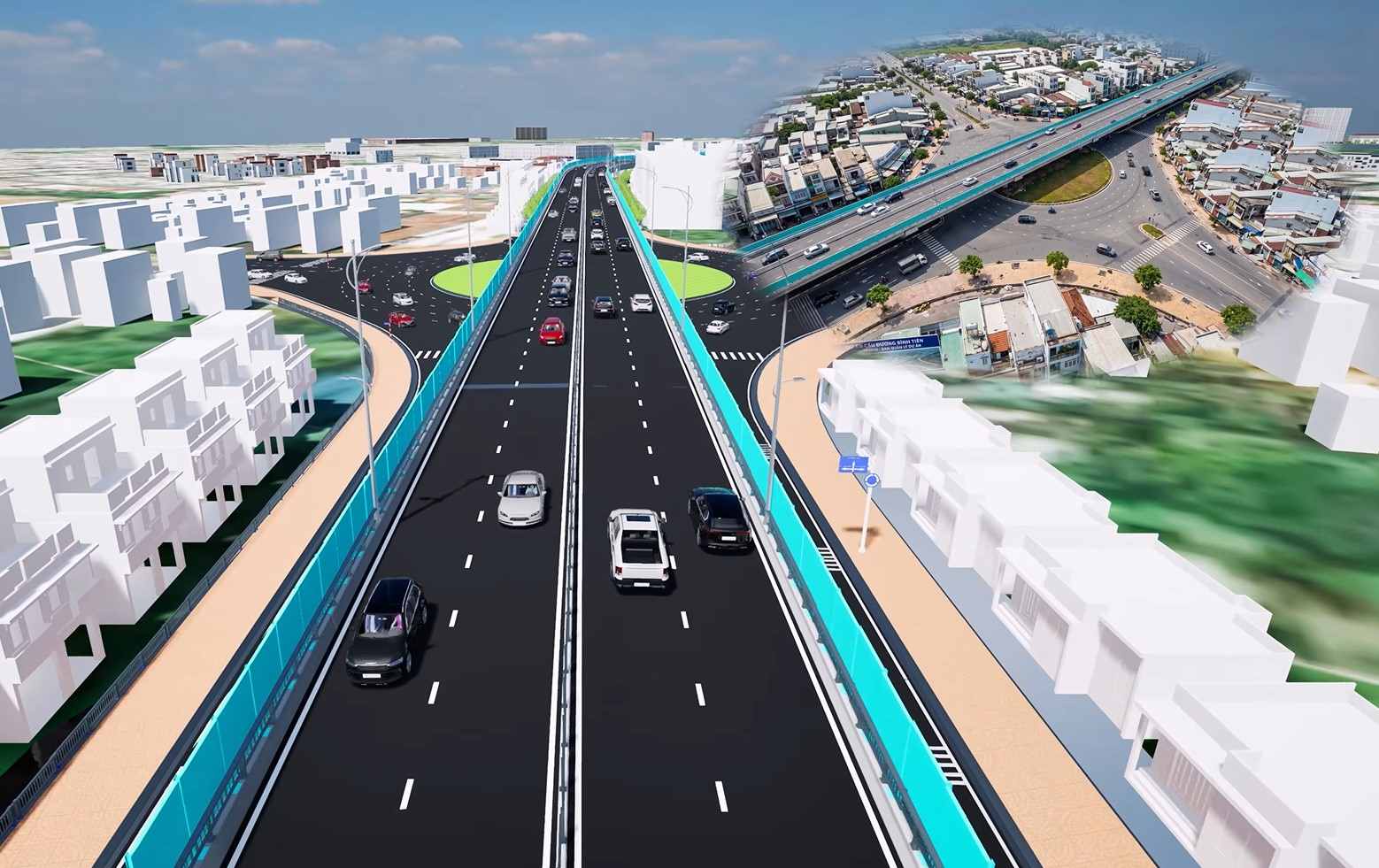
According to the Ho Chi Minh City Transport Board, a transparent glass noise-fighting wall system will be installed on the elevated road to limit the impact of noise on residential areas along the route.
Currently, the connection from the center of Ho Chi Minh City to the South mainly passes through Nguyen Huu Tho, Duong Ba Trac, Pham Hung and National Highway 50 routes. However, these routes are often overloaded, especially during peak hours.
When completed in 2028, Binh Tien bridge and road will become one of the important radial traffic axes of Ho Chi Minh City, contributing to sharing pressure on the existing road network, shortening travel time from the center to the South Saigon area and Hiep Phuoc port area.
The project will also strengthen connectivity with Ring Road 2, Ring Road 3 and Ring Road 4 of Ho Chi Minh City, creating momentum to expand urban space, promote socio-economic development and strengthen regional linkages in the future.


