
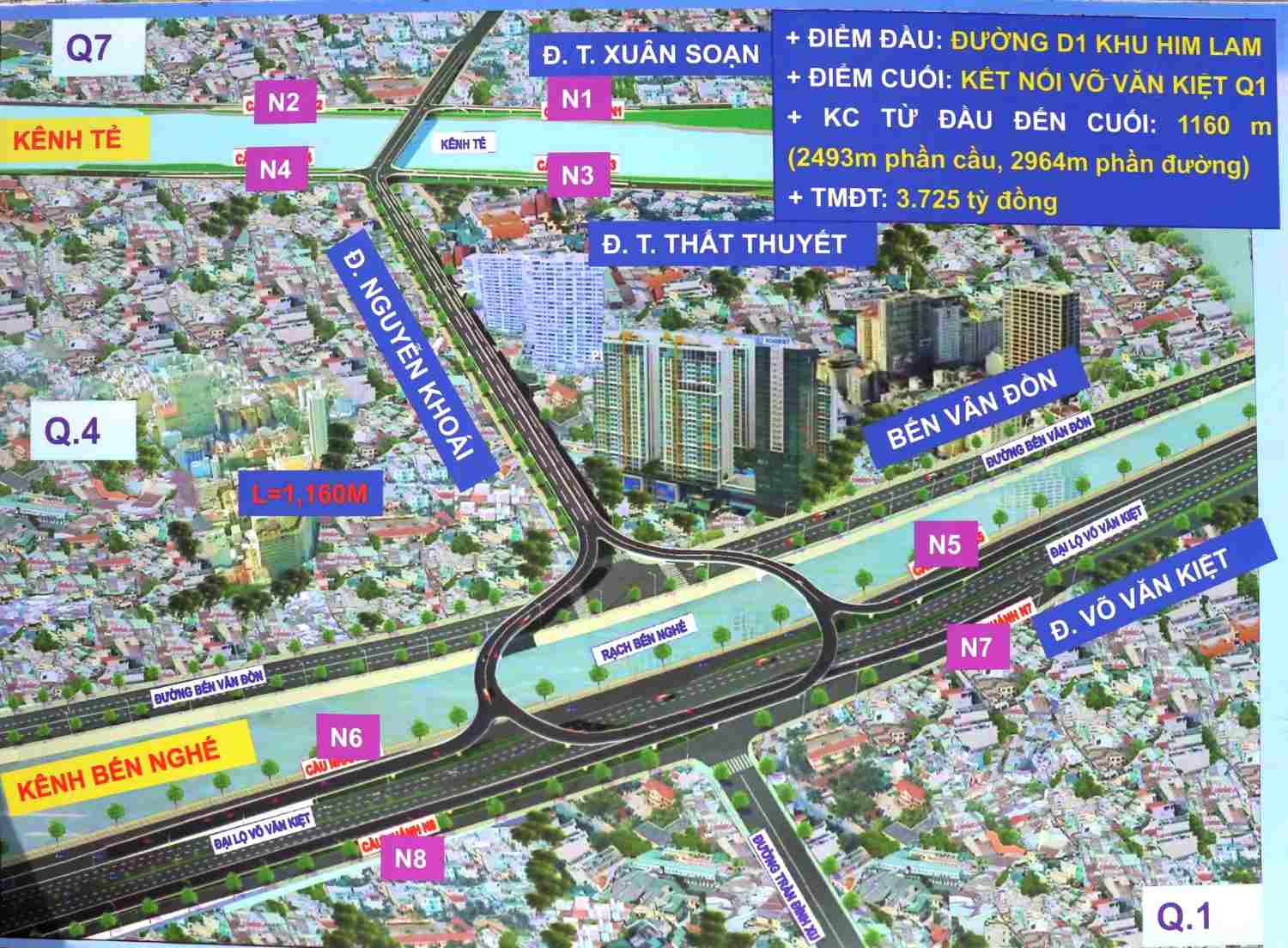
The Nguyen Khoai bridge and road project has a total investment of more than 3,700 billion VND, starting construction at the end of 2025.
The entire route includes the Te canal and Ben Nghe canal overpass system, with a total length of more than 2.5 km, width of 25.5 m. The approach road section is more than 1.1 km, width from 6.5 - 35 m.
In addition, the project also includes the item of expanding Vo Van Kiet road towards Ben Nghe canal, about 863 m long, along with drainage, lighting, and green trees.
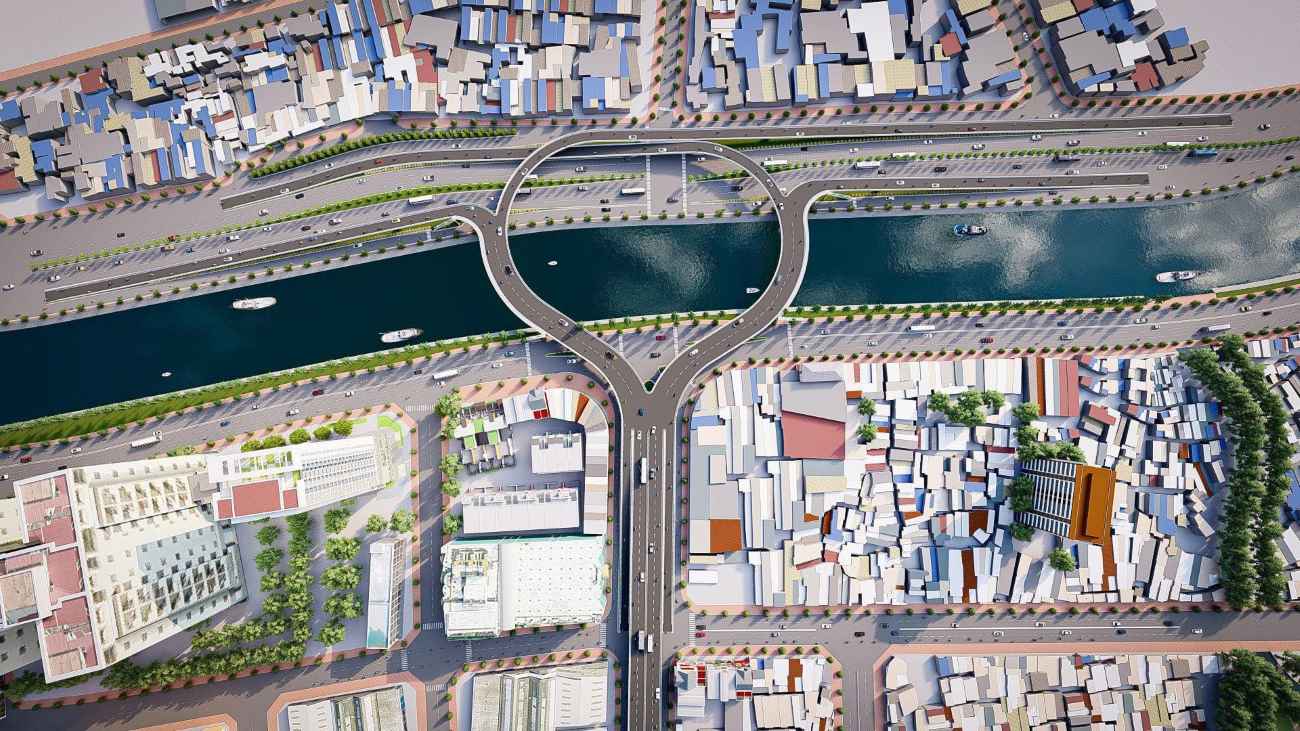
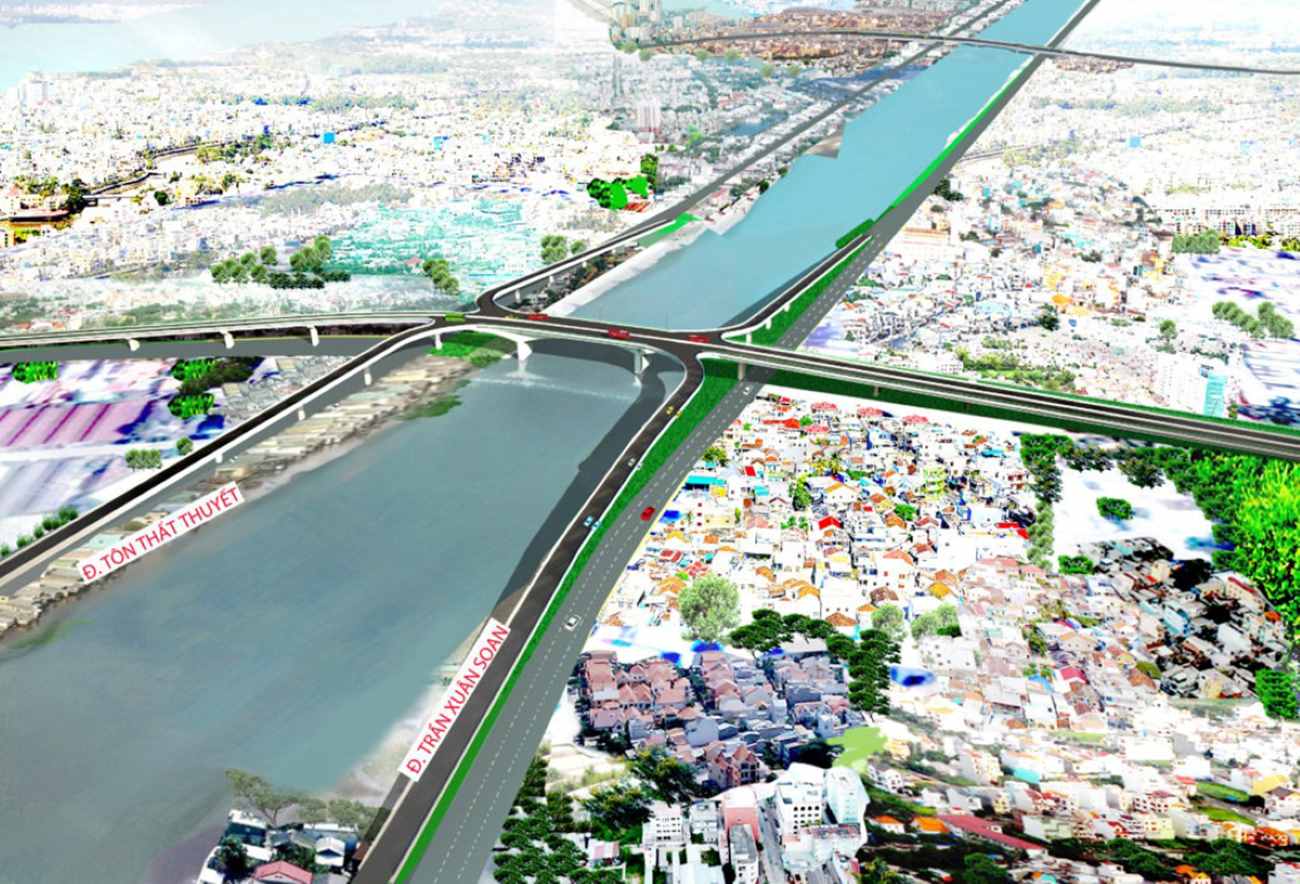
On March 18, the Ho Chi Minh City Traffic Construction Investment Project Management Board (Traffic Board) said that the contractor is currently deploying the construction of the approach span in Tan Hung ward (formerly District 7).
Construction package 4 (expansion of Nguyen Khoai street) has completed contractor selection and is expected to start construction in March 2026, with the condition that at least 80% of the site is handed over.
According to the plan, the entire project will be completed in the second quarter of 2028, but this progress largely depends on site clearance work. Specifically, the entire Nguyen Khoai street site needs to be handed over in the second quarter of 2026 and the Ton That Thuyet street area in the fourth quarter of 2026.
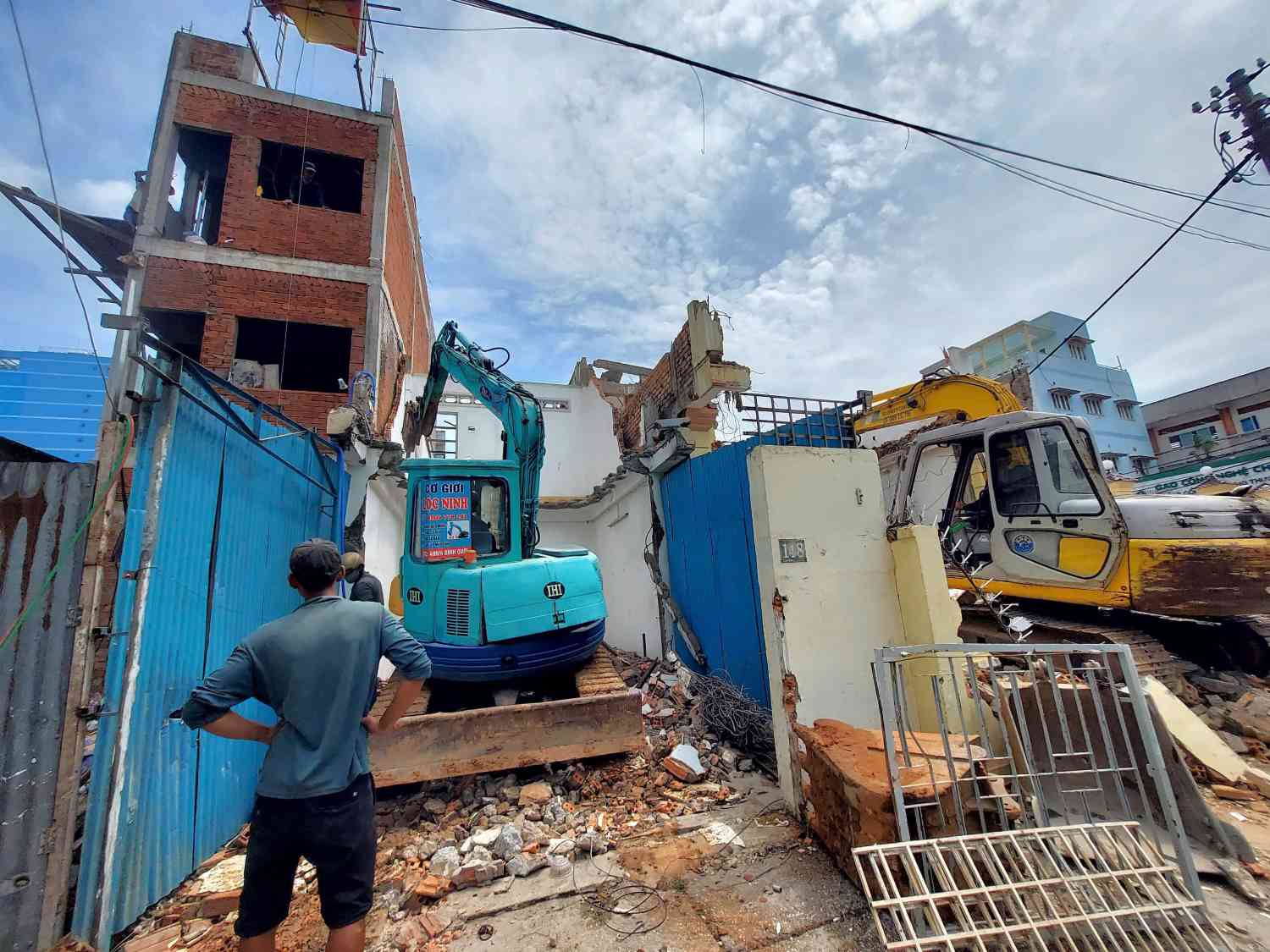
The Nguyen Khoai bridge and road project has a total of 147 affected cases (including 126 households and 21 organizations), with a recovered area of about 0.83 hectares, of which 12 households must be completely cleared.
To date, there have been 109 cases of consensus, 99 cases of compensation have been paid.
However, there are still 38 cases that have not agreed, including 20 households in the Port Residential Area that need to be inspected for construction quality to serve as a basis for compensation and resettlement.
Currently, there have been 81 cases of site handover, reaching 55% of the total.
On March 18, Chairman of Ho Chi Minh City People's Committee Nguyen Van Duoc directly inspected the Nguyen Khoai bridge and road project, requesting to accelerate compensation and hand over land to ensure progress.
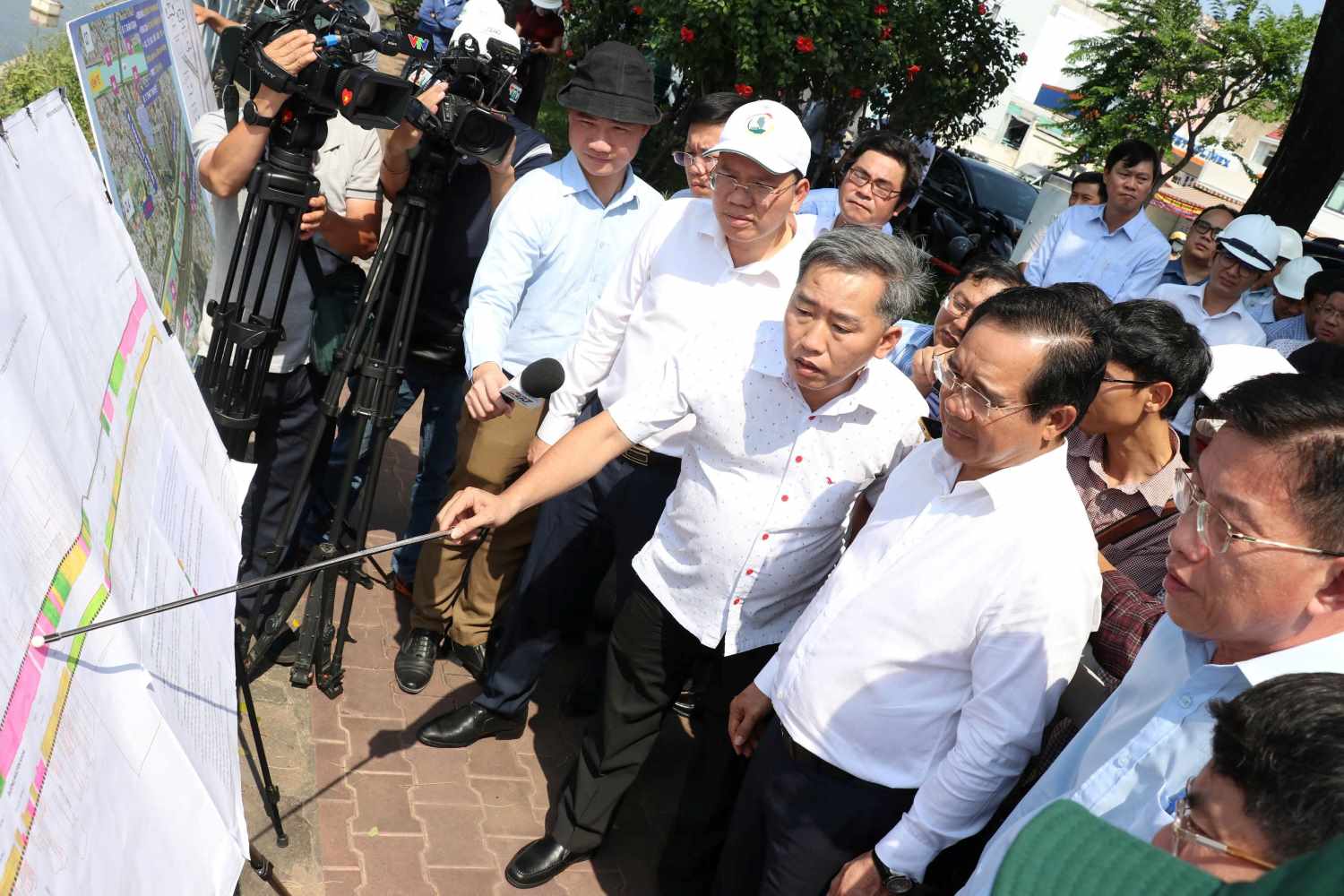
Besides site difficulties, Mr. Nguyen Van Duoc said that dividing the project into 8 construction packages is too much, which may cause difficulties in operation due to lack of synchronization between contractors, affecting progress.
The Chairman of the Ho Chi Minh City People's Committee directed that for packages that have been signed contracts, they can be kept unchanged, and the parts that have not been implemented need to be studied and combined in the form of general contractors for centralized management and improved construction efficiency.
Regarding the construction of the section through Nguyen Khoai street (Vinh Hoi ward), the plan to divide it into 2 phases is assessed to be time-consuming, requiring many barriers, affecting people's lives. Therefore, city leaders proposed rolling construction, combined with traffic diversion to reduce disruption and shorten progress.
The Nguyen Khoai bridge and road project helps form a new traffic axis directly connecting the South with the center of Ho Chi Minh City, allowing vehicles to circulate continuously from District 7 (formerly) to District 1 (formerly) by overpass, while effectively connecting with Vo Van Kiet Avenue.
The project is expected to contribute to reducing pressure on existing routes such as Nguyen Huu Tho - Kenh Te bridge, Duong Ba Trac, Nguyen Tat Thanh.


