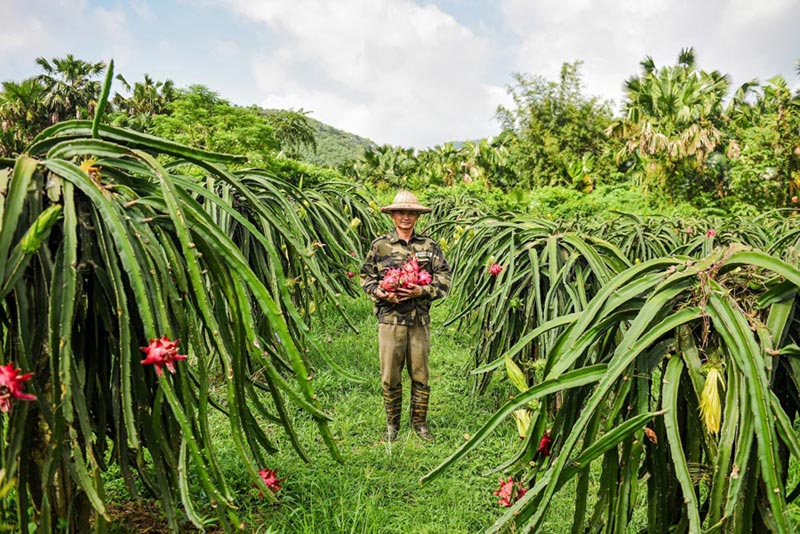
Because in the journey of "leaving no one behind", livelihood - not relief - is the real measure. Those are my feelings - a photojournalist of Lao Dong Newspaper.
Reduce dependence on traditional agriculture
The report of the Ministry of Ethnic Minorities and Religions shows a two-sided picture. On the one hand, the lives of ethnic minorities and mountainous people are basically stable. Many localities have effectively implemented the program to eliminate temporary and dilapidated houses, improving living conditions for people.
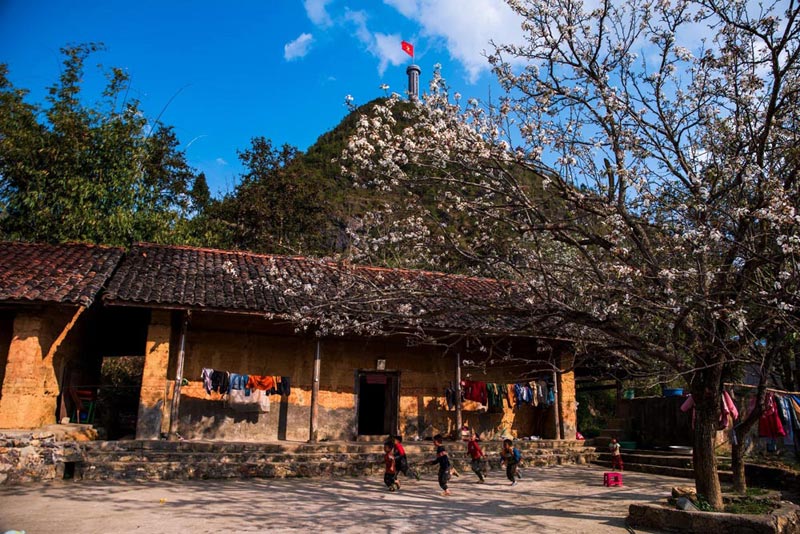
But in the opposite direction, the report also points out a reality: the livelihoods of a part of the population are still precarious, heavily dependent on natural conditions; agricultural product prices fluctuate directly affecting income; the development gap between regions is still clear.
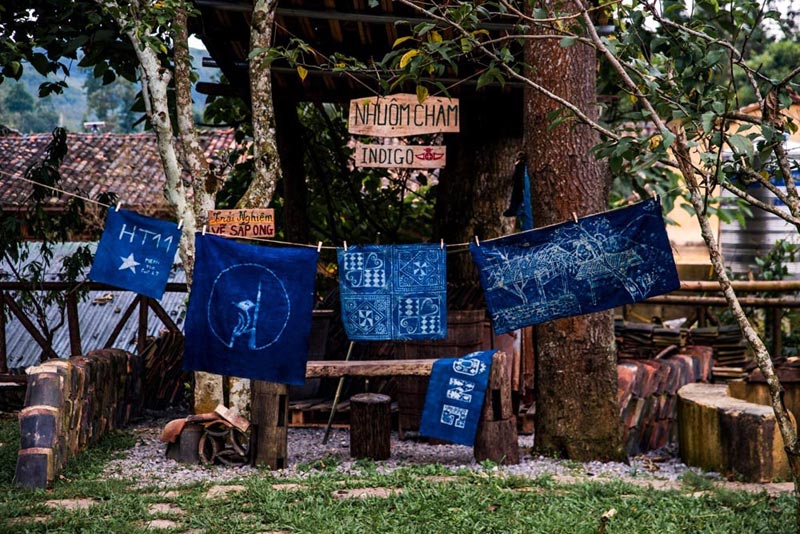
Reality in many localities such as Son La or Dak Lak shows that the livelihood problem is gradually being solved when policies shift from support to creating opportunities. A clear example is in Lao Cai - where community tourism is becoming an important livelihood for people in the highlands.
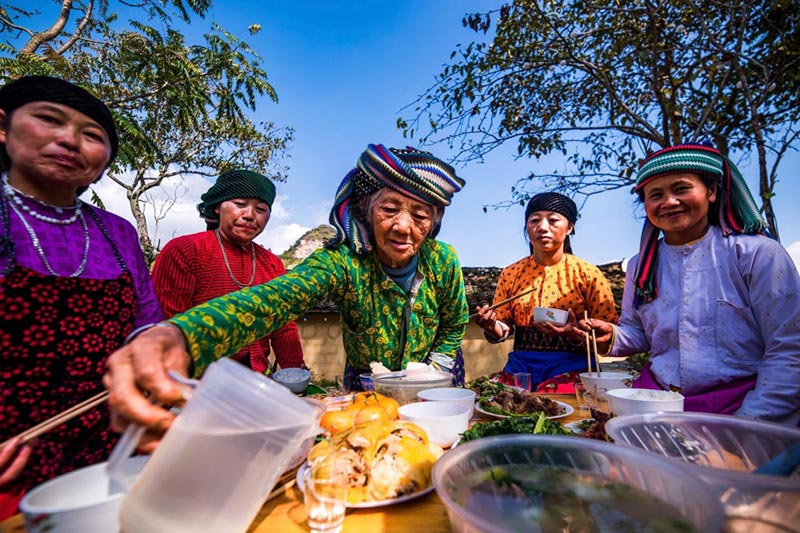
This growth is not only concentrated in centers like Sa Pa, but also spreads to many highland villages through community tourism models, homestays, and cultural experience services. People not only have additional income from accommodation, cuisine, and tour guides, but also directly participate in the service value chain.
A noteworthy point is that livelihoods from tourism help reduce dependence on traditional agriculture, which is easily affected by weather and markets. When a household can earn income from its own living space and cultural identity, the risk of "bumper crop, price drop" is gradually replaced by a more stable source of income.
From "give" to "giving a chance
A noteworthy point is that policies are having clear movements to remove this bottleneck. Vocational training is no longer deployed widely but is associated with the specific characteristics of each region. In the Northwest region, community tourism is becoming a new direction, both creating livelihoods and preserving culture.
The Northwest provinces have identified community tourism development as a strength, capable of attracting tourists and creating sustainable livelihoods for local people through exploiting traditional cultural identity. In the Central Highlands region, production linkage models are gradually taking shape. Linking farmers with businesses in coffee and pepper production not only helps stabilize output but also increases product value.
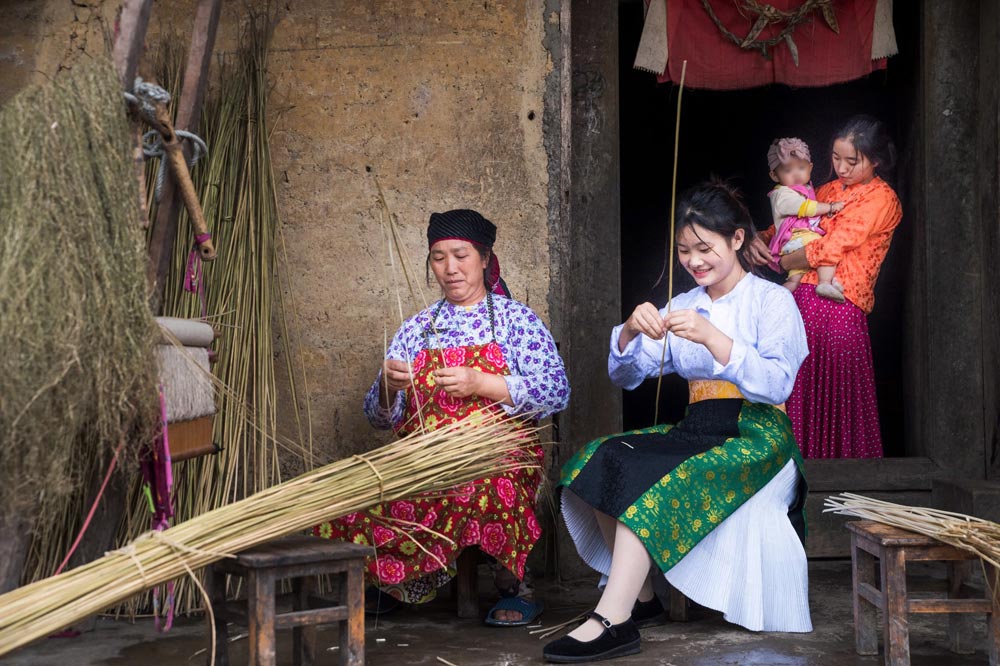
Along with that, the application of science and technology, crop conversion and access to credit are gradually reducing dependence on nature. These changes show a clear direction from direct support to creating opportunities, from "giving" to "giving opportunities".
However, the journey of "leaving no one behind" still faces many challenges. The development gap between regions cannot be eliminated in a short time. The risk of re-poverty is still present, especially in the context of unpredictable climate change and global market fluctuations. More importantly, it is necessary to continue to put livelihoods at the center of policies. Because in the end, people not only need support in difficult times, but also need to be able to stand firm.
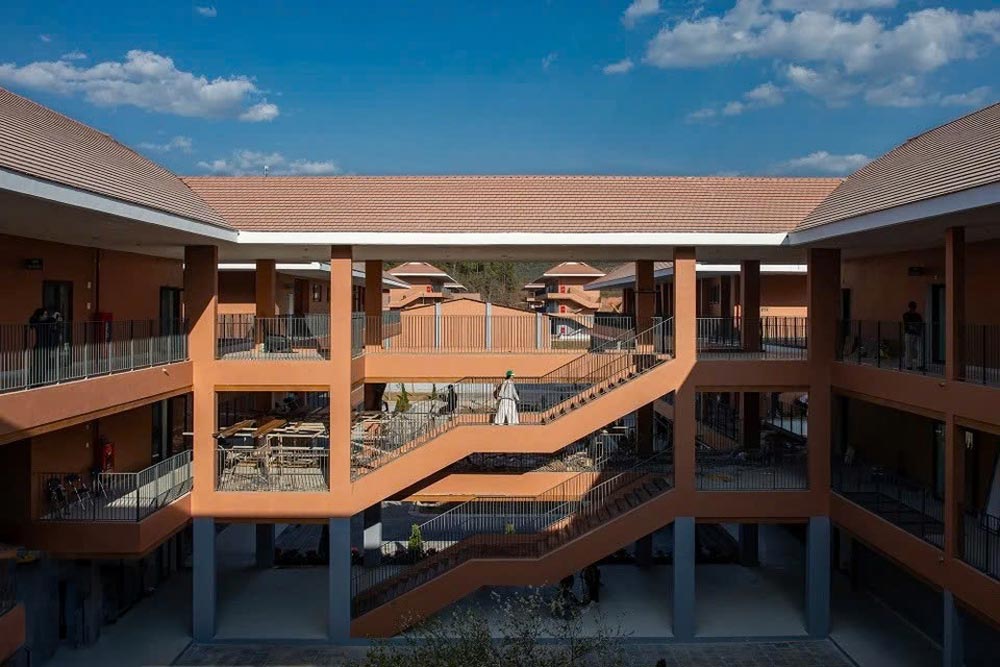
When farmers can be proactive in the face of market fluctuations, when a community can create value from its own culture, then, "no one is left behind" truly becomes a reality. And in that journey, livelihood - more than any indicator - is the clearest measure of the effectiveness of national policy.