
Coconut water intravenous fluids" and surgeries outside the curriculum
Until now, world medicine probably has never had a textbook recording treatment cases like on the battlefield of Bung Bien in the past.
I was dislocated my knee joint by the medical department in a'3 no' condition: no anesthesia, no intravenous fluid and no blood to continue" - journalist Nguyen Dac Hien (Muoi Long), a 1/4 wounded soldier, recalled emotionally.
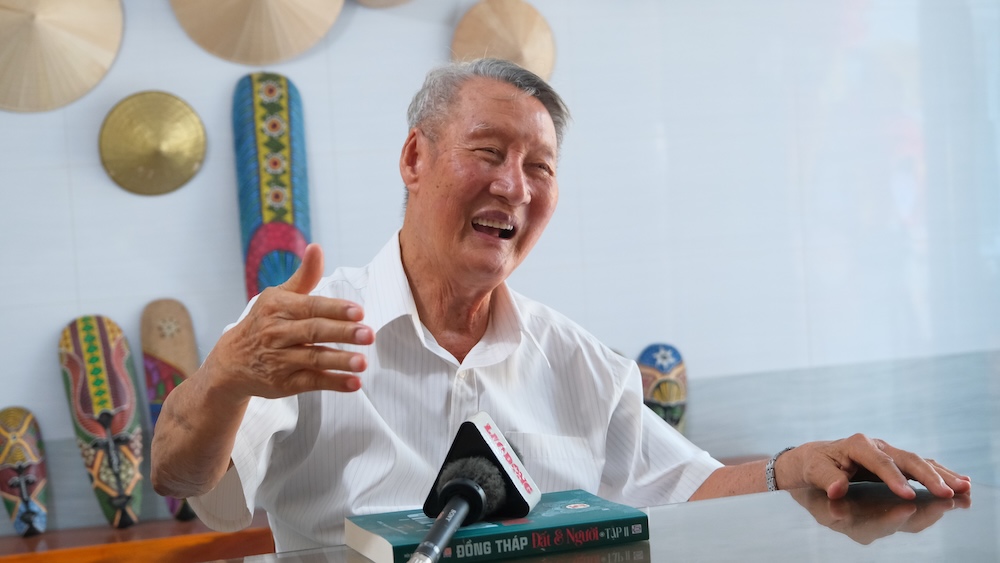
In April 1974, an enemy explosion (the common name for mine traps or self-made explosive devices used to cause damage to the enemy) destroyed his foot while he was on a campaign. The enemy swept fiercely, unable to withdraw to the rear base, the forward military medical team had to place a nylon sheet close to the ground to make a bed, and then asked the guerrillas to cut fresh coconuts to get water to make a life-saving infusion for him.
Waiting until night, when the enemy withdrew, he was taken to the base, but his foot had become necrotic, forcing him to remove the knee joint in the dark. “Every time I pick up a piece of bullet, it hurts to the bone. And when I saw the bones to remove the joint, no words can describe it,” he shared.
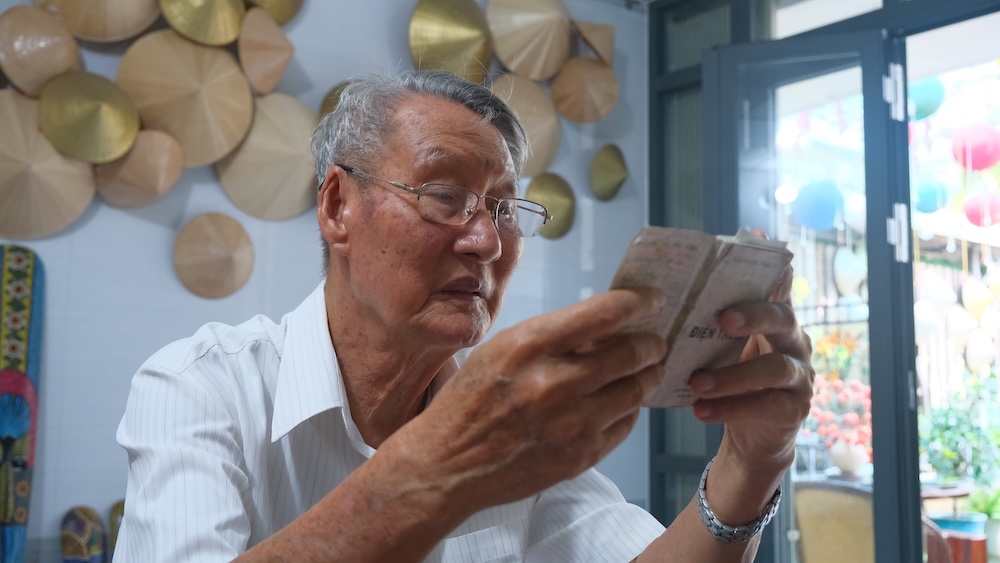
Extremely painful as it was, but when he woke up and saw his comrades standing around, he still smiled optimistically: "As long as I have one leg, I will fight the Americans with one leg!
That resilience was like a "special gene" of journalists in the Mekong Delta. At the end of 1971, when enemy artillery fiercely shelled the base of the News and Press Sub-committee of the My Tho Provincial Party Committee in Long Dinh commune, journalist Nguyen Ngoc Chau (Hai Chau) was wounded and broke his right arm.
Being taken to the military medical station for treatment, because he was impatient and afraid of not having time to publish the Spring of Ap Bac in 1972 issue, he lay on the hospital bed reading each word for the military medical staff to copy into a hot newspaper article. A "one-of-a-kind" way of doing journalism with resilience.
Agent Orange sequelae and "command" not to die
In 1969, photojournalist Hoang Dung (Nguyen Ngoc Thanh) of Co Giai Phong Newspaper (predecessor of Dong Thap Newspaper) was hit by an explosion in Lang Bien area (Thap Muoi), suffering 43% injury. Hearing that her husband was injured, the young wife waded into the war zone to visit and take care of him.
That happy reunion day unintentionally became fate when the enemy poured Agent Orange into the forest without them knowing.
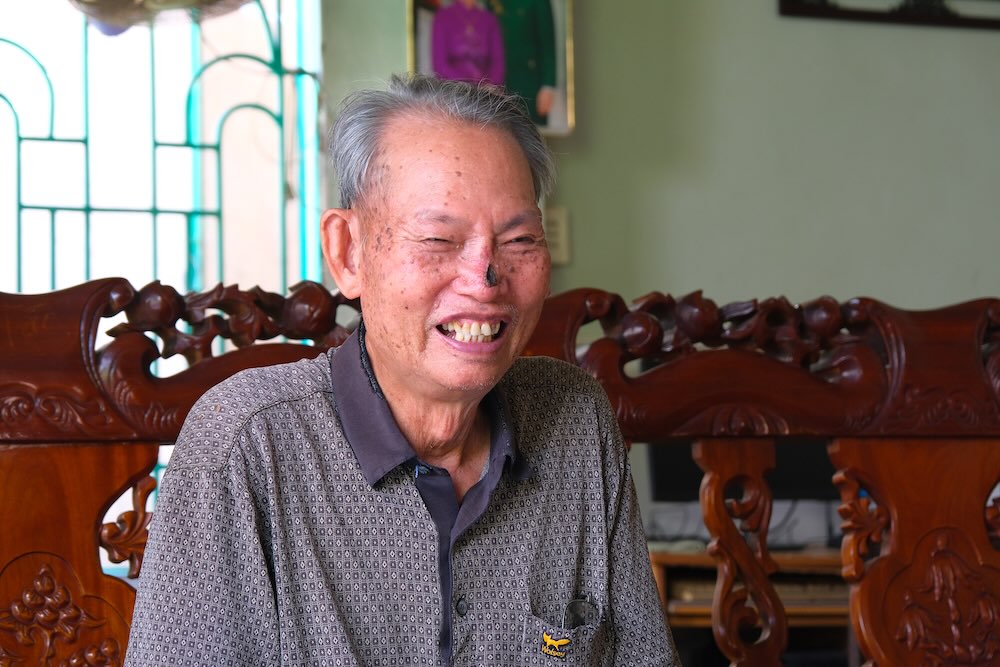
Peace was restored, but the Agent Orange storm of the past still silently attacked the 2nd generation. In 1978, his wife gave birth to a son named Nguyen Ngoc Hien with many abnormal signs. Although he was about to turn 50, Hien was like a child, unable to control his daily life, often sick and had to have a kidney removed.
After being diagnosed with cancer by doctors, Mr. Dung added another burden when his wife suffered a stroke and was bedridden for many years before leaving this world. All the savings took turns leaving... A few months ago, the tumor metastasized to his nose, Mr. Dung both treated and suppressed pain, striving to fulfill his duty as a "single father raising children".
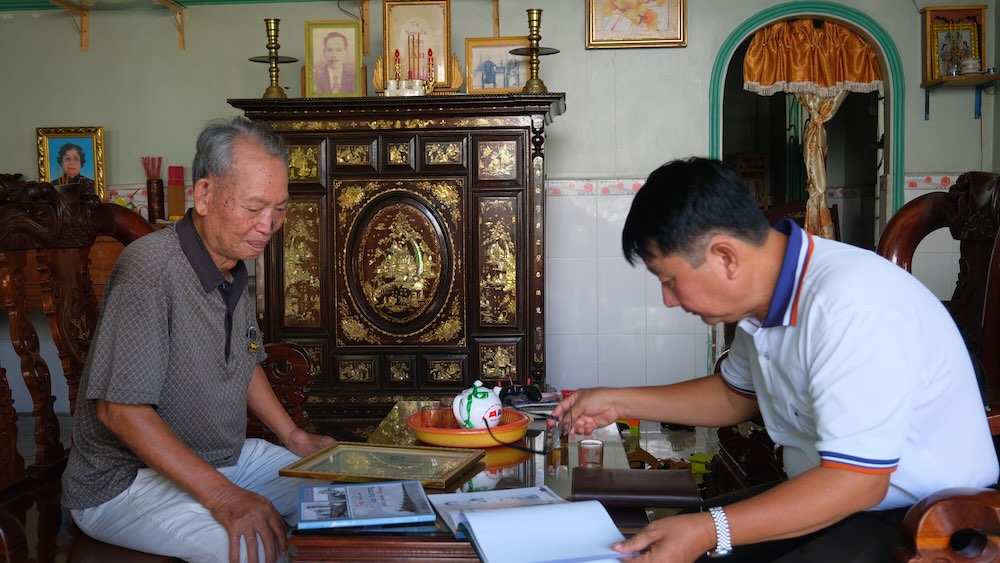
Currently, the total pension and sickness support of him and his son is more than 10 million VND/month, enough to manage life, but when asked about the future, the voice of the U90 old man (born in 1944) was sad: "The biggest worry is not the illness but the future of my son...".
Looking at the old veteran sitting on the brick floor "playing in a hut" with his child whose hair has turned gray but whose soul is forever a three-year-old child, my heart suddenly felt bitter.
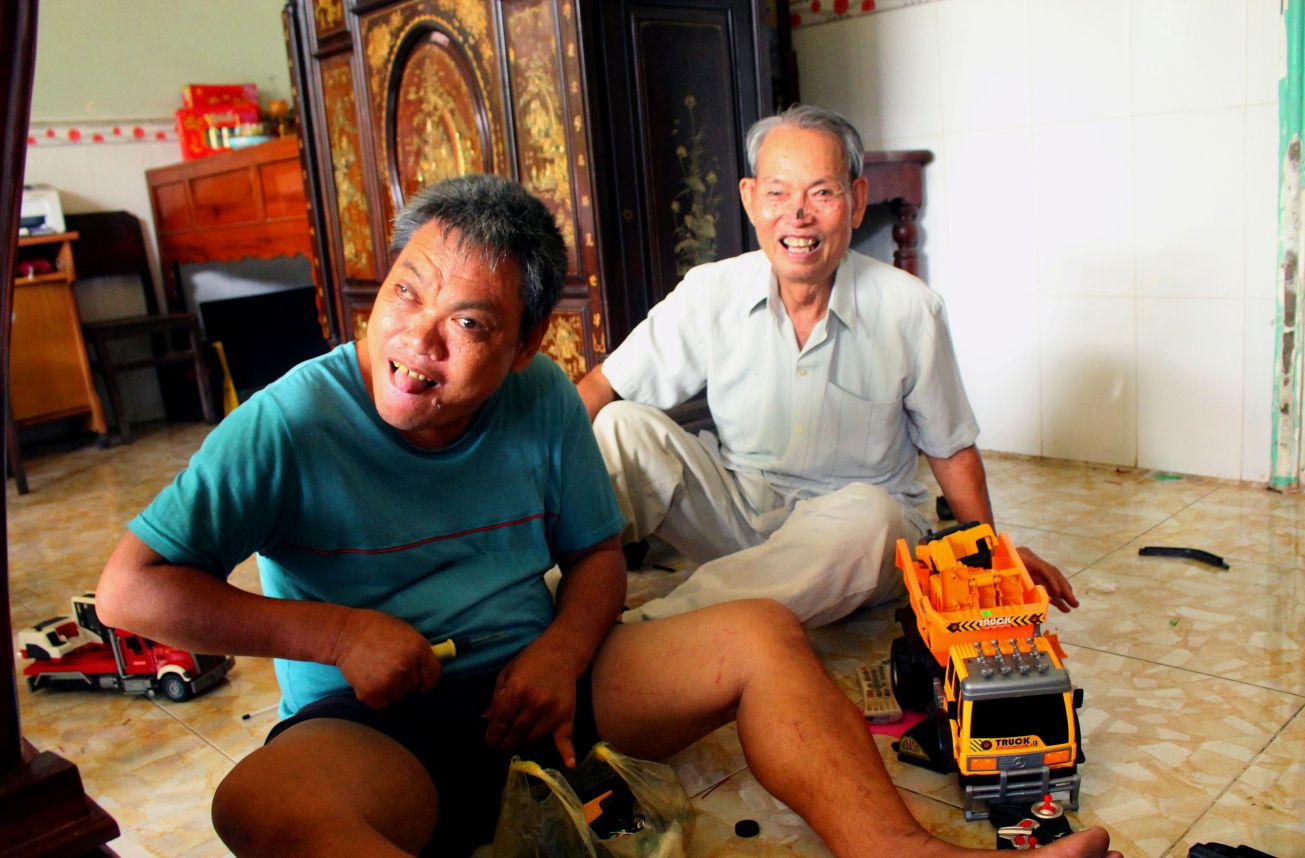
Perhaps this is the first time we have fully understood the harshness of the conclusion drawn from the war: "There are people who are exhausted, seemingly able to give up at any time, but they do not allow themselves....
Because if he lay down, who would that poor son rely on? Because Mr. Hien's brothers and sisters are also full of difficulties in life.
Voluntary "injured soldiers" standing outside the list
In addition to wounded journalists in the Southwest region who enjoy policies, there are also many people carrying "nameless wounds". They have scratches, shrapnel in their bodies but have never knocked on the door of functional agencies to ask for a wounded soldier card. The reason, as journalist Truong Thanh Nha confided: "When there was peace, the country was still too poor and chaotic. Meanwhile, many other wounded and sick soldiers suffered greater losses, needing support, so we chose to remain silent as a way to share the burden with the Party and the State.
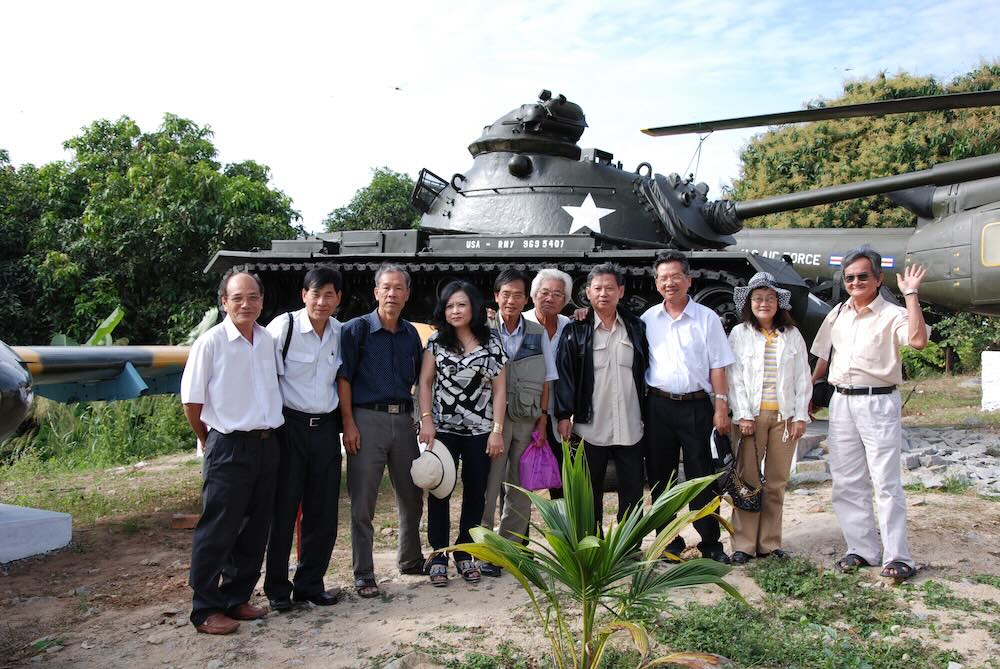
With that noble sacrifice, journalist Ngo Hoang Van (former reporter of Chien Thang newspaper) hid the wound that had caused him to be hospitalized for many months. Even many people refused surgery to remove shrapnel from their bodies just to keep... battlefield memories, like the story of journalist Nguyen Thanh Ha (former Director of Kien Giang Radio and Television Station).
The most typical is the story of Ms. Ho Thi Hoa - an employee of the Rach Gia Provincial Propaganda and Training Department Printing House. The 1961 napalm bomb attack by the enemy on Cong Su area (An Minh) burned the entire back, took away one ear and deformed the face of the young girl of that day.
But on the day of reunification, she just silently worked, refusing to go to work for the regime: "If we go to work for the revolution, we don't even regret our lives, so why calculate these injuries?" Much later, Mr. Hai Huynh (Le Minh Hue) - the old leader in the resistance war - discovered that he had "scolded" her, and she finally agreed to go to apply for war invalid benefits.


