
People in the vegetable land recover after the flood
According to statistics, during the recent heavy rain and floods, Lam Dong province had more than 4,000 hectares of crops damaged, mainly vegetables.
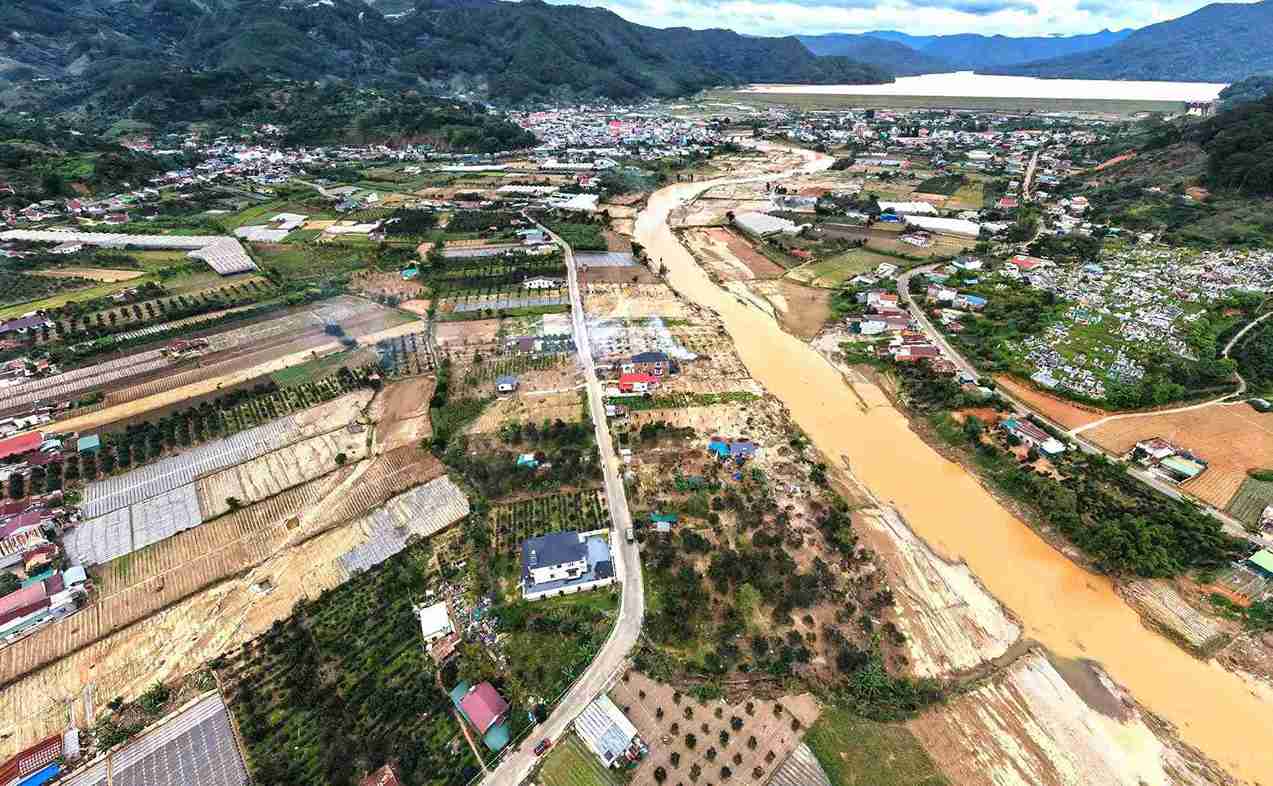
Many vegetable growing areas in the province such as D'ran, Don Duong, Ka Do, Quang Lap, Hiep Thanh... were lost. The flood caused the green vegetable fields to erode, and the rocks and soil were buried.
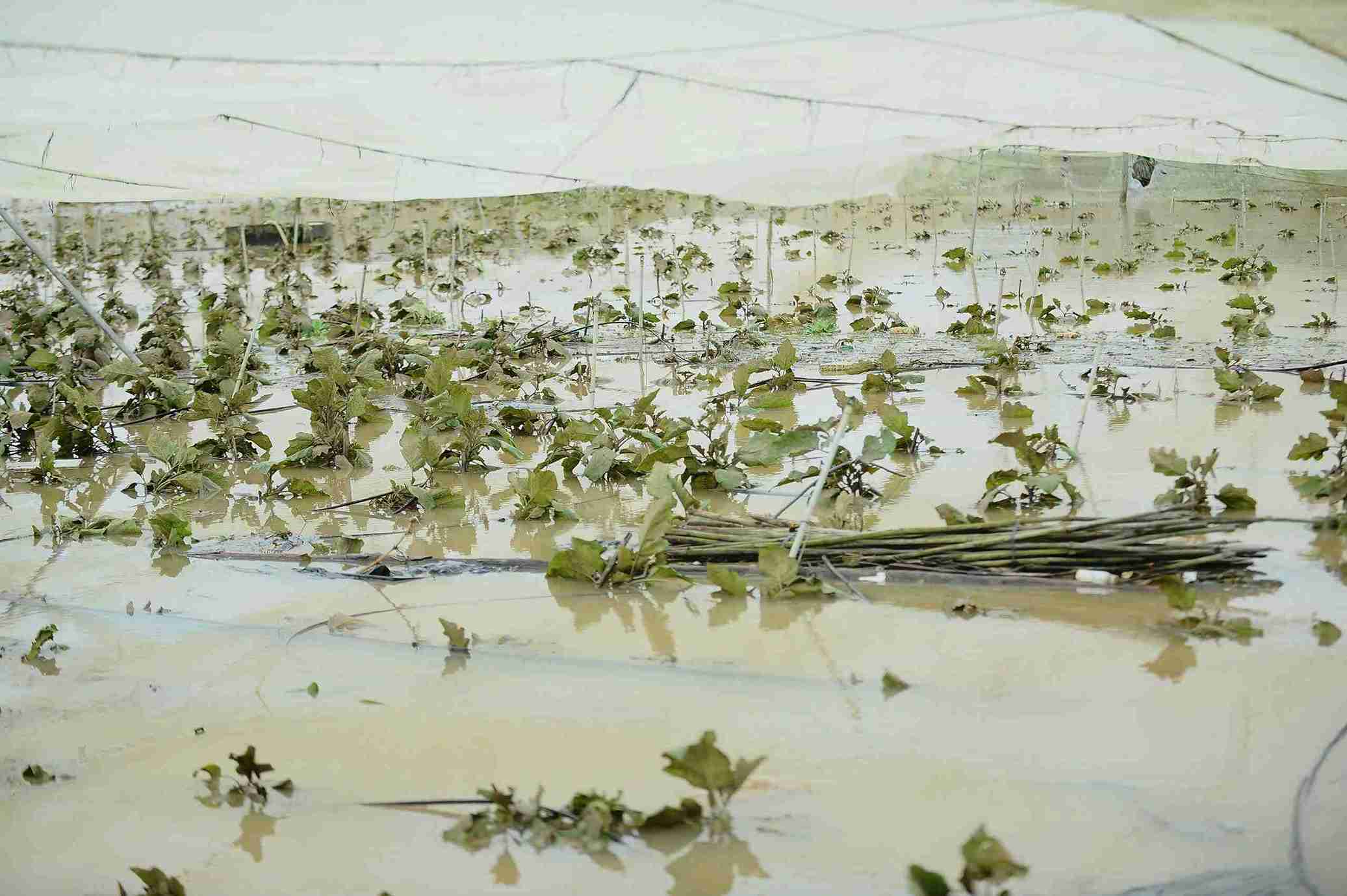
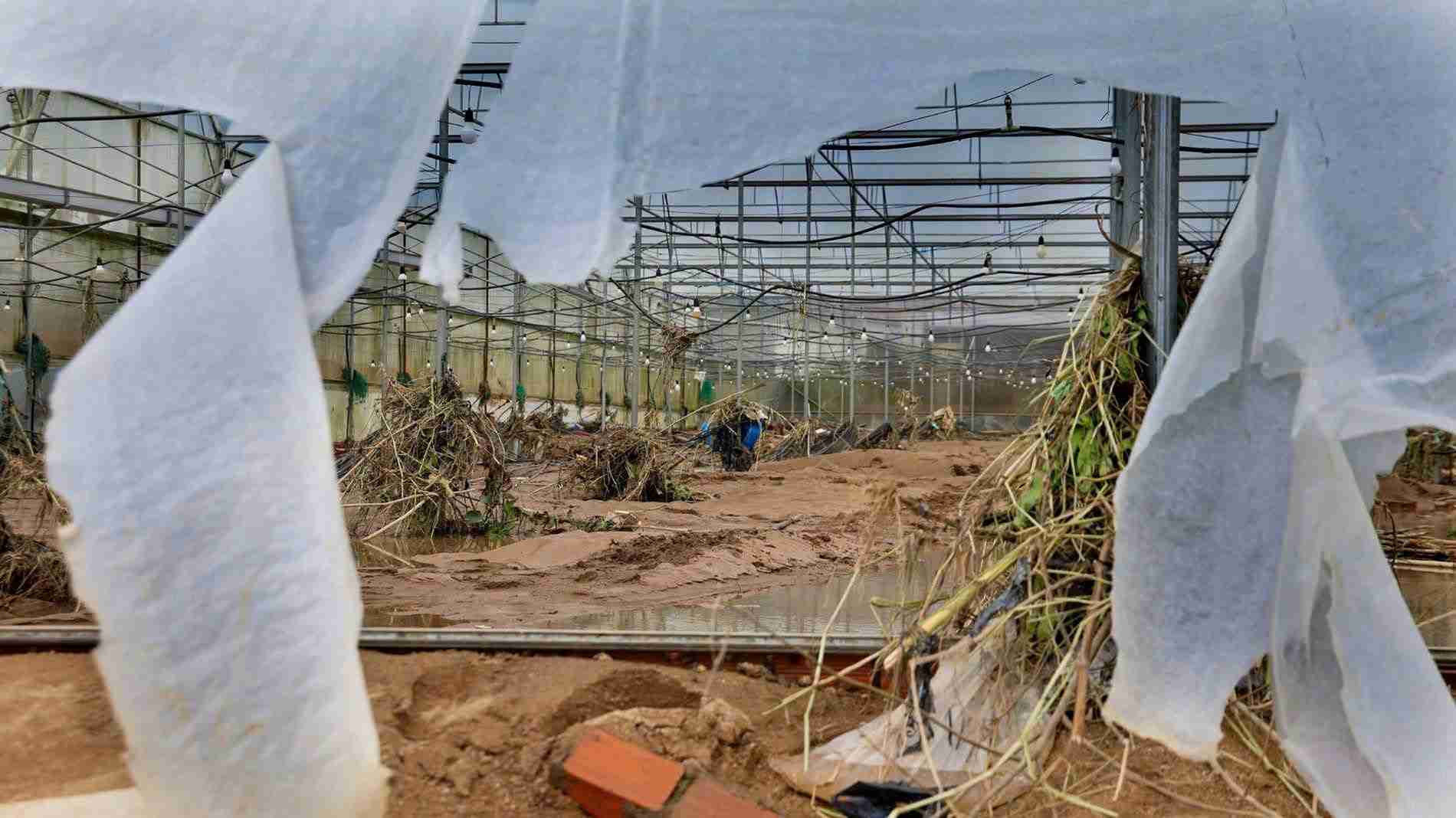
The greenhouse and greenhouse systems of the people were also swept away and torn, causing heavy damage.
Now, when the flood has passed, the weather is gradually warming up, the green vegetable fields are being cleaned and renovated by the people to plant.
D'ran was the locality that suffered the most damage in Lam Dong province in the historic flood at the end of November. According to estimates, the whole commune has over 1,300 hectares of vegetables of the people swept away by floodwaters, almost wiped out.
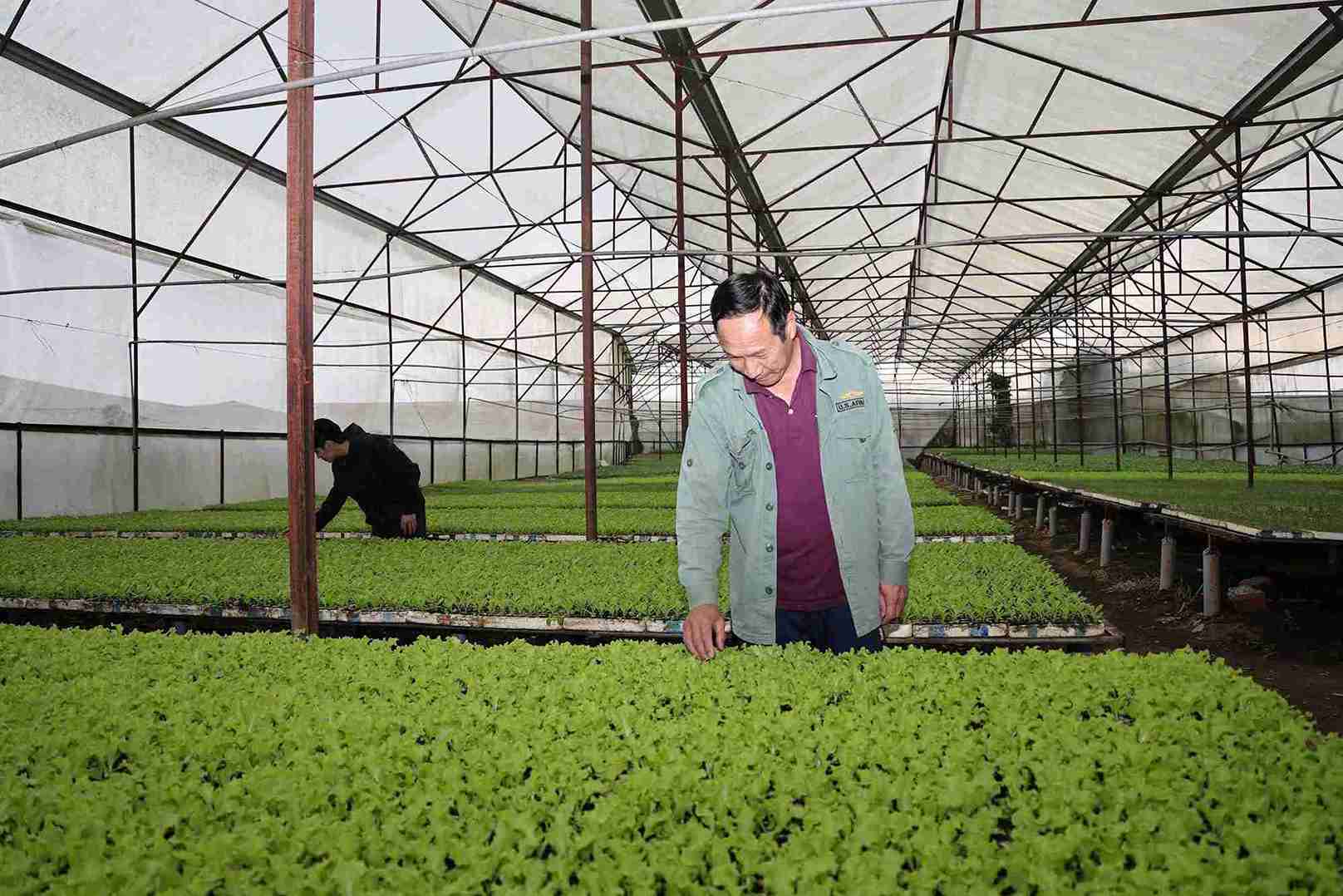
Currently, many greenhouses that were swept away by floodwaters are being rebuilt. Most of the land area for growing vegetables, tubers and fruits has been focused on by the people.
The green color of vegetables is gradually spreading and reviving to prepare a source of vegetables to serve the year-end market.
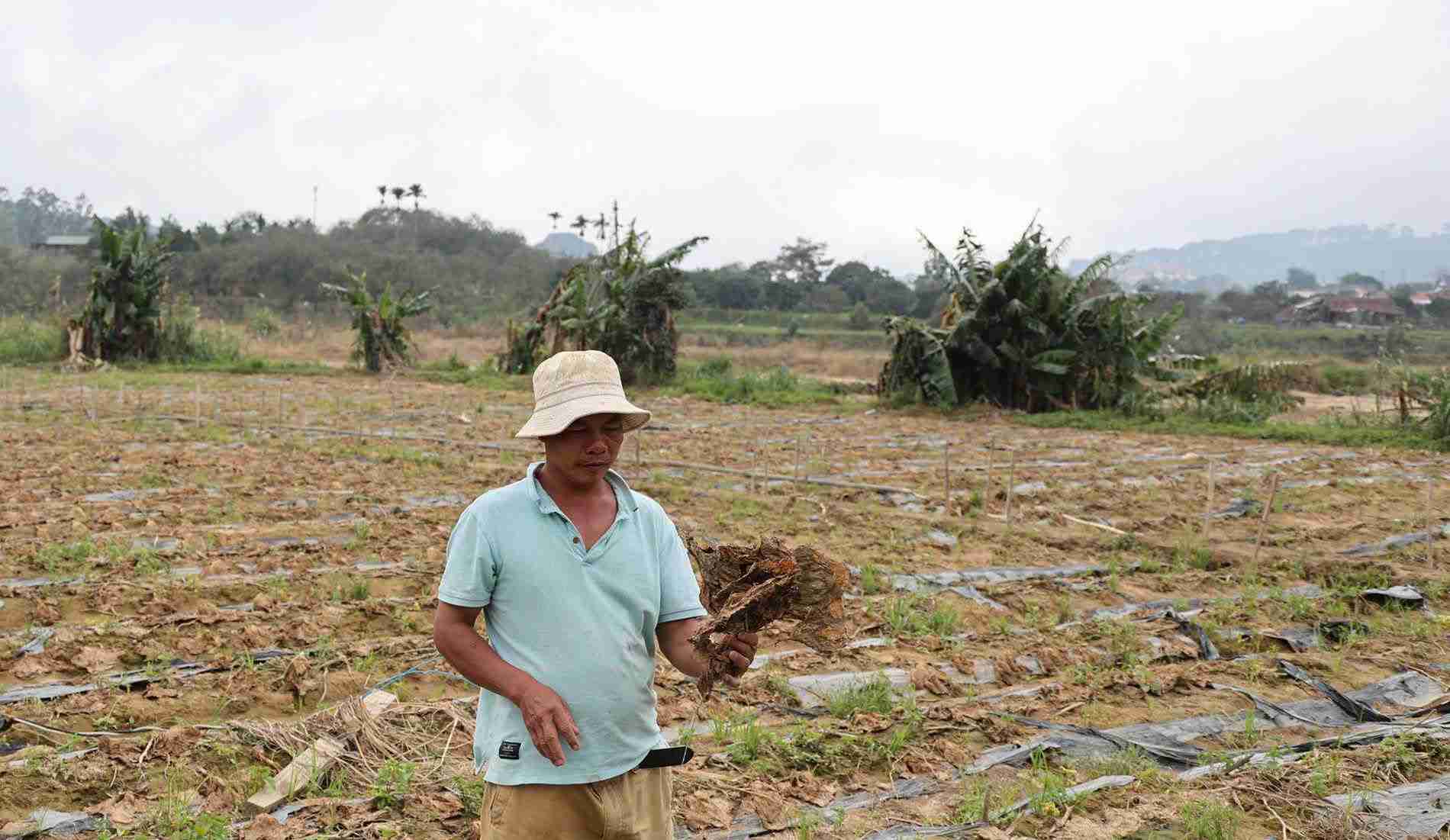
Like many other households, Mr. Nguyen Trung Kinh's family (Quang Lac village, D'ran commune) was swept away by floodwaters with more than 1.3 hectares of green vegetables, causing estimated losses of hundreds of millions of VND.
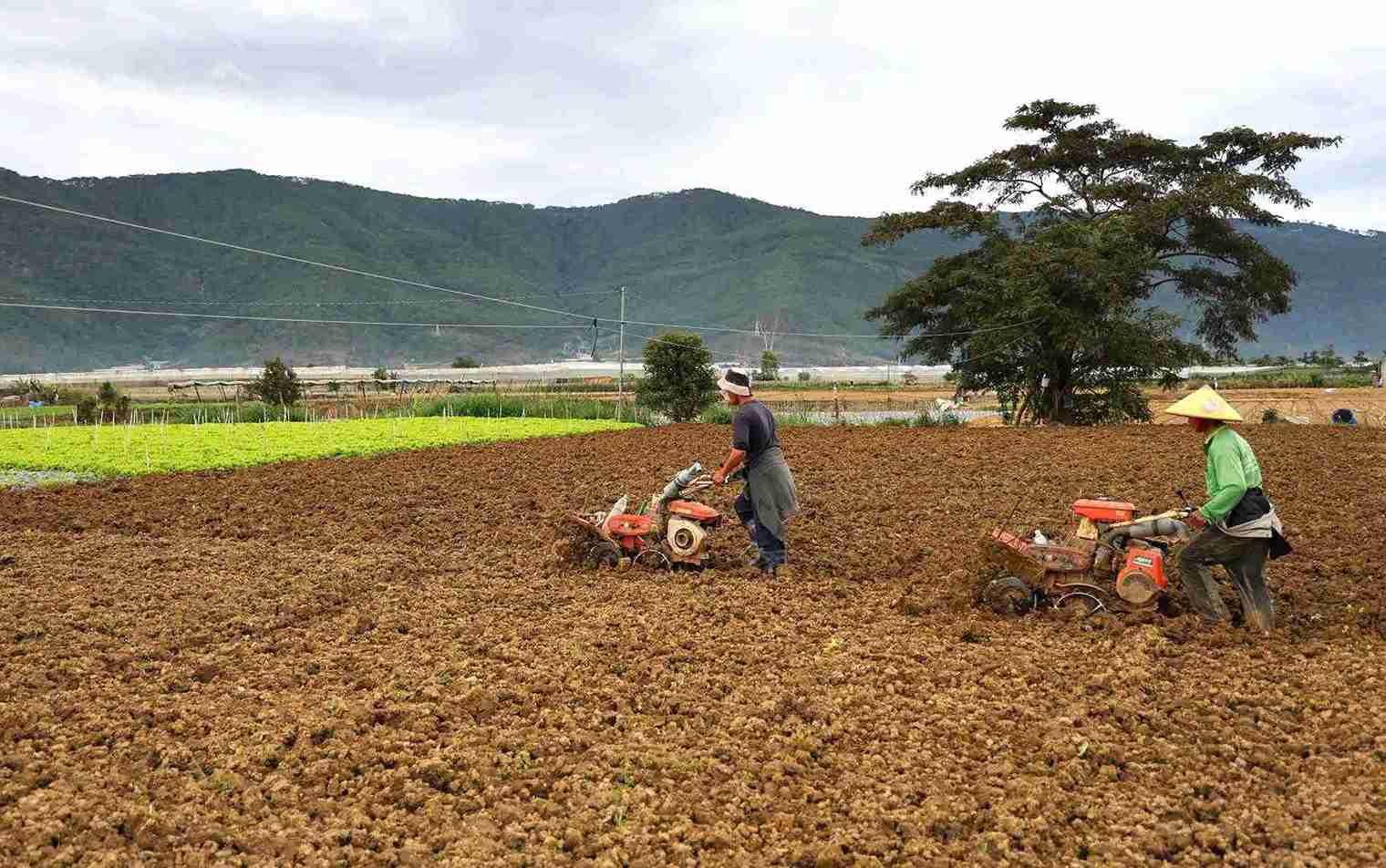
In recent days, Mr. Kinh's family has been cleaning up trash and rocks lying around the rice fields devastated by the flood. At the same time, focus on improving the soil and raising the beds to plant vegetables in time to serve the Tet market.
"No one wants damage caused by natural disasters. The loss is over, now we have to continue producing to have an income to cover our living expenses. My family has borrowed more than 150 million VND to invest in growing vegetables such as sweet cabbage, cabbage, onions, corn, etc., Mr. Kinh shared.
Similarly, Mr. Nguyen Ngoc Huong's family is also busy plowing soil, building ditches, and spreading fertilizer to the 5,500m2 garden.
Mr. Huong said: "The flood not only washed away the entire tomato garden that was about to be harvested but also caused erosion of the production land. To plant the Tet vegetable crop in time, I had to buy more soil to renovate the garden.
Promised bountiful Tet vegetable crop
Currently, green vegetable growing areas along the Da Nhim River such as D'ran, Ka Do, Quang Lap, Don Duong... have about 29,000 hectares of vegetable land, with an output of about 1 million tons/year.
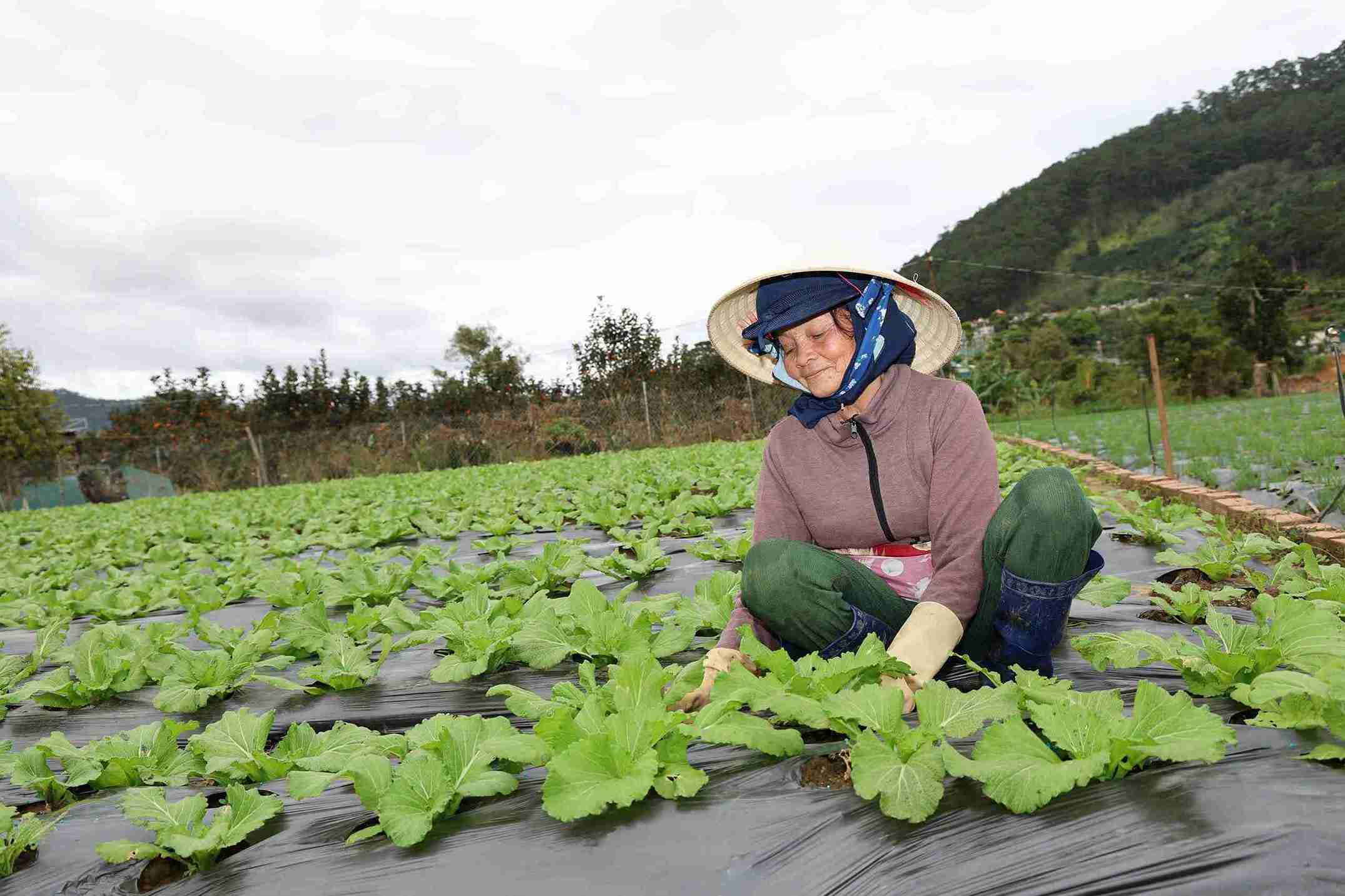
The Da Nhim River is silted with alluvium to help the land become fertile, combined with a cool climate all year round, very favorable for growing cold-climate vegetables such as cabbage, mustard greens, Chinese cabbage, lettuce, tomatoes, bell peppers, eggplant, green onions, coriander, etc.
In recent years, thanks to the application of science and technology in production, especially greenhouse technology, the vegetable growing profession in Lam Dong has continuously developed. Thereby, contributing to changing the appearance of vegetable areas and improving people's lives.
In order to urgently restore production after floods, specialized agencies, armed forces, union members, and youth have deployed many synchronous measures such as environmental treatment, disease control, clearing water flows, and supporting the construction of soil for the new production crop.
Currently, the work of supporting people to restore production is still being implemented by localities.
According to Mr. Dinh Viet Dung, Chairman of D'ran Commune People's Committee, the locality has been recommending banks to have a plan to extend debt and defer debt for affected households; at the same time, creating conditions for people to access preferential loans to serve regeneration.
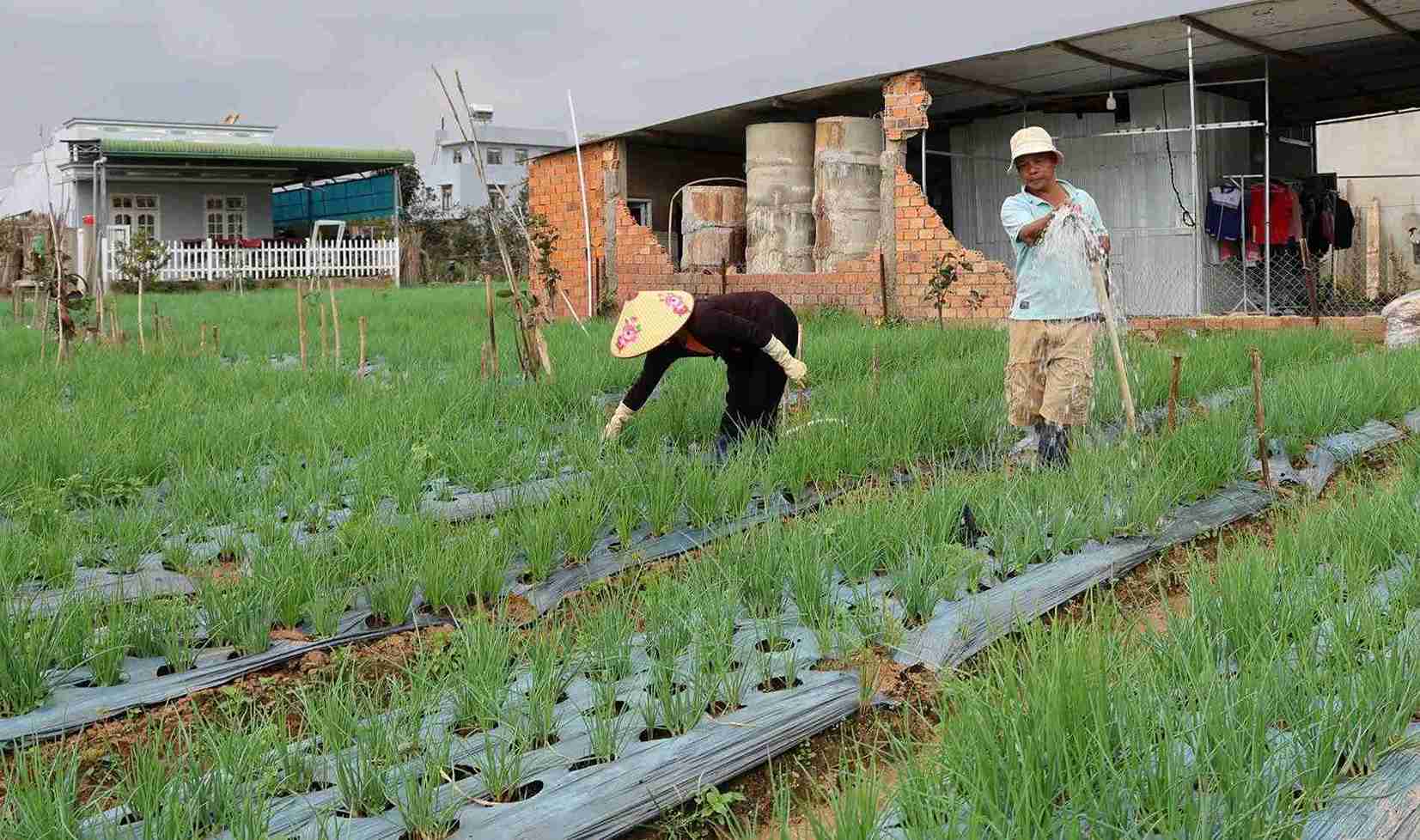
With the support of the government, functional forces and the efforts of the people, many gardens that were devastated and desolate due to floods are gradually reviving, bringing hope for a good and profitable Tet vegetable crop.


