
On June 10, the Ho Chi Minh City Department of Construction issued a decision announcing new model bus shelters and bus stops in the city.
The bus stop system includes 3 design models suitable for the characteristics of each urban area.
Model N01 is about 6 m long, located in locations with narrow sidewalks or many green trees.
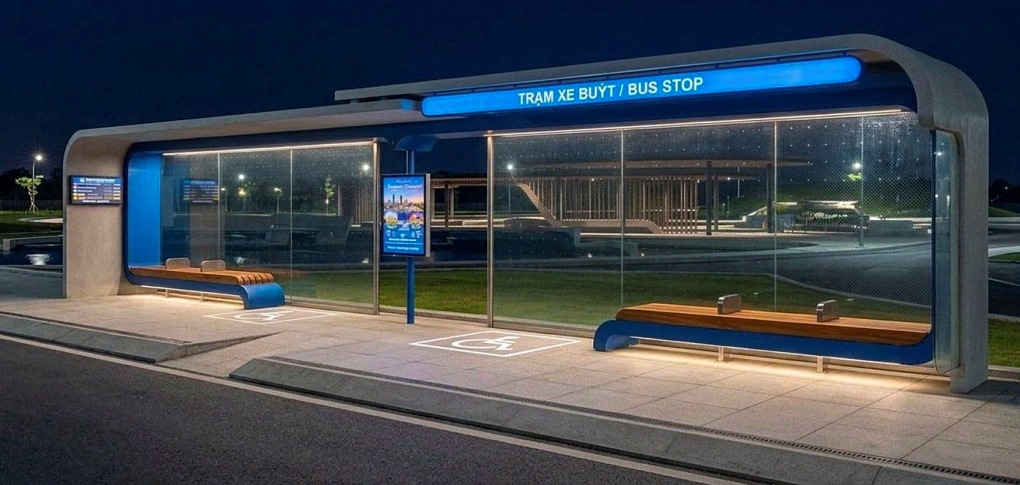
Model N02 is about 12 m long, for central areas, commercial areas, squares, tourist attractions and metro stations - places with high passenger density.
Model N03 is less than 5 m long, applied in places with limited ground.
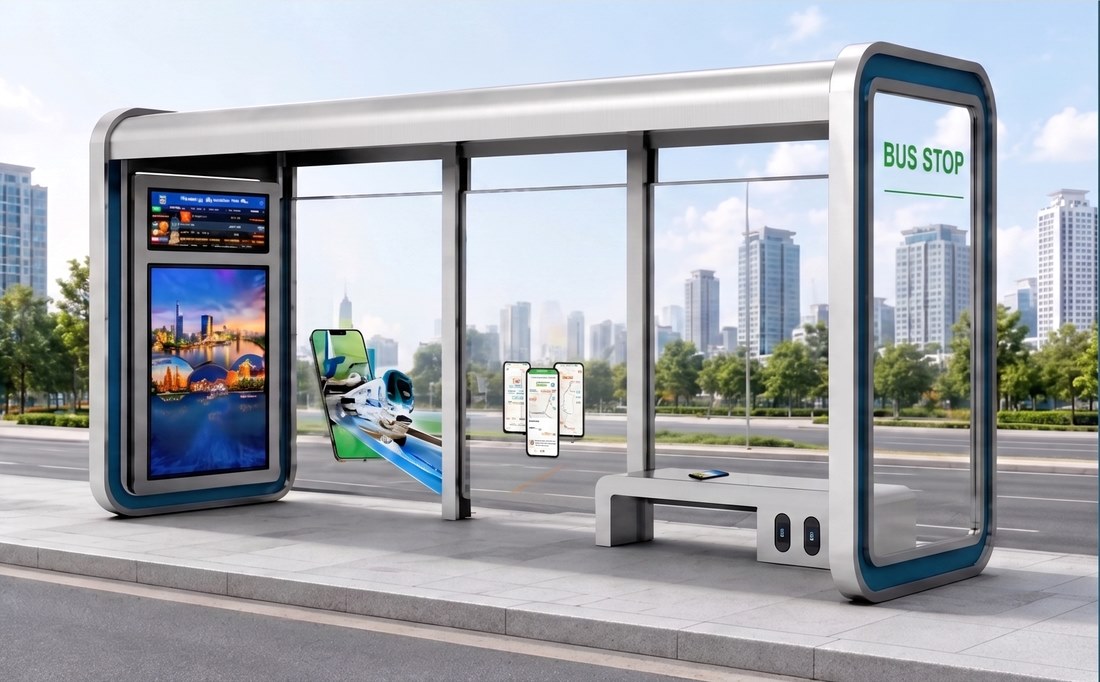
The waiting house models are designed in a modern direction, using durable materials, suitable for outdoor weather conditions.
In addition to the function of providing rain and sun protection for passengers, many technology utilities are also integrated such as LCD screens displaying bus route information, LED lighting systems, nighttime identification boards, security surveillance cameras and USB, Type-C charging ports to serve the needs of using electronic devices.
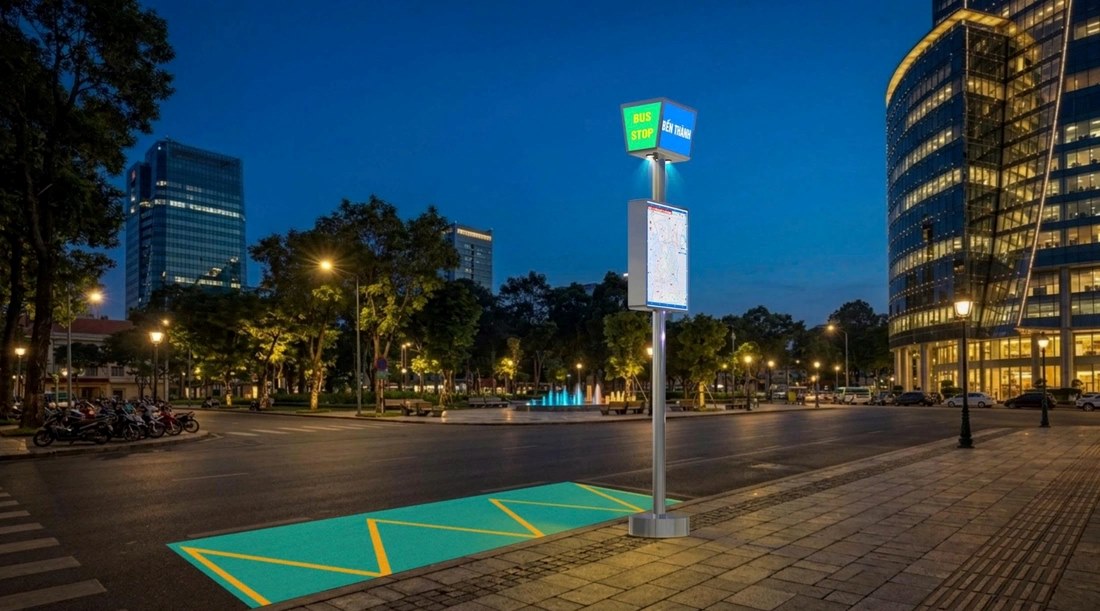
In parallel with the announcement of the new waiting house model, the Ho Chi Minh City Department of Construction also announced 5 model bus stops with designs that are easy to recognize and more user-friendly.
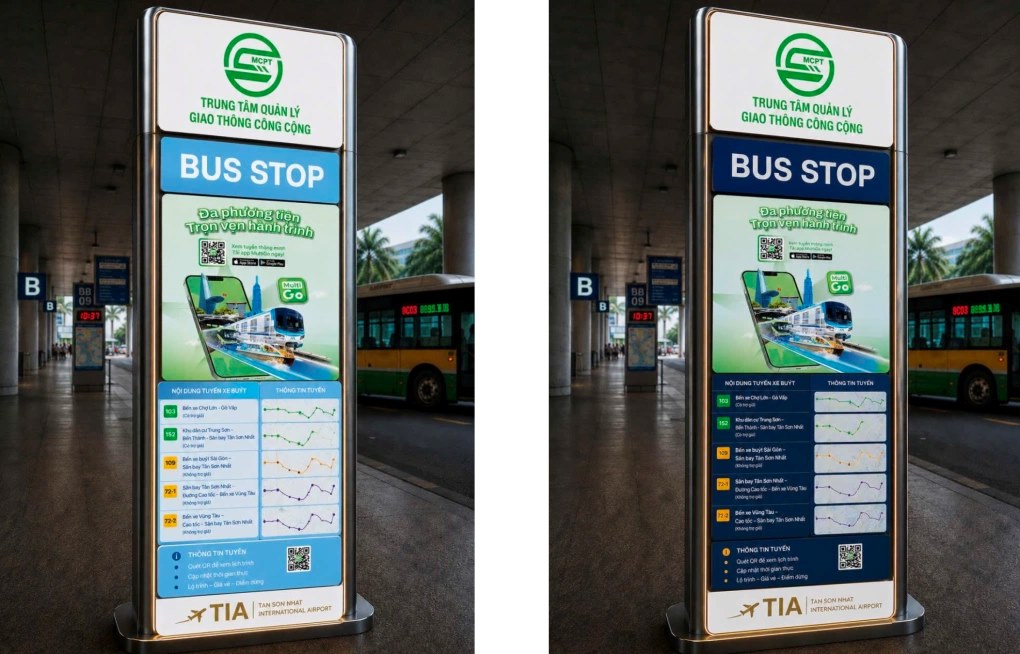
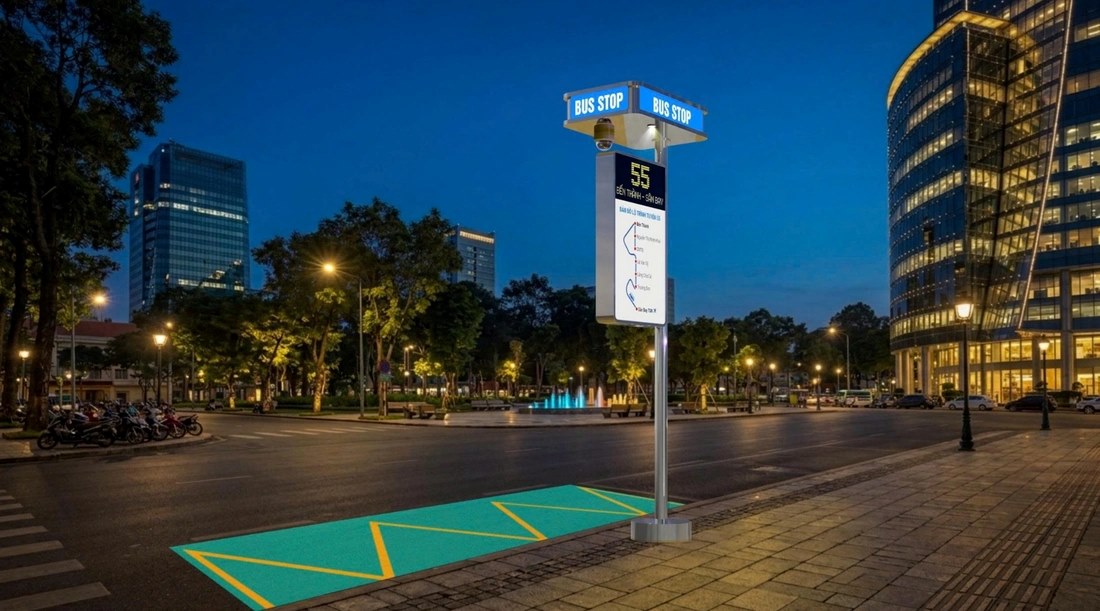
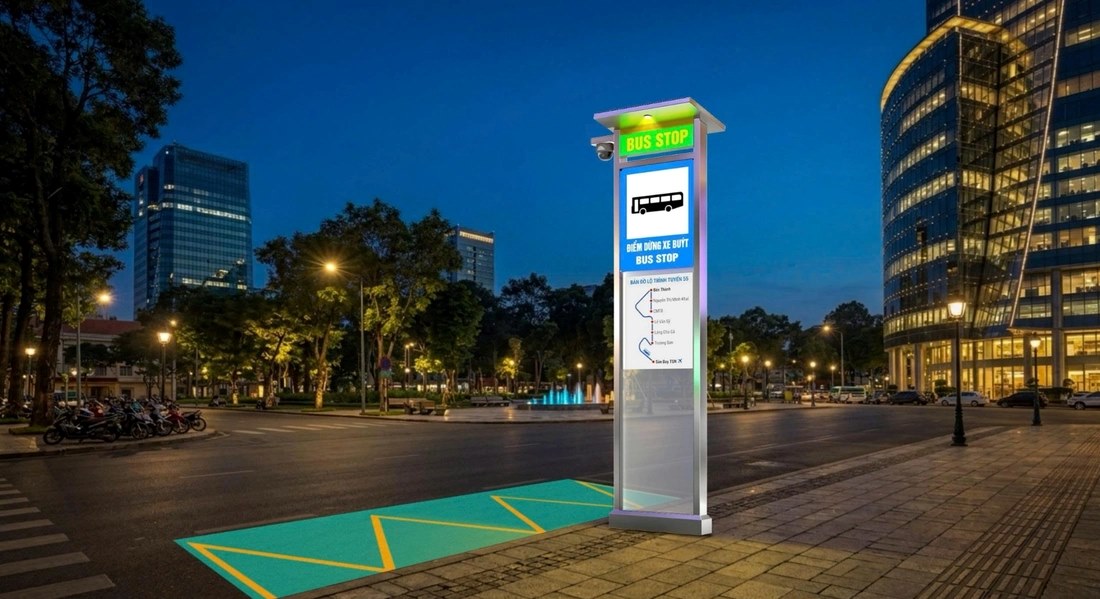
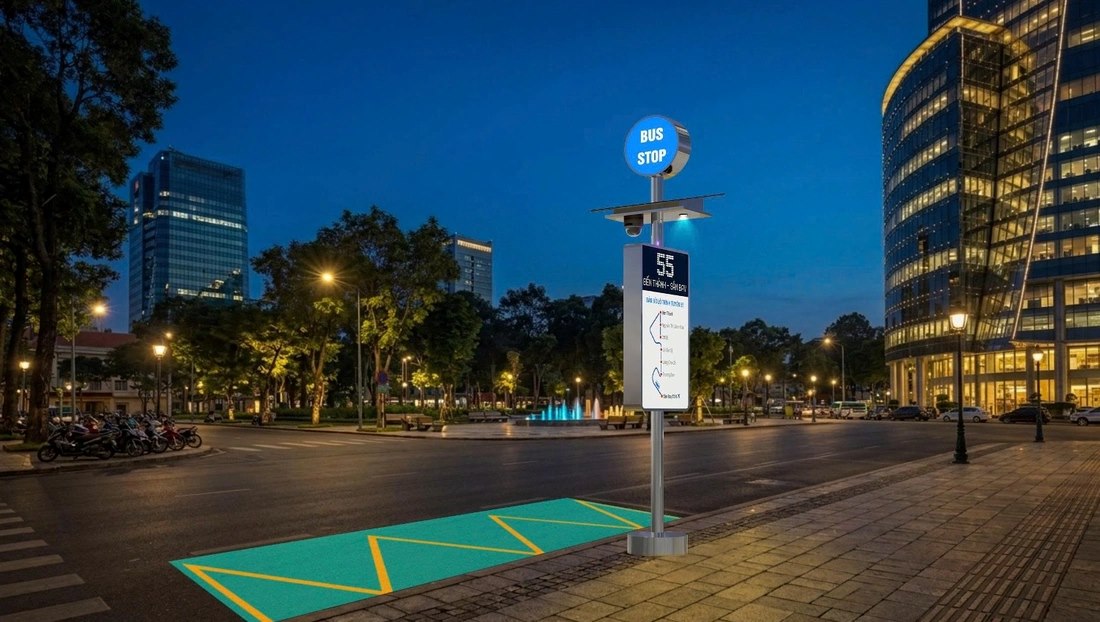
Among the 5 new bus stop models, there is one model designed specifically for stops in the airport terminal area.
The remaining samples are applied flexibly on the basis of ensuring synchronicity, suitable to the actual conditions of each area and route.
For truly necessary locations, the city center area, where many tourists are concentrated and have stable power supply, functional agencies will consider integrating surveillance cameras to improve safety and management efficiency.
After merging with Binh Duong, Ba Ria - Vung Tau, Ho Chi Minh City currently has 180 bus routes with more than 2,400 vehicles operating. The whole city has 6,241 waiting stations and stops serving the travel needs of people.
Standardizing the design of bus shelters and bus stops is expected to contribute to improving the quality of public passenger transport services, creating a modern appearance for urban transport infrastructure and encouraging people to use buses more in the coming time.


