
That is one of the 3 bus ticket exemption options being consulted by the Ho Chi Minh City Department of Construction with relevant units.
Among the 3 options proposed, the Department of Construction proposed choosing option 3 - the State budget directly pays all bus fares for passengers.
The payment cost is equal to the number of passengers using the service, classified and accepted according to each group of subjects, multiplied by the specific ticket price of each type of ticket (general ticket, student ticket).
The noteworthy point of the plan is that even if 100% of the ticket price is exempted, passengers still have to present a card or electronic identification such as:
- Swipe bank card (Visa, MasterCard, Napas, expected expansion of Amex, JCB) - the system issues tickets but does not deduct money.
- Scan QR codes via e-wallets such as MoMo, ZaloPay, ShopeePay, Viettel Money, VNPT Money...
- Use the MultiGo application to scan personal QR codes after identification.
- Scan QR code from chip-based citizen identification card or VNeID application.
According to the Department of Construction, the biggest advantage of this option is the creation of a real-time passenger data system. All trips, routes, peak hours... are digitized, helping management agencies accurately control passenger volume; transparent payment, limiting fraud; analyzing travel demand to adjust routes and frequencies reasonably; building a public transport development strategy based on big data.
At the same time, the application of card scanning and QR codes also contributes to promoting cashless payments and forming the habit of using electronic identification in people.
On the side of transport businesses, abolishing ticket sales helps reduce pressure on staff, focusing on service and ensuring trip safety. Most units operating subsidized bus routes agree with this plan.
Banks, card organizations, and e-wallets are committed to accompanying and supporting promotional and reward policies for passengers to use cashless payment methods (without incurring costs).
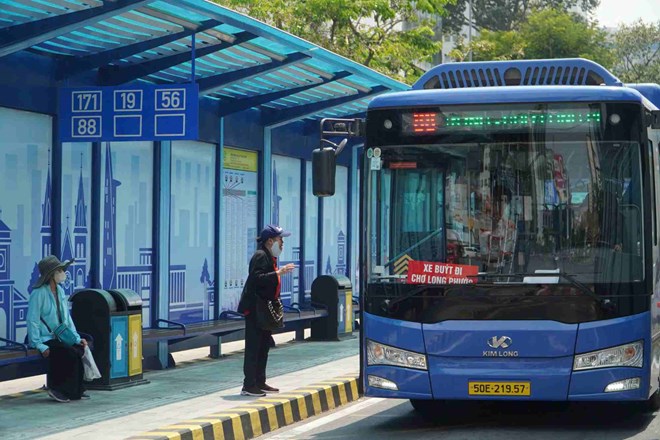
However, according to the Department of Construction, having to scan cards or QR codes can be inconvenient, especially for the elderly or passengers who are not familiar with technology.
Some predicted difficulties include: People without bank accounts, e-wallets or without personal papers will find it difficult to use; additional operations when getting on the bus, which may cause congestion during rush hours...
According to the Department of Construction, subsidized bus routes in Ho Chi Minh City are currently fully equipped with support systems such as GPS, cameras, multi-functional card readers, and operating management software (GoAFC). This system allows recording and synchronizing passenger data in real time.
Passengers can flexibly use many methods such as bank cards, e-wallets, chip-based citizen identification cards or the MultiGo application. Data is then centralized into the system, serving management, administration and policy planning.
On that basis, the Department of Construction proposed that the Ho Chi Minh City People's Committee choose option 3 for implementation when the City People's Council's Resolution is passed.
Two other free bus ticket options proposed include:
Option 1: The city buys revenue for each trip based on an agreement with the transport unit. Passengers traveling by bus do not have to pay, do not need to swipe their cards or identify themselves. This method is simple and convenient for passengers, especially the elderly, children or outgoing passengers. However, the limitation is that it does not form a habit of cashless payment, no trip data to serve management, and it also poses risks of monitoring and easily causes budget waste when revenue is set.
Option 2: Payment is based on the number of passengers multiplied by the average ticket price per route. Businesses statistically count the number of passengers through the electronic ticket system, and the city bases its payment on data. Passengers are still free of charge, but the recording depends on the transport unit, making it difficult to ensure accuracy; inspection and comparison also increase management costs.


