
On the morning of April 10, the Ministry of Education and Training (MOET) organized a training conference on the organization of the 2026 High School Graduation Exam.
Strengthening decentralization and delegation of power
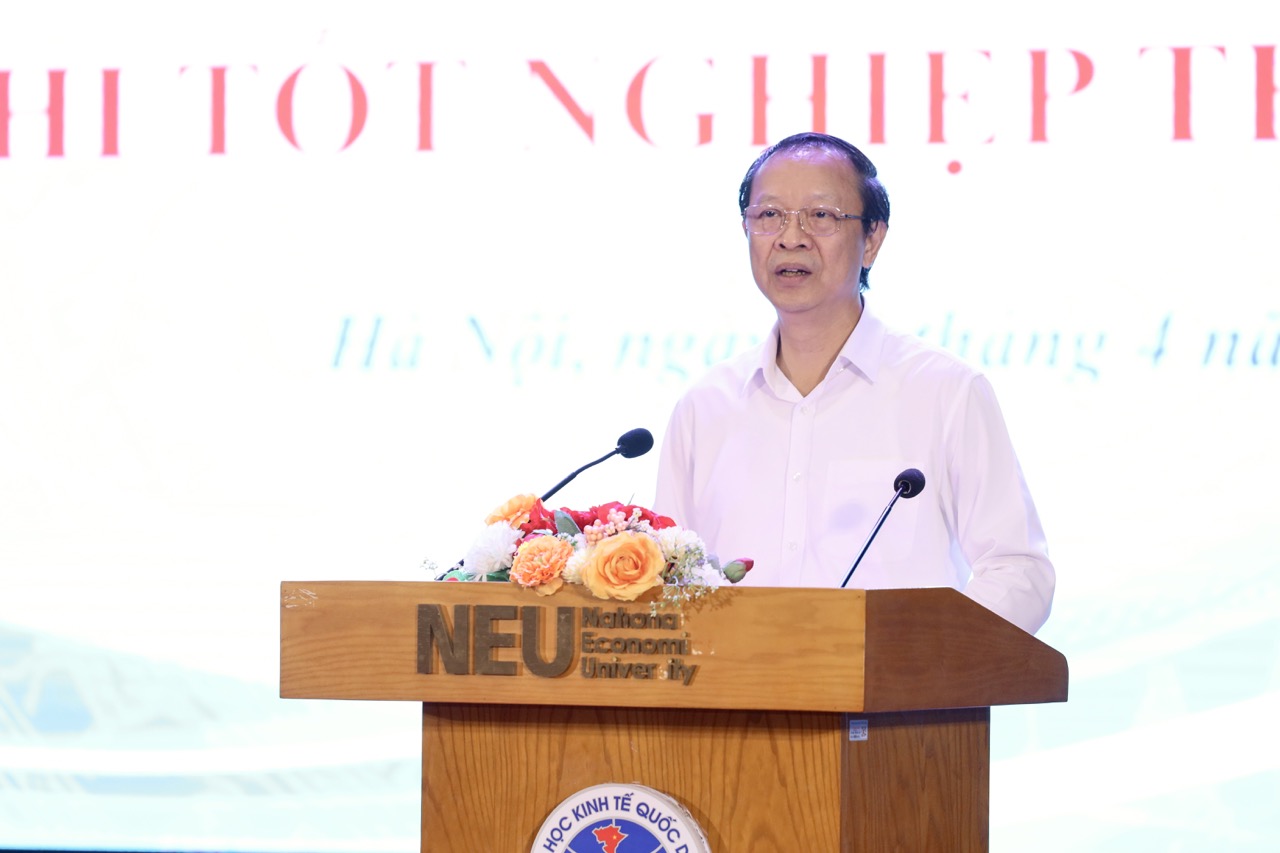
Speaking at the Conference, Mr. Pham Ngoc Thuong - Standing Deputy Minister of Education and Training - emphasized the overarching orientation in organizing the 2026 exam is to continue to promote decentralization and delegation of power, and increase responsibility for educational institutions.
The Standing Deputy Minister of Education and Training said that one of the important lessons learned from previous exams is to "clear people, clear tasks, clear responsibilities", while promoting the proactiveness of localities and schools throughout the exam organization process.
To concretize this spirit, many new regulations on diplomas and certificates have been issued. Accordingly, a noteworthy new point is the strong decentralization of the issuance of high school diplomas to educational institutions. Principals of general schools are assigned the right to sign diplomas; in necessary cases, Vice Principals can sign instead if assigned or authorized.
This content was also specifically presented by Mr. Huynh Van Chuong - Director of the Department of Quality Management (Ministry of Education and Training) in the guidance and training section on organizing this year's high school graduation exam.

Along with that, in addition to paper diplomas, in 2026, the issuance of high school diplomas in the digital form will begin. The implementation process is to sign digital diplomas first, then sign paper diplomas, and these two types of diplomas have the same legal value.
Regarding the issuance time, according to new regulations, digital diplomas are issued within 5 days from the date of the graduation recognition decision, while paper diplomas are issued within 30 days, significantly shortened compared to before.

In addition, administrative procedures and processes continue to be streamlined. The types of documents serving the exam are integrated, reduced from 4 types to 2 types. Exam notification papers and exam cards are integrated into one type of "exam notification paper"; temporary graduation certificates and exam result certificates are integrated into "exam result certificates".
These documents are all issued by the general education school where the candidate registered for the exam, and the exam registration dossier is also stored at the school.
Tightening re-marking
One of the notable new points, directly affecting the rights of candidates this year, is the tightening of the re-marking process.
According to new regulations, all exam papers with changes in scores must be subject to dialogue. That is, if the exam paper has a difference of 0.25 points or more between the initial marking results and the re-marking, the two marking officers must have a direct dialogue to agree on the results. Previously, this threshold was 0.5 points.
Lowering the threshold to 0.25 points shows higher requirements for accuracy and responsibility in exam marking, while ensuring maximum benefits for candidates.
Along with that, the time to receive applications for re-examination is shortened, helping to announce results earlier, creating favorable conditions for candidates in the process of university and college admissions.


