
Can Gio - Vung Tau sea crossing
The Can Gio - Vung Tau sea-crossing road project has a total length of more than 14 km, with a preliminary total investment of more than 104.400 billion VND, expected to start construction in 2026 and be completed in 2029.
The project was approved by the Standing Committee of the City Party Committee and the Executive Committee of the Ho Chi Minh City Party Committee for investment policy according to the PPP method, BT contract (build - transfer).
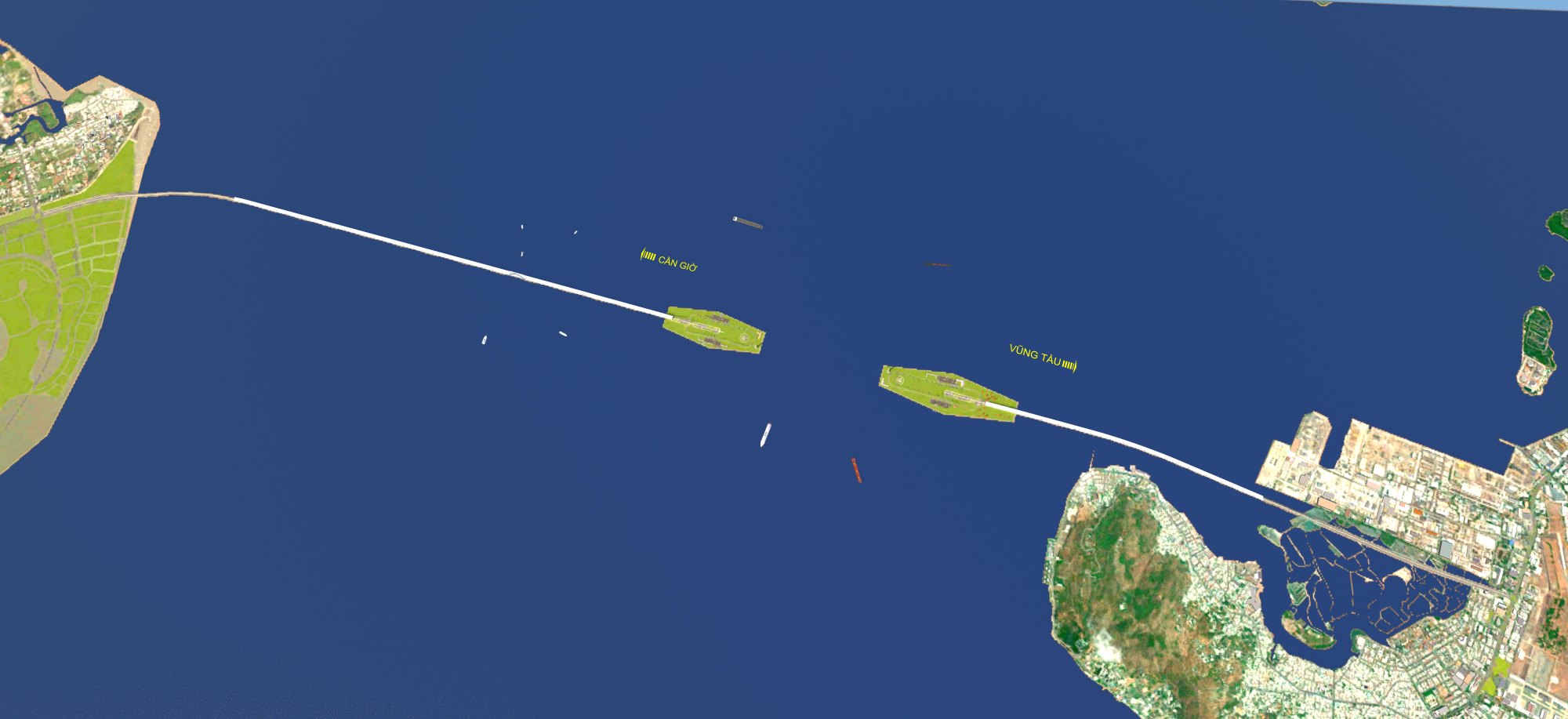
The route starts from Bien Dong 2 road in Can Gio sea encroachment urban area, connecting to Vung Tau at the Mai Sao - Ben Dinh planned route, intersecting with 30/4 road.
The entire route of more than 14 km (scale of 6 lanes, design speed of 80 km/h) is designed to include main items such as access roads, overpasses combined with sea-crossing submerged tunnels. The transition section between the bridge and tunnel passes through two artificial islands built in the middle of the sea.
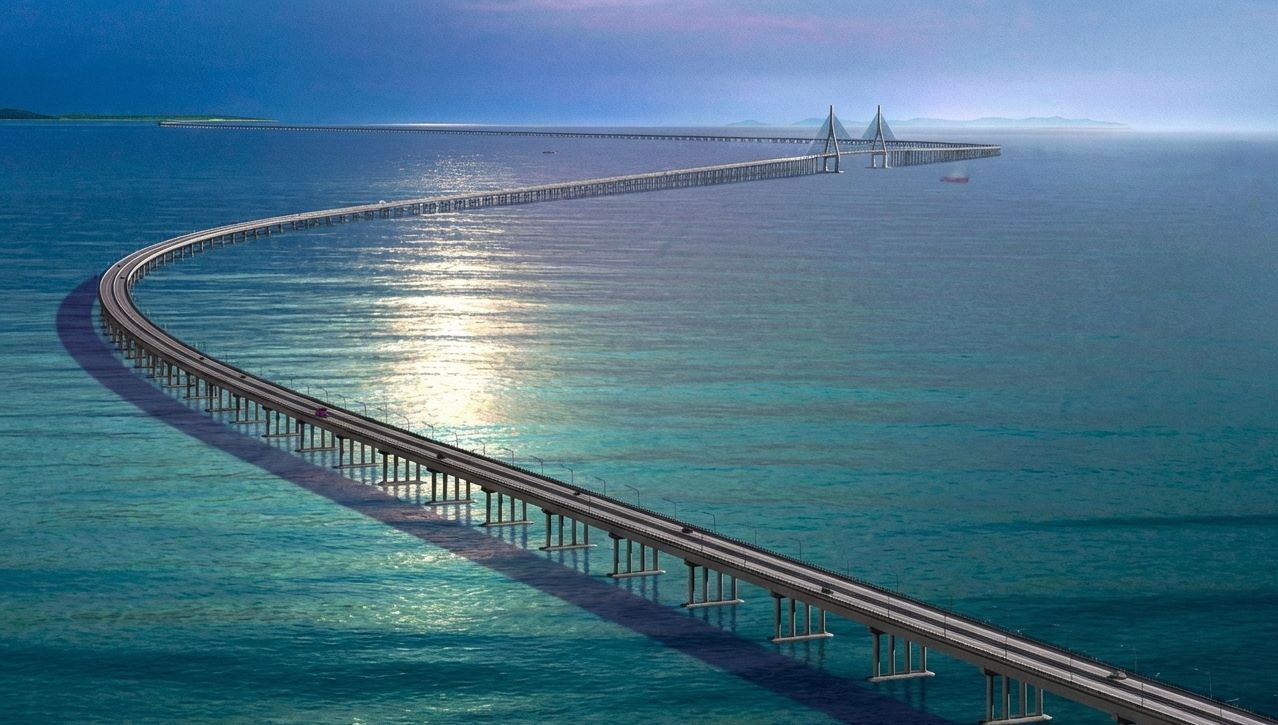
Currently, Ho Chi Minh City and the Ba Ria - Vung Tau area do not have direct road connection routes. People and businesses mainly have to travel around National Highway 51 or take the Can Gio - Vung Tau ferry, taking from 90 to 120 minutes. When completed, the sea-crossing route will shorten the travel time from the center of Ho Chi Minh City to Vung Tau to just over 60 minutes, instead of 90-120 minutes as at present, while creating a direct coastal connection axis, promoting the development of Can Gio tourism, Long Son Industrial Park and improving the exploitation capacity of Cai Mep - Thi Vai port cluster.
Ben Thanh - Can Gio Metro
The Ben Thanh - Can Gio Metro line is identified as the backbone of public transport connecting the city center with the coastal area. The line is more than 54 km long, with a preliminary total investment of about 102.43 billion VND (excluding site clearance costs). The project is implemented in the form of BOO (build - own - operate), which was started on December 19, 2025, and is expected to start construction from March 2026 and be completed in 2028.
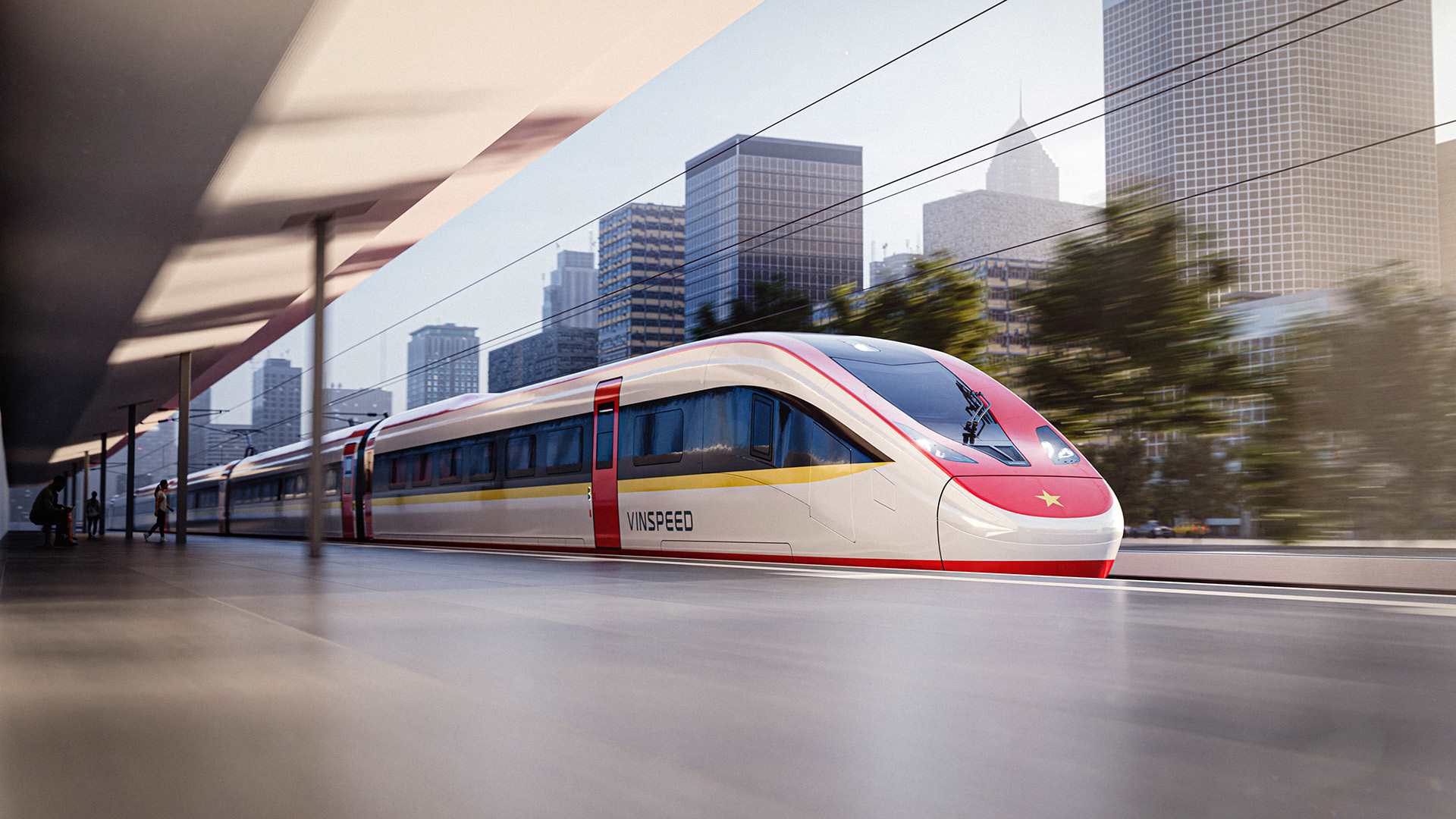
The Ben Thanh - Can Gio Metro line is built with double standard gauge tracks of 1.435 mm, operated by a modern electrification system.
The project uses the Velaro Novo train - Siemens Mobility (Germany)'s newest and most modern high-speed train, with a maximum design speed of 350 km/h.
The starting point of the route is located in Ben Thanh area (Ben Thanh ward), the ending point is in a land area of about 39 hectares, bordering Can Gio Sea Encroachment Tourist Urban Area (Can Gio commune).
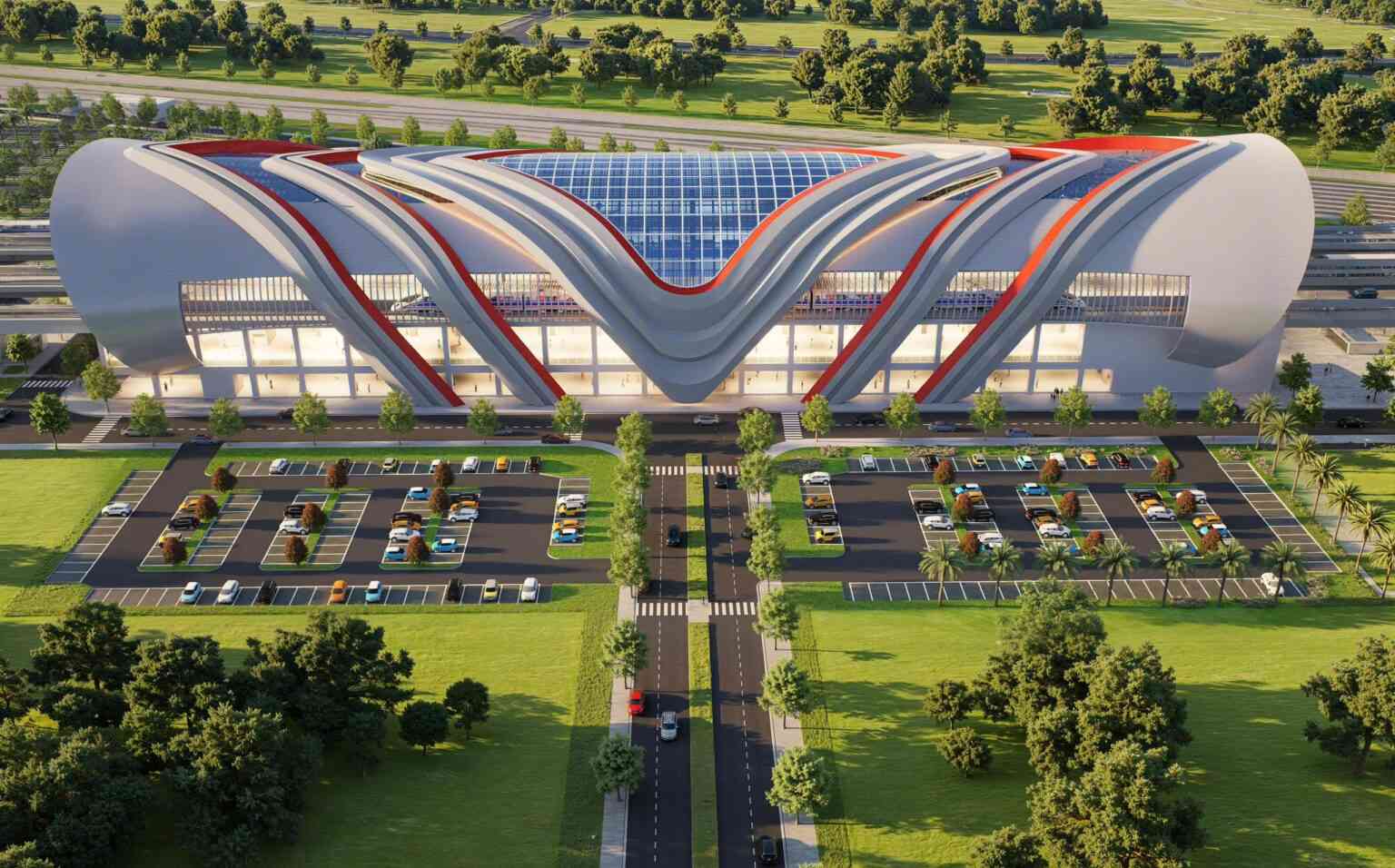
The metro line is expected to operate 6 regular trains and 1 backup train. Daily operating hours are from 6 am to 11 pm, frequency of 20 minutes/trip; each hour there are 3 pairs of trains running in both directions.
The travel time on the entire route is only about 20.3 minutes, significantly shortening the travel time between the center of Ho Chi Minh City and the Can Gio coastal area.
Can Gio Bridge
The Can Gio bridge project, more than 6.3 km long (of which the main bridge is nearly 3 km long) with a total investment of more than 13,200 billion VND, has been started on January 15, and is expected to be completed in 2029. The bridge is designed with 6 lanes, of which the main bridge is a cable-stayed bridge with two tower pillars, with a navigation clearance of 55 m. When completed, Can Gio bridge will completely replace Binh Khanh ferry, breaking the "island" that has lasted for decades.
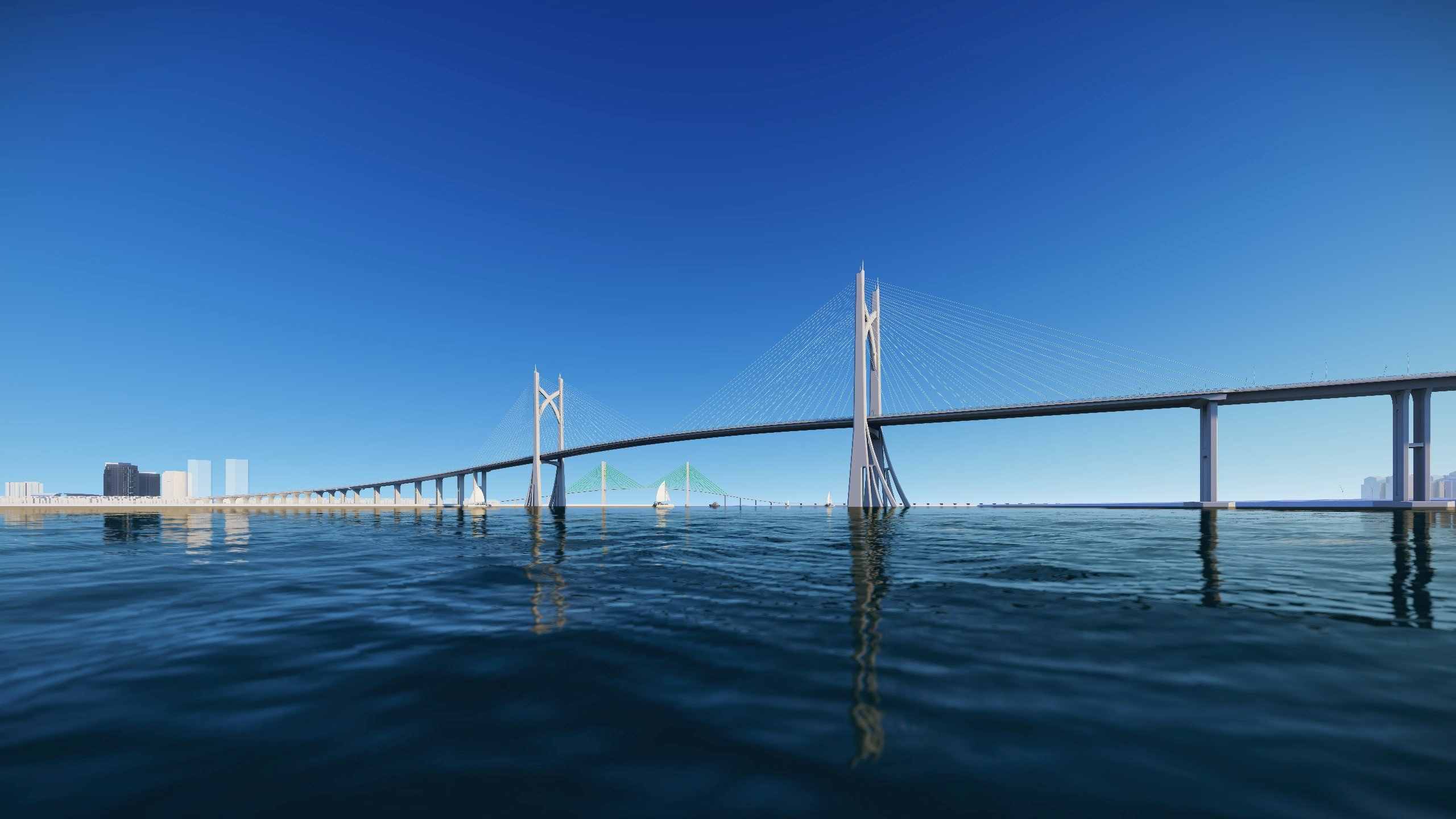
The above three projects, after completion, not only solve the infrastructure problem, but also open up a new development space for marine economy, eco-tourism and logistics, gradually realizing the goal of developing Ho Chi Minh City according to a multi-center model, strongly oriented towards the sea in the coming period.


