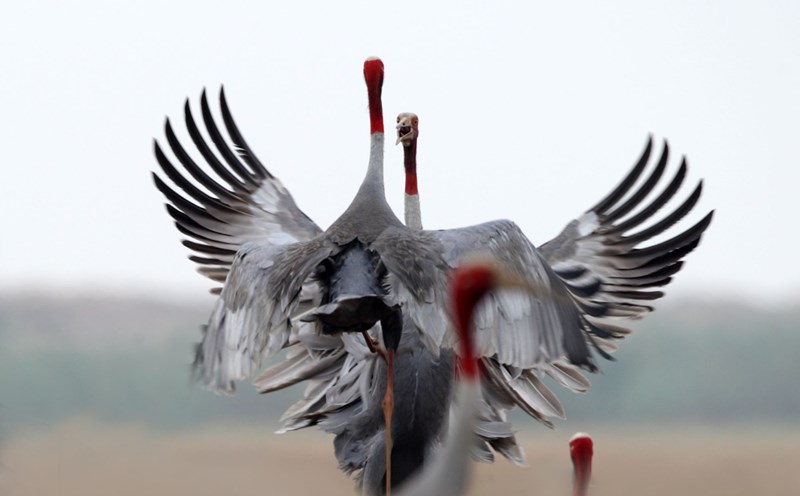
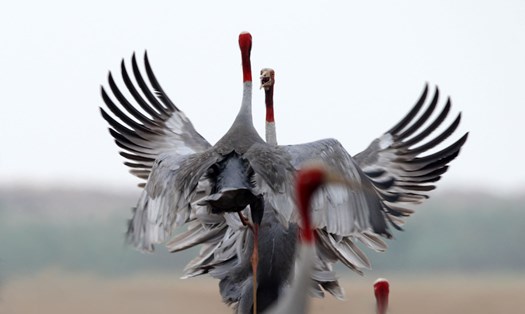
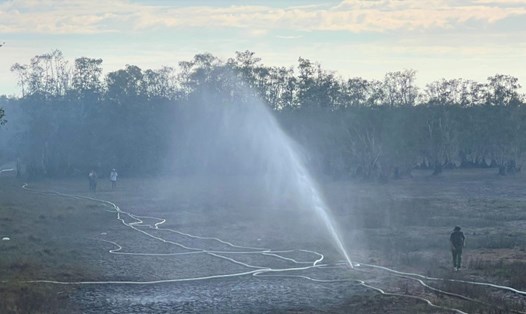
On the morning of May 26, at the press conference in May 2026, the Management Board of Tram Chim National Park informed many positive signals from the Project on Conservation and Development of Red-crowned Cranes. After more than a year of care and nurturing, the first batch of red-crowned cranes has grown stably and started pairing for breeding. At the same time, the Park has also completed the necessary infrastructure and procedures to be ready to receive the second batch of cranes this year.
Mastering techniques, arousing wild habits
On April 19, 2025, Tram Chim National Park officially received 6 red-crowned cranes about 6 months old, from Thailand. This is considered an important milestone in the journey to restore the red-crowned crane population in Dong Thap Muoi.
Throughout the care process, the cranes are strictly monitored 24/24 hours by a specialized team, and regularly consulted with international experts from the International Crane Foundation, Thai experts and Saigon Zoo and Botanical Gardens.
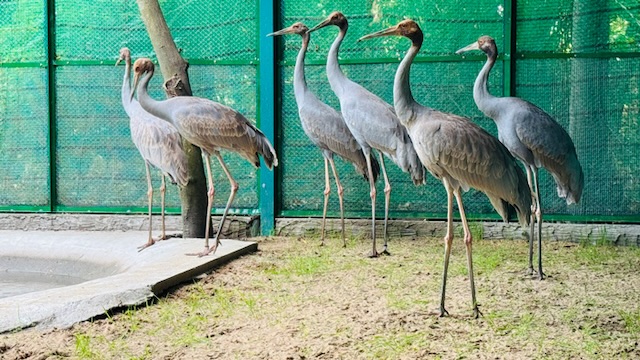
According to representatives of the Garden, although one individual was lost in the early stages due to weak congenital resistance, the remaining 5 individuals are currently developing healthy, adapting well to local climate and soil conditions. Average weight reaches from 5.4 - 7.2kg/animal.
The highlight of the first farming phase is the improvement of the diet towards being closer to nature. The management board has gradually reduced industrial feed, while increasing local feed sources such as crickets, worms, snails, crabs, lizardfish and releasing small fish into the pond for cranes to hunt on their own. This solution is assessed to have effectively stimulated the wild habits of the cranes. By early January 2026, the individuals had successfully paired up and were transferred to the breeding area.
Completing infrastructure, towards sustainable cranes population
At the meeting, representatives of the Management Board of Tram Chim National Park said that it is expected to receive 6 more baby cranes in phase 2 of 2026, including 2 males and 4 females. Currently, procedures related to CITES permits, animal quarantine and air transportation plans from Bangkok to Ho Chi Minh City are basically completed.
At the same time, the Garden also invests in a synchronous system of facilities to serve the long-term project, including a semi-wild breeding cage area of 1,130m2, 12 breeding cages with an area of 240 m2/cage, an incubation research area with specialized functional rooms and a system of surveillance cameras and standard wastewater treatment.
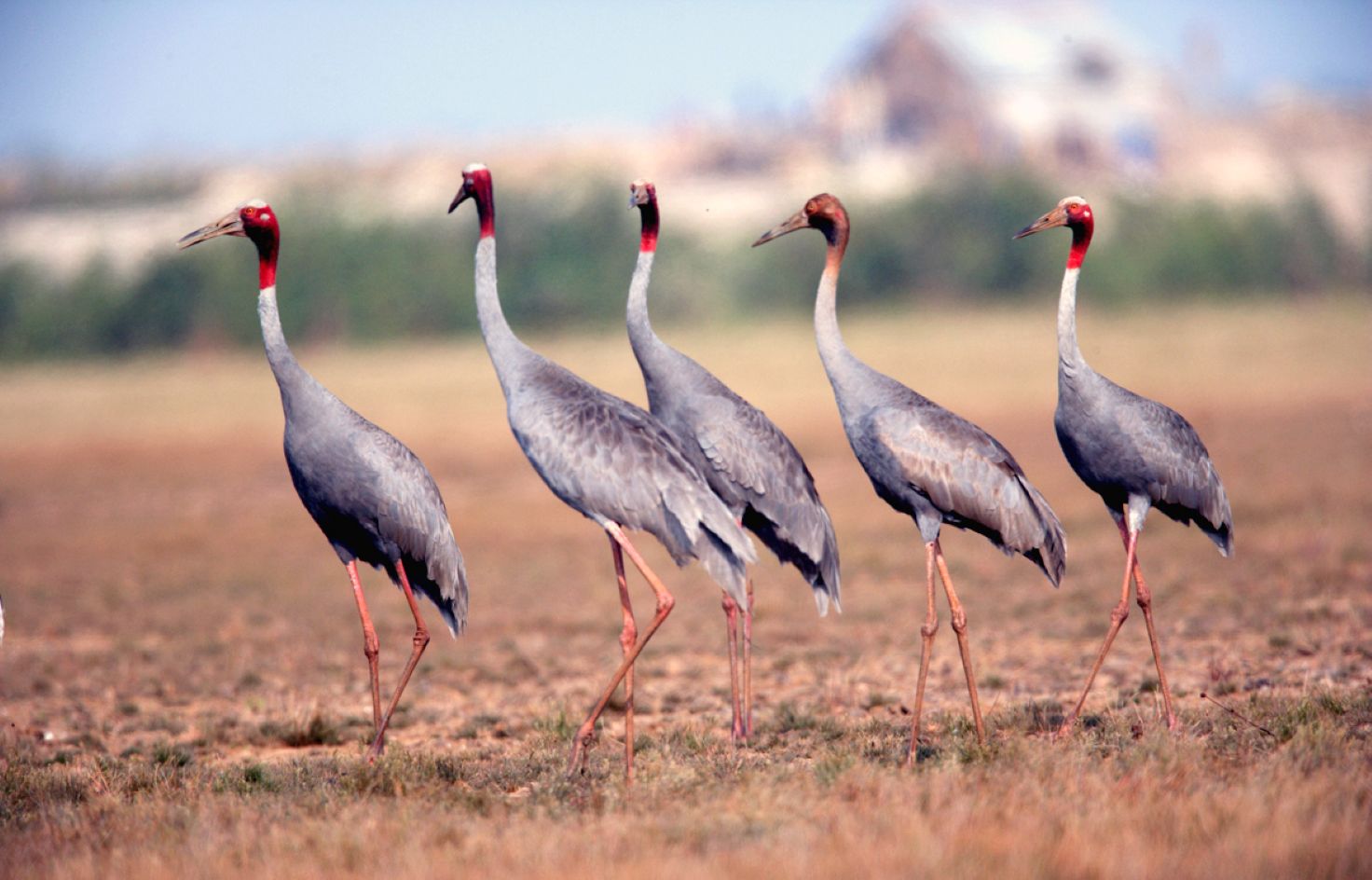
According to the roadmap, when the cranes reach about 1 year old, they will be paired to self-choose mates. It is expected that in the period 2027 - 2028, the pairs of cranes will begin to produce the first eggs right at Tram Chim. The long-term goal of the project is to build a sustainable red-crowned crane population, with clear pedigree records to limit consanguineous mating and gradually restore the symbolic bird species of Dong Thap Muoi region.
According to representatives of Tram Chim National Park, the conservation of red-crowned cranes not only carries the meaning of biodiversity conservation, the red-crowned crane restoration project is also expected to create motivation for green economic development for the local community. Therefore, at the meeting, representatives of the unit sent a message: "People raise cranes, then cranes will raise people". With this message, the Management Board of Tram Chim National Park wishes to promote the ecological agriculture model, develop green rice in buffer zones, contributing to improving livelihoods for people.
At the conference, the unit also called on press agencies, organizations and the community to continue to accompany in environmental protection, spread conservation values and mobilize more socialized resources to join hands in preserving this rare bird species.