
The latest data from the Traffic Police Department (CSGT) of the Ministry of Public Security shows that from March 1, 2025 to May 7, 2026, the rate of car testing achievement nationwide was only 54%. For motorbikes, the rate of achievement is 65%.
Notably, the long-distance test of cars, which was previously considered "easy to breathe", is currently recording a fairly high failure rate. Accordingly, the rate of achieving the long-distance test is only 68%, down 28% compared to 96% in the same period last year (period 10. 4 - 17. 5. 2026 compared to 10. 4 - 17. 5. 2025).
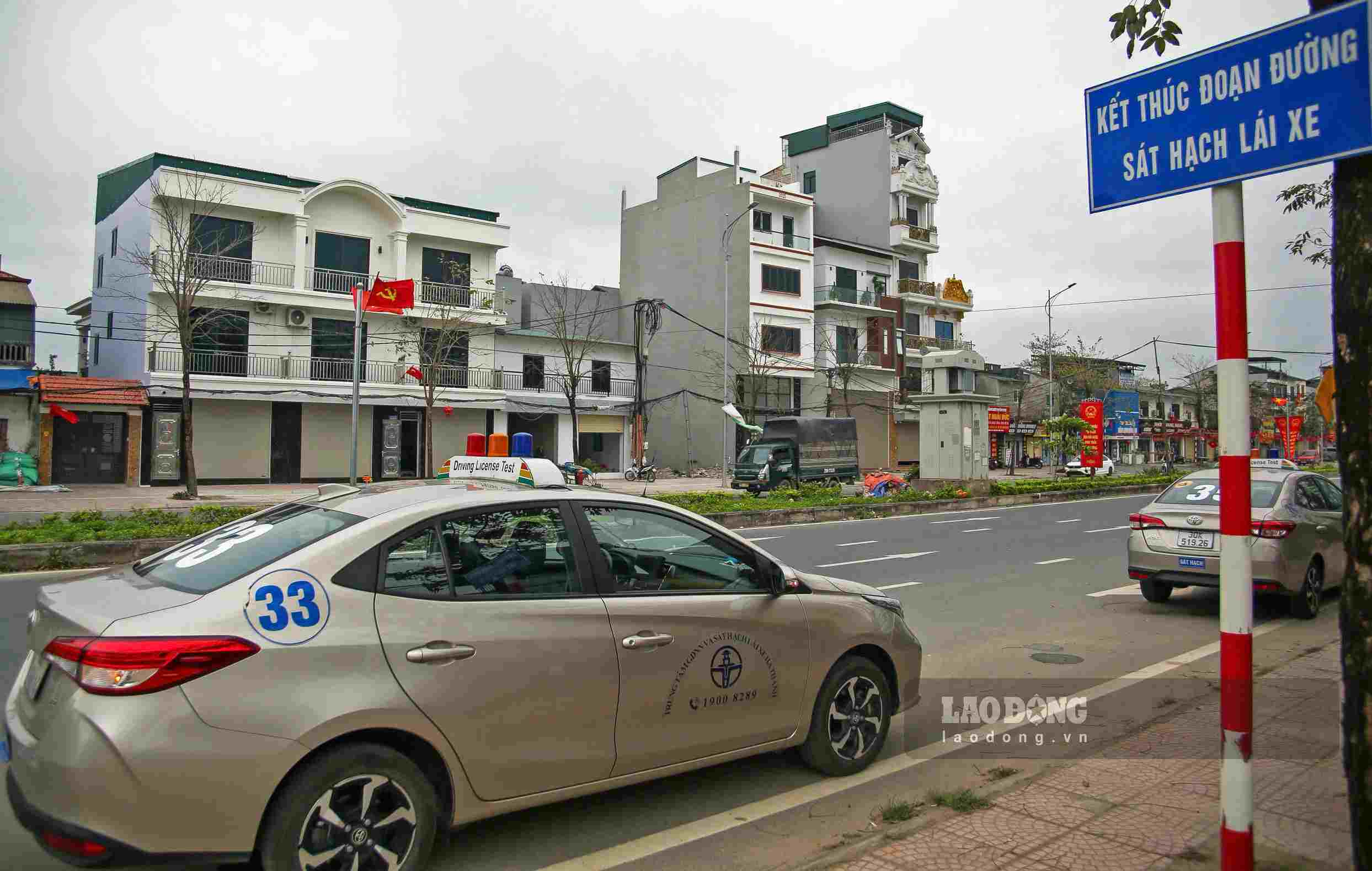
The long-distance test is the content of directly evaluating students' practical handling skills when participating in traffic. According to instructions from the Hanoi Traffic Police Department, students need to pay attention to the basic skills below to avoid regrettable deductions of points when participating in this test.
First, before getting into the car, candidates need to observe around the car, check the undercarriage area to ensure there are no obstacles or pets lying below, and check the tire condition and pressure of the wheels to ensure the vehicle is qualified to operate.
After checking the car, students must observe the front and rear before opening the door to avoid colliding with vehicles traveling next to them.
When getting into the car, candidates are instructed to put their right foot in front, sit down on the seat, curl their left foot and close the car door firmly. After that, the driver needs to adjust the seat and steering wheel to have a suitable control posture, ensuring both easy operation and good observation when driving.
Next is the step of adjusting the rearview mirror. The mirror must be adjusted so that the driver has the best view of the rear and both sides of the car, limiting blind spots during movement.
Another important content is to check the operation of devices on the car such as horns, lighting systems, wipers and warning signals displayed on the electronic dashboard.
Before the car rolls, the driver must fasten the seat belt for himself and remind the people sitting in the car to do the same. Then, turn on the left turn signal to signal the departure to the surrounding vehicles.
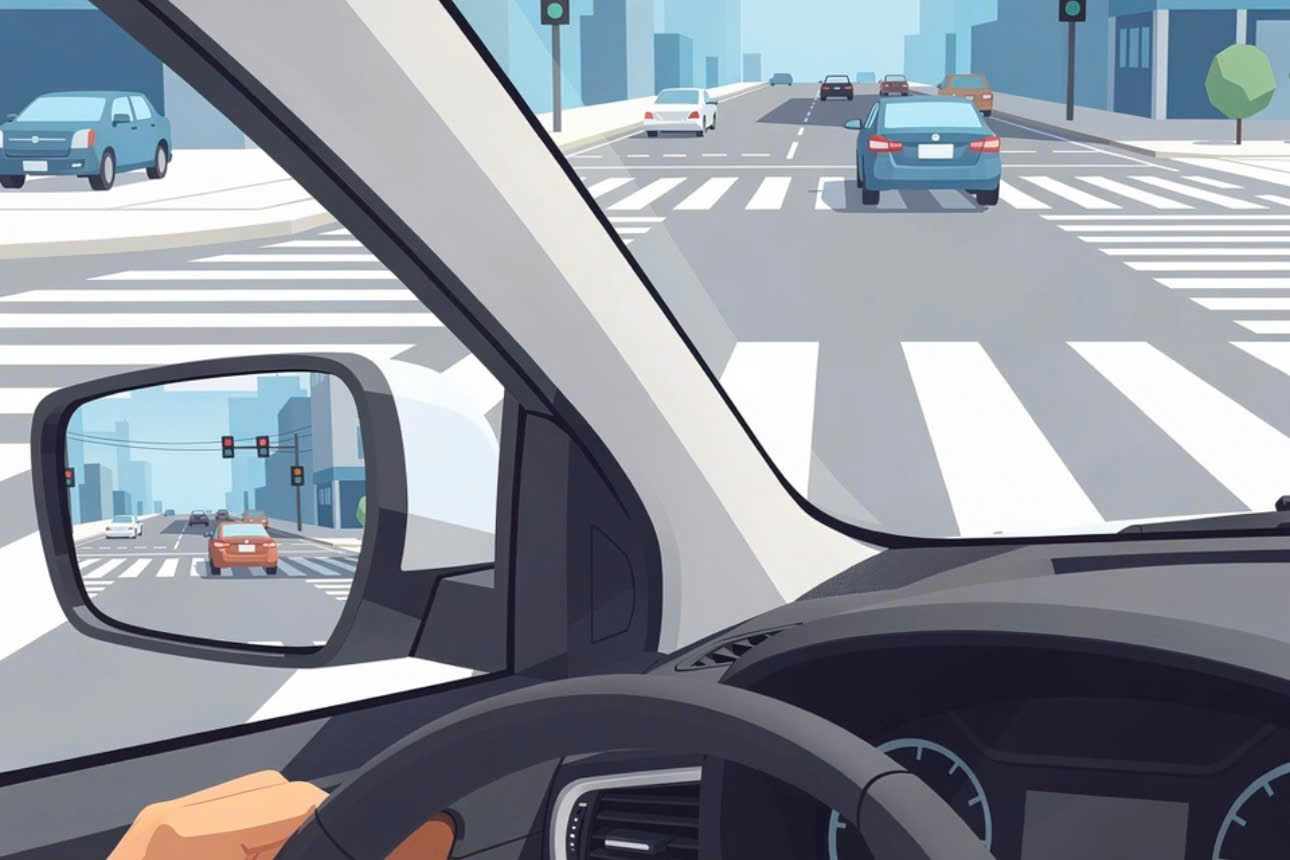
Second, in the process of participating in traffic, trainees must absolutely comply with the traffic sign system, road markings and orders of the traffic police force. At the same time, the test requires the driver to fully demonstrate safe vehicle control skills.
Accordingly, candidates must proactively give way to pedestrians, overtake vehicles in the correct lane, have clear warning signals and only overtake when safety conditions are met. When another vehicle asks to overtake, drivers also need to proactively reduce speed, maintain distance to give way in accordance with regulations.
In addition, each time changing direction or changing lanes, students must turn on the turn signal and observe the mirror before performing the operation. Keeping the steering firm and handling safely when encountering vehicles going in the opposite direction is also a criterion that the judges especially noted.
For parking and stopping skills, the test requires the wheels to be no more than 25cm away from the roadside.
Third, the road test section currently also focuses on assessing the ability to handle unexpected situations. In situations where children or pets suddenly cross the road, students need to calmly slow down and absolutely not handle panic.
When encountering priority vehicles such as fire trucks, ambulances or police cars on duty, drivers must quickly yield in accordance with regulations.
In case the car in front encounters problems, trainees need to maintain a safe distance and be ready to handle it to avoid collisions. If moving in bad weather conditions such as heavy rain or fog, the driver must actively reduce speed, turn on appropriate signals and maintain distance from other vehicles.
The road competition part is no longer simply testing technical operations but focusing on assessing safe driving ability in reality.
Therefore, students who want to achieve good results need to practice traffic reflexes, awareness of law compliance and situation handling skills right from the learning process, instead of just memorizing procedures to cope with the exam," shared Mr. Nguyen Van Trung - a teacher at a driving training center in Hanoi.


