
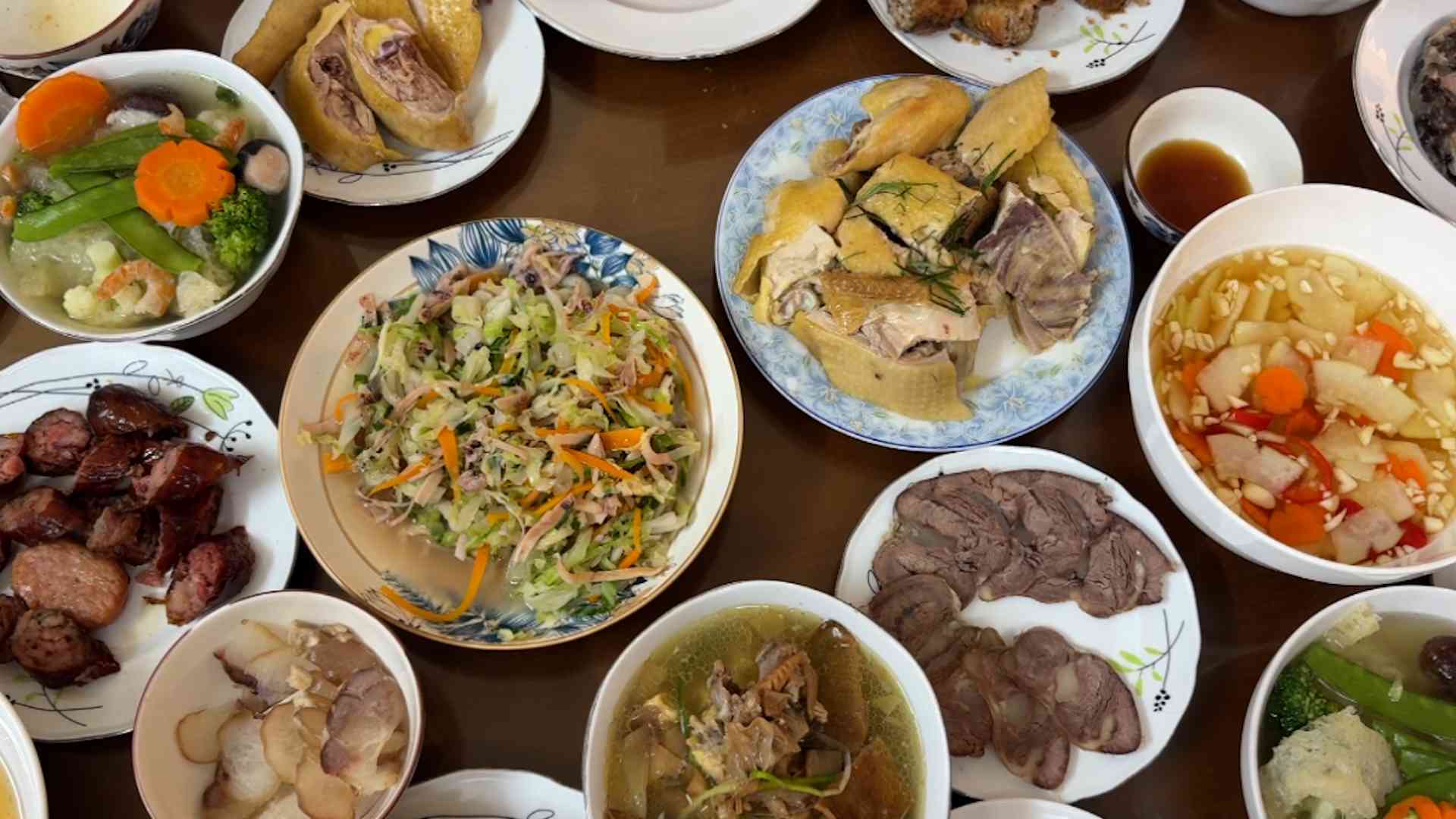
During Tet days, meals are often energy-rich with banh chung, gio cha, fatty meat, candies, soft drinks, while the pace of life changes, less exercise than usual, making the body easily accumulate excess fat.
Therefore, many people choose rapid weight loss measures such as prolonged fasting, completely removing starch, using "toxic" advertising products, or applying intermittent fasting without professional advice. The psychology of wanting to lose weight quickly after Tet makes many people subjective to health risks.
According to Dr. Truong Hong Son, Director of the Vietnam Institute of Applied Medicine, current detox methods are mainly promoted with the aim of "detoxifying" the body, but there is no clear evidence of sustainable weight loss effectiveness if implemented uncontrollably. Sudden energy reduction can cause weight loss in a short time, but at the same time, it poses a risk of vitamin and mineral deficiency, and metabolic disorders.

Doctors recommend that weight loss after Tet needs to adhere to safety principles and be suitable for each person's physical condition. Instead of completely fasting, people should adjust their diets, reduce high-fat, sugar and salt foods, and increase green vegetables and fruits reasonably.
Choosing food is important, but controlling portion sizes is even more important," Mr. Son emphasized. According to him, managing the total energy consumed each day plays a decisive role in the weight loss process. Many cases of weight gain do not originate from a specific dish but due to eating beyond the body's needs for a long time.
Regarding intermittent fasting, doctors believe that this method may be suitable for some overweight people, but professional advice is needed. Arbitrarily applying it without assessing body mass index (BMI), nutritional status and underlying medical conditions can affect health.
In particular, people with diabetes need to be very careful when undergoing weight loss or detox. Inappropriate fasting can cause blood sugar to increase or decrease suddenly, leading to dangerous complications. This group should divide meals into smaller portions, eat when starting to be hungry and stop before being too full, limit foods high in sugar and refined starch.

Similarly, people with liver diseases such as high liver enzymes, fatty liver or cirrhosis should also not apply extreme weight loss measures. The liver is an important metabolic organ, if you continue to consume a lot of alcohol, fatty foods or reduce uncontrolled nutrition, the risk of liver damage may increase. Limiting alcohol, reducing fat, increasing vegetables and fruits and maintaining light exercise is considered a safer direction.
Doctors also emphasize the role of physical exercise in the weight loss process after Tet. It is not necessary to do high-intensity exercise from the beginning, it can start with walking, gentle exercise and maintain it regularly for many days a week. At the same time, you need to get enough sleep and monitor your weight periodically to adjust in time.


