
Patient Vo Van A (58 years old, An Giang province) was admitted to the hospital in a state of dull abdominal pain around the navel. Previously, this patient had a local examination and a bulge was discovered through ultrasound.
When transferred to Can Tho City General Hospital, the results of computed tomography (CT) of blood vessels showed that the aneurysm in the lower segment of the renal artery had a diameter of about 7cm (in Vietnamese people, a size of 3cm is considered an abdominal aortic aneurysm).
Complex location, the aneurysm extends to both sides of the common iliac artery, the neck of the aneurysm is bent at the angle right behind the renal artery division. Risk of near rupture due to severe atherosclerosis of the blood vessel wall, appearing a few ulcers, very thin and easily torn blood vessel walls. The patient also has internal carotid artery stenosis (must be over 50%, left over 60%).
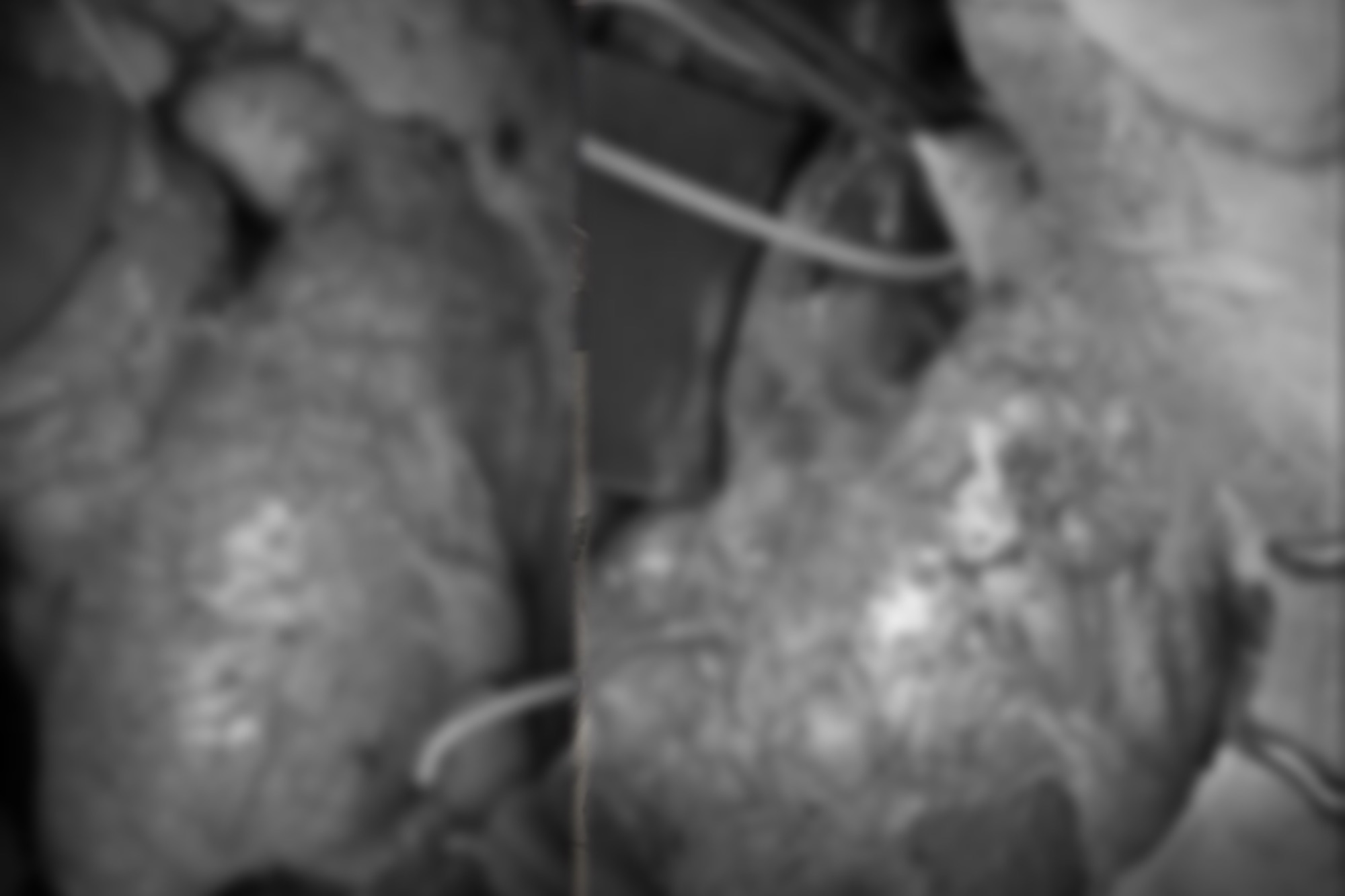
Recognizing this as a dangerous case, unable to intervene intravascularly due to angular thigh aneurysm, doctors decided to perform open surgery to replace the abdominal - pelvic aortic segment with an artificial blood vessel graft.
MSc.BSCKII. Nguyen Van Trang, Head of Thoracic Surgery Department, Head of Surgical Team shared that the biggest difficulty is that the patient's vascular wall has severe degeneration, extremely thin. Hematology control is also closely monitored every second by the Anesthesia and Resuscitation team to protect the brain and other major blood vessels.
After nearly 03 hours of high concentration, this "delayed bomb" was completely removed. Currently, the patient's health is stable.
About 95% of the causes of abdominal aortic aneurysm are due to atherosclerosis. The disease is common in people over 60 years old (men are 4 times more likely than women). To protect themselves and their families, doctors recommend as follows:
Subjects for screening: People over 50 years old, with a history of hypertension, dyslipidemia, atherosclerosis or long-term smoking.
How to detect: Proactively have regular health check-ups and abdominal ultrasounds.
Signs to see immediately: If you touch or feel a bulge following the heartbeat in the abdomen (capillary or epigastric region), there is or is no abdominal pain.


