
At the 2nd session, the 11th Ho Chi Minh City People's Council, term 2026-2031, passed a draft resolution on the list of land funds expected to be paid to investors to implement BT (build - transfer) projects in the area.
Accordingly, a total of 33 land plots are used to pay investors to implement BT projects. Of which, 17 land plots are managed by the Ho Chi Minh City Land Fund Development Center and the rest are managed by local authorities.
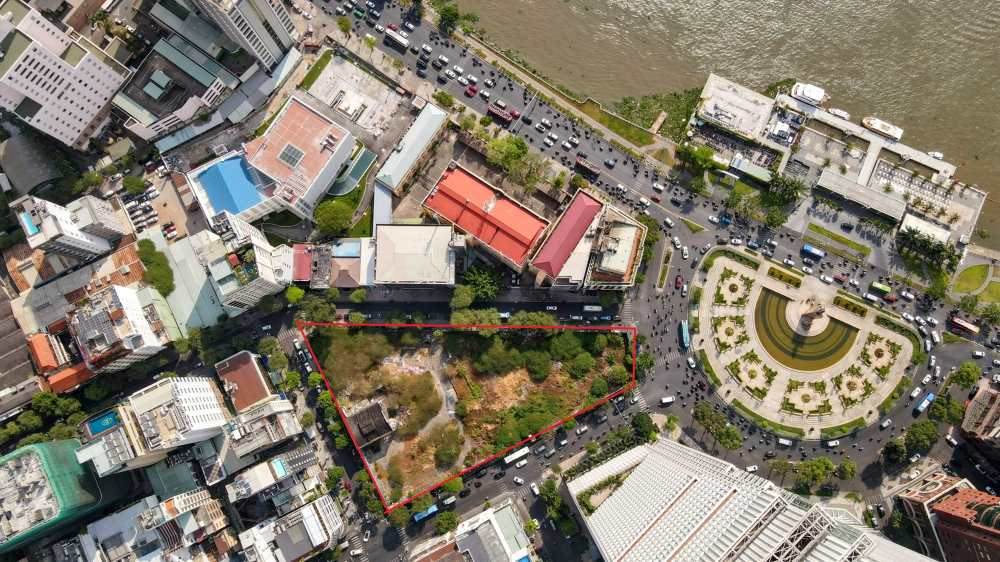
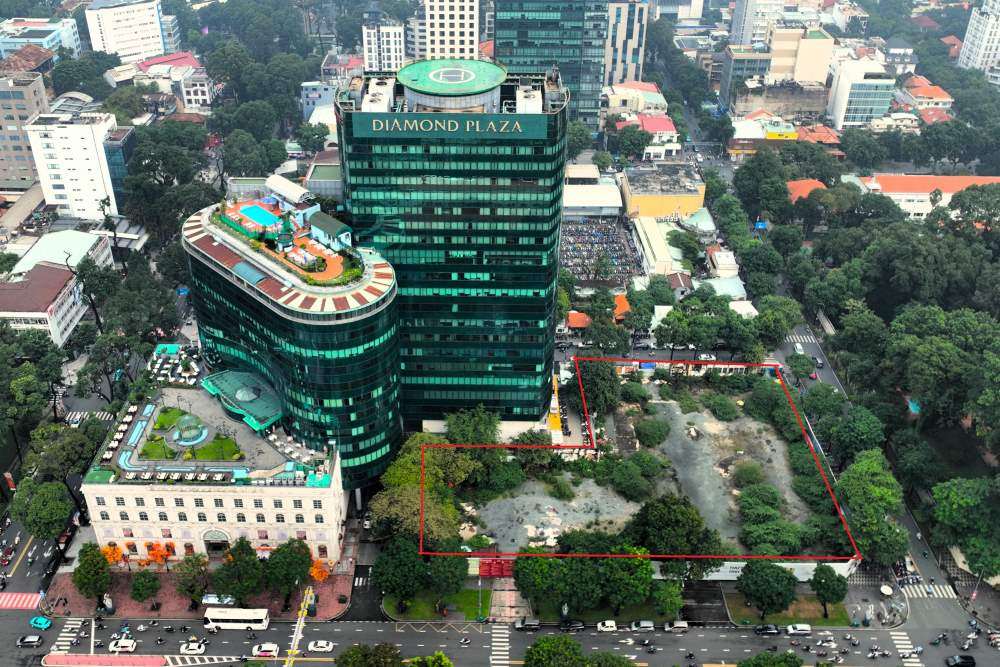
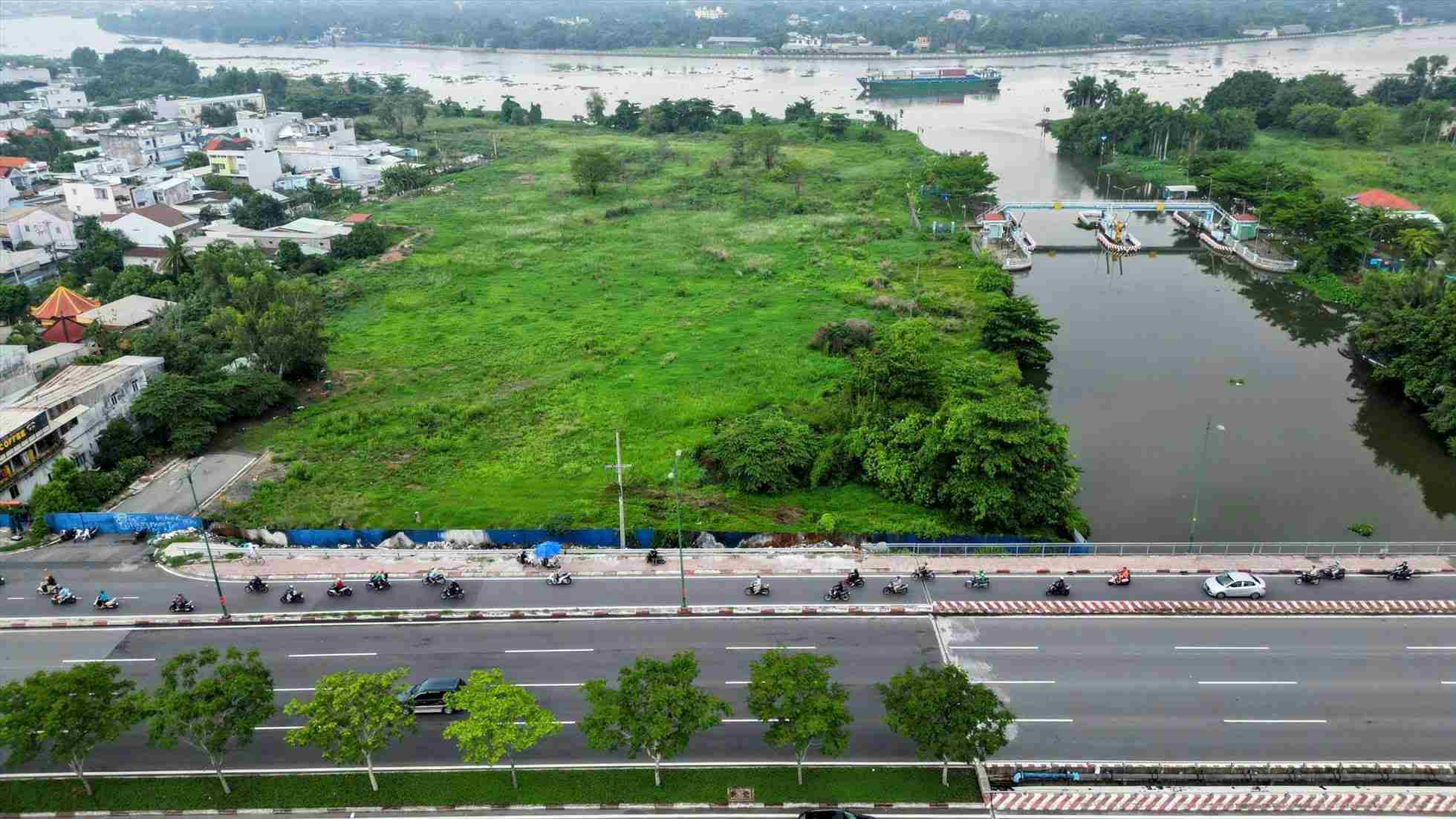
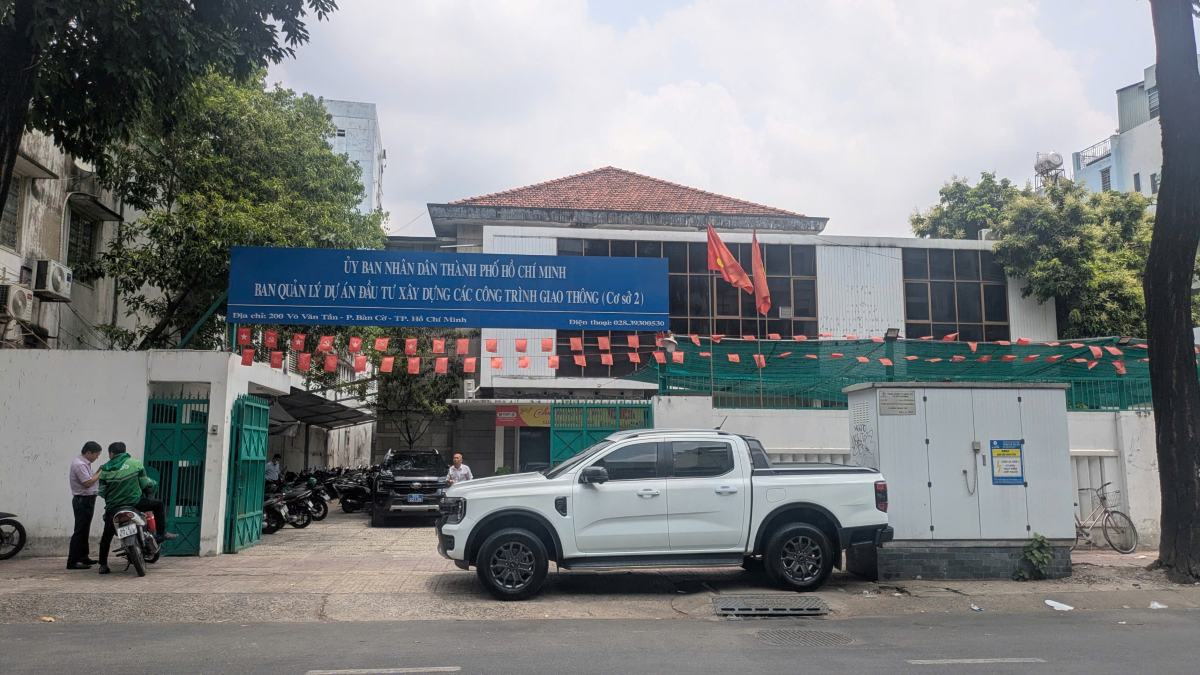
The above list includes land plots 2-4-6 Hai Ba Trung; 8-12 Le Duan; land plot 33 Nguyen Du, 34-36-42 Chu Manh Trinh (Saigon ward); land plot located on Pham Van Dong street (Thu Duc ward), formerly a water park; land plot at 152 Tran Phu (Cho Quan ward); 420 No Trang Long (Binh Loi Trung ward); land plot No. 200 Vo Van Tan (Ban Co ward)...
Including it in the payment list is considered a step to "awaken" land resources, while removing prolonged problems.
Lao Dong reporters record the actual situation of golden land plots in Ho Chi Minh City:
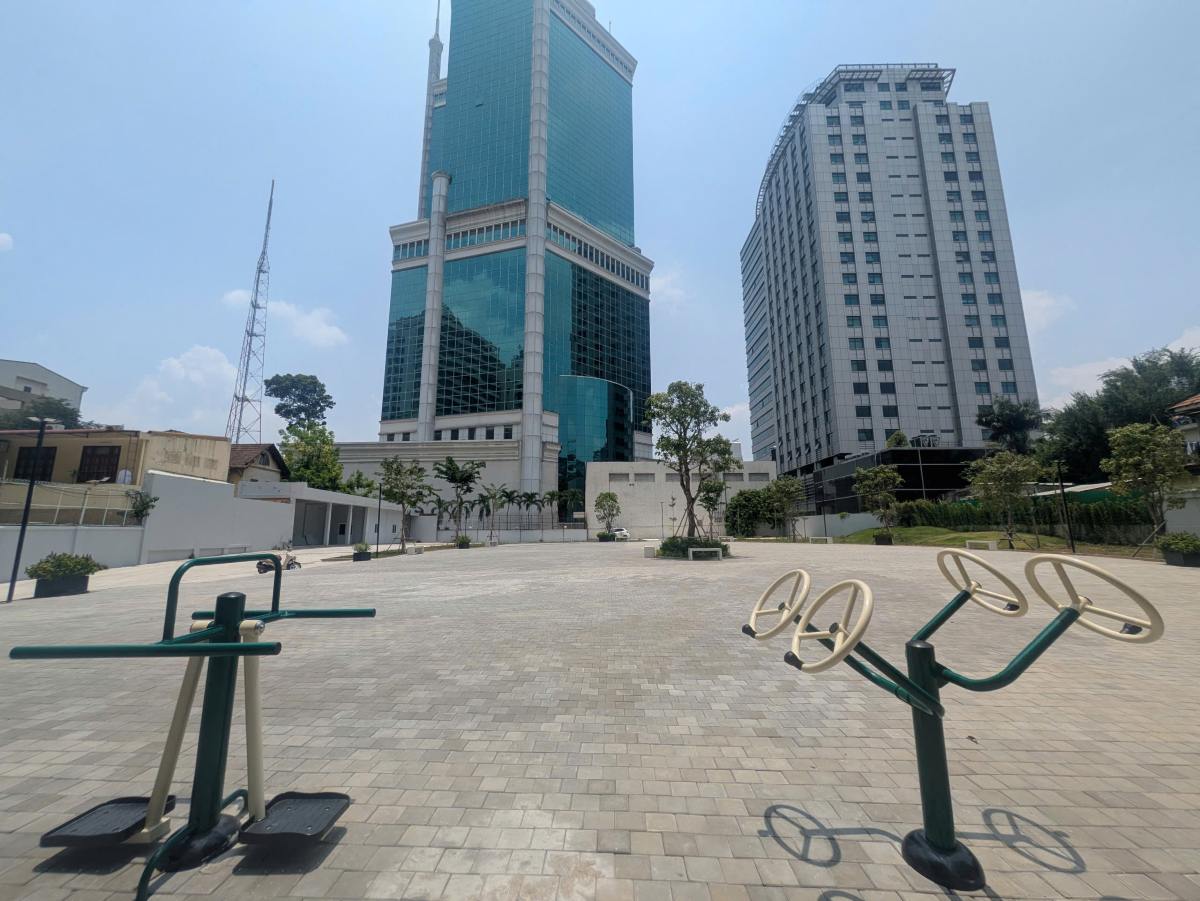
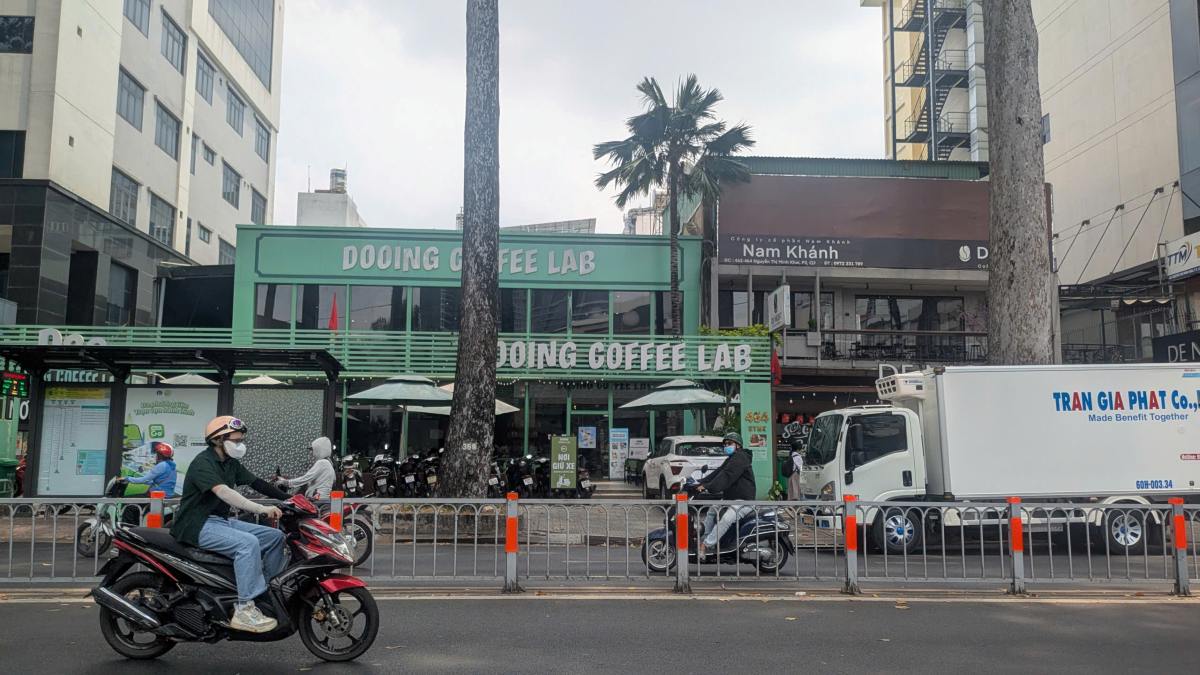
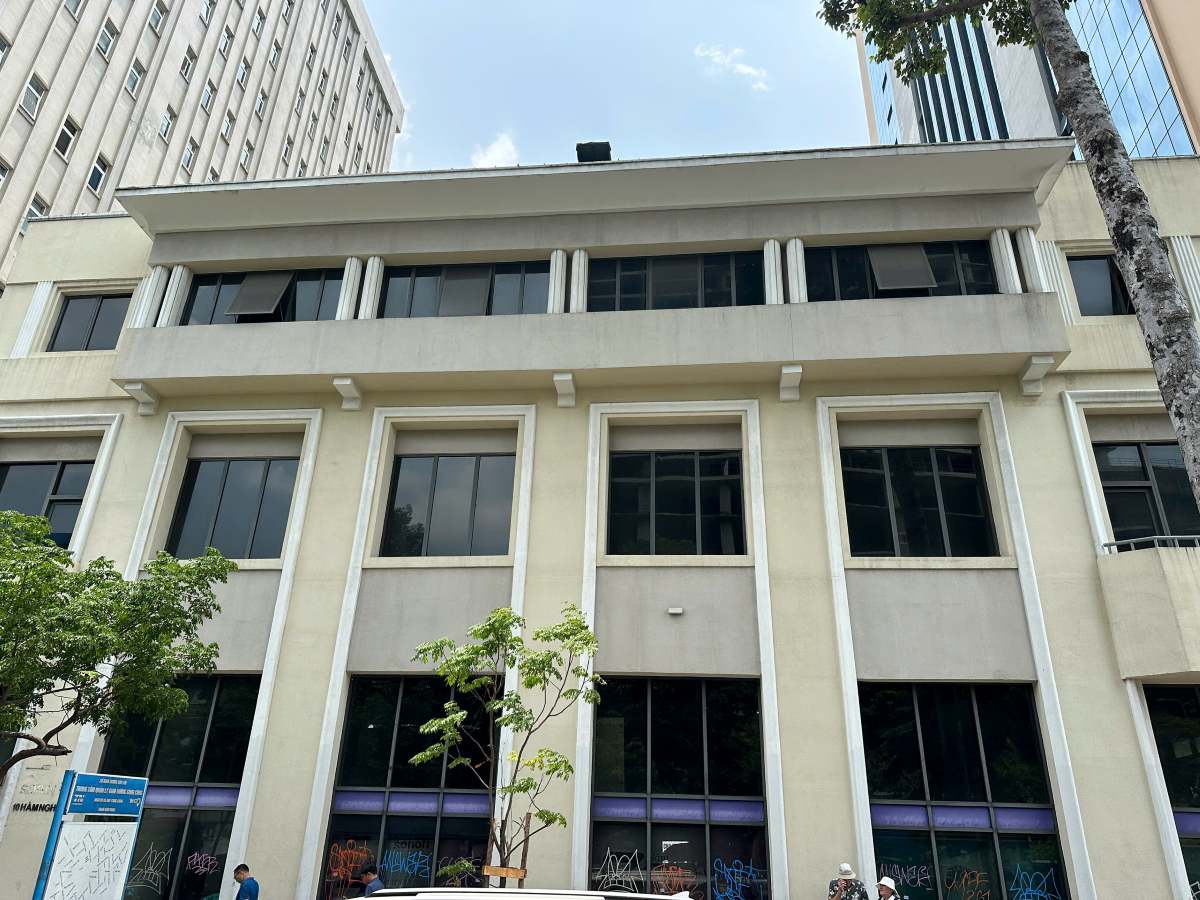
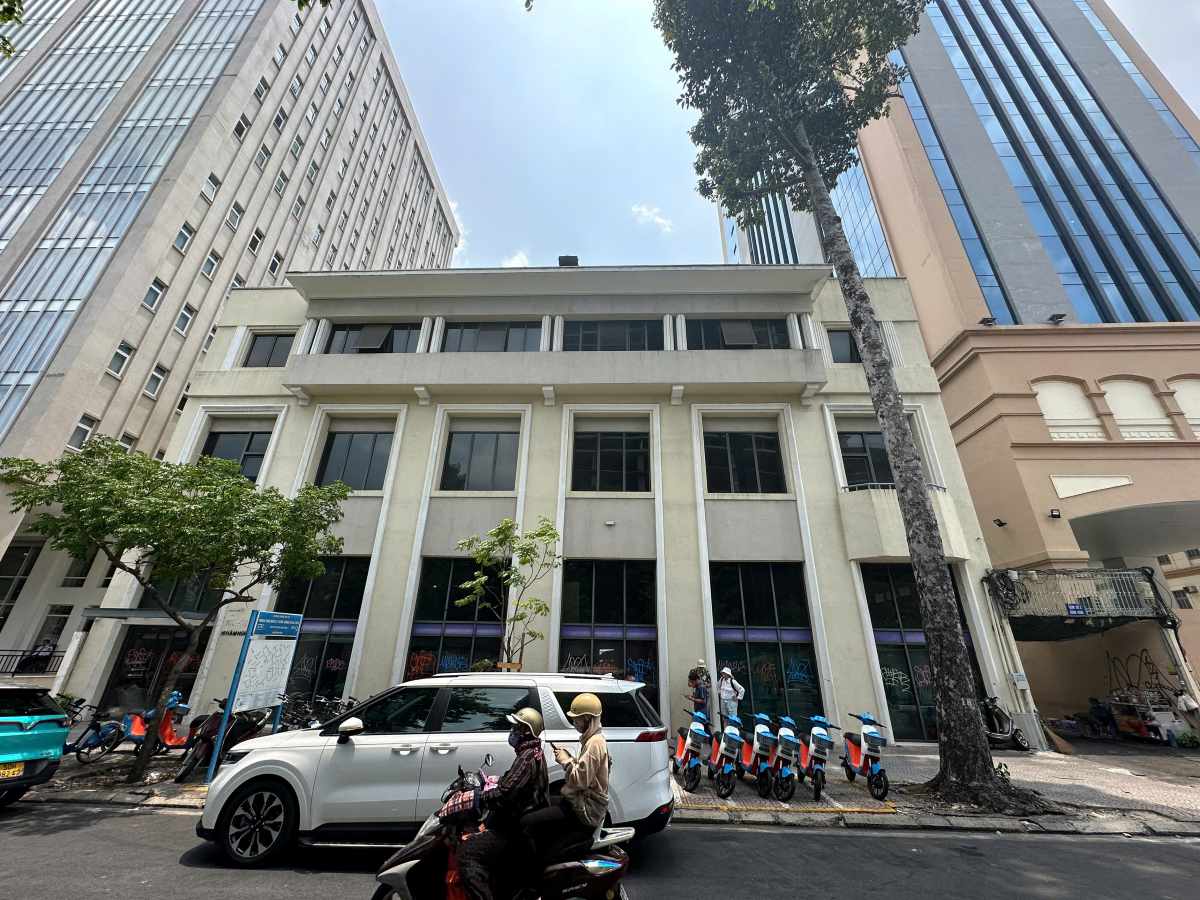
Ho Chi Minh City People's Committee informed that recently, the Ho Chi Minh City People's Council has approved investment policies for many large projects in the BT method, with a total investment of more than 182,000 billion VND.
Currently, there are some investors proposing to invest in urban railway line No. 2, Ben Thanh - Thu Thiem and Thu Thiem - Long Thanh sections, the road and bridge connecting Can Gio - Vung Tau, Ho Tram - Long Thanh expressway, West Saigon wastewater treatment plant, North Saigon Wastewater Treatment Plant 1, North Saigon Wastewater Treatment Plant 2, central square and new administrative center, Ben Nha Rong - Khanh Hoi Cultural Park project and public green trees along the Saigon River.
The above projects are applied according to the BT contract method with a total estimated investment of more than 366,000 billion VND. The demand for investment capital for projects is very large, concentrated in one period, while the ability to balance the budget is still limited and many other issues. Ho Chi Minh City needs a mechanism to mobilize and use resources more flexibly and effectively.
Some urgent infrastructure projects are oriented to be implemented according to the BT contract method to handle environmental pollution, wastewater treatment, flood control, and traffic jams with large total investment, requiring corresponding counterpart resources. Therefore, the preparation of a land fund list for payment not only needs to be sufficient in scale, but also must be commercially valuable land areas with high exploitation capacity, in order to attract capable investors, ensure the principle of equal price payment and limit the occurrence of budget obligations.


