
After merging administrative boundaries from localities including Can Tho, Hau Giang and Soc Trang, the scale of Can Tho has expanded to more than 6,400km2 with 103 commune-level administrative units. The merging of land data from many sources and different software systems poses an urgent requirement to build a centralized land database (CSDL) system.
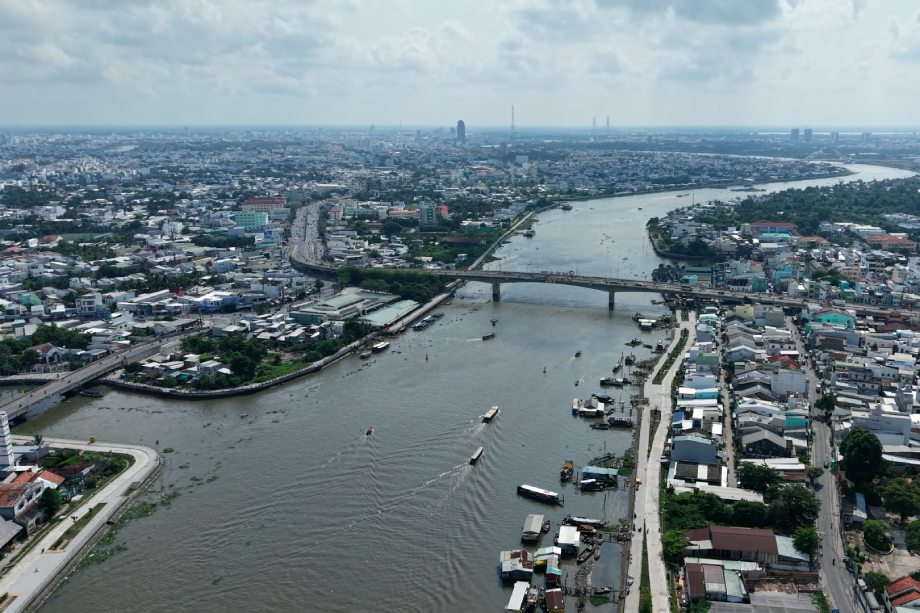
According to the Department of Agriculture and Environment of Can Tho City, the city has built a land database in 36/103 communes and wards, reaching more than 34%. The total number of land plots updated to the system is more than 694,000 on about 1.8 million plots, equivalent to more than 38%.
The city also launched a campaign to "enrich and clean up" land data to review, standardize and synchronize information with the national land data system. By the end of 2025, more than 1.6 million land plots had been reviewed, of which data meeting the criteria "right - sufficient - clean - living" reached 94.38%.
Along with that, 2,805,32 land use right certificates have been digitized, reaching more than 91.5% of the plan; more than 1.15 million land plots have been synchronized to the national land data system. The city also connects land users' information with the national population database through the VNeID application to accurately verify land users.
However, the process of building a land database still faces some difficulties such as the difference between previous land management software, limited information technology infrastructure in some localities, as well as the collection of dossiers from people in the digitalization process.
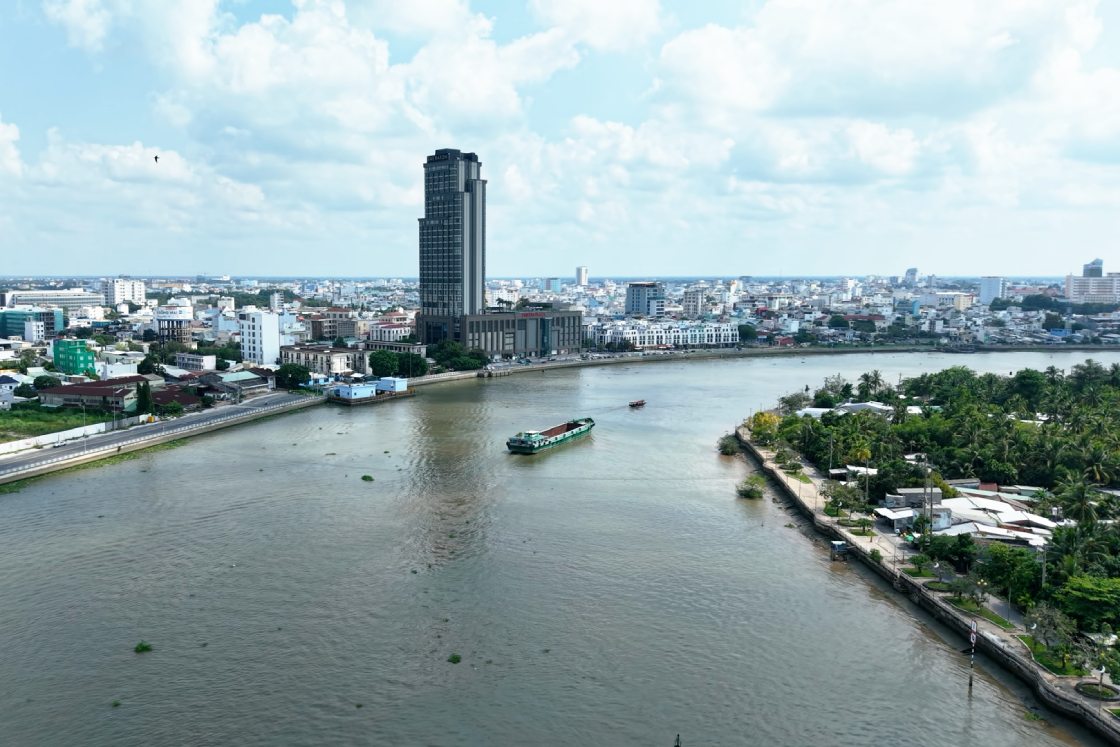
Mr. Tran Chi Hung - Vice Chairman of Can Tho City People's Committee - said that the city is building a project to measure and adjust cadastral maps; issue and exchange land use right certificates and build a land database for the period 2026 - 2030.
The project has a total estimated investment of more than 1,203 billion VND with many important contents. Accordingly, the city will deploy measurement and correction of cadastral maps on a large area, including urban land, agricultural land and river and canal system according to new administrative boundaries.
Notably, the city plans to newly issue and reissue more than 121,000 land use right certificates for people and organizations, contributing to completing cadastral records and synchronizing land data throughout the area.
According to the plan, in 2026, it is expected to allocate about 350 billion VND to prepare for investment and organize bidding; in 2027, it will allocate about 600 billion VND to deploy measurement, construction and acceptance.
When completed, the centralized land database system is expected to contribute to making the real estate market transparent and shortening the time to resolve administrative procedures in localities.


