
Reduce pressure on the inner city
According to the Master Plan of the Capital with a 100-year vision, the city implements urban restructuring - creating a revolution in urban landscape architecture, a revolution in housing, a revolution in heritage, and preservation (shifting from the "preservation - renovation" thinking to the "value reconstruction" thinking).
When restructuring urban areas in the period 2026 - 2035, Hanoi will relocate 200,000 people in areas near the Red River; 200,000 people in areas near West Lake and adjacent areas; 42,000 people in some streets within Ring Road 3.
When restructuring the city in the period 2036 - 2045, Hanoi will relocate 26,730 people in the old quarter, 23,000 people in the old quarter, and 370,000 people in the remaining areas of Ring Road 3 to restructure the city.
Thus, in the period 2026 - 2045, the city will relocate more than 860,000 people to serve the urban restructuring process.
According to the Hanoi People's Committee, the implementation of the population reduction policy is to reduce pressure on the inner city. People subject to clearance and relocation are partially arranged for resettlement on the spot, and partly in new urban areas at the growth poles (Dong Anh, Gia Lam, Hoa Lac...) are invested in synchronously, modernly, with full amenities (schools, hospitals, parks), ensuring better quality of life than the old residence.
Financial plan in parallel with planning
When implementing urban restructuring, for the Ba Dinh Political - Administrative Center area; Ho Guom area and adjacent areas, the city will manage urban landscape architecture and preserve and restore the values of architectural works and valuable urban space axes such as the Thang Long Imperial Citadel area, Trang Tien cultural performance axis - Big Theater...; propose to expand squares, add flower gardens and green water surface trees, and at the same time rebuild and build a number of agency, public, and urban service works to form a political - economic - financial - commercial center of the Capital worthy of the region; prioritize underground development in the area.
With the Old Quarter, implement the preservation and restoration of architectural values and cultural and traditional values, building the Old Quarter area as a new community tourism symbol of Hanoi (planning streets and works on both sides according to traditional architecture, the core area of the street according to modern models to increase exploitation efficiency and suit development needs).
Along with that, exploiting the sidewalk economy, the night economy for tourism services; developing Hanoi's culinary culture to introduce to the world; creating walking spaces, Hanoi's unique creative spaces; developing TOD models - urban development models oriented towards public transport development.
With the old quarter, preserving the characteristic space and urban architecture of the French colonial period (the "garden city" model with a network of flag tables, wide sidewalks and a system of green trees along the streets; squares, flower gardens and lakes are arranged interspersed to create landscapes and climate regulation; neoclassical, Indochinese architectural forms...), conservation, renovation, valuable architectural works combined with reconstruction of new construction works to ensure harmony with the space and regional architecture.
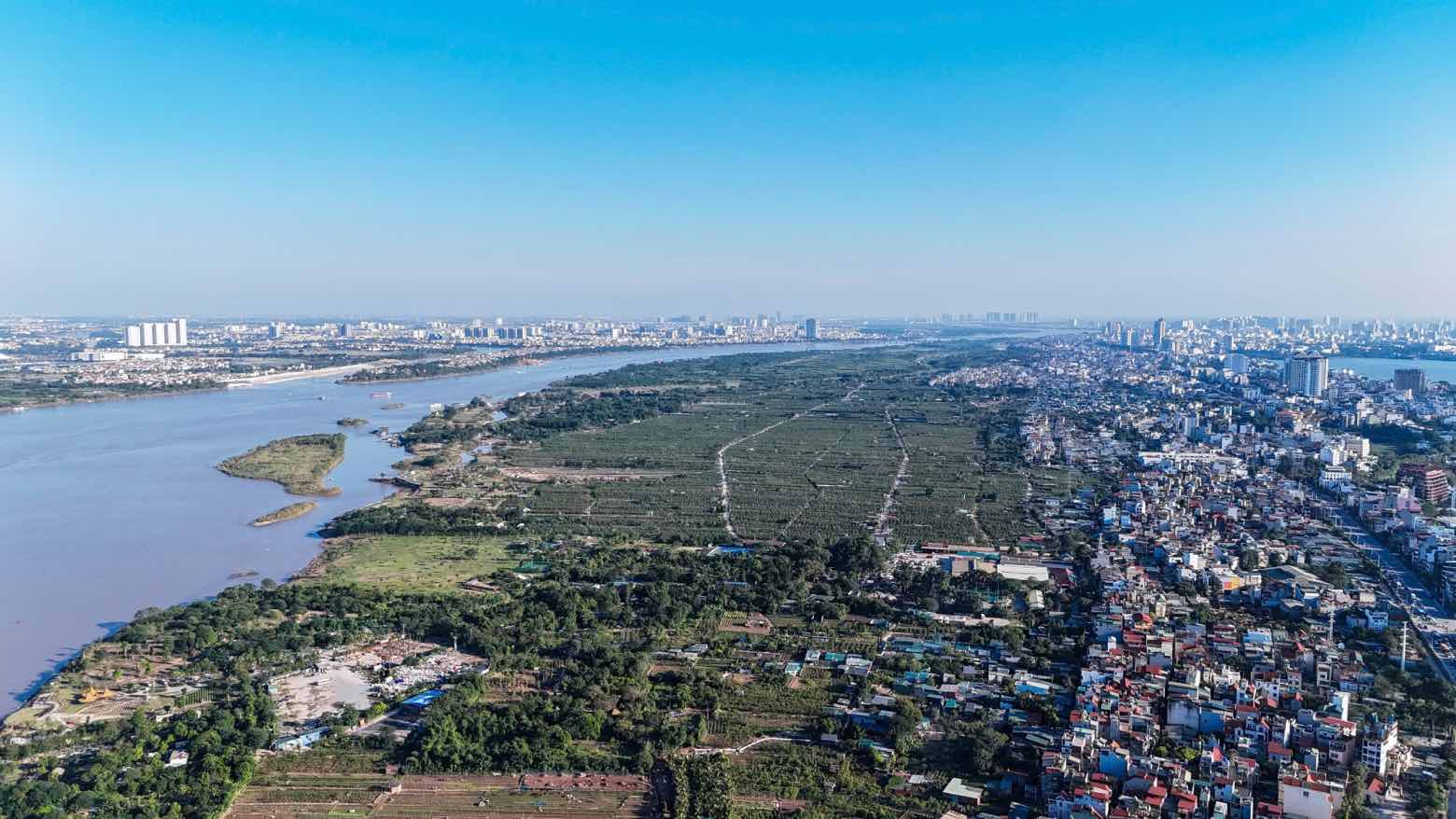
The West Lake area and surrounding areas, the Red River landscape axis is the area with the most landscape and environmental space of the city, proposing to preserve works and areas of cultural and historical value, comprehensive restructuring for existing residential areas (strengthening the transportation system, restoring and upgrading landscape space, investing in building new works to ensure harmony with the space and architecture of the area).
The remaining areas will be comprehensively restructured into urban areas, implementing large-scale clearance (according to the urban area unit to re-plan the infrastructure and space system; preserve historical and architectural relic works; develop new centers based on the TOD system, encouraging the development of high-rise buildings within a radius of 500m of the TOD).
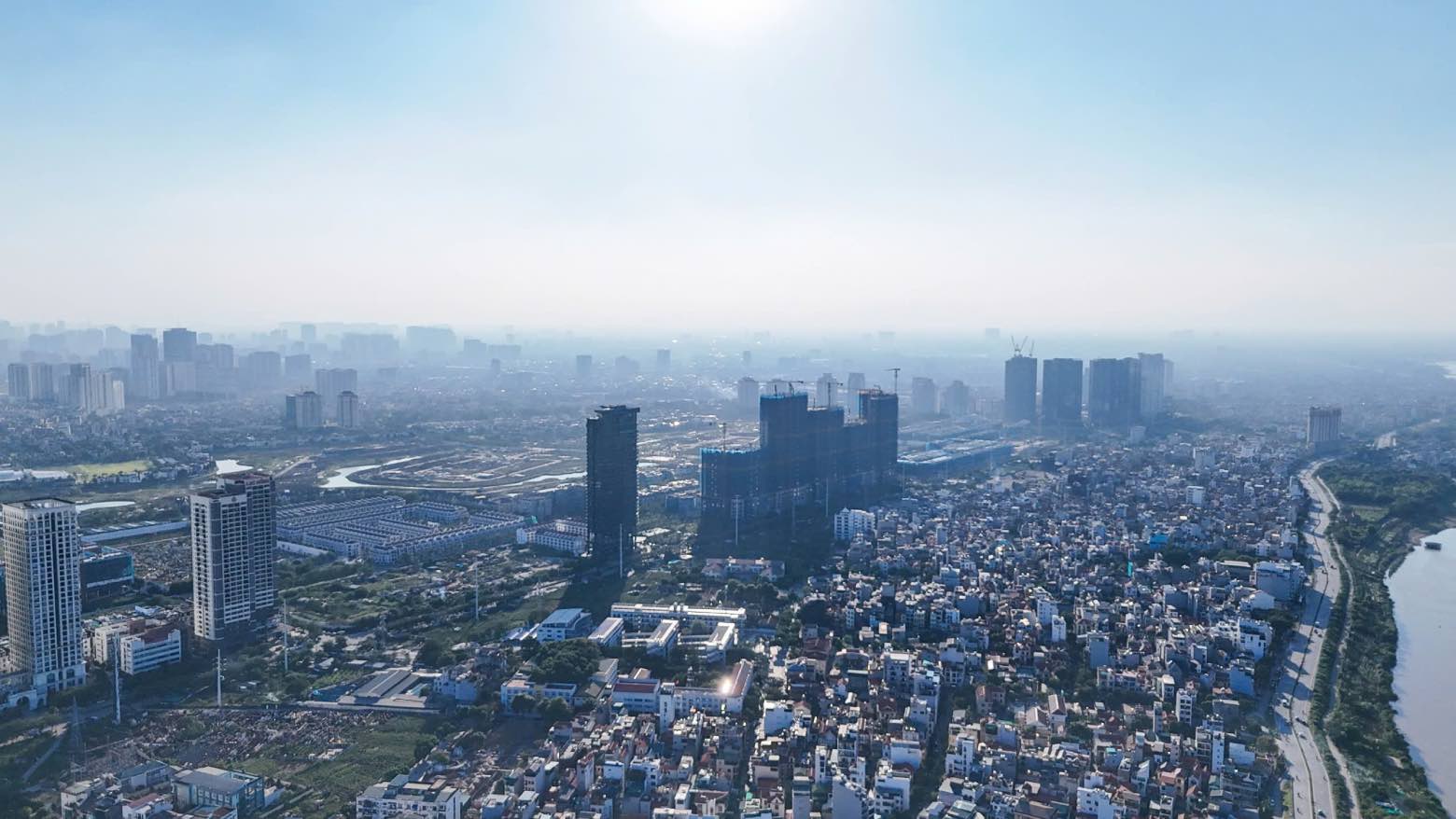
Regarding implementation solutions, the city develops a financial plan in parallel with planning - building a model to balance financial resources right in the process of preparing the spatial plan. Calculating the investment rate and land value increase after reconstruction to ensure feasibility, attracting strategic investors (expected reconstruction rate in the inner city area is about 70% of urban construction land area).
Land funds in the central area, prime locations... prioritize the development of financial, commercial, and high-class office centers to create large revenue for the budget and economic momentum.
Developing cultural industries, building specialized experiential tourism routes (heritage journeys) connecting valuable architectural works (Ancient Quarter - French Quarter - Imperial Citadel), turning heritage spaces into unique tourism products.
Forming river tourism routes (Red River) and roads connecting the Central City with the heritage system of the vicinity (Bat Trang, Co Loa, Son Tay, Huong Son...) and neighboring provinces to form a continuous tourism network, diversifying experiences for the Capital.
The city prioritizes on-site resettlement for people with high-quality apartments with full amenities. The surplus is developed for commercial housing to balance finances for investors. Encourage people to relocate to new synchronous and modern urban areas in suburban areas (Dong Anh, Gia Lam) through attractive support mechanisms (compensation coefficient k=1-2 times).


