
New regulations on residential land take effect from January 31, 2026
Specifically, Article 13 of Decree 49/2026/ND-CP (effective from January 31, 2026) has amended Clause 1, Article 5 of Decree 102/2024/ND-CP stipulating that residential land is land for housing and other purposes serving life in the same land plot. Residential land includes residential land in rural areas, residential land in urban areas, specifically as follows:
- Residential land in rural areas is residential land within the administrative boundaries of communes and special zones where local authorities in special zones perform the corresponding tasks and powers of local authorities in communes, except for residential land in areas implementing new urban construction projects according to urban planning approved by competent authorities but still within the administrative boundaries of communes and corresponding special zones of local authorities in communes;
- Residential land in urban areas is residential land within the administrative boundaries of wards and special zones where local authorities in special zones perform the corresponding tasks and powers of local authorities in wards, residential land within the administrative boundaries of communes, corresponding special zones of local authorities in communes belonging to areas implementing new urban construction projects according to urban planning approved by competent authorities.
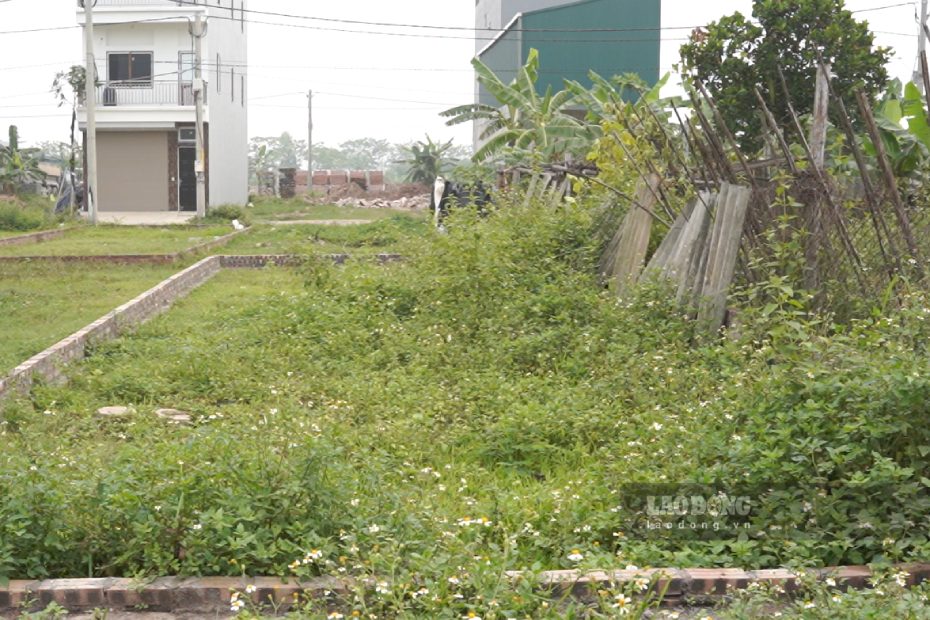
Key factors determining residential land prices in the land price list
According to Clause 3, Article 159 of the 2024 Land Law, the Provincial People's Committee shall develop a decision on the land price list for the first time to announce and apply from January 1, 2026.
Accordingly, based on Clause 1, Article 8 of Decree 71/2024/ND-CP (amended and supplemented in Decree 226/2025/ND-CP), the factors affecting land prices for non-agricultural land (including residential land, including residential land in rural areas, residential land in urban areas), are as follows:
- Location, location of land plot, land area;
- Traffic conditions: width, road surface structure, adjacent to 1 or more road surfaces;
- Conditions on water supply and drainage, electricity supply;
- Area, size, shape of land plot, land area;
- Factors related to construction planning include: land use coefficient, construction density, construction boundaries, construction height limits, limits on the number of basements built according to the detailed construction plan approved by competent state agencies (if any);
- Environmental status, security;
- Land use term;
- Other factors affecting land prices in accordance with actual conditions, cultural traditions, local customs and habits, brand development costs, business promotion costs, customer support, gifts, promotions that investors have added to the selling price and other reasonable costs affecting land prices.
The Department of Agriculture and Environment shall preside over and coordinate with relevant departments and sectors to advise and submit to the Provincial People's Committee to specifically stipulate the factors affecting land prices, the maximum difference of each factor affecting land prices to determine a certain level of similarity, and how to adjust each level of difference of each factor affecting land prices.
In case the Provincial People's Committee has not regulated or lacks regulations on factors affecting land prices, the maximum difference of each factor affecting land prices, and the method of adjustment for each level of difference of each factor affecting land prices, the land valuation organization shall make specific proposals in the Explanatory Report on building a land price plan for the Land Valuation Council to consider and decide.


