
On February 3, information from the Thanh Hoa Provincial Department of Agriculture and Environment said that the unit had just issued a document reporting and requesting guidance from the Department of Land Administration (Ministry of Agriculture and Environment) on determining the starting price for auctioning agricultural land for lease that has not been put into public utility purposes in the province.
According to the Thanh Hoa Provincial Department of Agriculture and Environment, according to Clause 2, Article 56 of Decree 102/2024/ND-CP, public agricultural land is leased by the State, annual land rent is collected and the starting price is determined according to the land price list. However, the 2024 Land Law does not stipulate the promulgation of annual land price lists, but only requires provincial People's Committees to submit to the People's Councils to adjust and supplement land price lists for application from the beginning of next year.
Not only is there a "divergence" in the understanding of the land price list, a bigger problem lies in the land use term. While the current land price list is built for a term of 70 years, agricultural land used for public purposes is only leased for a maximum of 10 years each time. This reality makes the rental price calculated according to a long-term stable level, not reflecting the true short-term use value of public land.
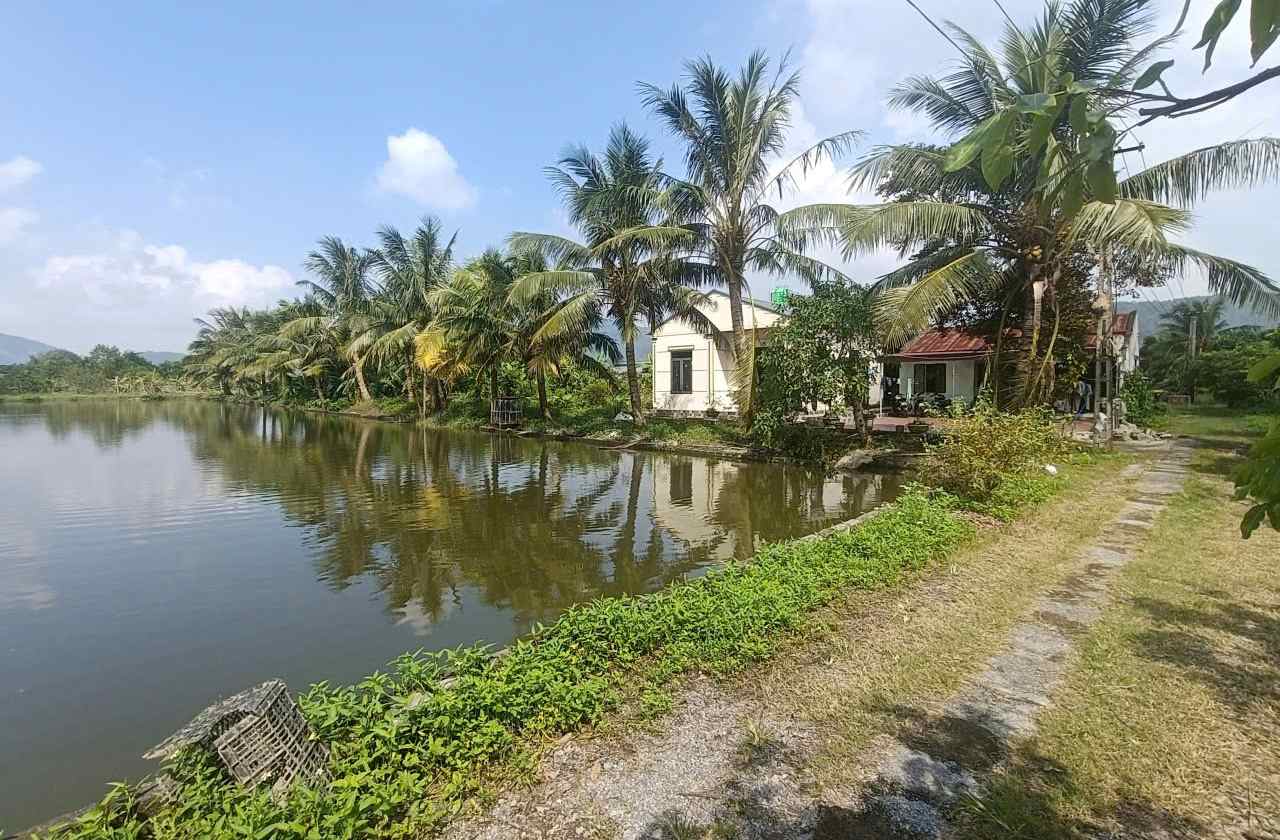
Specifically, according to Resolution No. 52/2025/NQ-HĐND of Thanh Hoa Provincial People's Council, the price of aquaculture land is about 40,000 VND/m2. If this level is applied to calculate the starting price for lease, the rent for 1 hectare of land can be up to 400 million VND per year - a figure considered too high compared to agricultural production capacity.
Faced with the above situation, the Thanh Hoa Provincial Department of Agriculture and Environment believes that the use of agricultural land prices in the land price list (excluding the lease term) to determine the starting price for auctioning public agricultural land is not appropriate and potentially poses a risk of "blocking" the policy of exploiting land funds.
From there, the locality has proposed that the Department of Land Administration soon have specific and unified guidance on how to determine the starting price for auctioning public agricultural land for lease, ensuring compliance with legal regulations and close to reality.


