
Di An Ward People's Committee (HCMC) said that the locality is implementing the work of arranging, arranging, and handling public assets (facilities, houses, land, and workplaces) after implementing the two-level local government model.
Currently, in Di An ward, there are 76 house and land facilities that have been approved for arrangement and handling plans, including 50 working headquarters and 26 non-business establishments. The total original land price is more than 1,630 billion VND, the original house price is more than 1,228 billion VND.
Through actual review, Di An ward has adjusted the classification structure of some facilities to suit the current status of use but without changing the total number of locations as well as the value of assets.
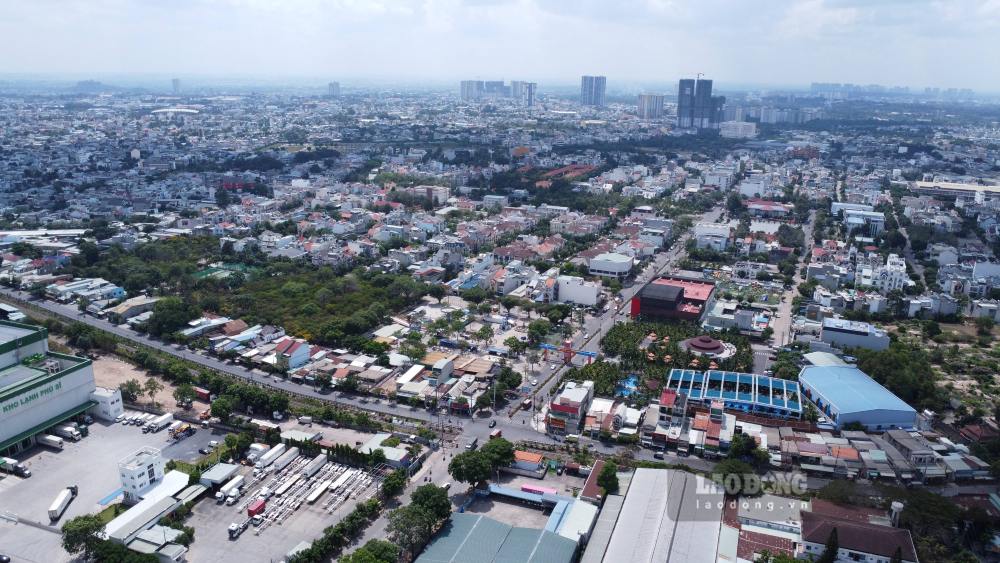
Di An Ward People's Committee said that the locality has 16 houses and land facilities that need to adjust the handling plan compared to the previously approved plan due to changes in planning, functional conversion or actual needs arising after implementing the two-level local government model. Some facilities are proposed to be converted to serve the activities of the neighborhood, build schools, public service supply centers, methadone treatment centers, and the headquarters of the Military Command.
Di An ward is facing some difficulties such as some headquarters being built on borrowed land needing to be liquidated soon to restore the ground; many works have deteriorated, repair costs are high; after arranging administrative units, the number of neighborhoods has increased from 19 to 28, but many new neighborhoods do not have operating headquarters, affecting the organization of task implementation.
According to Di An Ward People's Committee, the locality has proposed that the city consider adjusting the plan to arrange public assets in accordance with actual usage needs; have a policy to liquidate assets that are no longer suitable, allocate resources to repair degraded headquarters and pay attention to investing in building and renovating headquarters for new neighborhoods to meet the operating requirements of the local government.


