
While a singer can receive tens, even hundreds of millions of VND for a performance, in the drama stage, many artists are still attached to a cat-xe of only 150-200 thousand VND per night of performance.
About 4 years ago, when Hanoi City consulted on adjusting the allowance level for artists, the actual income in public theaters once attracted many people's attention. At that time, the common cat-xe for a main role was only about 150,000–200,000 VND, and supporting roles from 70,000–80,000 VND, a figure that almost "stayed still" for a long time.
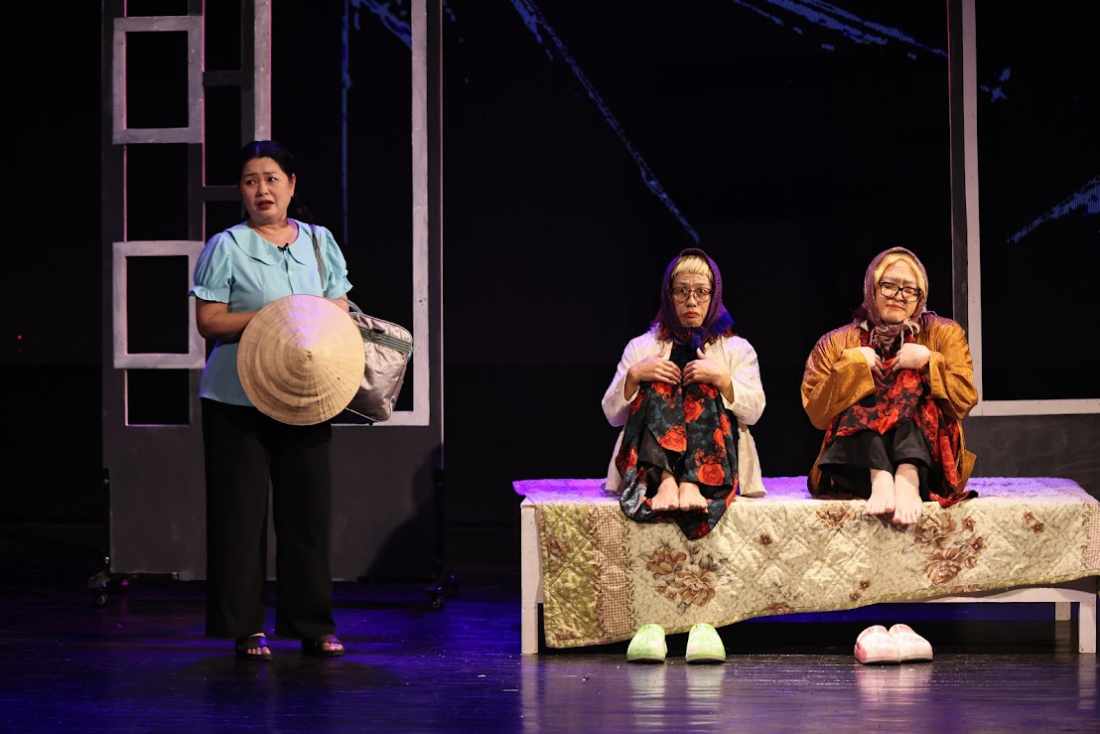
Artists themselves have also frankly spoken about this many times. Meritorious Artist Chi Trung once shared: "Those successful friends like Thu Quynh, Thanh Son, no matter where they are stars, when they get back to the theater, they still receive a cat-xe of 150,000 VND/performance.
Many young students when applying for jobs in the theater, I tell them: If you come to the theater to get rich, to seek wealth, I advise you to change jobs. In the theater, I can only give you aspirations, love for art, and opportunities to develop yourself," Chi Trung said.
In the context of the theater facing many difficulties, limited revenue, and low remuneration, many artists have to work extra to earn a living, venturing into acting on television and advertising. However, as many people in the profession share, they still stick to the theater because of their love for the profession more than the story of income.
From that reality, Mr. Nguyen Si Tien - Director of the Youth Theater said that the core issue still lies in the mechanisms and policies for artists.
According to him, policies related to salaries, training and performance remuneration are currently being researched and gradually implemented.
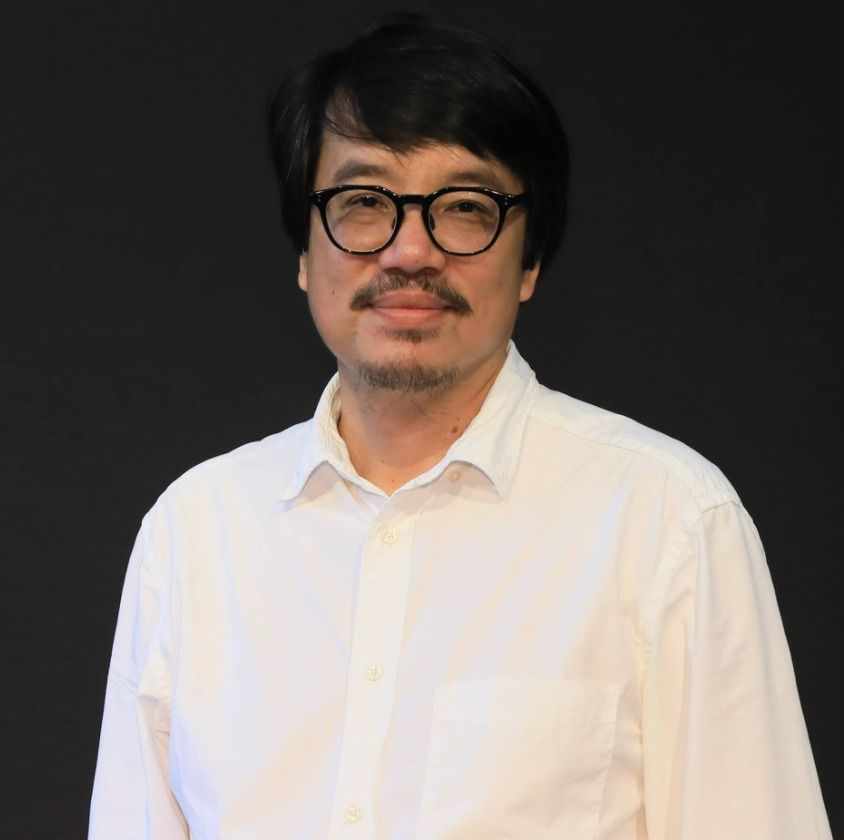
The Director of the Youth Theater said: "It is expected that in the near future, the income of artists may increase from 1.5 to 2 times compared to the present. This is an important factor to help them feel secure in creating, contributing and sticking with the profession for a long time.
Besides the income story, Mr. Nguyen Si Tien also mentioned the training problem. According to him, art training institutions today have had positive changes when focusing more on the practical factor, helping students access a variety of performance types.
However, he also frankly acknowledged: "To meet practical requirements, young artists still need to continue to be further trained, improve their skills and adapt to the specific characteristics of each art unit.
Concerns from the reality of theater are also the contents raised in the Resolution of the 14th Party Congress, when emphasizing the care for the contingent of artists, completing preferential policies and creating a favorable environment for artistic creation.
From that orientation, the important thing is that policies are put into practice soon, so that artists can live by their profession and the stage maintains its appeal to the audience.


