
Barcelona will face Atletico Madrid in the quarter-finals of the UEFA Champions League this week after making a special mark in the round of 16. The 7-2 victory at home against Newcastle United in the second leg is the biggest victory of a Spanish team against the English representative in 60 years.
Robert Lewandowski continues to contribute steadily, even though he has turned 37. However, what is more noteworthy is that this victory was created by the youngest squad in Barcelona's history to participate in the Champions League knockout round, with an average age of only 25 years and 18 days, thanks to the presence of 5 players who grew up from La Masia.
The use of talents like Lamine Yamal, Pau Cubarsi and Marc Bernal helps Barcelona surpass Ajax to become the club that uses the most young players in the Champions League this season. In addition, they also give Xavi Espart a chance from the bench.
Along with names like Fermin Lopez, Gavi and Eric Garcia, Espart - an 18-year-old midfielder compared by coach Hansi Flick to Philippe Lahm - is one of 14 players who grew up from the academy and have played for Barca's first team this season.
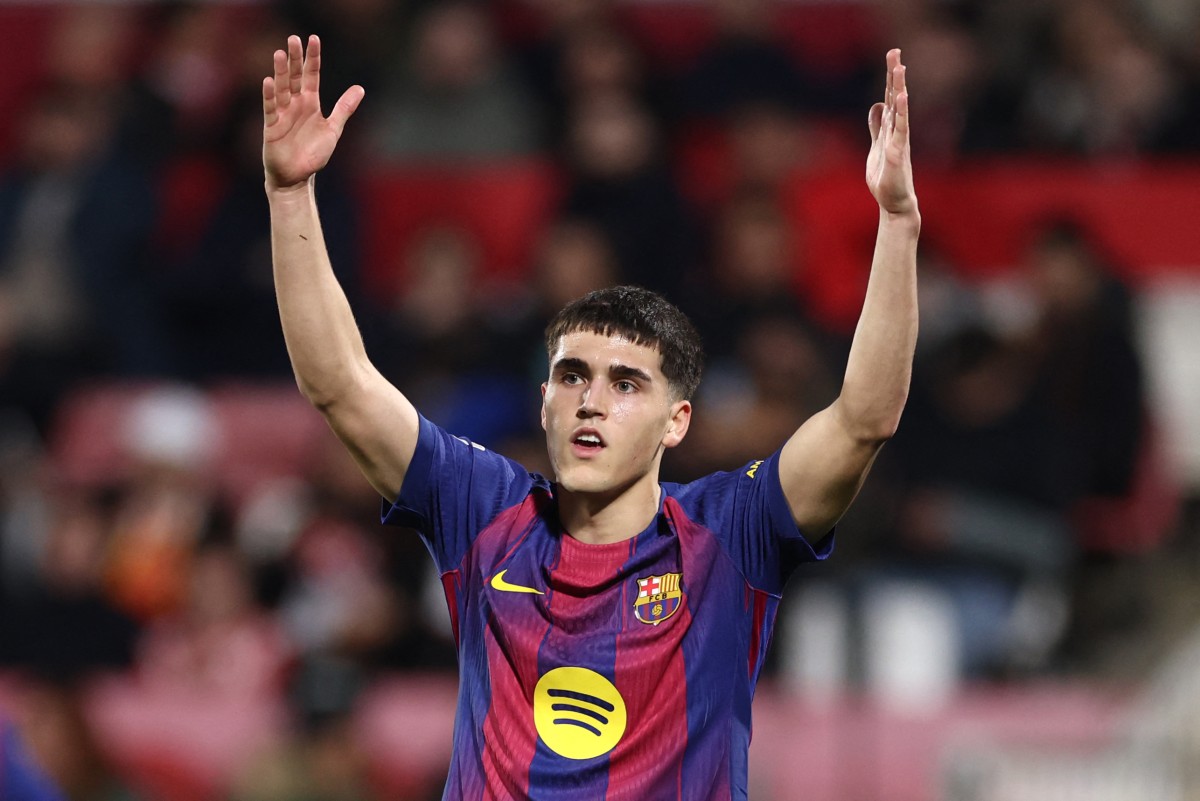
A study by CIES Football Observatory in January showed that players graduating from La Masia currently have a total transfer value nearly three times higher than any other club in the world.
Coach Xavi Garcia Pimienta, who used to coach Sevilla and has been associated with the Barcelona system for more than three decades, admitted that he feels proud to witness this generation of young players shine. He said that the identity of the team is built from the academy itself and is maintained throughout all levels.
According to Pimienta, that foundation originated from the philosophy of Johan Cruyff, who completely changed Barcelona's operating style since 1988. Since then, every team in the system has played according to the same philosophy, helping young players easily adapt when promoted to the first team.
He emphasized that what the players are showing in the current first team is actually trained from many years ago at the youth level. Growing up together from a young age helps them understand the playing style and create special cohesion.
La Masia not only focuses on physical fitness but also emphasizes the thinking factor. Barcelona prioritizes players who have the ability to read the game, control the ball and handle situations intelligently. Cases like Fermin Lopez show that many players who were not outstanding in physique but developed strongly thanks to their playing intelligence.
According to Pimienta, this is Barcelona's biggest difference compared to other clubs. Players are trained to understand the match before developing physically, and always work with the ball during training.
He also believes that Barcelona's success in the past, especially under Pep Guardiola and Luis Enrique, is based on the foundation of players who grew up from academia, with typical names such as Lionel Messi and Andres Iniesta.
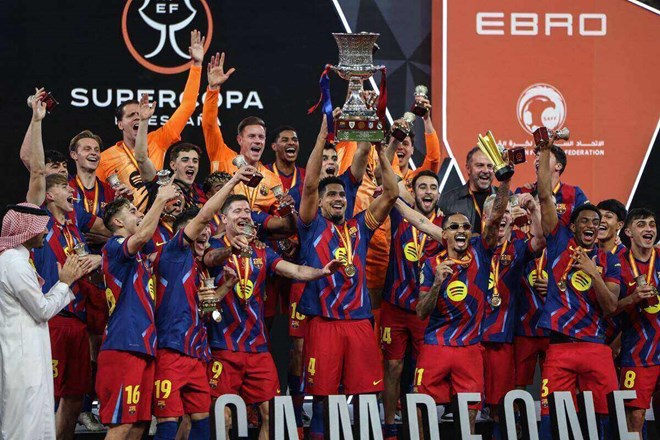
Currently, Pimienta sees many similarities between Flick's team and the previous golden generation, when young players are not only talented but also have a deep sense of attachment to the club.
Barcelona is rebuilding its identity based on its core values. In the context of modern football increasingly emphasizing fitness, the Catalan team is still loyal to the philosophy of ball control, tactical thinking and intelligence in playing style.
The upcoming match against Atletico Madrid will be a big test for this young generation. But clearly, Barcelona is not only aiming for victory, but they are also aiming to recreate a new era of success based on La Masia.


