
In an interview with US CNBC television channel in February, President Gianni Infantino said that FIFA expects total revenue from the 2026 World Cup to reach 11 billion USD.
In FIFA's 2024 annual report, the organization has released its expected operating budget for 2023 - 2026, which forecasts the operating cost of the 2026 World Cup to be about 1.12 billion USD. The total budget, including bonuses and television activities, is 3.756 billion USD. The operating cost of 1.12 billion USD includes 280 million for "technical services", 159 million for "event transportation", 145 million for "safety and security" and 79 million for "guest management".
Although the announcement in the mass media is so, the truth is that the amount of money FIFA is planning to spend for the 2026 World Cup is lower. Many employees of this organization who are working in the US share that they are worried because FIFA is cutting too many things, including security, safety and logistics staff.
In a statement to The Athletic newspaper, a FIFA spokesman said: "FIFA is constantly reviewing the effectiveness of its operating budget to ensure cost control, thereby having as much revenue as possible, thereby being able to reinvest in the development of football around the world.
This is not too surprising because the review of operating budgets is applied regularly before all FIFA tournaments and events".

This reduction may be related to FIFA's set target, which is that at least 90% of budget investment for the 2023-2026 cycle must be reinvested in global football. In the estimated budget for the 2023-2026 period, FIFA stated that investment for this cycle has increased equivalent to revenue, totaling 12.9 billion USD. FIFA said it will reinvest 11.67 billion USD, equivalent to more than 90% of the investment to significantly promote the development of global football.
FIFA argues that they deserve praise for targeting the world's most profitable market and gaining maximum value before distributing profits to invest in the development of global football. However, others argue that FIFA has set an arbitrary percentage rate for reinvestment. This creates too much burden for both fans attending the tournament and local organizers.
The clearest proof is that the ticket price to watch matches at the 2026 World Cup has the highest average in history. Some group stage standard tickets cost up to 700 USD, lower-class tickets to watch the final cost up to 8,680 USD. FIFA also faced criticism for parking when charging 225 USD for a "loot" near MetLife Stadium (including parking for people with disabilities). Even, in some places, the price is up to 300 USD at the SoFi stadium in Los Angeles.
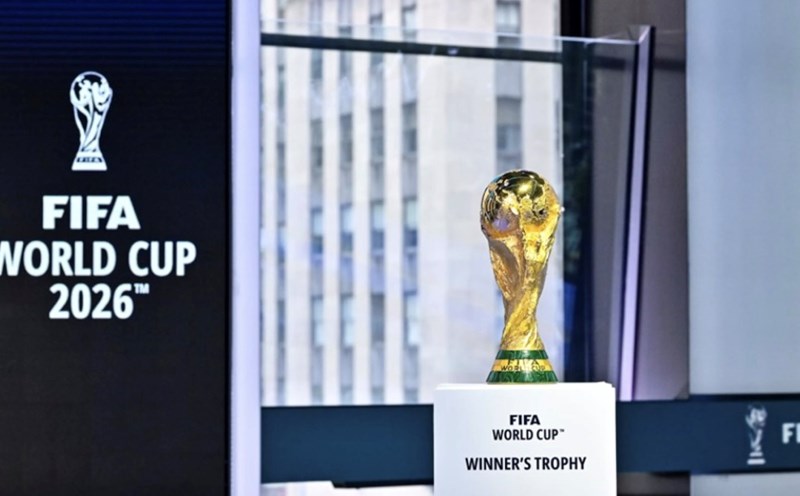
Local organizers of the host cities have also asked, can FIFA provide more financial support in organizing the tournament when they have the right to benefit from these things?
According to FIFA's initial hosting agreements with US cities, they earn profits from ticket sales, broadcasting rights, food and drinks, sponsorship and parking fees, while cities are responsible for the rest (safety and security). In return, FIFA and cities regularly emphasize the huge economic impact of the 2026 World Cup, with Gianni Infantino citing a report saying that the US economy will earn 30 billion USD by hosting this year's finals.


