
Manchester City is reaping the fruits of a transfer strategy formed over many years, in which the period Pep Guardiola led the team played an important role. Being ready to let players leave when they are no longer suitable helps Man City continuously collect large fees, while creating conditions for the team to build a new personnel cycle.
Unlike many coaches who often want to keep their players, Guardiola once agreed to let players leave if they wanted to. This approach contributes to the formation of a characteristic transfer culture at Etihad: players can leave the club at the right time, while Man City finds ways to optimize the value from those deals.
Omar Marmoush almost helped Man City recover the money they spent to bring him back from Eintracht Frankfurt 18 months ago. Tijjani Reijnders also only played one season at Etihad before moving to Al-Qadsiah for £52 million.
James Trafford is another case. Man City once activated the buy-back clause for this goalkeeper for £27 million after Ederson left. However, the appearance of Gianluigi Donnarumma made Trafford not have many playing opportunities. However, Leeds United still agreed to spend £45 million to bring him in.
Savio also helped Man City earn 75 million pounds, almost double the amount the club once spent. Nico Gonzalez moved to another team for a fee of 48 million pounds, thereby continuing to supplement revenue for Man City.
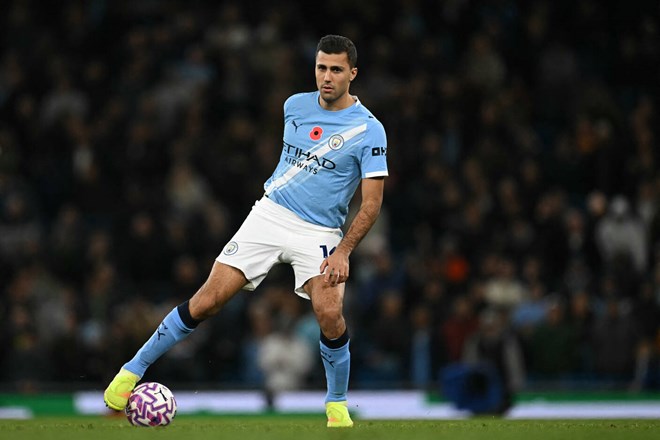
In particular, Rodri's transfer to Barcelona brought in £654 million. The Spanish midfielder only has one year left on his contract and has faced difficulties in recovering from a knee injury. If they keep him for another season, Man City risk losing this player for free, so the fee received from Barcelona is very significant.
This policy is not only applied to stars. From the squad that defeated Inter Milan to win the Champions League in 2023, currently only Ruben Dias and Erling Haaland are key players in the first team. Ederson and Nathan Ake have also left the club, while Bernardo Silva and Kevin De Bruyne parted ways on a free transfer after many years of dedication.
This reflects a principle maintained at Man City: the value of a player is not only in the transfer fee. Age, contract term, contribution on the field and ability to fit the new plan are all considered before deciding whether to keep the player or sell.
Another important part comes from the academy. Phil Foden and Nico O'Reilly are rare cases who grew up from the training system and maintained their positions in the first team. Many other players brought in a significant amount of money after leaving Etihad.
Yan Couto has never worn the Man City first team shirt but was sold to Borussia Dortmund for more than 25 million pounds after a loan period. Pedro Porro also used to belong to Man City before developing his career at Sporting Lisbon and Tottenham.
Cole Palmer and Morgan Rogers are two other typical examples. Both grew up from the Man City academy, then built their names in other clubs and currently play for Chelsea. Oscar Bobb was also sold to Fulham for £27 million last season.
Man City's success in the transfer market does not only come from the huge amounts of money spent. No less important is how The Citizens preserve player value, even when they no longer play a key role at Etihad. This is one of the clear legacies of the Guardiola period and is still continuing to benefit Man City.


