
Based on the names mentioned in the discussion about the position of interim coach (HLV) of Manchester United, it can be seen that the focus of the club is to rebuild the connection between fans and the team.
The key factor in this choice seems to lie in bringing Man United back to "the Ferguson aura". Former midfielder Darren Fletcher has been promoted straight from the youth team to the first team and has held a few interim roles to test the fire. The most prominent candidate to replace him to lead until the end of the season is Ole Gunnar Solskjaer, but in the end, Man United seems to be leaning towards another legend, Michael Carrick.
Carrick has played 464 matches for Man United in the 2006-2018 period, mostly under Ferguson, and won a total of 18 titles. The goal of restoring "ADN United" - which is essentially attacking football - is seen as the main axis in the appointment decision. And Carrick, who was an important link in the heyday of the "Red Devils", obviously understands that requirement.
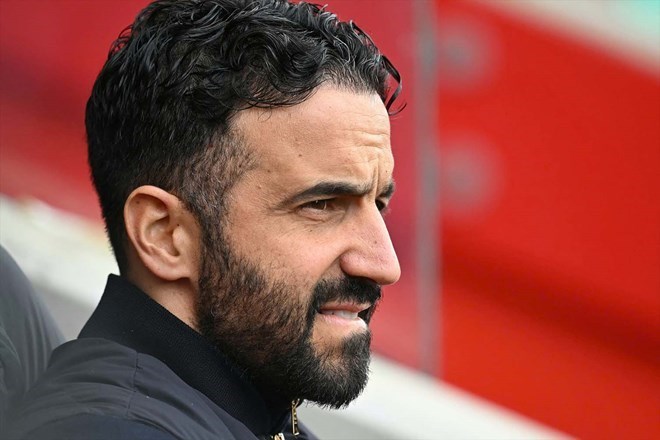
However, in addition to appointing a beloved face to place his trust after Ruben Amorim's unsuccessful reign, Man United still needs tactical capacity. 2 matches under Fletcher - a 2-2 draw with Burnley struggling to stay in the league and then losing to Brighton in the FA Cup, have shown that understanding the club is necessary, but never enough.
First of all, Carrick is likely to end Amorim's commitment to the 3-defender system. In nearly 3 seasons leading Middlesbrough (10.2022-6.2025), he prioritized the 4-2-3-1 formation, used in 112/124 matches in the Championship.
Carrick has experimented with a 3-defender formation in a few matches, but in general he rarely changes tactical structure, often choosing the option of personnel adjustment to refresh rather than "breaking" the system. This is also a point that he once received criticism at Boro.
Therefore, after Amorim - who is also criticized for being rigid with Man United's worst Premier League record - Carrick may need to show greater flexibility.
However, Boro's football under Carrick is attractive and easy to create trust. In the context that Man United is gradually losing its connection with fans, that could bring strategic value.
The problem is that Carrick cannot get Middlesbrough promoted. His Boro is usually very strong in the "Championship group", but has not reached the superior level of teams capable of reaching the Premier League. They always feel a little lacking in the decisive part.
The most notable season was 2022-2023. Carrick took over from Chris Wilder at the end of October when Boro ranked 21st and faced the risk of relegation. He made a very quick turnaround, winning 13/17 of the first matches, pulling the team to third place and only 4 points behind the direct promotion group in mid-February.
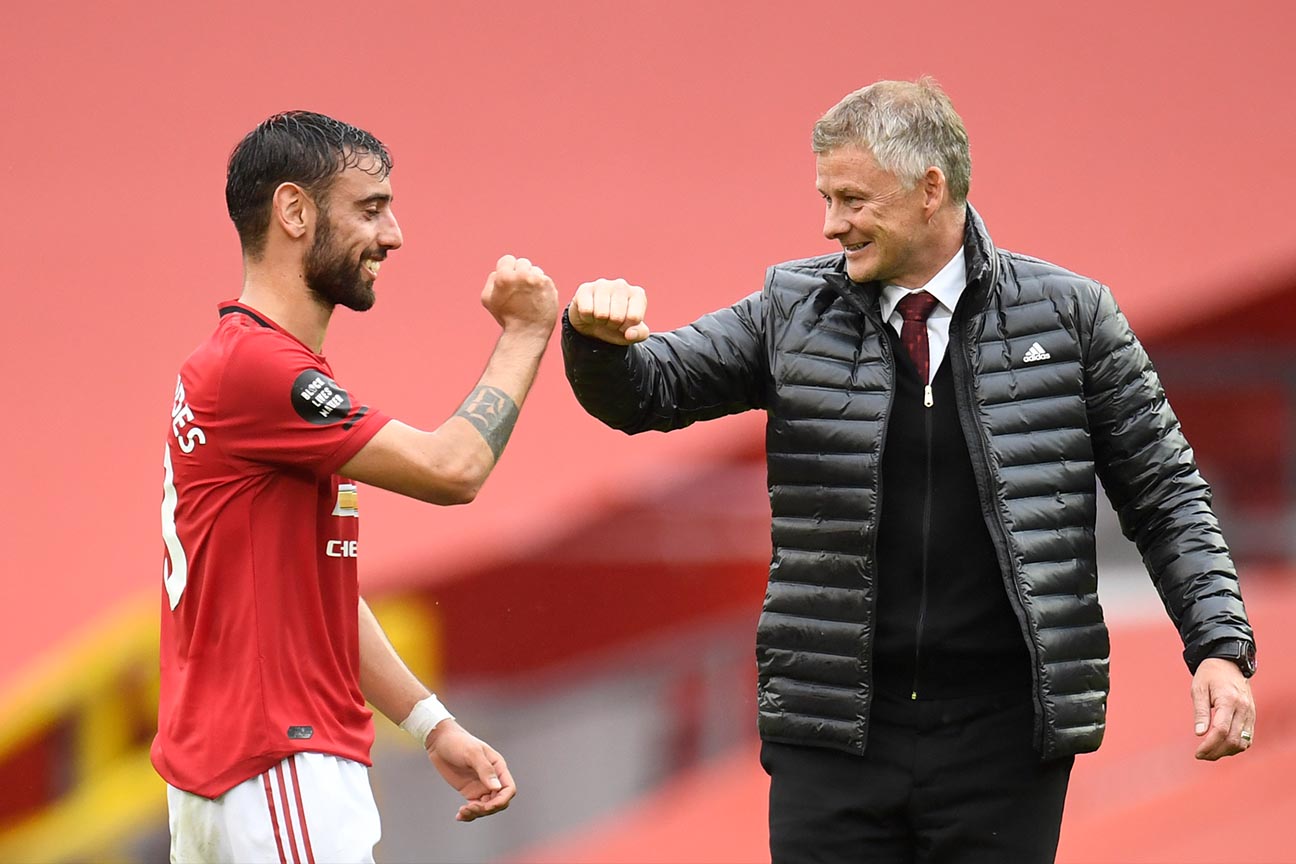
However, Boro was out of breath in the spring (only won 3/10 of the last matches), finished fourth and then lost to Coventry in the play-offs. However, Carrick has won the hearts of fans - what Man United really needs. The difference is that Man United is currently at the end of the season and only 3 points behind the top 4, so they do not need a comprehensive revolution, but need immediate impact.
Not many Man United fans want to experience another coach who is only loyal to one system - what they just witnessed under Amorim. Therefore, if Carrick returns to Old Trafford, the requirement is not only to revive "ADN United", but also to show the ability to adjust according to the dien bien of the match and adapt to each opponent.
On the positive side, the immediate impact that Carrick created at Middlesbrough and the ability to build confidence for players are valuable signals. In the short term, if Man United only needs a 4-month boost to stabilize and race for the top 4, the effect of replacing coaches may be what they are looking for.


