
Sir Jim Ratcliffe's drastic cost cuts have created a clear financial turning point for Manchester United. However, the question remains. Is the profit achieved worthy of the damage to image and trust in fans?
The financial report for the first 6 months of the year shows that Man United achieved operating profit of £32.6 million - a spectacular reversal compared to a loss of £3.9 million in the same period last year. CEO Omar Berrada called this a profit shift.
But behind those impressive numbers is the decision to cut 450 jobs, narrow employee benefits and increase ticket prices. And 450 is not just a statistic, it is also 450 lives, 450 families.
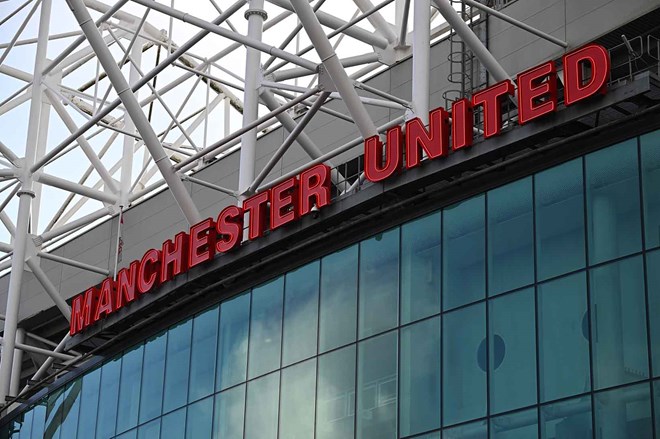
Man United is not just a team. They are a symbol of English football, part of the Manchester community and have global influence. When a club of that stature tightens its belts, a wave of reaction is inevitable.
Fans can argue about who is the strongest team in England currently - Manchester City, Liverpool or Arsenal. But in terms of scale and influence, Man United is still the biggest name.
Therefore, their financial decisions are more resonant than any other team. Have such steps ever happened under Sir Alex Ferguson? And in the end, is Man United a football club or a business corporation?
The harsh reality is both. In the context of financial fairness laws and strict regulations, even billionaire-backed clubs cannot make up for losses. They are forced to make a profit.
Ratcliffe has become the focus of criticism from a part of the fans - those who always love tradition and expect Man United to maintain both class and community values. But in top football, the ultimate measure is still on the pitch.
If the team plays poorly, decisions that do not please fans become even more difficult to accept. Conversely, when results improve, pressure will somewhat subside.
Currently, positive signs have appeared. The "Red Devils" affirm that they still prioritize investing in men's and women's teams, and are in a more stable financial position to aim for a return to the Champions League.
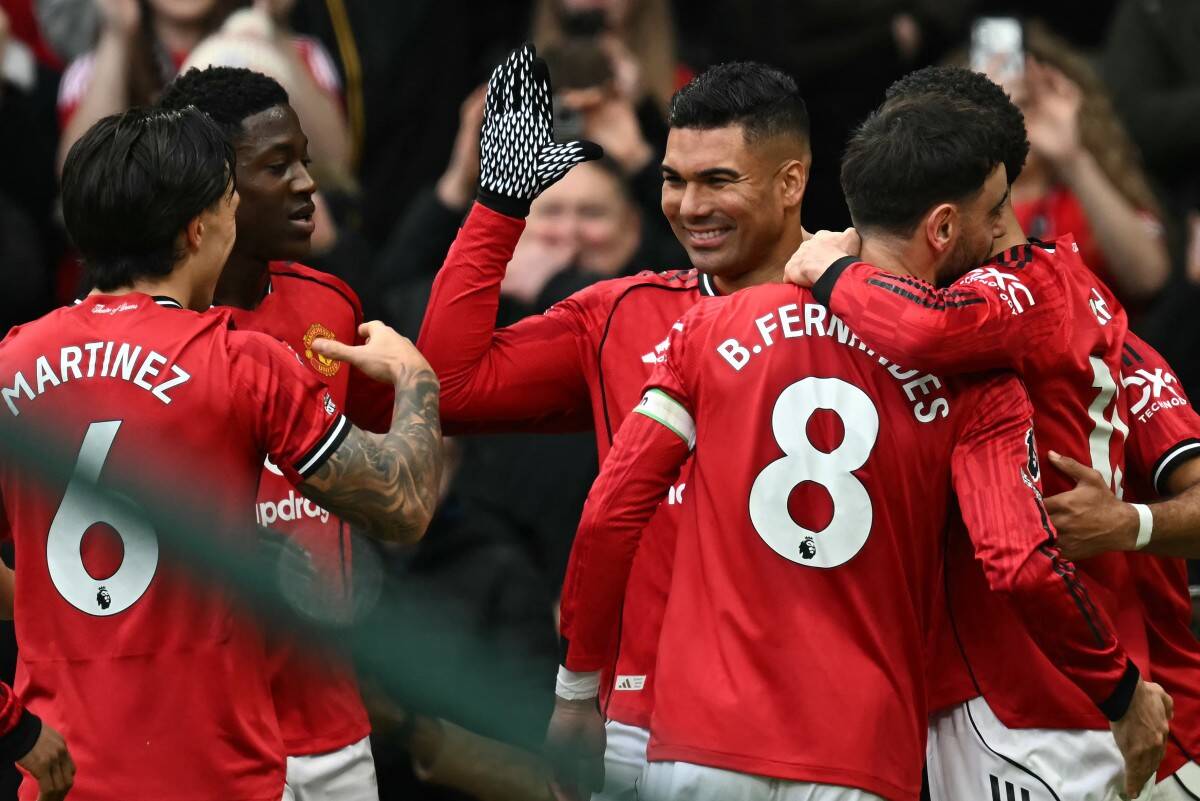
The change does not only come from books. Under the leadership of Michael Carrick, Man United is strongly reviving and competing for a place in the top 4.
Increased profits, a more solid financial structure and improved performance on the field - that is the picture that the board of directors wants. Of course, the road to achieve that is not smooth, even deeply controversial.
But modern football no longer has room for pure emotions. Man United has chosen the pragmatic path - financial stability to rebuild sports. The final answer to all debates will come when they truly return to the top, not only in the balance sheet, but also on the pitch.


