
England has closed the 2026 World Cup journey with a regrettable defeat to Argentina in the semi-finals. However, instead of questioning a change on the coaching bench, the Football Association of England (FA) still affirms absolute belief in Thomas Tuchel, who is expected to help the "Three Lions" conquer the EURO 2028 championship at home.
After the match, the FA issued a brief announcement that the players and Tuchel "have dedicated themselves wholeheartedly". Signals from within also show that they have no intention of considering the possibility of change, and continue to believe that the German strategist is the right person to bring England to success.
However, the defeat to Argentina has sparked much debate about Tuchel's influence in the dressing room. He was appointed thanks to the reputation of a successful coach, a strategist who has helped teams achieve major titles. But in the World Cup semi-finals, his tactical approach was considered too cautious, causing England to lose the opportunity to make history.
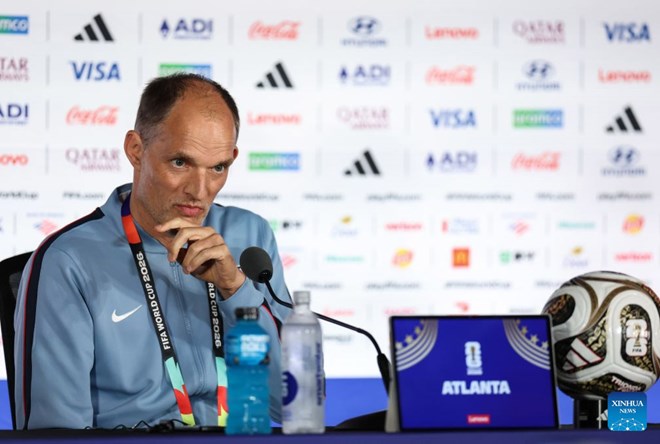
Tuchel once emphasized that England under Gareth Southgate lacked identity, lacked initiative and had a psychology of fear of failure rather than a desire to win. However, after losing to Argentina, he himself faced similar questions when the "Three Lions" retreated deep to defend after the opening goal and could not maintain the game.
England's problem is not just a substitution decision or a specific match. This defeat continues to show the gap between a team with many talents and a team that really knows how to conquer big titles.
Over the years, English football has invested heavily in the youth training system and built a generation of world-class quality players. However, turning that resource into a specific title at the national team level is still an unsolved problem.
The FA needs to look broader at the question of what kind of team England wants to become, from the playing identity, playing style to the coaching philosophy. Tuchel's appointment reflects the trend of seeking a "winner" from outside, but that does not necessarily solve systemic problems.
Argentina and Spain - the two teams participating in the 2026 World Cup final - are typical examples of the strength of coaches who understand national football culture. Lionel Scaloni and Luis de la Fuente both build teams based on long-term connections with players, instead of just relying on personal reputation.
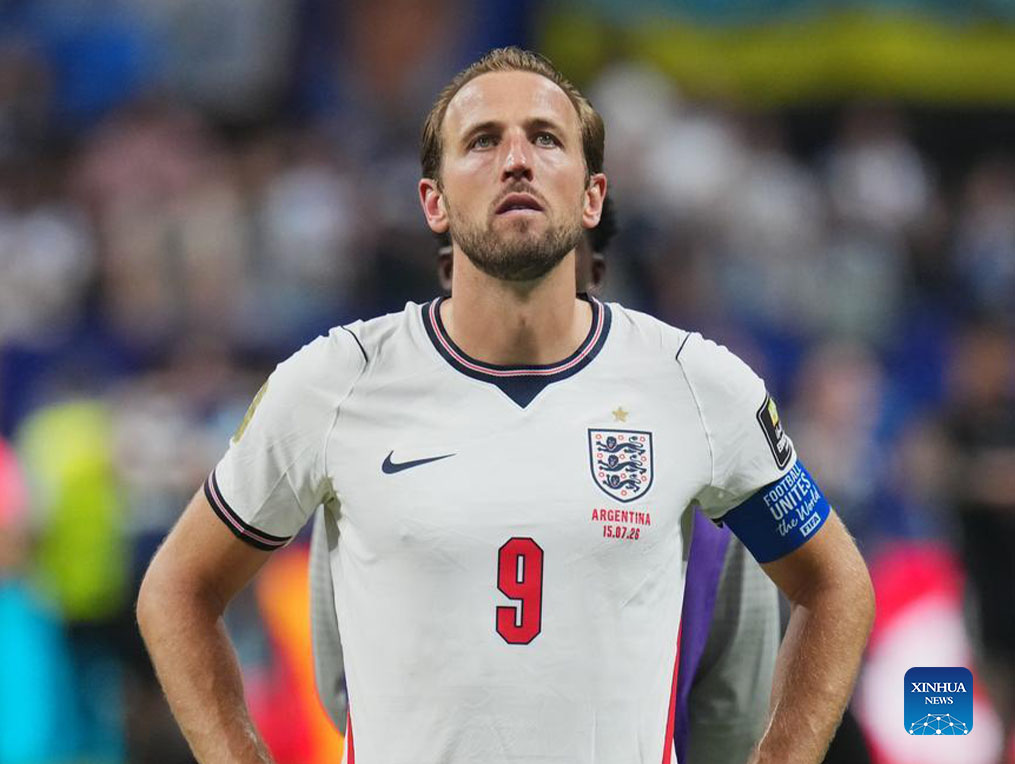
That is what England still lacks. They have a generation of talented players, strong financial resources and an admirable training system, but to reach the top, the "Three Lions" need more than just a famous coach.
The defeat to Argentina may not be the end of the Tuchel era, but it is certainly a warning about the identity problem that English football must solve if it wants to turn the championship dream into reality.


