Reducing toxic gas accumulation in closed rooms
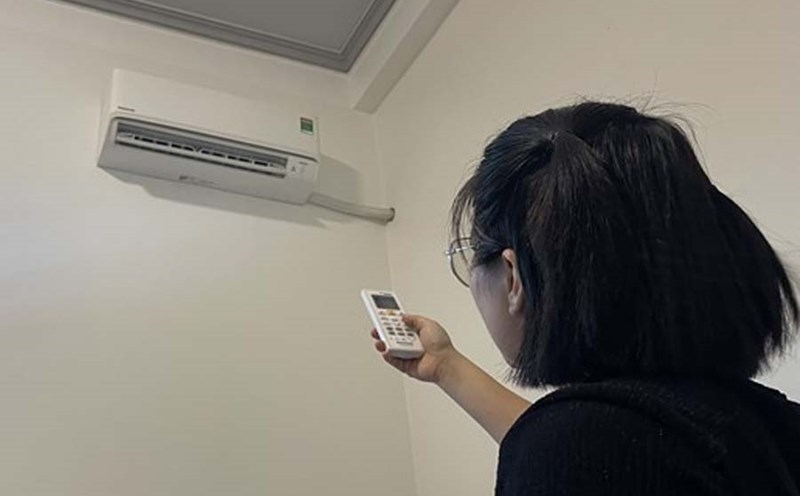
According to many studies, the air in the air-conditioned room takes too long, if there is no circulation, it will become a prison, easily accumulating toxic gases such as CO2, formaldehyde or volatile organic compounds (VOCs) from the interior, wall paint, detergent... This can cause headaches, fatigue, allergies or respiratory problems.
Dr. Michael Waring, an environmental engineering expert at Drexel University (USA), said: "In closed environments, CO2 levels can increase rapidly in just a few hours. Opening windows helps exchange gas, reduce CO2 and significantly improve indoor air quality".
Increasing air circulation efficiency
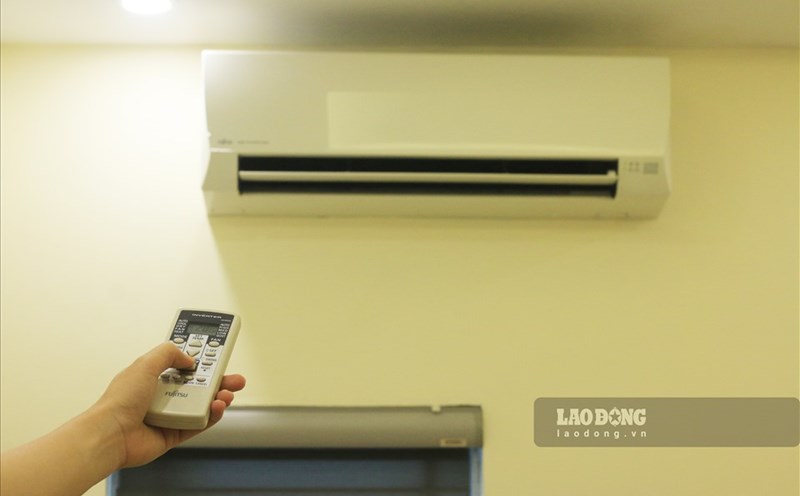
When opening the windows combined with turning on the air conditioner, the temperature difference creates a slight convection, helping to allocate cooler air more evenly in the room. This is especially useful for rooms with large areas or many alleys.
In addition, fine dust particles, toxic gases or foul odors from air conditioners that have not been cleaned for a long time also have the opportunity to be "pushed out", reducing the risk of causing diseases to the respiratory system.
Reduces heat shock when going out
Another notable benefit is reducing the phenomenon of Shock Paralysis, when the body changes from a too cold environment to a sudden hot one. Opening windows makes the room not too cold compared to the outside, helps the body adapt more easily and reduces the risk of colds and dizziness, especially for the elderly and children.
What should be noted?
Although beneficial, opening windows when turned on the air conditioner also needs to be done properly. You should only open a small gap (about 5 - 10 cm), for a short time (10 - 15 minutes per hour) to ensure air exchange without reducing the cooling effect. At the same time, you should clean the air conditioner periodically and use an additional air purifier if conditions are favorable.
Small habits such as opening windows when turning on air conditioners seem unscientific, but are an effective way to improve air quality, protect health and enhance the experience of living in a refrigerated environment. It is important to know how to balance the cooling performance and the natural ventilation needs.